REVIEW · ROME
Rome: MIAC Italian Museum of Moving Images Entry Ticket
Book on GetYourGuide →Operated by GetYourGuide Tours & Tickets GmbH · Bookable on GetYourGuide
Movies and museums belong together.
The Museo Italiano del Cinema inside Cinecittà Studios is a neat way to look at Italian filmmaking in a real studio setting, not just from posters and photos. You start with how Italian cinema got made and why Cinecittà became the go-to place for film production. It’s a one-day ticket, and the museum leans on film clips, artifacts, and hands-on elements to keep things moving.
Two things I really like about this experience: you get classic film clips plus historical artifacts in the same visit, and you can also use interactive installations rather than only watching. That combo matters, because it turns film history into something you can process with your eyes and your brain at the same time.
One consideration: if you just visited another Cinecittà-related museum right beforehand, the overall concept can feel repetitive or confusing. The museum is still worth your time, but give yourself a little mental breathing room so the story lands.
In This Review
- Key highlights to know before you go
- Cinecittà Studios: the famous Hollywood on the Tiber setting
- What you actually see in Museo Italiano del Cinema (in a 1-day visit)
- Classic film clips and historical artifacts: why this combo works
- Evolution of filmmaking technology: the behind-the-scenes lesson
- Interactive installations: when hands-on helps (and when it can confuse)
- Language, timing, and getting the most out of your visit
- Price value: is $15 a fair deal for film history and interactive exhibits?
- Who this ticket suits best (and who might want a different plan)
- Should you book this ticket?
- FAQ
- How much is the Museo Italiano del Cinema entry ticket?
- How long is the visit?
- What’s included with the ticket?
- Is the ticket refundable?
- What language is the experience in?
- Is the museum wheelchair accessible?
Key highlights to know before you go
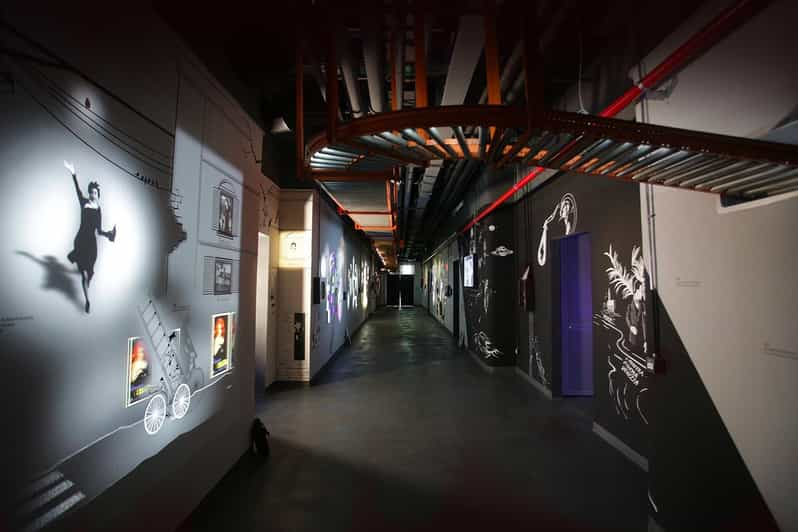
- Cinecittà Studios setting: You’re walking through the famous production home often called the Hollywood on the Tiber.
- Film clips + artifacts: You’ll see classic clips and historical items that connect movies to the people and materials behind them.
- Filmmaking technology evolution: Exhibits focus on how tools and methods changed over time.
- Costumes and sets from famous movies: You’re not just learning; you’re looking at tangible production elements.
- Interactive installations: Expect at least some elements that ask you to participate, not just stand and read.
- Italian-language experience: The host/greeter is Italian, so plan for Italian-friendly signage or translation help if needed.
Cinecittà Studios: the famous Hollywood on the Tiber setting
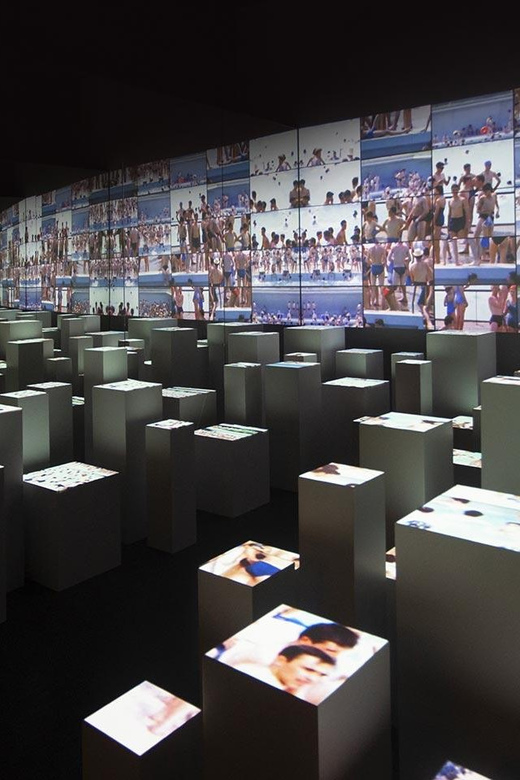
Cinecittà Studios is one of those Rome landmarks that feels different once you understand the purpose. This is not just a movie-themed stop; it’s the largest film studio in Europe, known for film production dating back to 1937. That timeline is a big deal, because it explains why the museum exists where it does. The setting itself reinforces the lesson: Italian cinema isn’t abstract here. It’s tied to crews, equipment, and stages.
And yes, Cinecittà is often described as the Hollywood on the Tiber. That name can sound like marketing fluff, but it also points to the right idea. Cinecittà became a hub where major productions were made, which means the museum can show you film history using the real language of filmmaking: sets, costumes, and behind-the-scenes artifacts.
You can also read our reviews of more tours and experiences in Rome.


What you actually see in Museo Italiano del Cinema (in a 1-day visit)
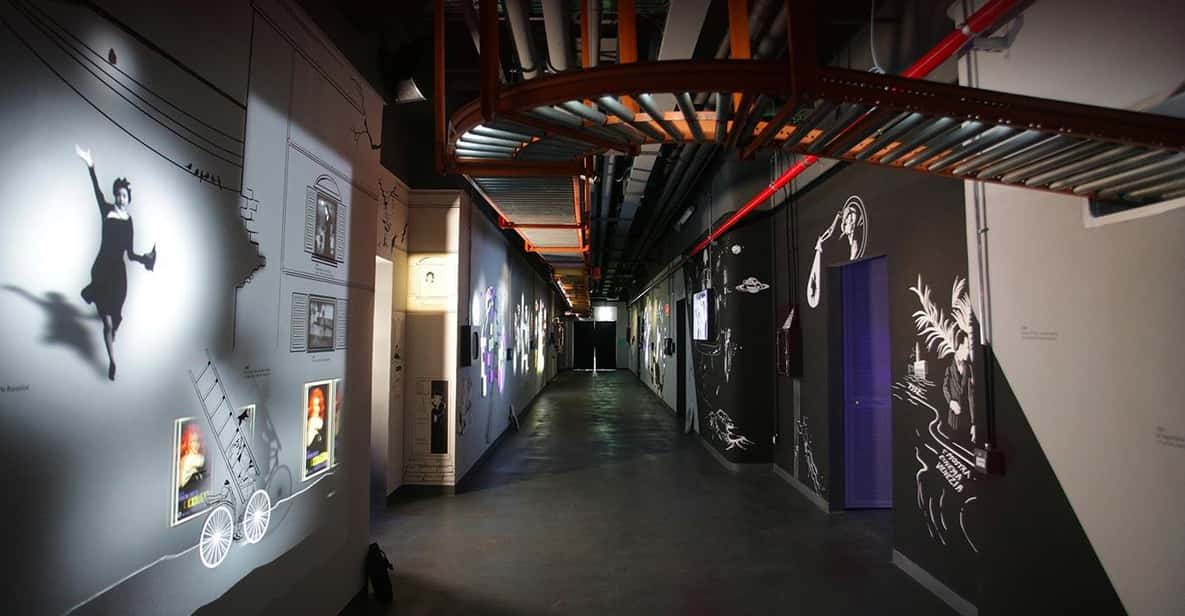
Your ticket is valid for one day, and the museum experience is designed to fit that timeframe. The core structure is straightforward: you move through sections that explain the craft, then you reinforce it with physical items and screen-based clips, plus interactive installations.
Here’s what that typically means for your pacing:
- You’ll start by getting oriented on the history and artistry of Italian filmmaking.
- Then you’ll transition into collections tied to films produced at Cinecittà, including clips and artifacts.
- After that, the museum shifts toward how filmmaking technology evolved—so you understand why today’s tools look the way they do.
- Finally, the interactive parts are your chance to slow down and test your understanding in a more active way.
Because the ticket includes access to interactive installations, you’re not locked into a purely passive visit. That helps if you’re the type who gets impatient with long text walls. You can still expect explanations, but the museum seems built to keep attention by mixing media types.
Classic film clips and historical artifacts: why this combo works
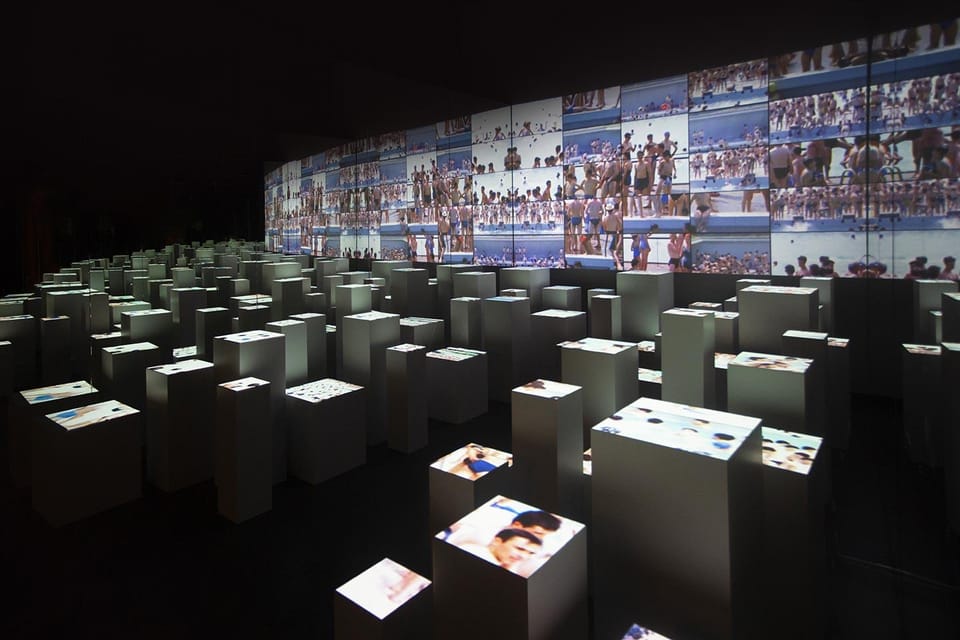
The museum’s strongest “value move” is pairing classic film clips with historical artifacts. Seeing a clip is fun, but it can also feel like isolated entertainment. Seeing the artifacts right next to it is what turns it into context. You start to connect the story on screen with the material reality off screen.
From the info you have, you can expect items like:
- classic film clips tied to Italian cinema at Cinecittà
- historical artifacts, including costumes and sets connected to famous movies produced at the studio
This is a smart way to learn. Film history often gets taught like a timeline of titles. Here, it’s more like a workshop of objects and techniques. You’re effectively asking: what did filmmakers have, what did they change, and how did those choices show up in what you see on screen?
Evolution of filmmaking technology: the behind-the-scenes lesson
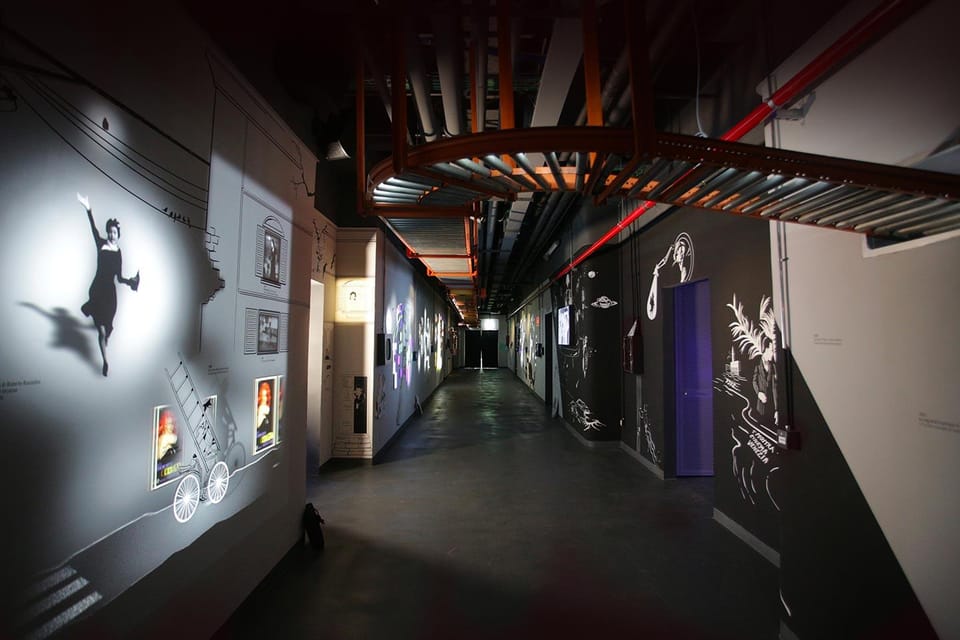
One of the most practical parts of the museum is how it frames the evolution of filmmaking technology. Even if you’re not a film geek, this section tends to click because it answers a simple question: why do films from different eras look and feel so different?
As you move through the exhibits, you’ll learn about filmmaking methods changing over time, and you’ll pick up the idea that technology shapes storytelling. You’re not only looking at old equipment as an artifact; you’re using it to understand why camera work, production style, and filmmaking workflow changed.
The museum also points to the contributions of prominent Italian filmmakers. You may notice that the storytelling isn’t just about studios and tools. It’s about people too—the creative decisions that tech enables.
Interactive installations: when hands-on helps (and when it can confuse)
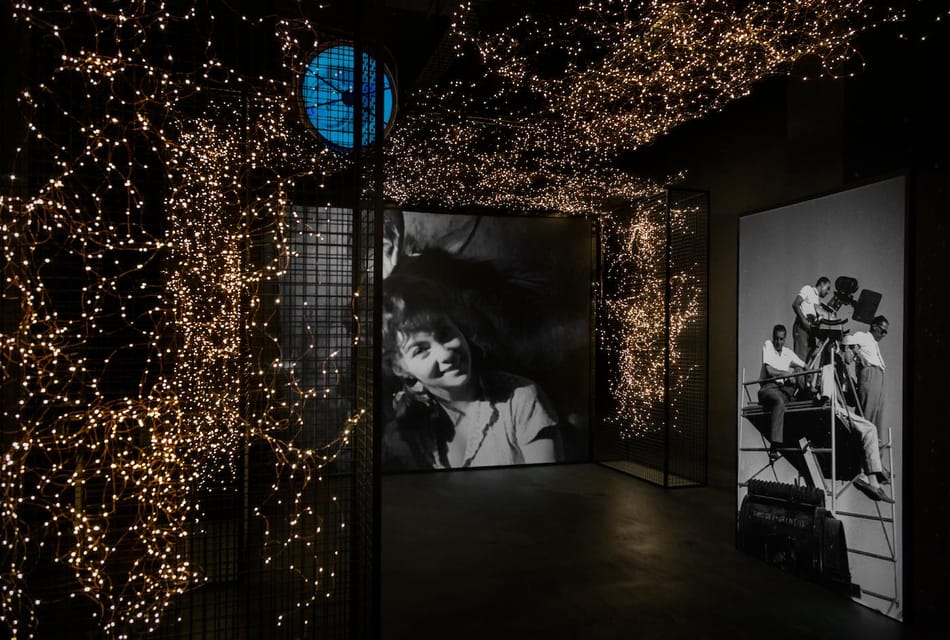
The ticket includes access to interactive installations, and that matters because interactive parts can make film history feel more intuitive. Instead of reading how something works, you experience a simplified version of how filmmaking concepts operate.
That said, there’s one reason this can be a little tricky: the museum language is Italian, and the host/greeter is Italian. If you don’t read Italian well, the interaction might still be fun, but the full meaning could be harder to catch. You’ll want to rely on visual cues, signage, or any guided explanation you can get.
Also, if you’re coming straight from another Cinecittà museum, you might feel like you’re hearing the same big idea in a new wrapper. That’s exactly the kind of “wait, so what’s the main point here?” moment a visitor can hit when two film experiences overlap. If that’s your situation, slow your pace, and focus on one goal: tech evolution this time, not just movie nostalgia.



Language, timing, and getting the most out of your visit
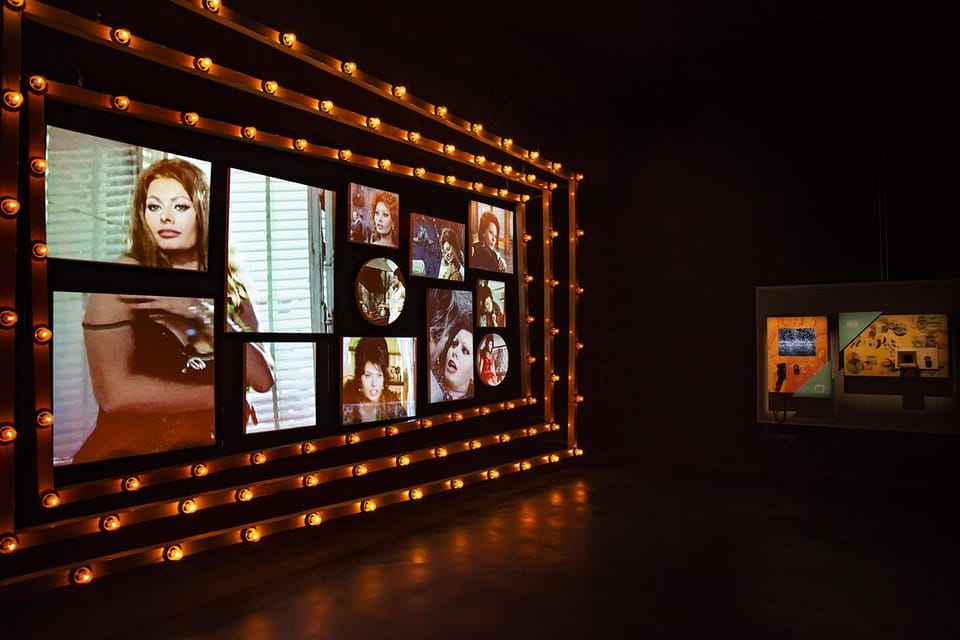
A few practical notes will help you enjoy this ticket more, especially if you’re short on time in Rome:
Language: The experience is in Italian. That doesn’t automatically ruin your day—museums often use visuals—but it does mean you may need to read more carefully and accept that not every detail will land instantly. If you travel with someone comfortable in Italian, you’ll likely get more out of the explanations.
Timing: Your ticket is valid for 1 day, and starting times depend on availability. So don’t treat it like a walk-up free-for-all. Check the time options when you book, then pick a slot that fits your day at Cinecittà Studios.
One-day duration: Plan for a full, focused visit rather than a quick stop. Even with a short attention span, the clip-and-artifact flow takes time to absorb. If you rush, the technology evolution section can feel like it’s jumping ahead of you.
Accessibility: The museum is wheelchair accessible. That’s a big plus if you need step-free routes or easier navigation across exhibits.
Price value: is $15 a fair deal for film history and interactive exhibits?
At $15 per person, this ticket lands in the category of “reasonable for a specialty museum.” The value isn’t only the ticket price; it’s what the museum packs into that time window.
You’re paying for:
- entry to Museo Italiano del Cinema
- access to interactive installations
- a setting tied to major film production history at Cinecittà Studios
- exhibits that blend classic film clips with physical production artifacts like costumes and sets
In other words, it’s not just a small room with posters. The ticket includes enough variety—clips, objects, technology evolution, and interactive elements—that you’re more likely to leave feeling you understood the subject, not just passed through a themed corridor.
One more value note: with only 3 reviews and a 4.2 rating, you’re not looking at thousands of opinions. That doesn’t mean it’s bad. It just means your best approach is to decide based on fit: do you like film history that uses artifacts and technology explanations, and do you enjoy at least some hands-on content?
Who this ticket suits best (and who might want a different plan)
This is a strong match if:
- you’re a film fan who likes understanding how movies get made
- you want an inside look at Italian cinema in a real studio environment
- you enjoy exhibits that mix screens, objects, and interaction
- you’re spending one day at Cinecittà and want a focused museum experience
It might be less satisfying if:
- you’re expecting a super clear, fully English-speaking tour (the language is Italian)
- you already visited multiple Cinecittà film-history experiences back-to-back and want something clearly different in concept
- you only want a quick hit of movie trivia and don’t care about technology evolution
Should you book this ticket?
I’d book it if you want a practical, one-day way to connect Italian film history to the real world of filmmaking—clips, costumes, sets, and the tools behind the camera. The $15 price feels fair for the mix of media and the interactive installations, especially given the legendary Cinecittà location.
Skip it or rethink your plan if Italian-language explanations will be a dealbreaker for you, or if you’re stacking it immediately after another Cinecittà museum and you suspect overlap will frustrate you. If you do book, pick a starting time that gives you breathing room, and focus on one theme during the visit—especially technology evolution—so the experience stays clear in your head.
FAQ
How much is the Museo Italiano del Cinema entry ticket?
The price is $15 per person.
How long is the visit?
The ticket is valid for 1 day.
What’s included with the ticket?
It includes entry to the Museo Italiano del Cinema and access to interactive installations.
Is the ticket refundable?
No. The activity is non-refundable.
What language is the experience in?
The language is Italian.
Is the museum wheelchair accessible?
Yes, it is wheelchair accessible.