REVIEW · ROME
Rome: Roman House of the Celio Hill Ticket & App Audioguide
Book on GetYourGuide →Operated by GetYourGuide Tours & Tickets GmbH · Bookable on GetYourGuide
Some Roman rooms are literally underground. The Roman Houses of the Celio (Case Romane del Celio) let you see well-preserved frescoes and decoration in an archaeological site right beneath a major basilica. I love how the setting adds instant drama to ordinary sightseeing, and you’ll also appreciate the clear focus on what changed over centuries below street level. One caution: the site can be time-sensitive, and you’ll want to show up for your slot rather than assuming extra hours, since closing can run earlier than you might expect.
This is one of those tickets that feels small on paper but rewarding in real life. You’ll walk through rooms that started life as practical spaces and then became an elegant home, and you can connect the visual details to Rome’s bigger shift from pagan traditions toward Christianity. The only real mismatch to watch for is that an audioguide may not be included with your ticket, even if the overall experience name suggests it.
In This Review
- Key highlights to look for
- Entering the Roman Houses of the Celio beneath Saints John and Paul
- Finding the Case Romane del Celio entrance on Clivo di Scauro
- What you walk through: insula life to an elegant domus
- The frescoes that make the underground feel alive
- Pagan Rome and Christianity side by side in the same spaces
- Ticket value: entrance + a digital Pemcard postcard
- Timing matters: plan for an efficient underground visit
- Who should book this Roman House of the Celio ticket?
- Should you book this Roman Houses of the Celio experience?
- FAQ
- Where is the Roman Houses of the Celio meeting point?
- How much does the Roman Houses of the Celio ticket cost?
- How long is the ticket valid?
- What’s included with the ticket?
- Is an audioguide included?
- What can I do with the postcard included in the experience?
- Is the experience wheelchair accessible?
- Where does the experience end?
- Can I cancel and get a refund?
Key highlights to look for
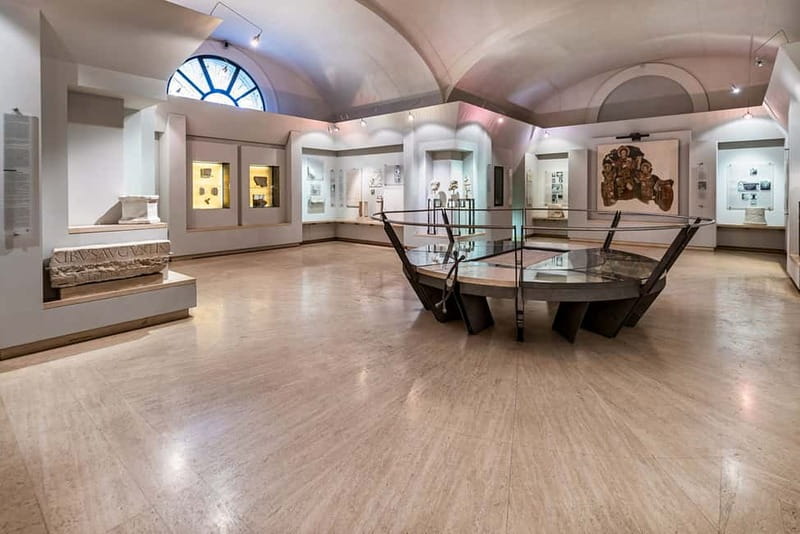
- Original frescoes and late-antique decorations in strong condition
- Underground rooms beneath the basilica of Saints John and Paul
- Over four centuries of change, from older use to later transformation
- Clues about pagan and Christian life side by side
- Included digital postcard (Pemcard) to send from your visit
Entering the Roman Houses of the Celio beneath Saints John and Paul
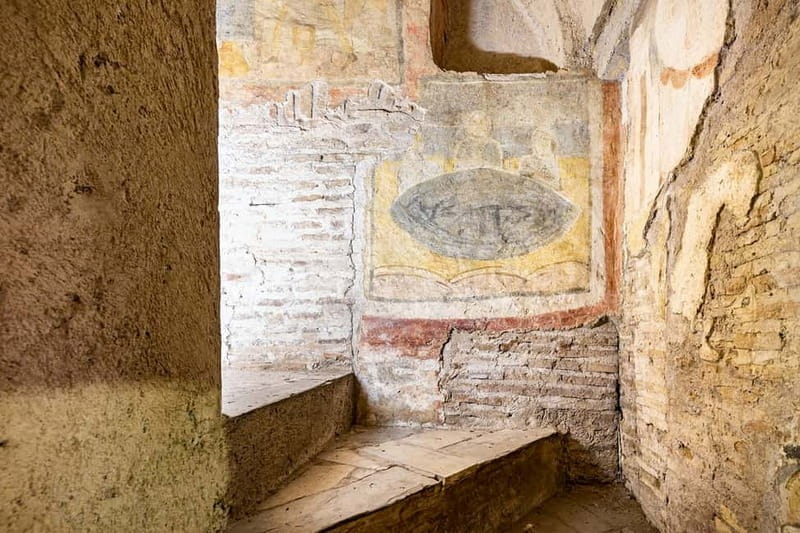
The Roman Houses of the Celio sit below the basilica of Saints John and Paul, in the area between the Colosseum and the Circus Maximus. That location matters because it gives you an unusual contrast: you’re in central Rome above ground, and then you go down into a layered archaeological world.
What you’re seeing is not a museum-style reconstruction. It’s an archaeological site with original decorations and surfaces, in a space that was shaped by real Roman building life. I like that the visit doesn’t ask you to guess everything; you can follow the story visually as you move through rooms and layers.
And yes, the site nickname you may hear for these houses ties to early Christian associations with the basilica above. Even if you don’t chase the label, the meaning is obvious once you start looking: Rome’s religion shifted, but the people and spaces kept reusing and reshaping the built environment.
You can also read our reviews of more tours and experiences in Rome.



Finding the Case Romane del Celio entrance on Clivo di Scauro
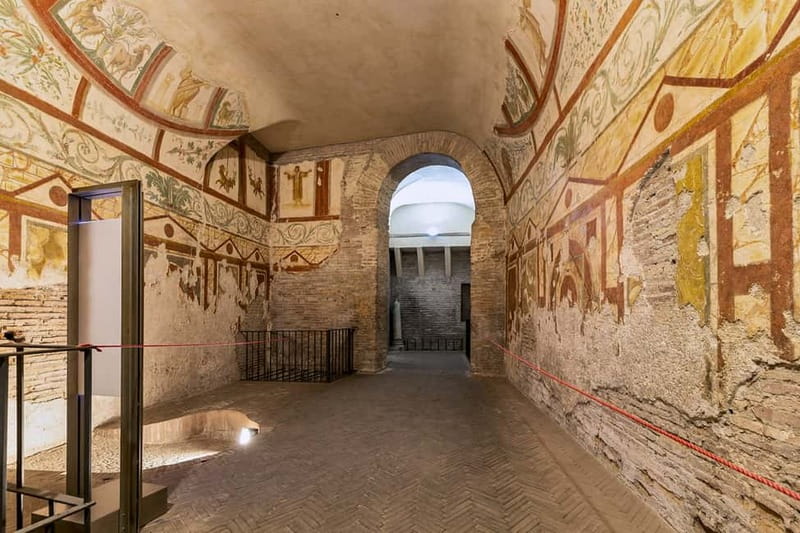
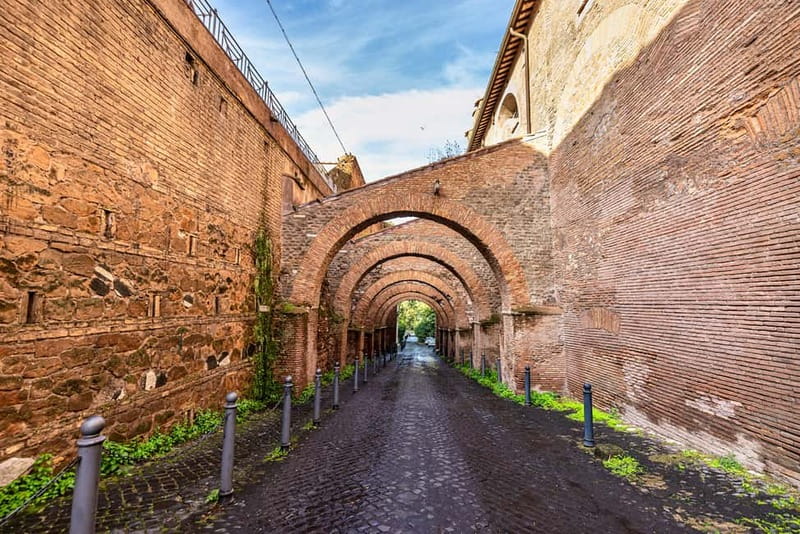
Your start point is straightforward if you know what to look for. Meet at the Case Romane del Celio entrance on Clivo di Scauro road, and aim to get there a bit early so you don’t have to rush.
From a practical standpoint, this matters because you’re booking an experience tied to a specific start time (your ticket is valid for 1 day, with available starting times to choose from). Arrive at the correct moment, then settle in—underground spaces feel different once you’re inside, and you’ll want your head clear for the details.
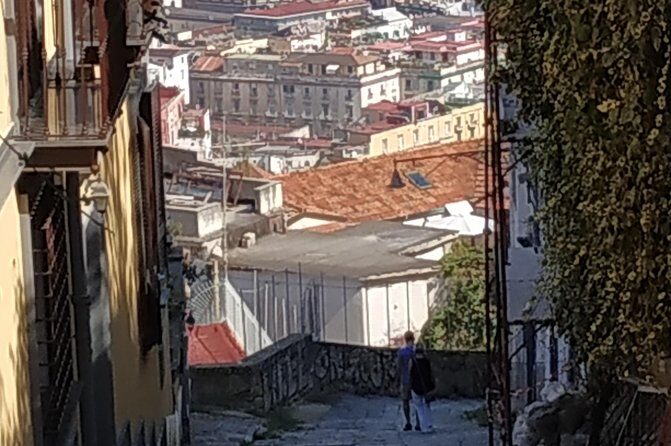
Also, plan on walking some cobbled streets. This is central Rome, and even “nearby” can involve stairs and uneven paths. The good news is that the experience is listed as wheelchair accessible, so if you use a wheelchair, you should be able to plan it without writing off the site entirely.
What you walk through: insula life to an elegant domus
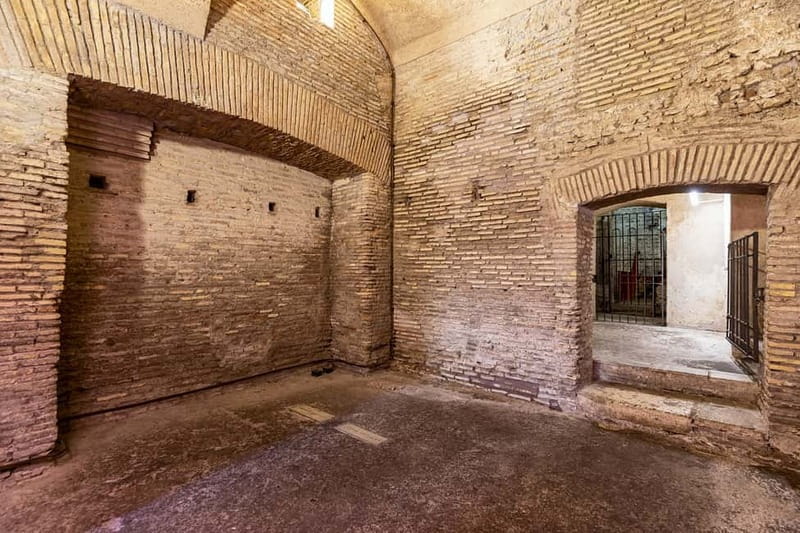
Here’s the core of what makes the Roman Houses of the Celio interesting: the spaces weren’t built as a single-purpose palace from day one. The rooms originally functioned as part of a multi-storey building type (an insula), more practical than grand.
Then, during the 3rd century A.D., those same spaces were transformed into an elegant domus, which is a more formal house style. You can treat the visit like a physical before-and-after lesson: everyday/workshop or storage use becomes refined domestic use.
As you move through the underground interiors, pay attention to the way decorations and surfaces change your sense of the room. Even without a complicated background lecture, you’ll start reading the site like a timeline you can walk through. That’s a huge part of the value here: it’s not just pretty walls, it’s walls that show how a building got re-invented.
The frescoes that make the underground feel alive

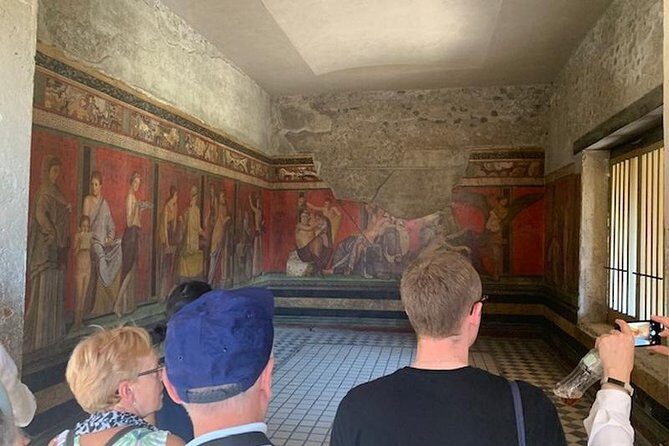
This is the part most people get excited about, and it’s easy to see why. The houses are known for perfectly preserved decorations and frescoes that you can still interpret visually, long after the original world is gone.
I love sites like this because the art isn’t floating in isolation. The frescoes sit in the actual architectural context, so you’re not just looking at an image; you’re seeing how Romans used color and design to make a space feel specific and meaningful.
Late antique frescoes deserve a slower look than you might give them at a quicker stop. If you treat the visit like a 30-second photo spree, you’ll miss what makes the site special. Instead, pause and look for how the decoration relates to the room’s form—corners, entrances, and the way sightlines would have worked when these rooms were in use.
Pagan Rome and Christianity side by side in the same spaces
One of the most compelling parts of this visit is the theme of religious transition. The site is associated with the passage and coexistence of paganism and Christianity in ancient Rome, and you can feel that in the layers of use.
You don’t have to be a religion-history expert to follow the general idea. Rome didn’t flip a switch overnight; people lived in spaces that continued to exist while beliefs changed around them. This is where underground Rome becomes more than a novelty. It turns the story into something physical.
So when you look at the decoration and the way the rooms evolved, think of it as a clue trail. The building’s transformation (insula to domus in the 3rd century) plus the later Christian association aboveground helps you make sense of the larger shift over time. The site’s focus on “over four centuries of history” also supports that: you’re not reading one moment—you’re watching change accumulate.



Ticket value: entrance + a digital Pemcard postcard
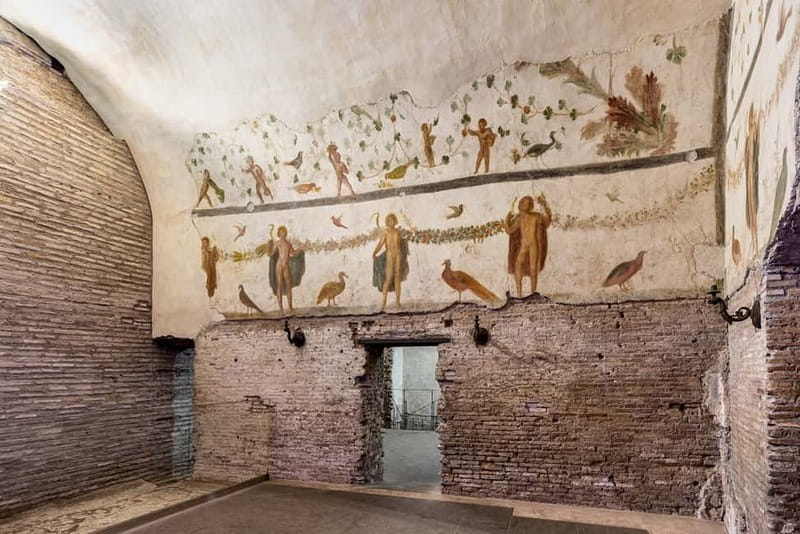
For the price, I think this ticket is a good deal if you want a focused, less-hyped experience. It’s listed at $11 per person, and the included items help justify it: your ticket covers entrance, and the experience includes a postcard.
The postcard part is not a paper souvenir you stuff in a drawer. You’re able to send a unique digital Pemcard of your visit to family or friends anywhere in the world. That’s fun in a practical way, especially if you want a keepsake without extra weight in your daypack.
One note to keep you from being surprised: audioguide isn’t listed as included. If you want audio support, don’t assume it’s automatically bundled—double-check what you’ll actually receive before you go. If audio is important to your style of travel, having a backup plan with your phone is wise.
Timing matters: plan for an efficient underground visit
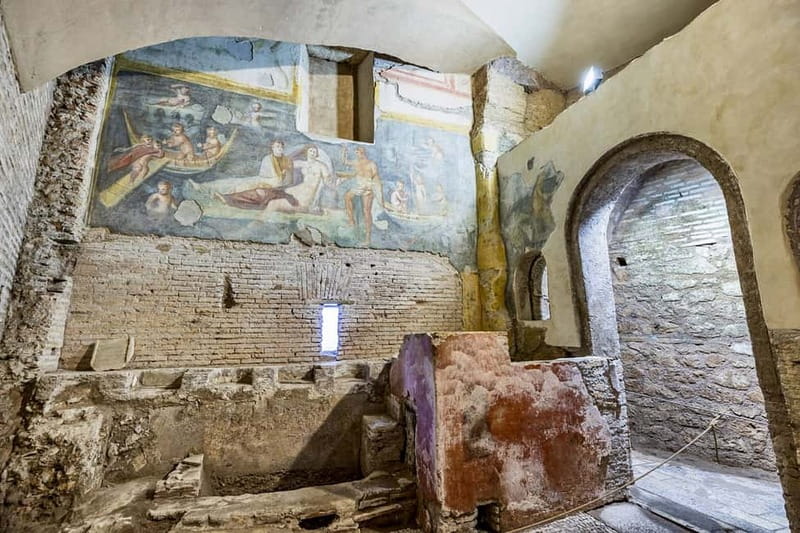
Your ticket is valid for 1 day and you’ll pick from available starting times. In practice, that means you should treat this as a scheduled stop, not a casual wander.
The underground layout also rewards smart pacing. You’ll want time to look at frescoes and decorations, then time to connect the “insulated to domus” story with the religion-transition theme. If you rush, you’ll remember the cool location, but you’ll miss the reason the site is worth leaving a busy Rome route for.
And here’s the caution from real-world experience: one buyer complaint points out a closure time mismatch (they expected later and found earlier). That’s a sign to plan conservatively, arrive close to your chosen start time, and don’t build an entire afternoon around the assumption you’ll stay until late.
Who should book this Roman House of the Celio ticket?
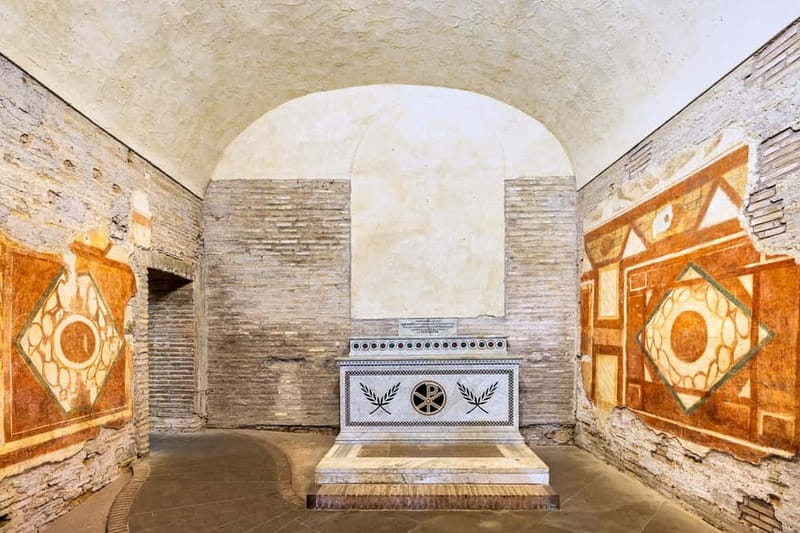
I’d steer you here if you like Roman history that feels specific and tangible. This isn’t about chasing massive crowds or collecting a checklist of the most famous sights. You’re going underground to see rooms where the building story and the art story overlap.
This is also a good fit if you enjoy smaller, detail-led stops. The price is modest, and the included digital postcard is a nice bonus if you like sending something personal while you travel.
If you’re coming with kids or you want something very hands-on, you might find it a bit quieter and more interpretive than a classic interactive site. Still, the preserved decoration and the clear physical transformation of the building make it easier to follow than you’d expect.
Should you book this Roman Houses of the Celio experience?
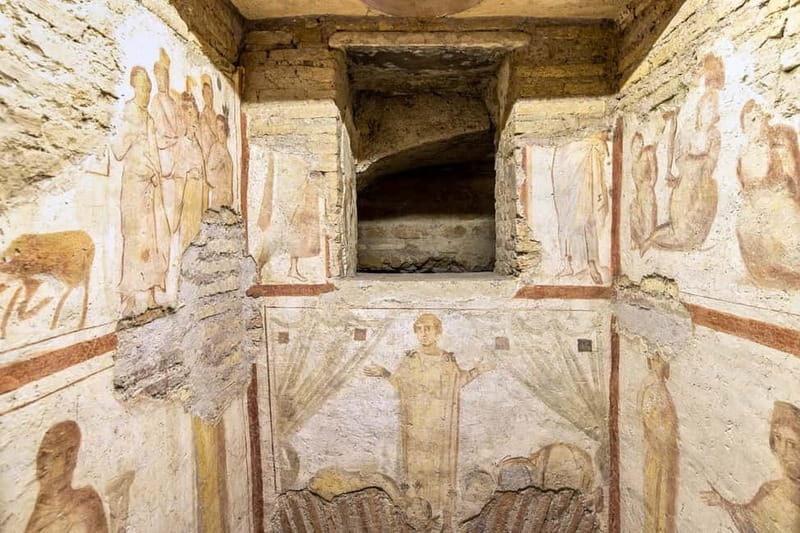
Book it if you want an efficient, art-and-archaeology-focused stop with real atmosphere under a basilica. At $11, the combination of preserved decorations, the underground setting, and the included digital Pemcard makes the value feel fair.
Skip or adjust your expectations if you specifically need an audioguide included with the ticket, since audioguide is listed as not included. Also show up on time and plan for earlier closing than you might assume—underground sites can be less forgiving when your schedule slips.
If you’re building a Rome day that mixes big-name landmarks with something calmer and more visual, the Roman Houses of the Celio is a strong choice.
FAQ
Where is the Roman Houses of the Celio meeting point?
You should meet at the Case Romane del Celio entrance on Clivo di Scauro road.
How much does the Roman Houses of the Celio ticket cost?
The price is listed at $11 per person.
How long is the ticket valid?
It’s valid for 1 day, with available starting times shown when you check availability.
What’s included with the ticket?
The ticket includes Roman Houses of the Celio entrance and a postcard.
Is an audioguide included?
No. Audioguide is listed as not included.
What can I do with the postcard included in the experience?
You can send a unique digital Pemcard of your visit to family or friends anywhere in the world.
Is the experience wheelchair accessible?
Yes, the activity is listed as wheelchair accessible.
Where does the experience end?
It ends back at the meeting point.
Can I cancel and get a refund?
Yes. Free cancellation is available up to 24 hours in advance for a full refund.