REVIEW · DINING EXPERIENCES
Rome: Lunch or Dinner with typical Roman Dishes
Book on GetYourGuide →Operated by La Taverna del Ghetto · Bookable on GetYourGuide
That first bite can change your whole Rome day.
This lunch or dinner focuses on classic Roman plates in the old town, with a menu built around the Roman Jewish-style flavors you do not always find outside the city’s neighborhoods. I like the 3-course format because it keeps things simple, and I especially like the way the menu gives you real choice among Roman favorites like all’Amatriciana or Spaghettone alla Carbonara. One thing to keep in mind: this is primarily a restaurant meal, so if you want a heavy guide-led experience with lots of story and group interaction, your mileage may vary.
You meet at La Taverna del Ghetto, in the kind of area where narrow streets and old walls set the mood before you even sit down. The pacing is comfortable for a 2-hour outing, and the included wine, mineral water, and espresso make it feel like a proper sitting-down Roman dinner, not a rushed snack.
In This Review
- Key things to know before you go
- Why a Ghetto Dining Room Beats Another Roman Food Tour
- Meeting at La Taverna del Ghetto in Rome’s Old Alleys
- The 3-course flow: from artichoke starters to Roman pasta choices
- First course: Roman-style starters with Jewish-style artichoke
- Pasta course: Tagliolino al ragù, Amatriciana, or Carbonara
- Dessert: Crostata di ricotta e visciole
- Espresso and pacing
- Wine, water, and espresso: what the $45 really buys
- Service and atmosphere: Massimo, plus the risk of a too-touristy feel
- What the included menu tells you about the restaurant’s style
- Who this suits best (and who should skip it)
- Practical tips to get the most from your meal
- Should you book this Roman lunch or dinner at La Taverna del Ghetto?
- FAQ
- Where do we meet?
- How long is the meal experience?
- What is included with the meal?
- What food will I eat?
- Is it held rain or shine?
- Is it suitable for people with mobility impairments?
Key things to know before you go
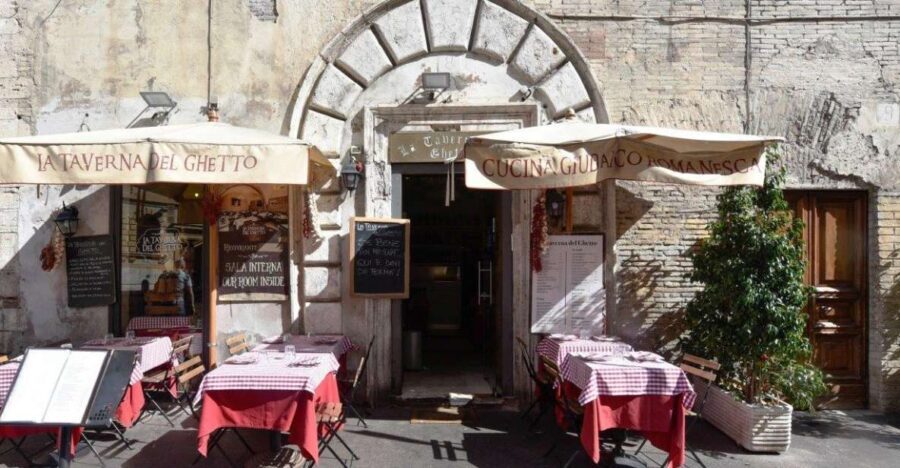
- Old Jewish Quarter setting: dine among the alleys and archaeological-moment feel of Rome’s historic lanes
- Jewish-style artichoke shows up early: it’s part of the appetizer starting point, not an afterthought
- Pick-your-pasta options: Roman choices include Tagliolino al ragù, all’Amatriciana, or Spaghettone alla Carbonara
- Dessert is part of the deal: Crostata di ricotta e visciole is on the finish
- Small group size (up to 10): enough for a calmer dining experience than big groups
- Service can be the highlight: a past guest singled out the waiter Massimo and even described a birthday serenade
Why a Ghetto Dining Room Beats Another Roman Food Tour
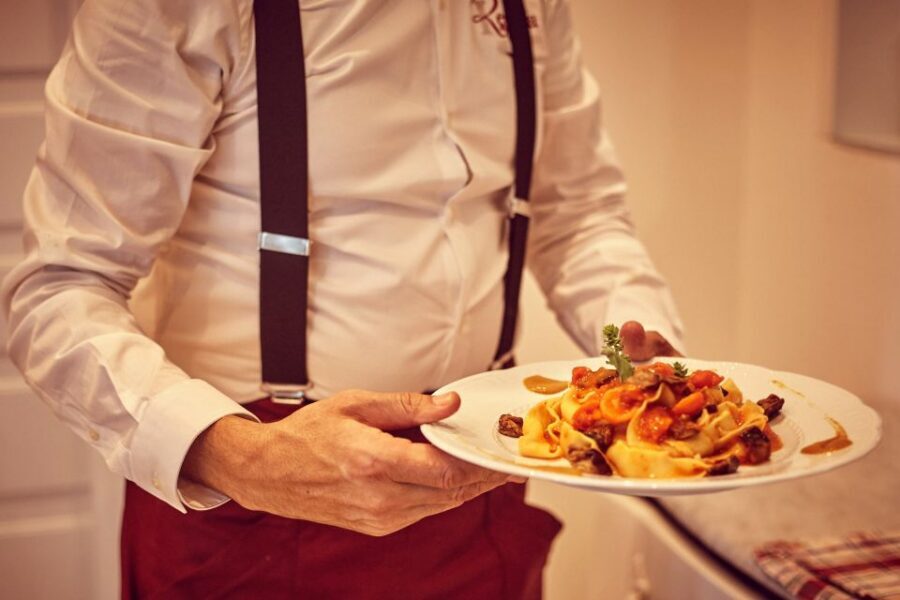
Rome has plenty of ways to eat well. What I like about this experience is that it aims for something more specific than a generic sampler of famous dishes. You get Roman cuisine with a clear local angle: the menu includes Jewish-style artichoke, plus Jewish-quarter-friendly flavors that feel tied to the neighborhood instead of copied for tourists.
The second big win is the structure. A 3-course lunch or dinner means you do not spend your trip deciding what to order while you’re hungry and jet-lagged. You show up, you eat, you move on. Two hours is also a nice time box in Rome. It works if you want food as the main event, not as a side quest between museums.
Still, it’s worth setting expectations. This experience is dining-focused. You are not being told you are going to be dragged from place to place with a long lecture. Some people love that restaurant intimacy. Others—especially if they were hoping for a more social guided group dynamic—might find the vibe a little too much like standard dining. If you want lively narration and group shenanigans, you may want to look for a different format.
You can also read our reviews of more tours and experiences in Rome



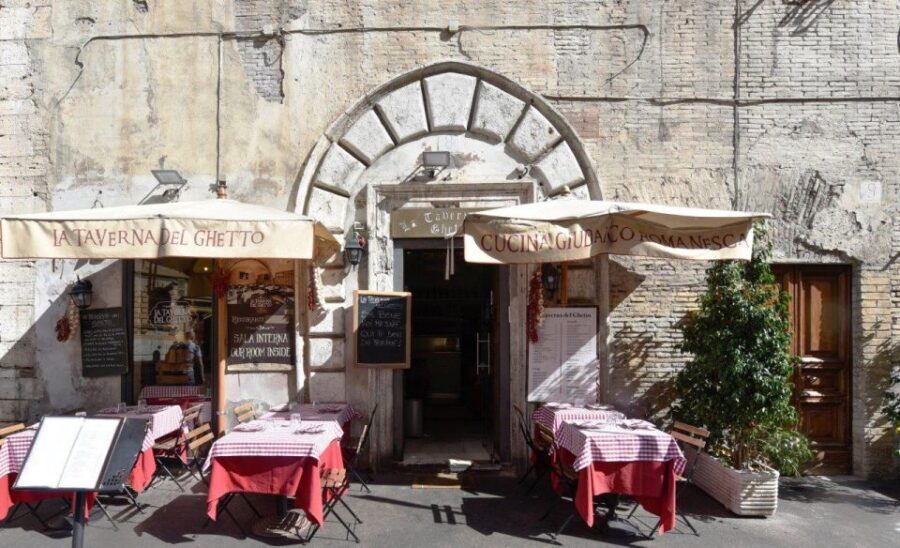
Meeting at La Taverna del Ghetto in Rome’s Old Alleys
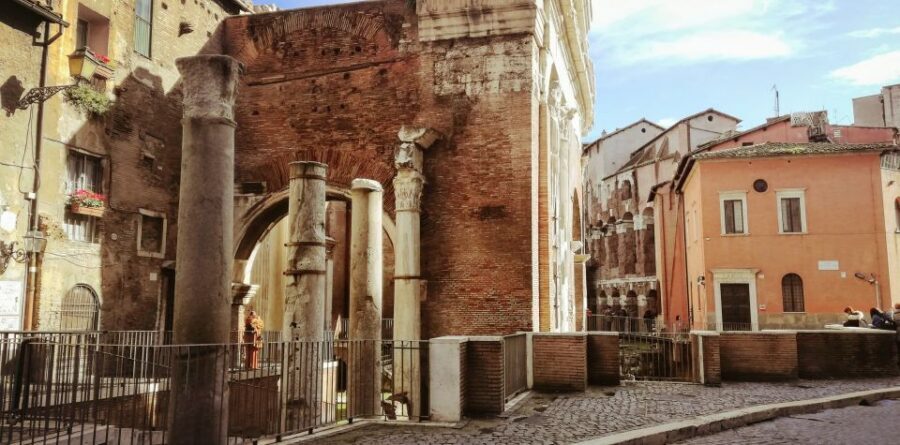
You meet at La Taverna del Ghetto, and that location matters. The meeting spot puts you in Rome’s old layers, specifically around the area tied to the Jewish Quarter. Even before food arrives, the environment helps. You get that feel of Rome where a short walk can pass you from a normal street into something old and stone-heavy, with corners that make you slow down.
Because transfer is not included, you’ll want to plan your own arrival. This is easy if you’re already exploring on foot or using public transport. Also note the food happens indoors, so rain is less of a problem than it would be for walking tours. The experience runs rain or shine.
One more practical detail: the tour is listed as not suitable for people with mobility impairments. That is not just legal language here—you should assume there may be steps, tight space, or dining-area limitations that could make it difficult.
The 3-course flow: from artichoke starters to Roman pasta choices
The meal has a clear rhythm. Start with an appetizer, move to a pasta course, and finish with dessert. You also get drinks as part of the package, which helps you enjoy the meal without constantly thinking about ordering add-ons.
First course: Roman-style starters with Jewish-style artichoke
Your appetizer options can include:
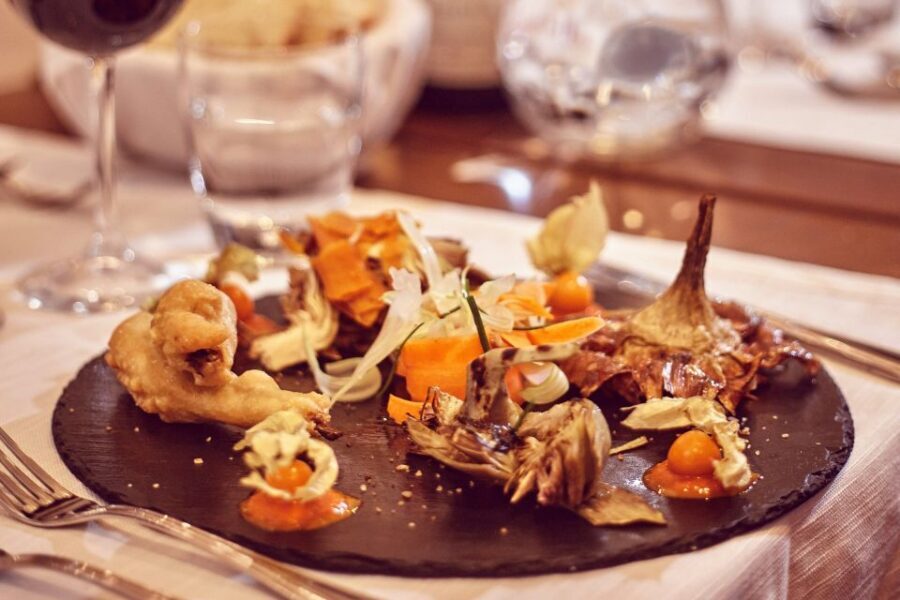
- Roman Appetizer with Jewish-style artichoke
- Pumpkin flowers with anchovies and mozzarella
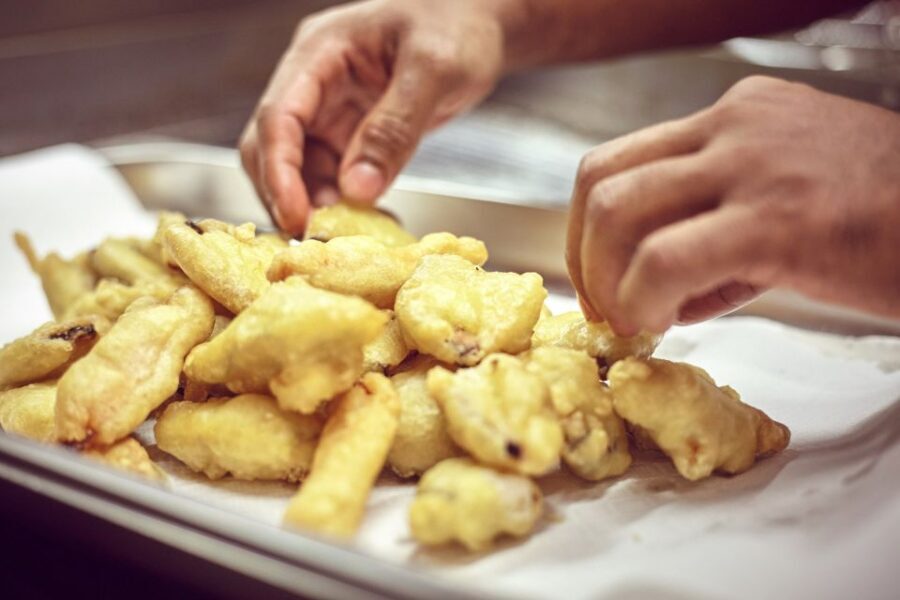
- Fried codfish
- Jewish-style artichoke plus an antipasti platter of cold cuts and cheese
The artichoke choice is the star for a reason. Artichokes are a Roman ingredient, but the Jewish-style preparation gives it a different flavor direction than the usual Roman trattoria approach. If you’re curious and you like trying one thing you cannot easily replicate at home, this starter is a smart place to spend your appetite.
If you’re not into fish, you’ll want to mentally steer away from the codfish option. If you love anchovies, the pumpkin flowers with anchovies and mozzarella could be a great balance—vegetal, salty, and creamy.
Pasta course: Tagliolino al ragù, Amatriciana, or Carbonara
Then comes the pasta. You choose one of these Roman classics:
- Tagliolino al ragù
- all’Amatriciana
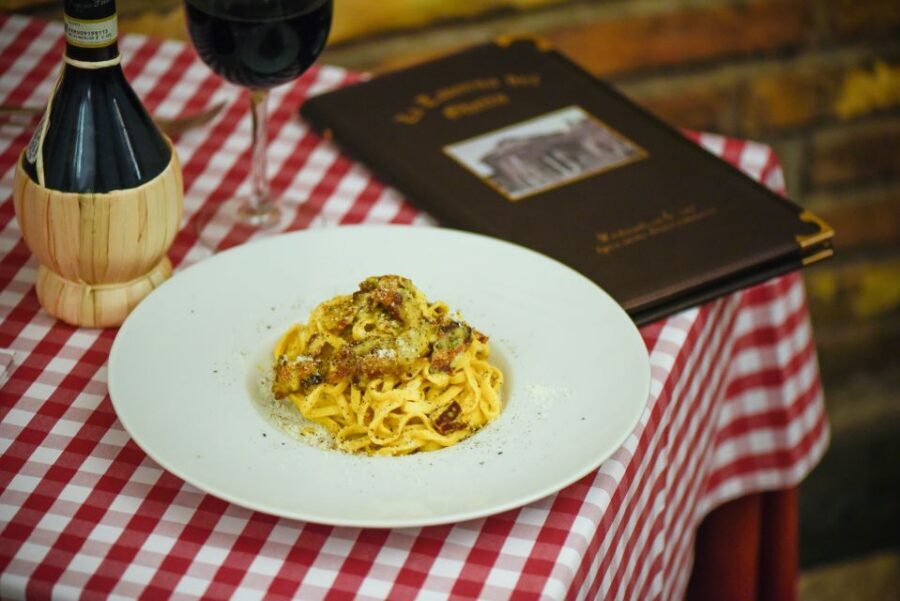
- Spaghettone alla Carbonara
Here’s how I’d think about this, practically.
If you want something hearty but not overly heavy, Tagliolino al ragù is a solid bet. If you want punchy sauce and a more savory bite, all’Amatriciana is usually the one people remember. And if you want the crowd-pleaser that feels unmistakably Roman, Carbonara—especially in a big, classic format like Spaghettone—tends to hit that comfort spot fast.
Since it’s included, you can focus on picking what matches your mood rather than what matches your budget.
You can also read our reviews of more tours and experiences in Rome





Dessert: Crostata di ricotta e visciole
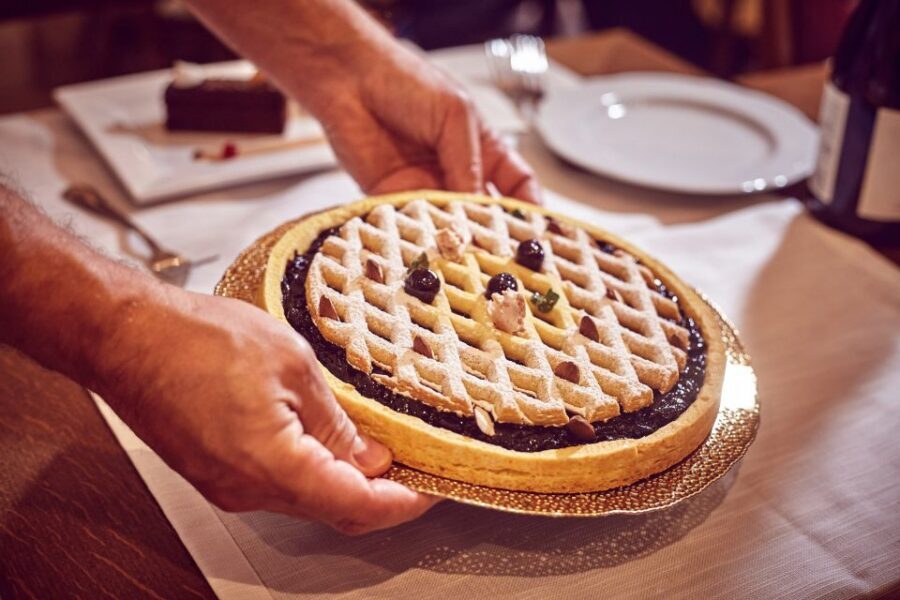
For the finish, you’ll end with Crostata di ricotta e visciole. This is a nice dessert choice because it’s not just sweet cake. Ricotta adds softness and mild dairy sweetness, while visciole (sour cherries) bring a sharper note. It’s the kind of finish that tastes like it belongs to Italy’s classic home-style desserts, not something only made for photo ops.
Espresso and pacing
You also get 1 espresso included. In Rome, that espresso is part of how locals close the meal. It’s a good move if you want one last caffeine hit and you’re planning to walk it off after dinner.
Wine, water, and espresso: what the $45 really buys
Let’s talk value, because pricing in Rome can feel like a roulette wheel. Here, the price is $45 per person, and the meal includes:
- A 3-course lunch or dinner
- 250 ml red wine
- 500 ml mineral water
- 1 espresso
That drink package matters more than it sounds. Wine and water are usually where restaurant totals creep upward—especially if you’re paying for each item separately. By bundling the drinks, the experience keeps the cost predictable.
Now the practical part: 250 ml red wine is a single small pour’s worth. It’s enough to enjoy with your meal, not enough to turn the experience into a long wine session. If you know you like to drink steadily, plan to sip slowly and save your appetite for the food.
The 500 ml mineral water helps you pace yourself, too. Espresso after dessert is a good cap, but it does mean your stomach will end on coffee rather than a long herbal finish. If you’re sensitive to caffeine, consider timing: ask for your espresso only after you’ve settled.
Service and atmosphere: Massimo, plus the risk of a too-touristy feel
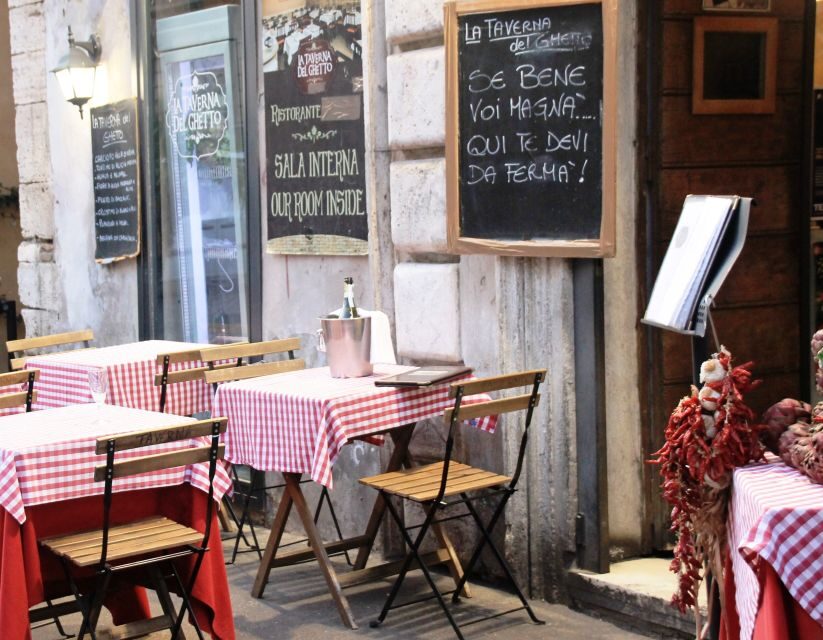
A big part of the experience is how it feels when you’re seated. The best-case scenario sounds wonderful: one past guest highlighted their waiter Massimo as cheerful and authentic, and described a birthday serenade that even led other diners in the space to sing and clap. That’s not something you want to hope for blindly, but it’s a good sign. When a restaurant staff member treats the table like it matters, your meal can feel like an event rather than a transaction.
Service quality also comes up positively in other feedback, including praise for welcoming staff and food that felt genuinely good. When the staff is warm and the kitchen is consistent, a small-group dining format is exactly what you want.
But I’d rather you go in with your eyes open. There are also negative reports that the dinner felt touristy and commercial, with English-speaking diners everywhere and waiters trying to pull in passersby. One guest said the food was mediocre and that the experience felt generic for the price, with little real guide interaction. Another reported a no-show issue and said they were not refunded, though that’s a rare-but-serious concern.
So what’s the balanced takeaway? If you want a relaxed meal where the key ingredient is good Roman food, you’re likely to enjoy it. If you want a guided, social, story-driven group dinner, you should not expect that to be the main focus.
What the included menu tells you about the restaurant’s style
Even without a long explanation session, the menu choices signal what the kitchen thinks is important:
- Roman classics as the backbone: Amatriciana and Carbonara are Roman shorthand for heart-and-sauce satisfaction.
- Ghetto-linked ingredients as a signature: the Jewish-style artichoke is a clear identity marker.
- Home-style dessert finish: ricotta and sour cherry crostata feels like the kind of dessert a place makes to keep guests coming back.
That combination is why this works for people who want “real Italy” in a way that is easy to execute. You don’t need to study menus. You just follow the flow, eat what’s selected, and enjoy the restaurant’s version of Roman cooking.
Who this suits best (and who should skip it)
This experience is a good fit if:
- You want a 3-course Roman meal without decision fatigue
- You like the idea of trying Jewish-style artichoke
- You prefer a smaller group (up to 10) and a relaxed pace
- You’re happy to let the restaurant be the focus rather than expecting a heavy guide program
You might skip it if:
- You’re specifically hunting for a guided, very social group experience with lots of interaction
- You need an accessibility-friendly route and seating arrangement (it is not listed as suitable for mobility impairments)
- You are extremely sensitive to the risk of a rare operational issue like a no-show (it has appeared in feedback)
Practical tips to get the most from your meal

A few small choices can improve the whole experience:
- Eat it when you’re hungry. A 3-course dinner in Rome can be a full event, not a light snack.
- Decide your pasta based on sauce appetite. If you love bold, go Amatriciana. If you want comfort and creaminess, Carbonara. If you want something more meat-sauce classic, Tagliolino al ragù.
- Sip your included wine slowly. You’re getting 250 ml, so treat it like part of the pairing, not a free-for-all.
- If you’re celebrating something, it can be worth mentioning to staff. One guest described a birthday serenade, which hints that the restaurant may respond to special occasions.
Should you book this Roman lunch or dinner at La Taverna del Ghetto?
Yes, if your goal is simple: you want a well-paced Roman meal with a neighborhood identity, in a small setting, with the drinks handled. The included structure—starter plus one of three Roman pasta choices plus dessert—makes it good value at $45, especially because wine, water, and espresso are part of the package. The best reviews also point to genuinely warm service, with staff members like Massimo leaving strong memories.
I’d think twice if you need a guide-led cultural program or heavy group interaction. Since the experience is centered on dining, not narration, you’ll want to match your expectations to a restaurant evening.
If you book, go in hungry, stay flexible about atmosphere, and treat this as a chance to eat Roman food where the menu quietly carries the neighborhood’s flavors.
FAQ
Where do we meet?
You meet at the restaurant La Taverna del Ghetto, as indicated on the map.
How long is the meal experience?
The experience lasts 2 hours.
What is included with the meal?
It includes a 3-course meal (as indicated for lunch or dinner), 250 ml of red wine, 500 ml of mineral water, and 1 espresso.
What food will I eat?
You start with one of the listed appetizers (including options with Jewish-style artichoke), then choose one pasta course (Tagliolino al ragù, all’Amatriciana, or Spaghettone alla Carbonara), and finish with Crostata di ricotta e visciole.
Is it held rain or shine?
Yes, it takes place rain or shine.
Is it suitable for people with mobility impairments?
No, it is not suitable for people with mobility impairments.