REVIEW · ROME
Rome: Jewish Ghetto and Trastevere Tour
Book on GetYourGuide →Operated by City Stories Tours · Bookable on GetYourGuide
Two Rome neighborhoods, one connected story.
This Jewish Ghetto and Trastevere tour is built around the way streets link across centuries: you start near ancient ruins, then move into the Ghetto’s cobbled lanes, cross the Tiber area, and end in Trastevere’s slower, old-Rome mood. What I love most is the story-first guiding style. Guides bring the places to life with clear English, strong pacing, and the kind of humor that keeps heavy topics bearable. You also get a practical walking loop—short stops where you can actually hear the point—then longer wandering time where you can look, breathe, and connect the dots.
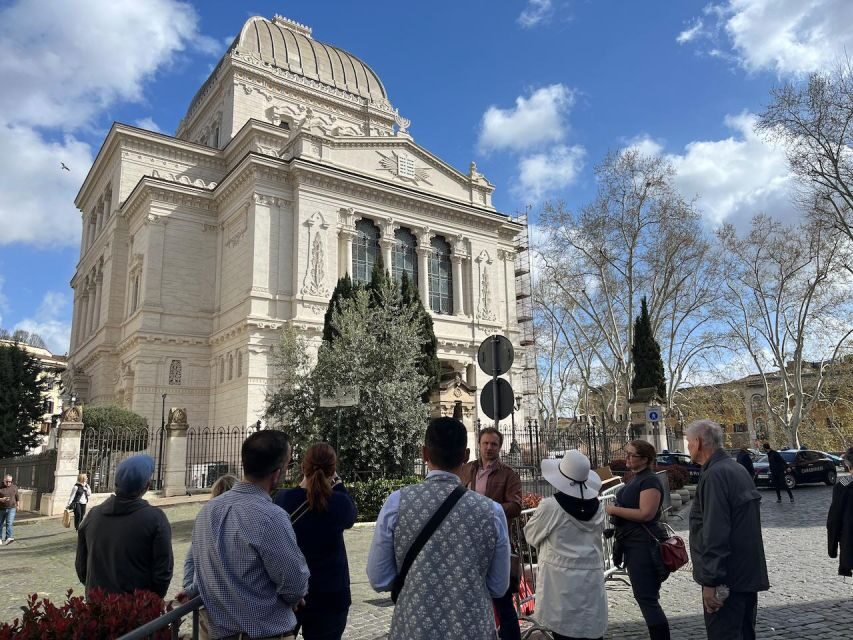
One heads-up: you see the synagogue from the outside, not inside.
And because it runs rain or shine, you’ll want shoes that handle uneven ground and a light layer or umbrella depending on the day. If you want maximum indoor access, this format may feel limiting, but for most people it’s a smart way to understand the neighborhood’s story on foot.
In This Review
- Key things that make this tour work
- Finding the Walk at Santa Rita da Cascia in Campitelli
- Why You Begin Near Theatre of Marcellus and Portico d’Ottavia
- Jewish Ghetto Streets: Resilience, rules, and human stories
- Piazza Mattei: A quick reset inside the Ghetto loop
- Tiber Island: Small land, big meaning for Rome
- Trastevere’s narrow alleys and Santa Maria in Trastevere
- Piazza Trilussa finish: Use the location well
- Price and value: $35 for 2.5 hours of guided storytelling
- Who should book this tour
- Should you book the Rome Jewish Ghetto and Trastevere stroll?
- FAQ
- How long is the tour?
- Where does the tour start and end?
- Is the tour in English?
- What do I need to bring?
- Is food included?
- Do we enter the synagogue?
- What is the weather policy?
Key things that make this tour work
- English storytelling that stays easy to follow, with guides like Alithia, Guido, and Ben named by past guests
- A route with real transitions: Jewish Ghetto → Tiber Island → Trastevere, with the Tiber as the hinge
- Focused, staged stops (Marcellus, Portico d’Ottavia, Piazza Mattei) instead of one long lecture
- Outside-only synagogue views, so the emphasis stays on streets, context, and what still shapes the area
- A relaxed break and gelato/cafe option to keep the afternoon from feeling all heavy all the time
Finding the Walk at Santa Rita da Cascia in Campitelli
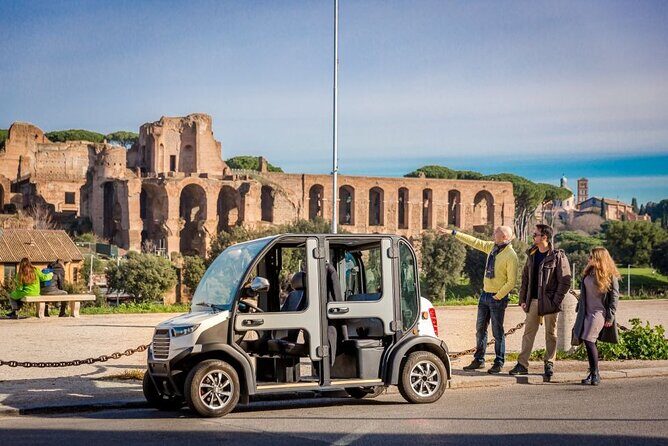
You meet outside Santa Rita da Cascia in Campitelli, in Via Montanara, by Antico Caffè del Teatro Marcello. The simple goal here is to get oriented fast: once you spot the sign for Jewish Ghetto & Trastevere Stroll, you can relax and focus on listening.
Arriving about 10 minutes early matters. The tour won’t reliably wait for latecomers, so you’ll avoid that awkward stress of trying to catch up while others are already walking.
Comfort counts on this one. You’ll be on cobblestones and narrow sidewalks, so wear shoes you can actually stand in for a while. This is also a good tour to bring a small bottle of water in summer since it can run warm.
You can also read our reviews of more tours and experiences in Rome.



Why You Begin Near Theatre of Marcellus and Portico d’Ottavia
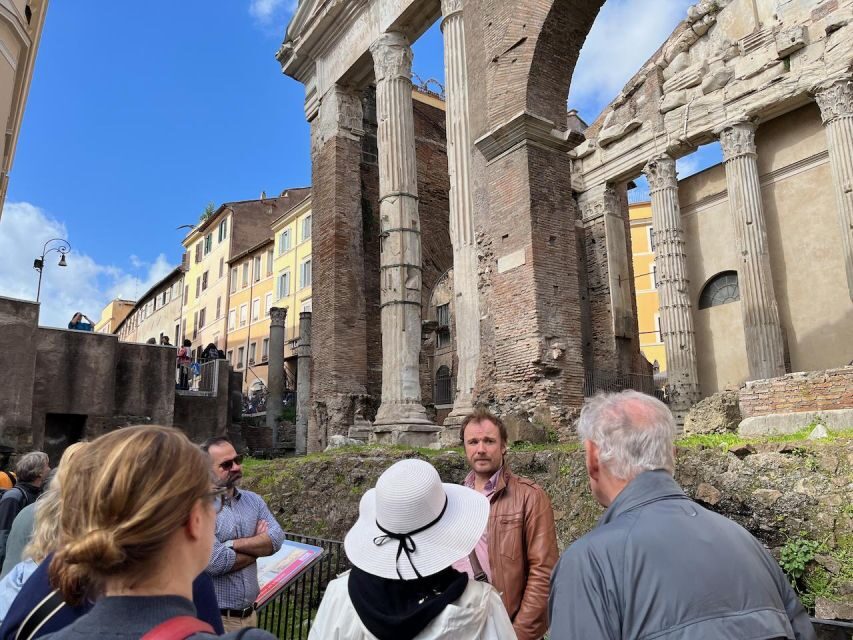
Before the Jewish Ghetto, the route briefly steps into the wider ancient-Rome setting around the Theatre of Marcellus and the Portico d’Ottavia. These quick stops are more than “look at this old thing” moments. They help you understand how the city’s layers stack: the neighborhoods you’ll walk through later didn’t appear in a vacuum.
The time here is short—just enough to set the tone. That’s a good choice for a 2.5-hour stroll because it prevents the tour from starting too slow or too academic. You’re moving toward the Ghetto while your brain is still warmed up to Roman scale and city geography.
Jewish Ghetto Streets: Resilience, rules, and human stories
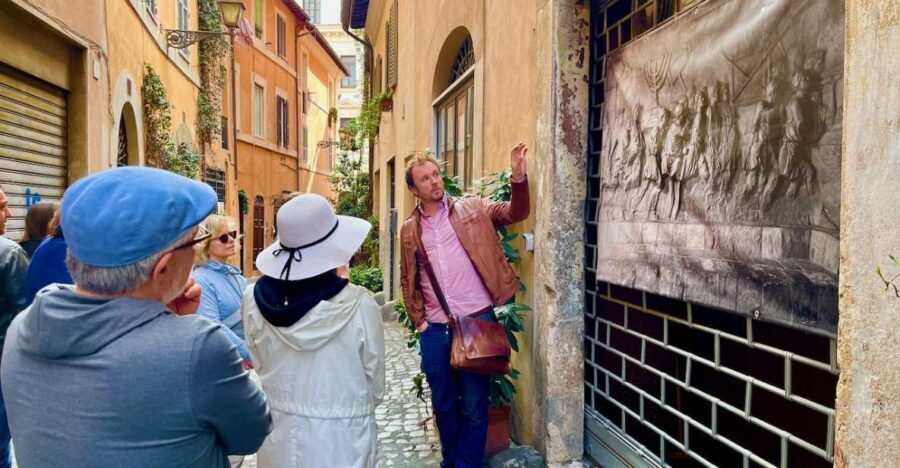
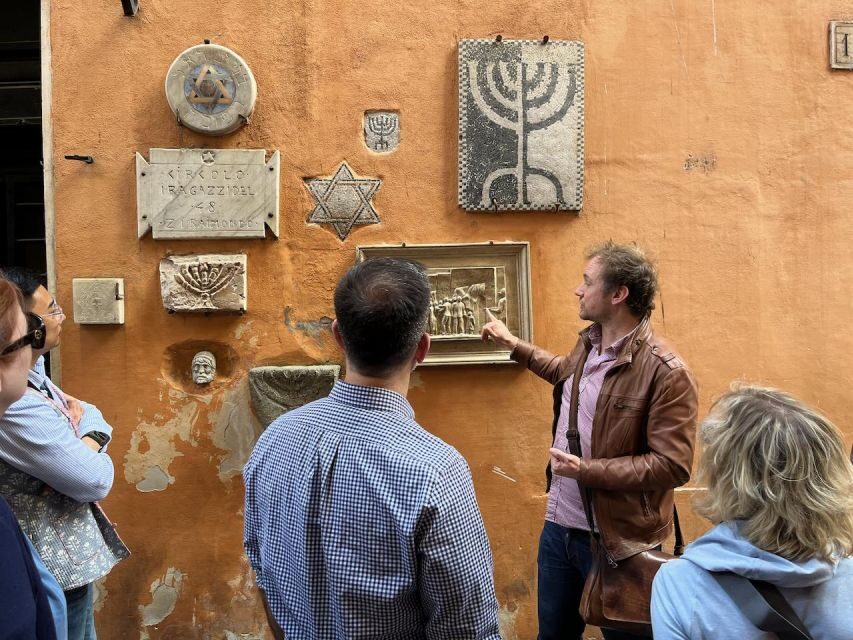
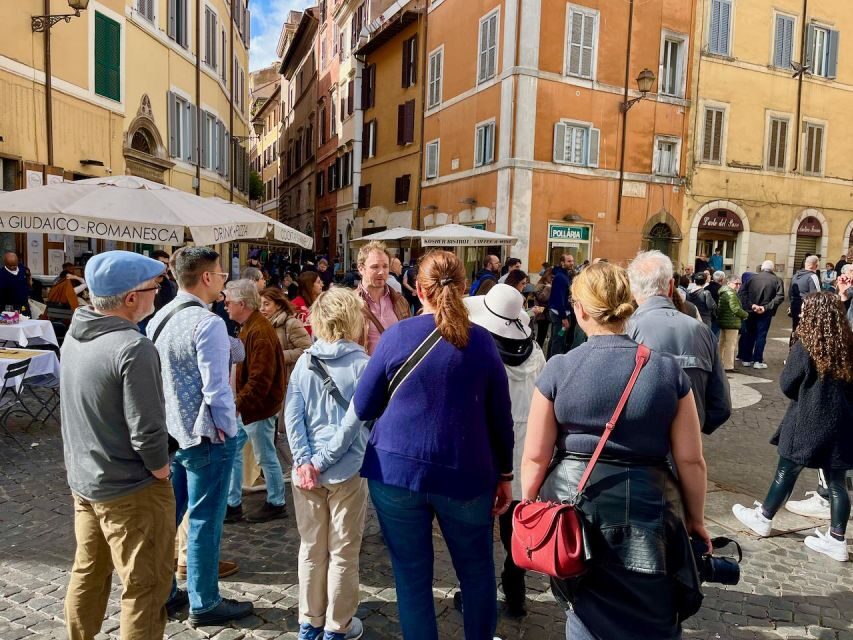
The heart of the tour is the Jewish Ghetto. Here, you’ll walk winding, cobblestone streets and hear the stories that explain how the Jewish community endured and adapted through changing eras. This part is designed for people who want more than a marker-and-photo visit.
What makes this segment special is the way the guiding style matches the subject. The narrative isn’t only dates and structures. It’s about people—hard chapters, resilience, and the reality that Rome’s history isn’t one smooth line. Past participants often highlight how guides handle this material with both seriousness and emotional balance, keeping the pace lively while still respectful.
You’ll also notice the tour doesn’t treat the Ghetto as one single point. It returns to the neighborhood in stages, which helps you see it as a place shaped by multiple layers rather than a single “area to view.” In practical terms, this approach also helps your feet, because you get a rhythm: short guided chunks, then room to look around.
A consideration: the topic can be emotionally heavy. If you prefer cheerful sightseeing only, you may find parts of the Ghetto discussion intense. If you’re open-minded, though, it’s often one of the most meaningful parts of Rome—not because it’s grim, but because the story includes courage and survival.
Piazza Mattei: A quick reset inside the Ghetto loop
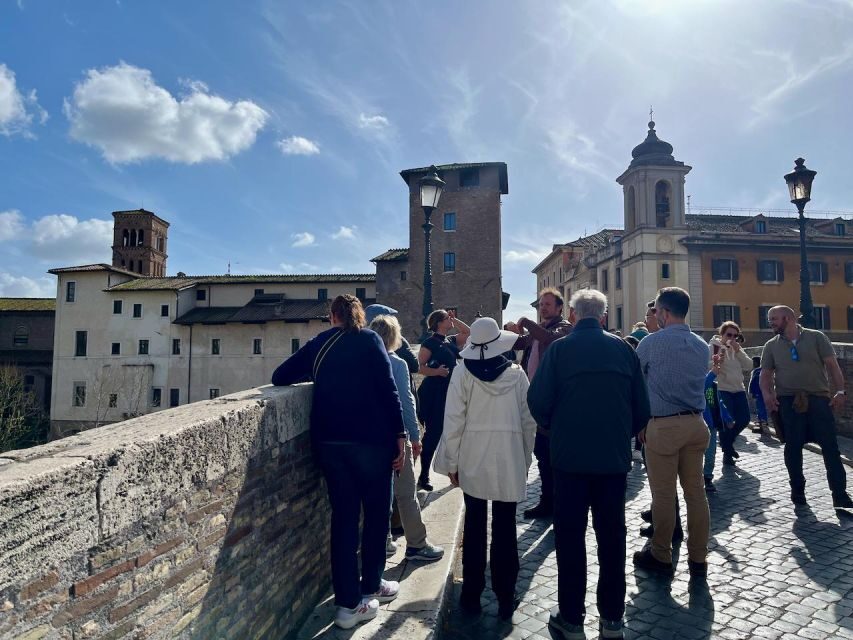
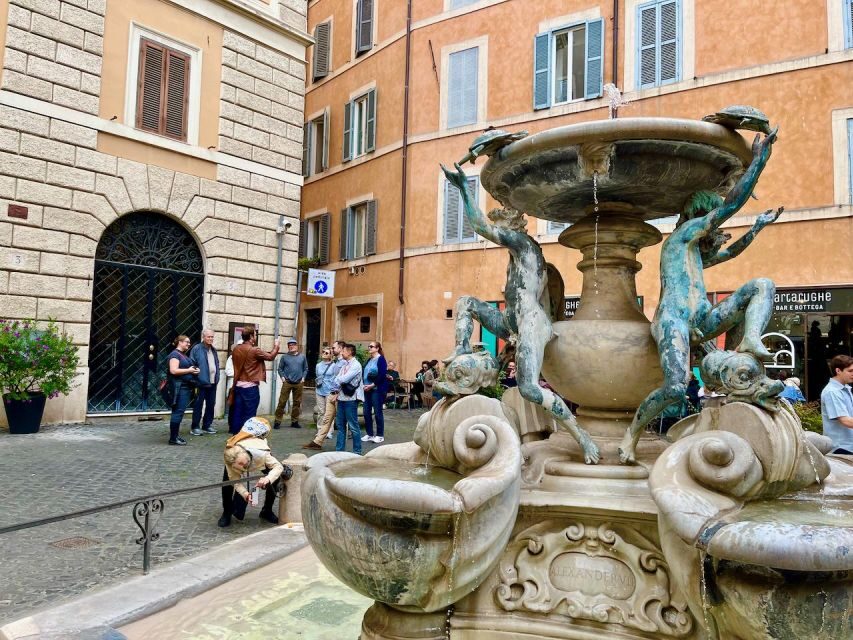
After you’ve walked through the early Ghetto stretch, the route includes Piazza Mattei for a guided stop. Even though this segment is brief, it serves a key function: it gives you a mental landmark inside the walk.
Think of it as a way to re-map what you just heard. You’ll get a guided moment that ties the street-level details back to the bigger picture—how the neighborhood fits into Rome’s wider movement and why people historically cared about this zone.
Short pauses like this are a real value in a small, walking-focused tour. Instead of forcing you to remember everything as you go, it gives you a few anchored points that make later comparisons easier (especially when the route crosses toward Trastevere).
Tiber Island: Small land, big meaning for Rome
Then you move to Tiber Island, with a guided stop there plus time to take a breath. Even though the island is small, the tour treats it as significant—because it’s the kind of place where Rome’s city logic becomes visible. It’s a hinge in the story, not just a scenic detour.
The built-in break is smart. After cobbled streets and back-to-back guided stops, you’ll likely want a breather where you can reset your attention before the Trastevere segment. If you’re traveling with anyone who gets tired on long history walks, this pause helps.
You’ll also like how the tour uses the island to connect the two neighborhoods. The goal isn’t to say Trastevere and the Ghetto were identical. It’s to show how different areas can be linked by the same city forces—movement, governance, culture, and survival.



Trastevere’s narrow alleys and Santa Maria in Trastevere
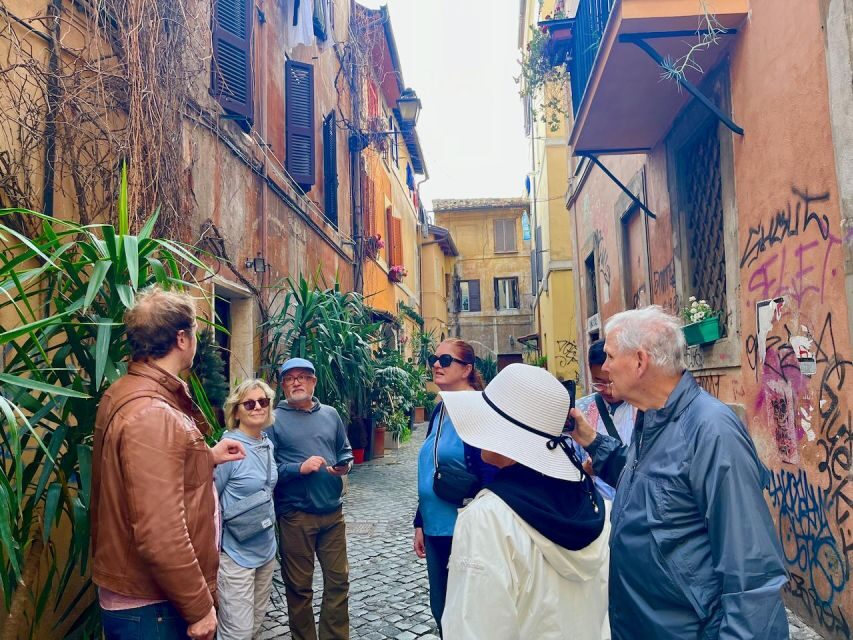
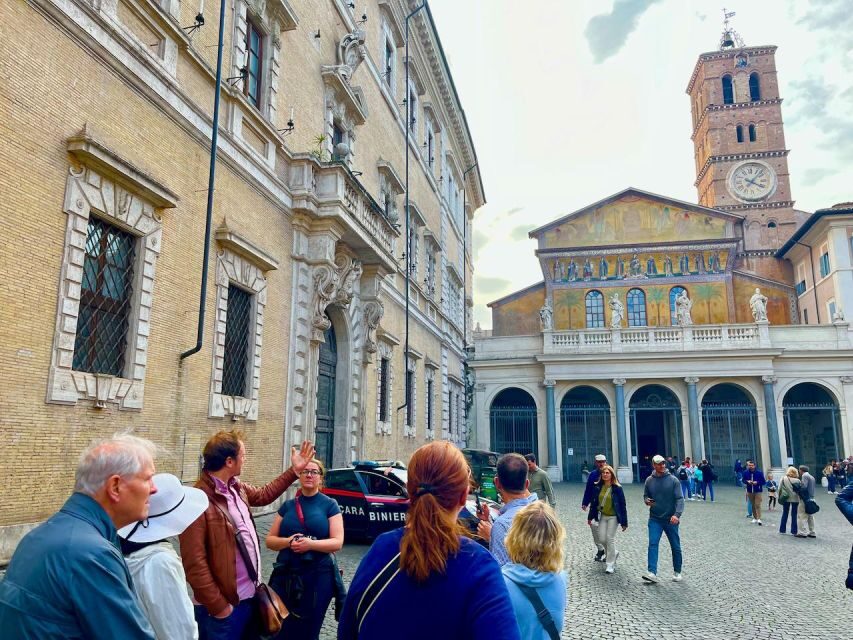
Once you reach Trastevere, the mood shifts. Past visitors often describe it as feeling like time slows down, and that matches the tour’s design. You’ll stroll through narrow lanes lined with old buildings and pass by centuries-old churches, including a stop at Santa Maria in Trastevere.
This part of the tour works well because the guiding doesn’t throw you from one topic into another at random. Instead, it keeps the thread: you’re still hearing about how history shaped daily life and how the neighborhoods’ identities connect.
Also, you’ll likely enjoy the pace. The Trastevere segment includes multiple guided moments plus walking time, so you get both the context and the atmosphere. It’s one of the best sections of the day to take photos without feeling like a camera patrol, because the streets are meant to be noticed slowly.
If you like architecture and street texture, this segment rewards you. Just don’t forget the practical side: narrow streets mean more curves, more stop-and-start, and more uneven footing in spots. Keep your shoes ready.
Piazza Trilussa finish: Use the location well
The tour ends at Piazza Trilussa. That’s a helpful finish because the square is well-positioned for continuing your afternoon on your own. After the walk, you’ll have a clearer sense of what you’re seeing if you wander a bit farther into Trastevere.
If you want an easy plan, pick a nearby spot to eat or have a drink and let the neighborhood settle into your senses. Many guides share suggestions for gelato and cafes, and it can be useful to follow those ideas while the tour thread is still fresh in your mind.
Price and value: $35 for 2.5 hours of guided storytelling

At $35 per person for 2.5 hours, this tour is priced like a solid “experience per hour” deal. You’re not paying for a bus ride or museum ticket. You’re paying for a skilled guide who can stitch together a complicated topic in a way you can follow while walking.
Value here also comes from what’s included versus not included:
- Included: expert storytelling guide (live, English)
- Not included: food/drink, though an optional stop is made at a gelateria/cafe
- Synagogue: seen from the outside, not entered
So if you’re the type who likes a history narrative plus neighborhood strolling, the price makes sense. If you’re expecting lots of interior admissions, that’s not the format. But you are getting a concentrated walkthrough of two major Rome areas tied together by theme and location.
Who should book this tour
This is a strong pick if you:
- Want a clear walking route with story-driven guidance instead of a pile of disconnected facts
- Prefer seeing neighborhoods at street level, including cobblestones and church exteriors
- Are okay with learning hard history as part of a balanced Rome picture
- Like guides who use humor and pacing (people often mention guides such as Alithia, Guido, Ariel, and Ben for making the stories easy to track)
It’s also a good “second-day” tour in Rome. By then, you’ve usually started to feel the city’s layout, and the links between areas start clicking faster.
Should you book the Rome Jewish Ghetto and Trastevere stroll?
Book it if you want the kind of Rome tour that helps you understand the city’s structure, not just photograph it. The route is compact, the guiding style gets high marks for clarity, and the story connection between the Jewish Ghetto and Trastevere gives you more than two separate neighborhood visits.
Skip it only if you mainly want synagogue interior access or you dislike emotionally serious history topics. Otherwise, $35 for a 2.5-hour guided walk that moves from ancient setting to Ghetto streets to Trastevere’s older streets is a practical, very worth-it way to spend an afternoon.
FAQ
How long is the tour?
The tour lasts 2.5 hours.
Where does the tour start and end?
It starts outside Santa Rita da Cascia in Campitelli (Via Montanara, next to Antico Caffè del Teatro Marcello) and ends at Piazza Trilussa.
Is the tour in English?
Yes. The tour is offered in English.
What do I need to bring?
Bring comfortable shoes and plan for the weather. In summer, bring a water bottle (fountains are available for refills).
Is food included?
Food and drink are not included. There’s an optional stop at a gelateria/cafe.
Do we enter the synagogue?
No. The synagogue is only seen from the outside.
What is the weather policy?
The tour runs rain or shine, so come prepared with appropriate protection.