REVIEW · COLOSSEUM TOURS
Rome: Guided Tour of Colosseum Arena with Roman Forum Entrance
Book on Viator →Operated by TOURIKS · Bookable on Viator
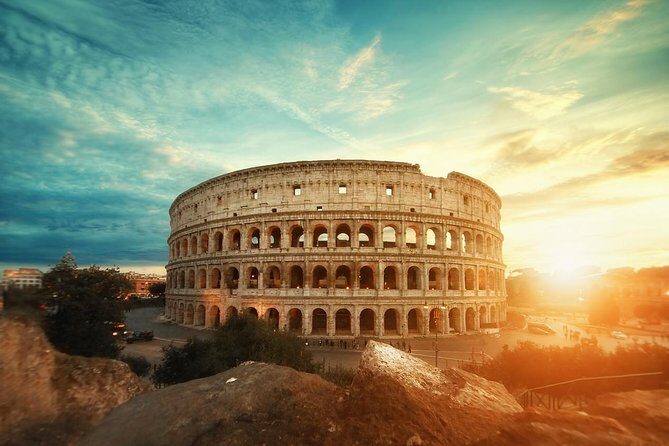
The Colosseum is loud with history.
What makes this tour worth it is that you don’t just look up at the seats—you get arena-floor access and you learn what you’re actually seeing. The guide-led part is also built for clarity, using sterilized earphones, and you’ll hear clean explanations from guides like Bogdan, Marco, and Gabriele, who are repeatedly praised for solid English and a good pace.
The big consideration is timing. After the guided Colosseum portion, you’re on your own for the Roman Forum and Palatine Hill, so if your Colosseum visit runs long or you’re slower with security and photos, you may feel rushed.
In This Review
- Key Takeaways Before You Go
- Why the Colosseum Arena Floor Changes Everything
- Meeting at Piazza del Colosseo and Handling Security
- Inside the Colosseum: Porta Libitinaria and Gladiator-Era Tech
- Roman Forum and Palatine Hill: What You Get After the Guide Ends
- How Much Time This Really Takes (and How to Plan Your Day)
- Price Value: What $107.68 Is Buying You
- Private Upgrade Option: When One-on-One Matters
- Who This Tour Fits Best
- Should You Book This Colosseum Arena Tour?
- FAQ
- Do I get a guide at the Roman Forum and Palatine Hill?
- What’s included with the Colosseum ticket?
- How early should I arrive at the meeting point?
- What documents do I need for entry?
- Are there restrictions on bags or drinks?
- How far ahead can I cancel for a full refund?
Key Takeaways Before You Go
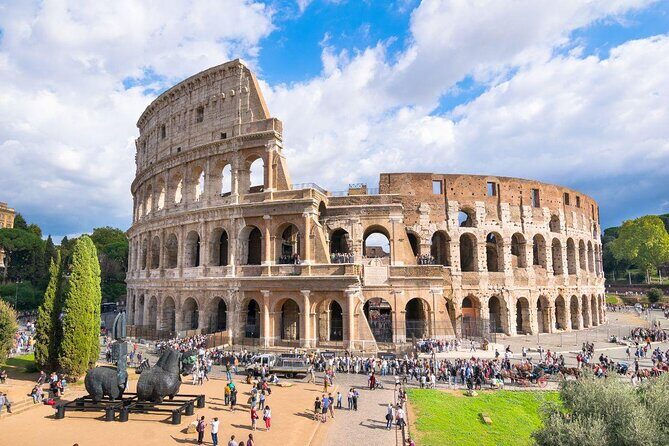
- Arena-floor entry lets you walk routes standard ticket holders usually miss
- Sterilized earphones make the guide’s narration easy to follow in a busy site
- Porta Libitinaria and gladiator-era logistics give the Colosseum a backstage context
- Forum and Palatine Hill are self-guided after the tour ends (bring your walking shoes and patience)
- Small group size (max 25) helps keep the pace from turning into a shuffle
Why the Colosseum Arena Floor Changes Everything
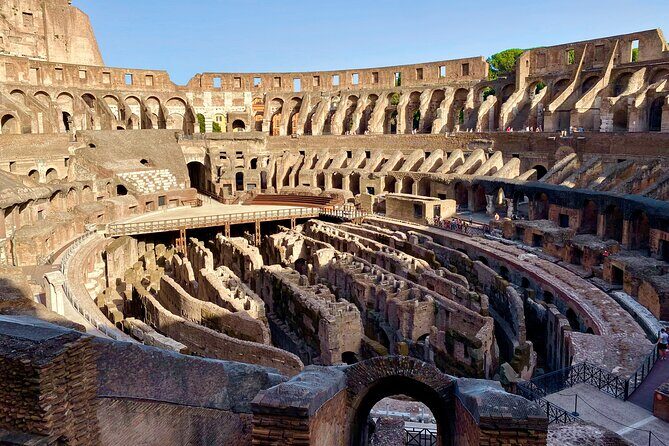
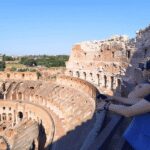
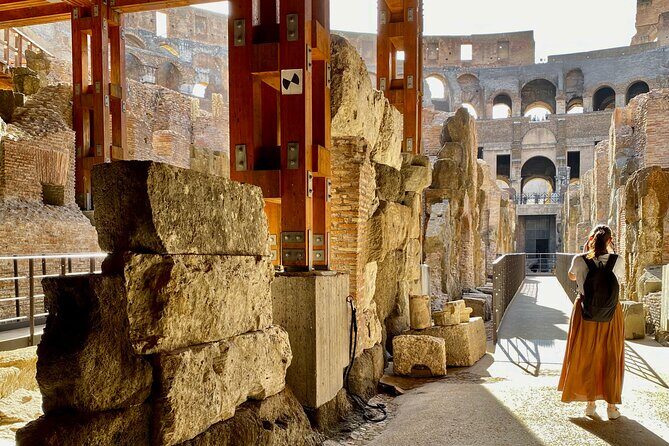
If your mental picture of the Colosseum is just rows of stone seats, this is the upgrade. The arena floor is where the monument stops being a postcard and starts feeling like a working space. This tour’s Colosseum segment includes entry that takes you directly onto the arena area, with a route tied to what happened during games.
One detail I really like: you walk in the arena through Porta Libitinaria, the famous gate associated with the darker side of gladiatorial events. That single stop helps you understand the building as an engine, not just a ruin. You also learn about behind-the-scenes logistics and the tech Romans used to run the spectacle.
And you don’t have to piece it together alone. This is a guided experience with live commentary, and the guide factor matters. In the feedback I reviewed, names such as Marco, Samuel, Elena, and Francesca come up for making the explanations clear and entertaining—exactly what you want when you’re standing in one of the world’s busiest archaeology sites.
You can also read our reviews of more guided tours in Rome

Meeting at Piazza del Colosseo and Handling Security
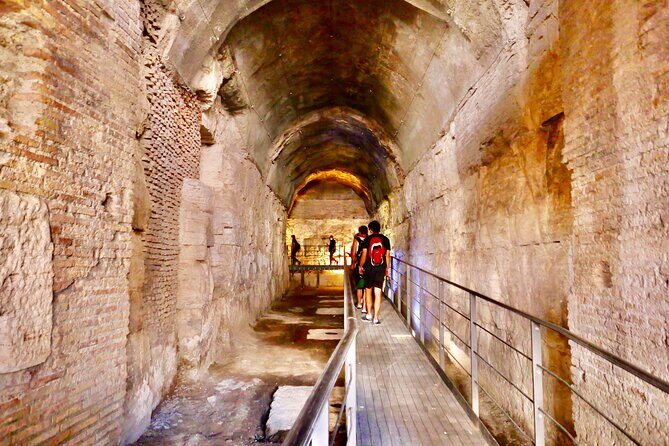
This tour starts at Piazza del Colosseo, 21, and it ends inside the Colosseum. Plan to arrive 30 minutes early to check in and finish the on-site signup steps. The reason is simple: you’ll still have to go through strict security checks before you reach the main areas.
Here’s what you should treat like a checklist:
- Bring a valid passport or ID that matches the full names provided at booking
- Expect to show documents at the ticket office; if names don’t match, entry can be denied
- Know that trolleys and large backpacks aren’t allowed, and you also can’t bring glass/metal bottles or sprays
- Pets aren’t permitted, but service animals are allowed
- Drones and knives are strictly forbidden
The tour duration is short, so security delays can feel bigger than you expect. If you hate arriving stressed, this is where you buy yourself peace: show up early, travel light, and keep your documents ready.
Inside the Colosseum: Porta Libitinaria and Gladiator-Era Tech
The guided portion runs about 1 hour to 1 hour 15 minutes and begins with a dedicated entrance route into the arena area. That entrance approach is part of the value. It reduces the time you spend wandering and figuring things out, and it gets you to the high-impact parts faster.
Once you’re inside, the guide focuses on what makes the Colosseum engineering work:
- Innovative building techniques Roman engineers used to shape the space
- How the venue was organized so events could run smoothly
- The behind-the-scenes feel of walking the same kinds of steps gladiators would have known
Porta Libitinaria is the standout moment for many people because it adds narrative weight. It’s not just “a door.” It’s a cue that this place had systems for movement, staging, and the unpleasant realities of spectacle. When your guide draws a clear line between architecture and action, the arena becomes much more understandable.
I also like that the tour uses sterilized earphones. At the Colosseum, it’s hard to hear a guide when other groups are talking, moving, or filming. Clear audio helps the pace stay comfortable instead of turning into “what did they say?”
Roman Forum and Palatine Hill: What You Get After the Guide Ends
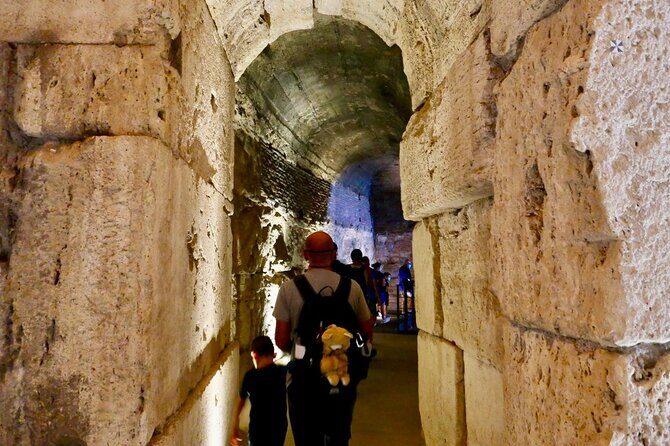
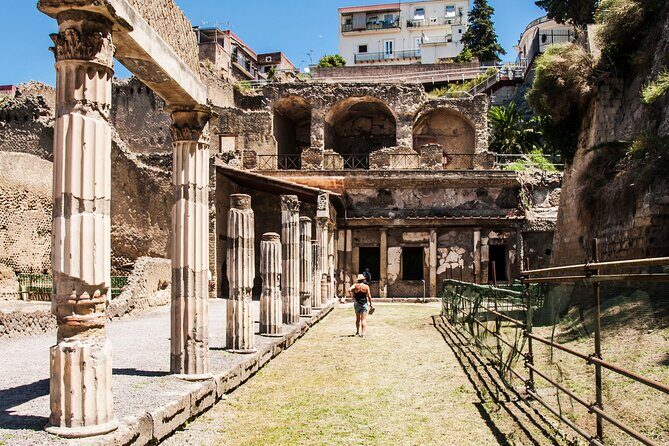
After the Colosseum tour, you get free time to visit the archaeological area of the Roman Forums and Palatine Hill on your own. The key thing: there is no guide for this part. So this works best if you’re happy reading interpretive signs, using your phone for quick context, and moving at your own rhythm.
What you can expect during that self-guided time:
- Temples and ruins that show how the Forum functioned as a political heart
- A walk through a landscape linked to emperors and senators
- Views over the Colosseum from Palatine Hill, including the area connected to the Romulus and Remus legend
One practical tip: treat this like two mini-missions. Give yourself a target for the Forum—like finding a main viewpoint and then moving on—and then save your energy for Palatine Hill views. If you try to do everything with zero plan, you’ll end up cramming, especially on days when the site is crowded.
How Much Time This Really Takes (and How to Plan Your Day)
The structure is simple: a guided Colosseum segment first, then self-guided time after. The Colosseum portion is about an hour, and the Forum/Palatine access is included with your ticket, but the tour stops being guided once you finish the Colosseum highlight route.
That matters for scheduling. If you’ve got another timed appointment later in the day, you’ll want a buffer. The Forum and Palatine Hill areas have their own entry flow and visitor bottlenecks. Even if your ticket is valid, being late can still mean you lose time inside.
Also note the group size: up to 25 people. That’s large enough to feel lively, but small enough that you’re not stuck in a massive herd the whole time. You’ll still want to stay close to your guide during the arena portion, because that’s where restricted entry and tight movement matter most.
If you’re doing other Rome classics the same day (Vatican, Sistine Chapel, etc.), pick a buffer window before and after. This is not a slow museum stroll. It’s a focused, high-visibility tour.

Price Value: What $107.68 Is Buying You
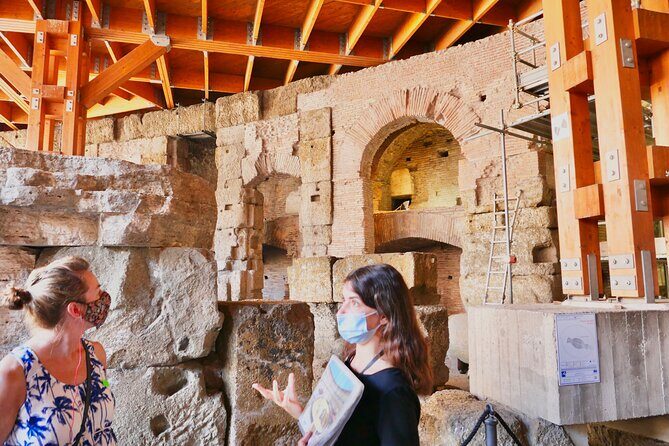
At $107.68 per person, you’re paying for a short, high-impact experience. The included itemized value is listed as €24 per person for the Colosseum ticket with arena access plus a €2 reservation fee. The rest of what you pay covers the on-the-ground services: the guide, the special entrance arrangement tied to the arena access, sterilized earphones, and assistance while you’re at the site.
So the real question isn’t just the ticket cost. It’s whether the arena-floor experience plus expert interpretation is worth paying more than a basic entry ticket. For me, the answer is yes when you care about context. Standing on the arena floor without a guide means you might spot the big stuff (like the seating), but you miss how the space functioned.
And the price starts to look even more reasonable if you’re traveling in a group and the tour offers group discounts. It’s also offered in English, which helps if you want your questions answered clearly while you’re standing in the middle of the history.
One more value angle: this tour ends inside the Colosseum. That’s a small logistical win. You’re not forced to turn around and retrace your steps in a crowded area.
Private Upgrade Option: When One-on-One Matters
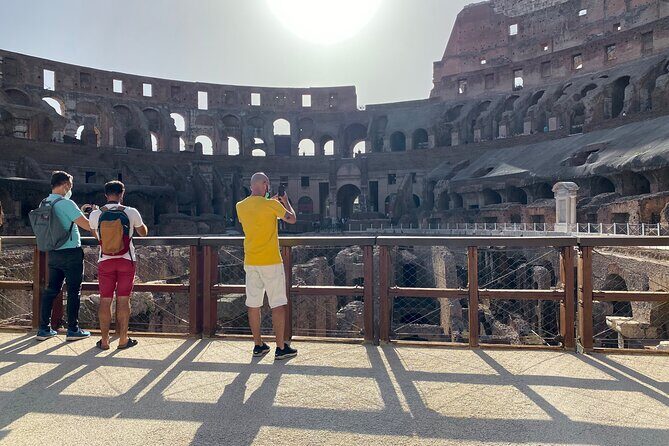
If you like your tours with more question time and less moving as a group, there’s an upgrade to a private tour. You might consider it if:
- Your group has specific interests (engineering, Roman politics, gladiatorial culture)
- You want pacing that doesn’t depend on the crowd
- You’re traveling with older kids or someone who needs extra stops for photos or accessibility breaks
Private tours can also help with the “self-guided” portion. While the Forum and Palatine Hill portion is described as unguided in the standard plan, a private option may be better aligned with how you want to experience those ruins.
Who This Tour Fits Best
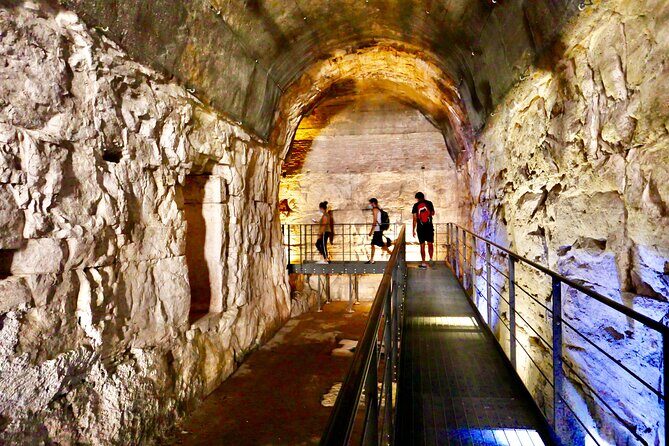
This experience is a strong match if you want:
- Arena-floor access and an explanation of what you’re seeing
- A guided Colosseum visit that saves you from guessing
- Clear listening support from earphones in a high-noise environment
- A flexible follow-up with Roman Forum and Palatine Hill, where you can move at your own pace
It may be less ideal if you:
- Need a fully guided Roman Forum and Palatine Hill experience (the guide stops after the Colosseum)
- Have a tight schedule later in the day and can’t risk delays from security and crowd flow
- Expect the entire package to feel like a long walking tour with deep pacing throughout (this is structured and time-efficient)
The feedback about guides is also a useful signal. Names such as Bogdan, Marco, Gabriele, Samuel, Elena, Manola, and Lorenzo show up as examples of guides who bring humor and clarity. If you’re choosing this for the guide experience, the odds look good.
Should You Book This Colosseum Arena Tour?
Yes, if your priority is the Colosseum from the inside. The arena-floor access plus guided context is the heart of the value, and it’s exactly what turns this from a “seen it” activity into a “now I get it” visit.
I’d especially recommend it if you’re the type who wants to walk away with specific anchors—like Porta Libitinaria and the practical engineering behind the games—not just general impressions.
Book it with caution only if your itinerary is unusually tight. Because the Roman Forum and Palatine Hill time is self-guided after the tour, you’ll want buffer time and a willingness to explore without a guide standing next to you.
FAQ
Do I get a guide at the Roman Forum and Palatine Hill?
No. The Colosseum part is guided, and then you can visit the Roman Forum and Palatine Hill on your own after the tour ends.
What’s included with the Colosseum ticket?
The experience includes admission to the Colosseum with arena access, plus access through a dedicated entrance arrangement that gets you into the gladiators’ arena area.
How early should I arrive at the meeting point?
You need to be at the meeting point 30 minutes before the tour starts to complete sign-up. Late arrivals can’t be accommodated.
What documents do I need for entry?
You must present a valid passport or ID document that matches the full names provided at booking.
Are there restrictions on bags or drinks?
Yes. Large backpacks and trolleys are not allowed. You also can’t bring glass/metal bottles or sprays.
How far ahead can I cancel for a full refund?
You can cancel up to 7 days in advance for a full refund, based on the experience’s local time.