REVIEW · GUIDED
Rome: Holy Door and the Relics of Christ Guided Tour
Book on GetYourGuide →Operated by Discoverers · Bookable on GetYourGuide
That first sacred step changes the whole walk. This guided Rome experience is built like a pilgrimage through major churches tied to the Christian story, with relic stops that connect art, faith, and history in one focused route. I like how the tour spends real time with each site instead of rushing past names on a wall. And I really appreciate the way you’re guided to specific relics, including the wood of the Nativity and the column connected to the flagellation.
The only thing to consider is that this is religious and historical emphasis from start to finish. If you’re looking for a more general, sightseeing-only approach, the tone may feel heavy. Also, you’ll be walking between churches in a short 2–2.5 hour window, so you’ll need comfortable shoes and patience for quick guided visits.
One practical win: you get a specialized guide plus a radio headset, which helps a lot inside crowded spaces. The group stays small, and in my read of the experience, the guide style matters here. In particular, Cesar (when assigned) is praised for being detailed, attentive, and not making you feel rushed—so you actually get to look and listen.
In This Review
- Key highlights worth planning around
- Why a Holy Door relic tour feels different in Rome
- Price and value: what $45.55 buys you in real time
- Getting started: meeting point choices near Santa Maria Maggiore
- Stop by stop: the relic route that keeps moving
- Basilica of the Holy Cross in Jerusalem: fragments tied to the Crucifixion
- Basilica di San Giovanni in Laterano: a major anchor in the journey
- Scala Sancta (Holy Stairs): tradition built into each marble step
- Santa Prassede: a guided break in the middle
- Basilica Papale di Santa Maria Maggiore: wood of the Nativity and the flagellation column
- What makes the tour experience work: the guide (Cesar) and the pacing
- Practical planning: what to wear and how to fit it into your Rome day
- Who should book this tour (and who should skip it)
- Should you book the Rome Holy Door and Relics of Christ Guided Tour?
- FAQ
- What is the duration of the Rome Holy Door and Relics of Christ tour?
- Where does the tour start?
- What languages are the guided tours offered in?
- What’s included in the tour price?
- Are food or drink included?
- Are there any restrictions I should know about?
Key highlights worth planning around
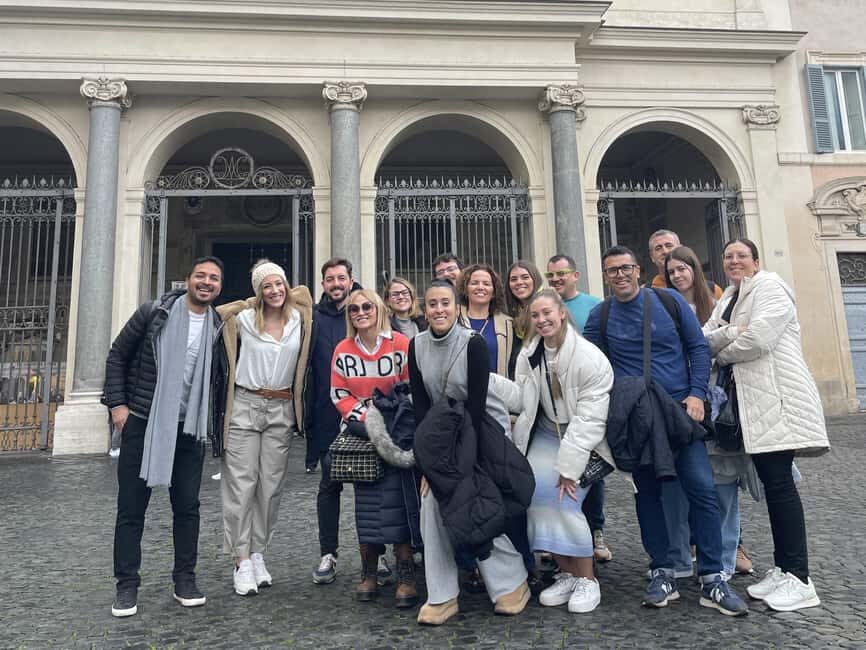
- Relics in one tight route: multiple sacred items linked to Christ’s Passion and birth story.
- Cesar’s guided pacing: detailed explanations with time to appreciate each stop.
- Scala Sancta on the itinerary: the Holy Stairs visit is part of the main flow, not an add-on.
- Headsets included: radio headset helps you follow the story without straining.
- Churches with strong pilgrimage pull: Lateran, Holy Cross sites, and Santa Maria Maggiore all make the cut.
- Small-group feel: designed for a minimum group size, so it’s meant to stay intimate.
Why a Holy Door relic tour feels different in Rome
Rome has church tours everywhere. This one is different because it’s not just about architecture. It’s structured around objects—relics—meant to carry you into the story Christians have repeated for centuries.
The tour’s “Holy Door” framing also nudges your mindset. Even when you’re not staring at the Holy Door itself, the route is clearly planned as a pilgrimage: quiet attention, guided context, and a sense that you’re moving through chapters of the faith rather than ticking off landmarks.
You also get a helpful balance: you’re shown relics, but your guide connects them to what you’re actually seeing in the churches—how sacred tradition and visible art/space reinforce each other. That’s what turns “I saw a church” into “I understood why this place matters.”
You can also read our reviews of more guided tours in Rome

Price and value: what $45.55 buys you in real time
At about $45.55 per person for a 2 to 2.5 hour guided walking tour, the value comes from three things:
First, you’re paying for a specialized guide and not just a self-guided route. Second, you get a radio headset, which can make a big difference when you’re standing indoors and trying to hear explanations. Third, the tour bundles several major sites in one go—starting with a relic visit at the Church of the Holy Cross of Jerusalem area, then moving through key basilicas and chapels, including Scala Sancta and Santa Prassede.
What’s not included is also important for your budget. Food and beverage aren’t included, and entry to any places that require a paid ticket is not included. So if you’re someone who likes to stop for a snack during tours, plan on handling that separately. With that said, for the density of sacred stops packed into a short window, it’s a good deal for a guided experience that actually tells you what you’re looking at.
Getting started: meeting point choices near Santa Maria Maggiore
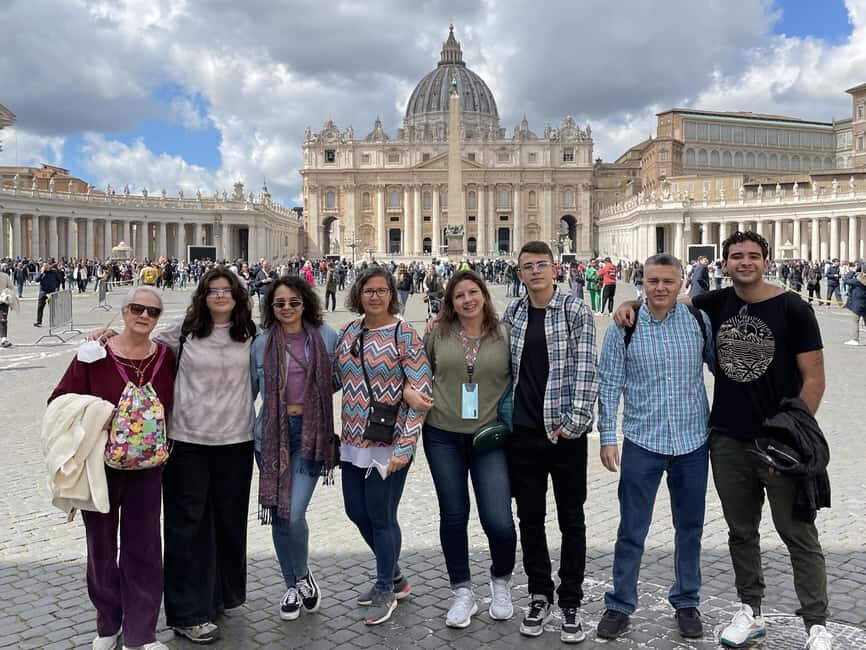
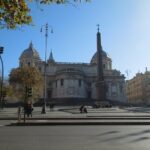
Your meeting point can vary based on the option you book. One listed starting option is Piazza di Santa Maria Maggiore, Coin. From there, the tour begins its pilgrimage at the Church of the Holy Cross of Jerusalem to see the first relic.
That matters because it affects how smoothly your morning (or afternoon) flows. If you’re already near Santa Maria Maggiore, the start point can save you time. If you’re coming from elsewhere, it’s worth double-checking your exact start location when you confirm, since the operator notes that it may vary.
The tour also ends back at the meeting point, with two possible drop-off locations indicated in the tour details. So when you’re planning dinner or your next stop, give yourself a little buffer and don’t schedule something that requires you to be at a very specific exact address.
Stop by stop: the relic route that keeps moving
Here’s how the route is paced, and what each stop likely means for what you’ll notice.
Basilica of the Holy Cross in Jerusalem: fragments tied to the Crucifixion
This is a guided stop (about 30 minutes). The key idea here is that you’ll see fragments of the cross on which Jesus was crucified, shown as part of the Christian relic tradition.
Even if you’ve heard about relics before, I like this type of stop because it turns a concept into something tangible. Your guide’s job is to help you understand what you’re looking at and why the church holds onto it. That’s the difference between “seeing” and “getting it.”
A practical note: a guided visit with a set time can feel short if you’re the type who likes to stand and soak in every visual detail. If that’s you, go with curiosity and listen closely—you’ll still get a strong story in the allotted time.
Basilica di San Giovanni in Laterano: a major anchor in the journey
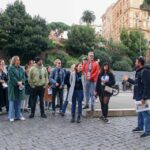
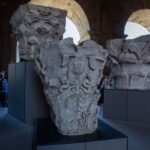
Next is Arch Basilica of St. John Lateran with a visit and guided tour (about 30 minutes). This stop functions like an anchor point in the route. You’re moving through Rome’s heavy-hitting Christian spaces, and the guide helps you connect the sites so it doesn’t feel random.
I find Lateran-style stops work well on a relic itinerary because it’s easier to understand the larger framework of pilgrimage once you’re physically in the biggest “chapter” spaces. If you like order and storyline, you’ll likely enjoy this portion.
Scala Sancta (Holy Stairs): tradition built into each marble step
Scala Sancta is a shorter guided visit (about 15 minutes), but it’s one of the most emotionally charged stops on the route.
The tour specifically highlights the tradition that Jesus climbed the stairs before being judged by Pontius Pilate, and it notes the idea of each marble step as a silent testimony of sacrifice and passion. Whether you approach this with deep faith or historical curiosity, the pacing and the framing change the way you look.
One consideration: fifteen minutes can feel like a sprint at a place that invites silence. So if you want to linger, you’ll have to keep expectations realistic. Treat it like a moment inside a larger pilgrimage, not a long museum session.
Santa Prassede: a guided break in the middle
Santa Prassede is on the route as another guided visit (about 15 minutes). This is a smaller stop compared with the big basilicas, and that’s a good thing. It gives your feet and your attention a breather while still keeping the religious narrative moving forward.
Because your guide is present, you’re not just looking at a church and guessing at what’s important. You get the context that makes a brief visit worthwhile.
If you’re expecting this to be a “pause and wander” moment, plan for a more structured visit instead. The tour keeps the flow tight.
Basilica Papale di Santa Maria Maggiore: wood of the Nativity and the flagellation column
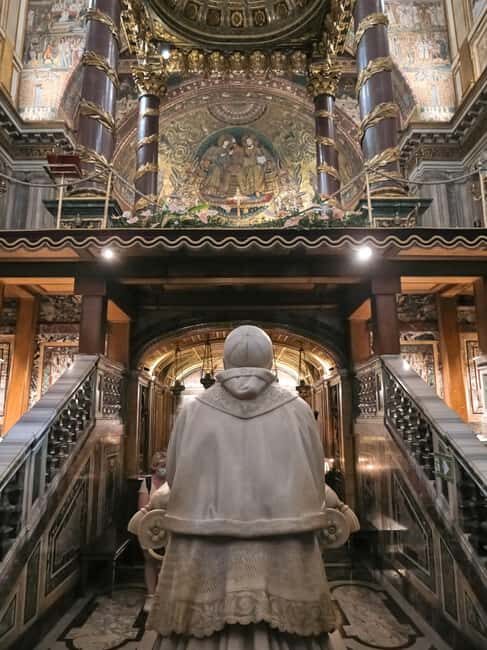
The final church stop in the core itinerary is Basilica Papale di Santa Maria Maggiore with a guided visit (about 30 minutes). The tour notes you’ll appreciate the wood of the cradle of the Nativity here.
It also includes mention of the column of the flagellation, described as a silent witness of Christ’s suffering. In practice, this part of the tour helps you connect birth, suffering, and sacred tradition in one sweep rather than treating them as separate stories.
This is also where I think your guide’s skill shows. Relics can sound abstract until someone helps you understand how the relic tradition is presented in the church space. A good guide doesn’t just name objects. They help you look in the right direction and understand what’s being emphasized.
What makes the tour experience work: the guide (Cesar) and the pacing
The strongest praise centers on the guide, especially Cesar. The feedback I’m taking from the experience is consistent: he’s detailed, interesting, and gives you enough time at each stop so it doesn’t feel rushed. He’s also described as attentive and patient, friendly and entertaining, and someone who asks questions to get to know you.
That last part matters more than it sounds. When a guide asks you questions, you’re more likely to listen for the answers. It turns the tour into a conversation, not a lecture. And because this itinerary is packed with sacred objects and traditions, that conversational energy helps you process what you’re seeing instead of just hearing names.
With Portuguese or Spanish as the tour languages, the guide’s clarity is essential. The inclusion of a radio headset also supports that—so you can hear explanations without having to lean in constantly.
Practical planning: what to wear and how to fit it into your Rome day
For a tour like this, comfort wins. The essentials are simple: comfortable shoes and comfortable clothes. The tour also notes that you need appropriate clothing for entry to the churches, which means you should plan for a respectful dress code even if you’re used to quick sightseeing.
If your day is tight, treat this as a focused block of time. The tour is 2 to 2.5 hours, and each stop includes guided portions, such as 30 minutes at the Holy Cross in Jerusalem and St. John Lateran, 15 minutes at Scala Sancta and Santa Prassede, and another 30 minutes at Santa Maria Maggiore.
Also keep in mind the tour has a minimum group size of 4 people. If that minimum isn’t reached, the tour will be cancelled 24 hours before it starts. That doesn’t mean you shouldn’t book—it just means it’s smart to schedule it as something you can adjust if your plans are flexible.
Who should book this tour (and who should skip it)
I think this works best if you want one of two things:
- A short guided walk that connects religious tradition to the actual places in Rome
- A structured relic itinerary that helps you understand what you’re seeing without needing deep background reading
You might want to think twice if you:
- Prefer a general sightseeing style with lots of free time
- Want purely secular explanations (this route is clearly Christian and historical in emphasis)
- Hate the idea of church dress expectations and standing in quieter indoor spaces
Should you book the Rome Holy Door and Relics of Christ Guided Tour?
If your goal is a guided, story-driven route through major pilgrimage churches—especially with a focus on relics like the wood of the Nativity, fragments of the cross, and the Holy Stairs—then yes, you should book it. The value looks strong because you get a specialized guide, a radio headset, and multiple high-impact stops packed into 2 to 2.5 hours.
I’d book it with confidence if you’re the type who likes your Rome experiences explained and organized. If you’re mainly chasing photos and casual wandering, you may find the fixed guided timing limits your freedom. But if you want a pilgrimage feel with real context, this is the kind of tour that tends to land well.
FAQ
What is the duration of the Rome Holy Door and Relics of Christ tour?
The tour lasts 2 to 2.5 hours, depending on the starting time. You’ll want to check availability to see the exact times offered.
Where does the tour start?
The meeting point can vary depending on the option booked. One listed starting location is Piazza di Santa Maria Maggiore, Coin.
What languages are the guided tours offered in?
The live guide is available in Portuguese and Spanish.
What’s included in the tour price?
Included are the walking tour, a specialized tour guide, and radio headset so you can hear the guide during the visit.
Are food or drink included?
No. Food and beverage are not included.
Are there any restrictions I should know about?
You should bring comfortable shoes and appropriate clothing for entry to churches. Pets are not allowed.