REVIEW · FOOD
Rome Food Tasting with Wine Paring in Trastevere Experience
Book on GetYourGuide →Operated by TVR di Stefano Donghi · Bookable on GetYourGuide
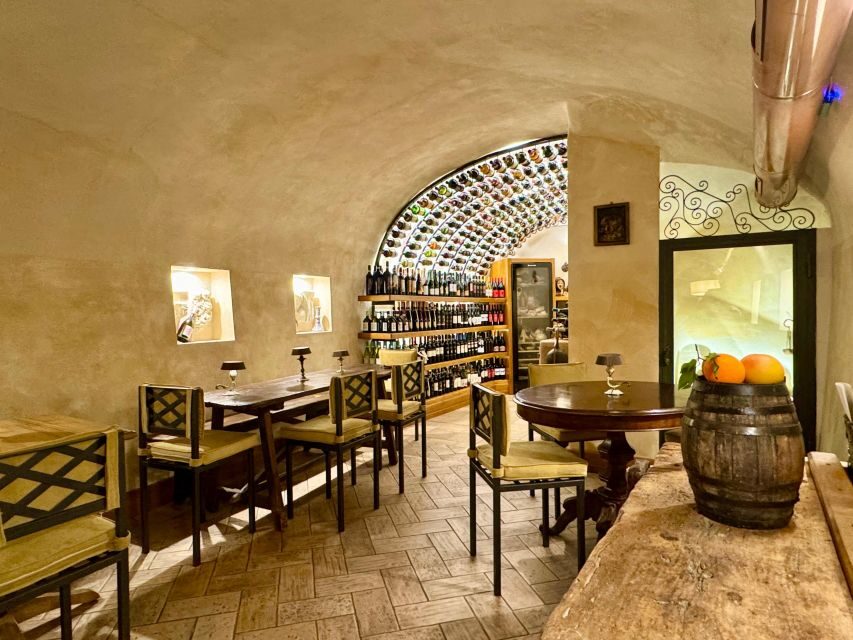
Wine and cheese, under an ancient cistern. Step below street level in Trastevere to a restored 1st-century AD cistern under an 18th-century building, where wine pairings are taught with real care. The whole thing feels intimate, and the setting does half the work for you.
I love how the menu follows Italian regional identity using Slow Food Presidium producers and DOP/IGP labels, not random “tourist plates.” One possible drawback: this experience isn’t a fit for everyone, since it’s not suitable for vegans, wheelchair users, people with diabetes, or anyone with food allergies.
In This Review
- Key highlights at a glance
- Entering Trastevere’s Roman Cistern (and Why It Matters)
- Meeting Point and Getting Oriented Fast
- The 75 Minutes: How the Pace Actually Feels
- The Food Lineup: Cheeses, Cured Meats, Olives, and Roman Pizza
- What you might taste
- Why this lineup is a smart choice
- Wine Pairing That Actually Works (Prosecco First, Then Reds and Whites)
- The Slow Food Presidium Angle: How It Changes What You Taste
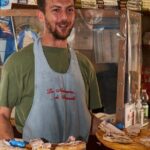
- Learning From Real Guides: Carlotta, Lorenzo, Ginevra, and the Team Energy
- Choosing the Right Tasting Option Without Overpaying
- If you want variety and more wine
- If you want a lighter plan
- If you prefer a more meal-like format
- Timing and Dinner Plans: What to Do After 75 Minutes
- Who Should Book This (and Who Should Skip)
- Price and Value: Is $85 a Fair Deal?
- Should You Book Cantina Fabullus in Trastevere?
- FAQ
- How long is the Rome food tasting with wine pairing?
- Where do we meet for the tasting?
- What’s included in the Classic, De Luxe, and Fabullus tastings?
- Is there a 3-course option?
- Can you accommodate food intolerances?
- Who should avoid booking?
Key highlights at a glance
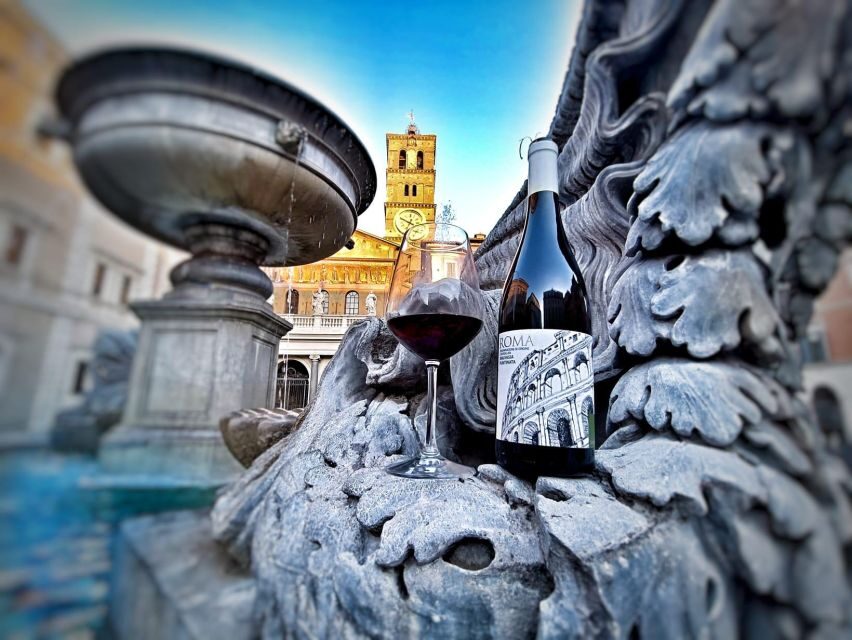
- Underground tasting room restored from a Roman cistern (1st century A.D.)
- Expert guidance from multilingual staff (Italian, English, Spanish, French)
- Slow Food Presidium-focused producers and traditional makers
- Regional food lineup built around DOP/IGP cheeses, cured meats, and olive varieties
- Multiple tasting versions with different wine counts and food courses
Entering Trastevere’s Roman Cistern (and Why It Matters)
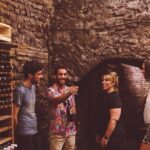
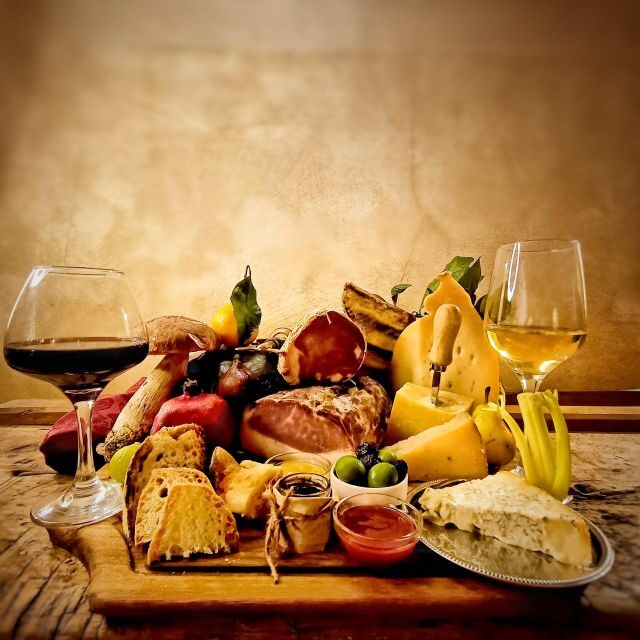
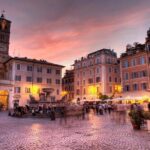
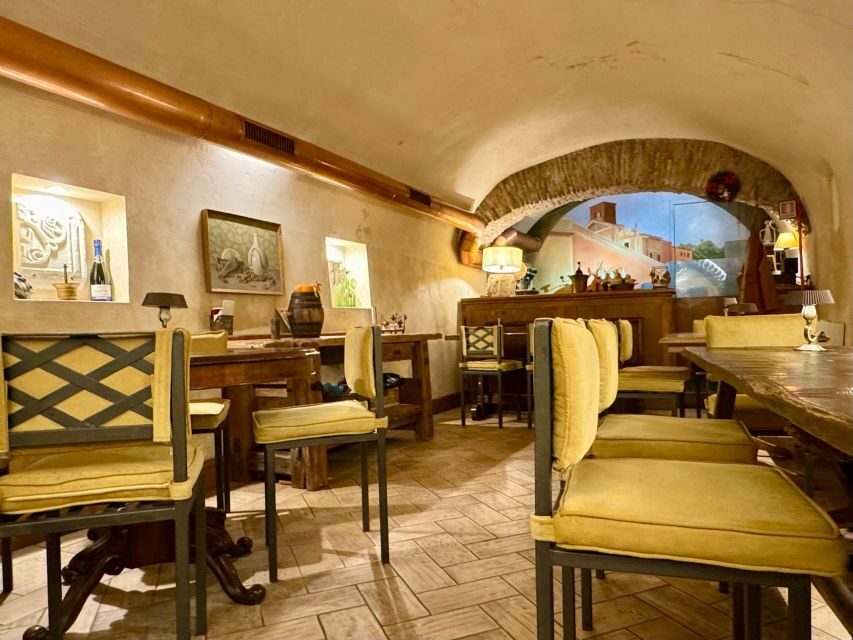
Rome can be loud at street level. This tasting is the opposite. You start in Trastevere, one of the city’s most characterful neighborhoods, then head to Cantina Fabullus—an underground cellar created by restoring a Roman cistern from the 1st century A.D.
The practical value of the setting is simple: it keeps the experience calm and focused. In a regular restaurant, you split attention between conversation, menus, noise, and waiting. Down here, everything is built around the tasting. The room is intimate and atmospheric, with antique pieces chosen to match the space’s age.
And yes, it’s also a good “Rome factor.” You’re not just eating; you’re in a place that makes you slow down. That matters for wine, especially when the staff is pairing by flavor, not by marketing words.
You can also read our reviews of more food & drink experiences in Rome


Meeting Point and Getting Oriented Fast
You’ll meet at the entrance of Hotel Residenza San Calisto, Via dell’Arco di San Calisto 19/20, by the red canopy. When you arrive, ring the bell at the entrance.
A small tip that saves time: use your phone map, but be ready for confusing street angles in Trastevere. One review detail that sounds worth copying—people had trouble finding the exact spot via directions, and a quick phone call helped them get directed. So if you’re a little late or unsure, don’t panic. Ask for help and get your bearings quickly.
Once you’re there, you don’t waste time with logistics. You go straight into the tasting flow.
The 75 Minutes: How the Pace Actually Feels
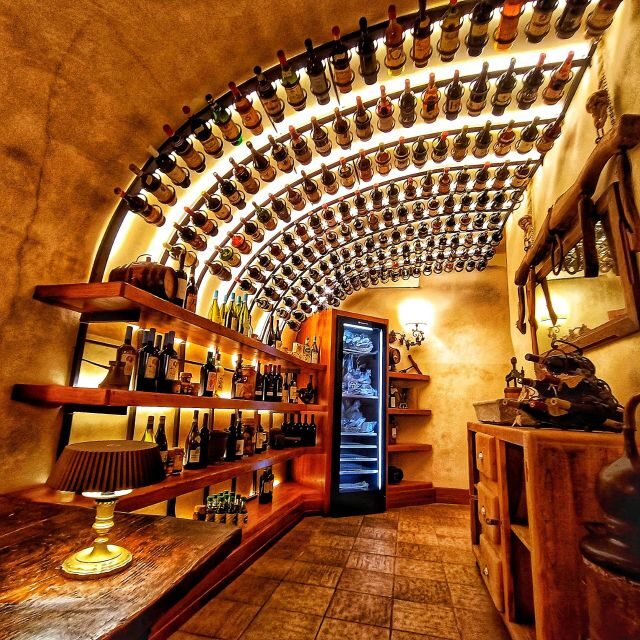
The whole experience runs about 75 minutes. It’s paced like a guided course, not like a casual wine flight where you wander at will. You’ll move through tasting items while the team explains what you’re eating and drinking.
This matters because many wine tastings fail in one of two ways:
1) You get wine-first and food-later (so the pairings feel random).
2) You get food-first with zero structure (so you taste a lot but learn nothing).
Here, it’s designed around balance—food and wine paired as a set, with explanations while you’re still tasting.
Also, this is a private group format. That usually means you get more real back-and-forth and fewer awkward pauses. If you like asking questions (or just want the guide to notice when you’re curious), this setup works well.
The Food Lineup: Cheeses, Cured Meats, Olives, and Roman Pizza
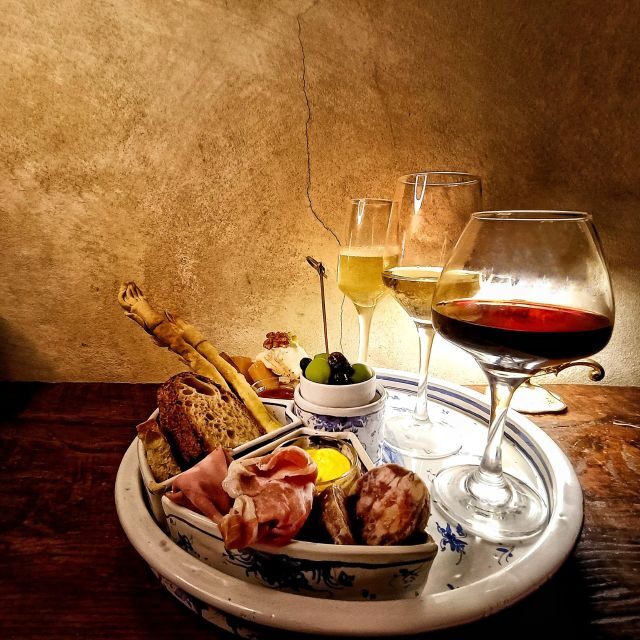
The food is built around Italian staples and regional signatures. Depending on your selected option, you may see a mix of these elements:
What you might taste
- Gorgonzola DOP
- Taggiasca olives
- Parma Ham DOP
- Parmigiano Reggiano
- Mortadella Bologna PGI
- Guanciale di Amatrice
- Mozzarella di Bufala Campana DOP
- Pecorino di Moliterno PGI
- Bread in multiple qualities (you’ll also get extra virgin olive oil)
- 4 types of olives
- Roman Pizza
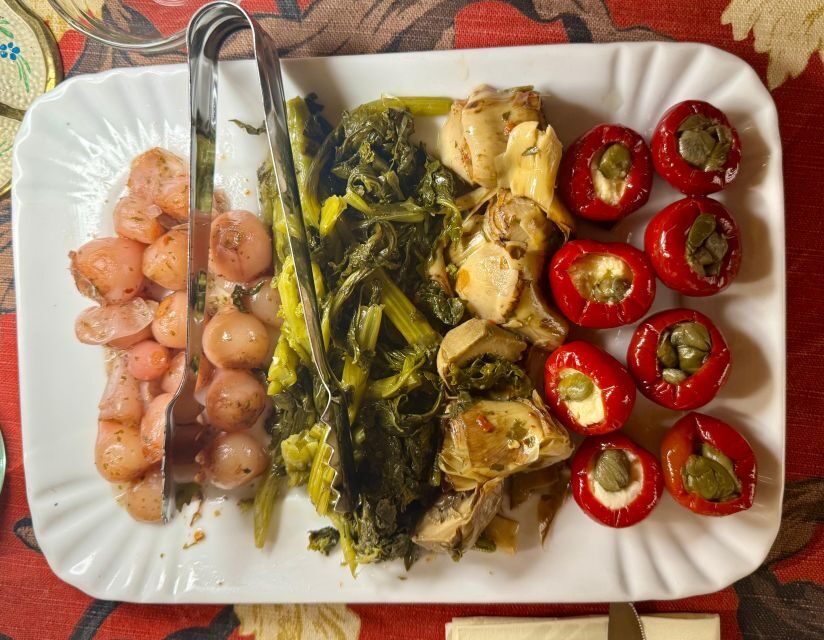
- Vegetables in oil or vinegar
- Honey and jams to pair with cheeses
- Dessert
- And there’s a surprise main course meal in the mix
You can also read our reviews of more tours and experiences in Rome
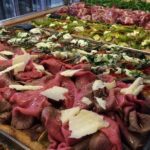



Why this lineup is a smart choice
This isn’t just “cheese and meats” in a generic way. The DOP/IGP focus means you taste foods tied to geography and production rules. That gives the tasting a storyline: you’re supposed to taste how an Italian region defines flavor—salt, fat, herbs, texture, aging style, and local ingredients.
For example, you don’t just eat cheese; you pair it with wine to see how fat and acidity interact. Same with cured meats. You’re learning what to notice.
And the bread + olive oil pairing is more important than it sounds. Olive oil in Italy is part of the food culture, not a side dish. When you get several bread qualities, you can compare how each one handles oil, salt, and cheese.
Wine Pairing That Actually Works (Prosecco First, Then Reds and Whites)
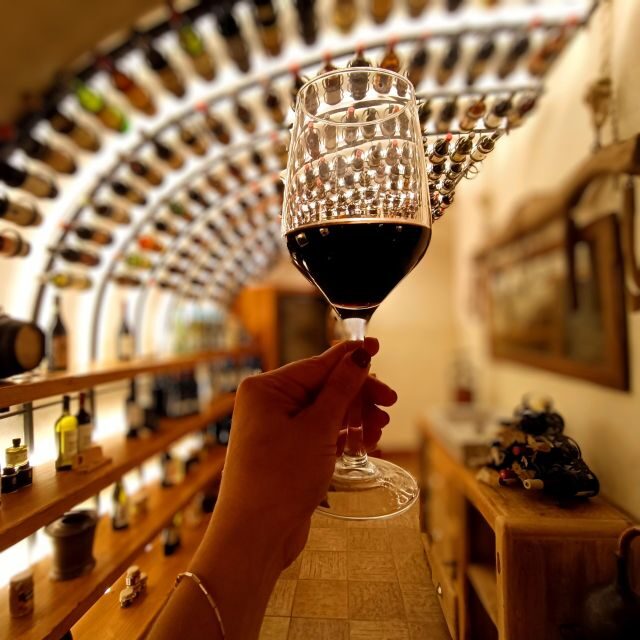
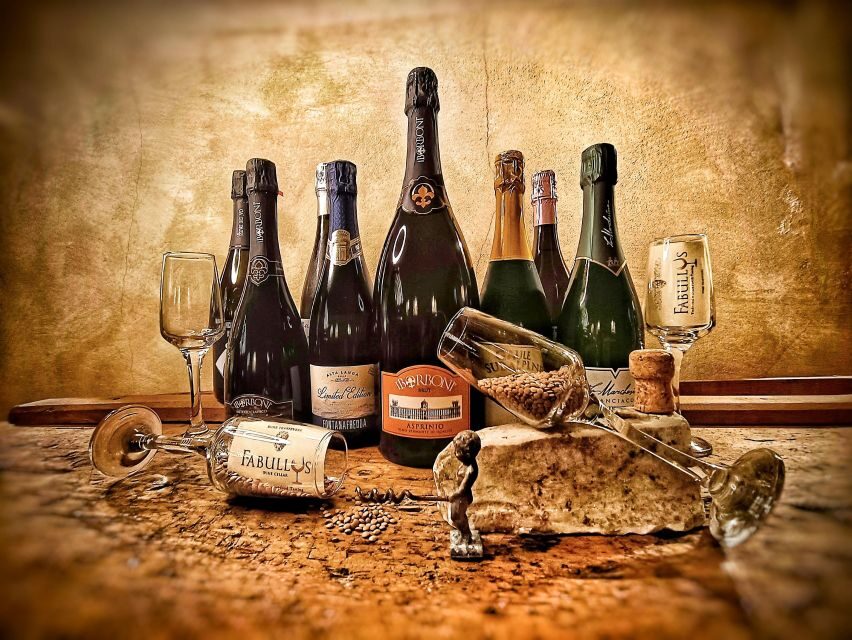
Wine is the other main character here. The staff selects superior Italian wines, and the pairing is done with intent—each pour is meant to match what’s on your plate.
Most options begin with Prosecco. After that, the wine mix depends on which tasting you pick:
- De Luxe Tasting: 1 Prosecco plus 4 Italian glasses (3 red, 1 white)
- Classic Tasting: 1 Prosecco plus 2 white wines and 2 red wines
- Fabullus Tasting: 1 Prosecco plus 1 white wine and 1 red wine
- A 3-course tasting option exists too, with a different food structure and a set pairing approach
If you’re thinking, will I get enough wine? Yes—especially for the Classic and De Luxe formats. But it’s not just drinking for the sake of it. The structure keeps you tasting long enough to notice the difference between wines and between food textures.
One extra practical detail: you also get water or soft drinks. That helps you stay comfortable through the pace and keep your palate steady.
The Slow Food Presidium Angle: How It Changes What You Taste
This is where the experience feels more grounded. Many Rome food tours talk about tradition. This one links the ingredients to small-scale producers, focusing on those recognized by the Slow Food Presidium.
That affects your tasting in two ways:
1) You’re more likely to encounter ingredients made using traditional methods rather than mass-production shortcuts.
2) The guide can explain the “why,” not just the “what.” You’re tasting a product category with a story behind it—biodiversity, sustainability, and cultural preservation are part of the producer mindset.
It also helps you taste Italy beyond the usual greatest-hits souvenirs. Taggiasca olives, regional cheeses like Pecorino di Moliterno, and meats like guanciale di Amatrice put the spotlight on specific places. You don’t leave with generic flavors. You leave with names you can repeat later when you’re ordering at restaurants back upstairs.
Learning From Real Guides: Carlotta, Lorenzo, Ginevra, and the Team Energy
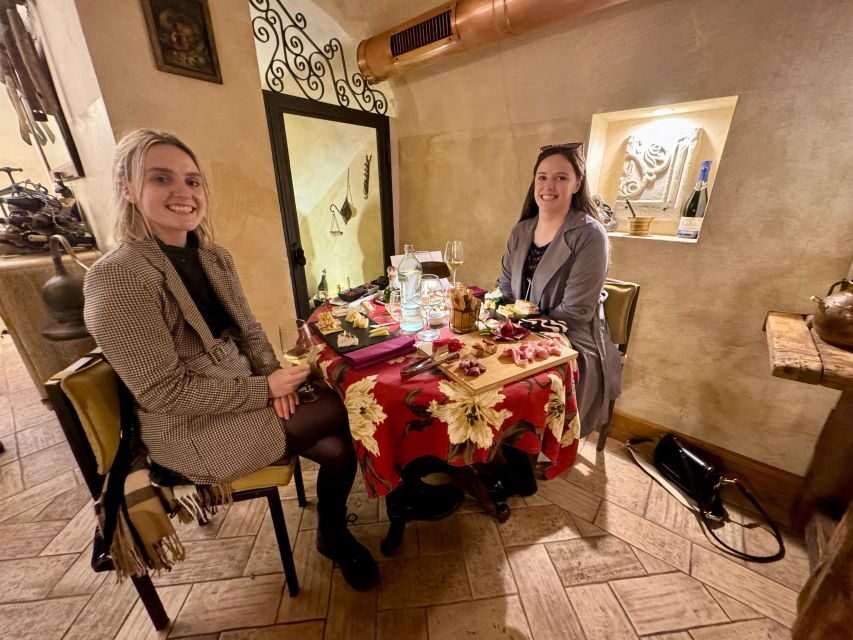
The explanations are a big part of why this tends to score so high. Names that show up in the experience data include hosts and guides like Carlotta, Lorenzo, and Ginevra—and the pattern is consistent: clear explanations, patient pacing, and a friendly vibe.
Even if you don’t care about formal wine education, you’ll benefit because the guide helps you taste intentionally. You’re encouraged to notice how each pairing shifts with:
- cheese aging and salt level
- meat fat and curing style
- olive oil and vinegar acidity
- bread texture as a “buffer” between flavors
If you’ve ever felt lost during tastings—like everyone else is tasting with confidence—you’ll likely feel more supported here. The group is private, and the staff is set up for teaching.
Choosing the Right Tasting Option Without Overpaying
With food-and-wine experiences, the biggest value question is this: are you paying for more wine, more food, or just extra steps?
You get clear options here:
If you want variety and more wine
Pick Classic or De Luxe. Classic gives you 1 Prosecco plus 2 white and 2 red wines. De Luxe adds extra wine variety with a 3-red/1-white structure after the Prosecco.
If you want a lighter plan
Fabullus Tasting is more compact: 1 Prosecco, 1 white, and 1 red, with the core food pairing structure included.
If you prefer a more meal-like format
The 3-course tasting option leans into a structured sequence with fresh and mature cheeses, cured meats (including mortadella with pistachio), buffalo mozzarella and buffalo ricotta, vegetables in oil or vinegar, plus bread/olive oil elements and dessert.
My rule of thumb: if you’re the type who’s happy with a couple pours and focused bites, Fabullus is plenty. If you want your best “Rome wine sampling” moment in one go, Classic or De Luxe gives you more rounds without turning it into a marathon.
Timing and Dinner Plans: What to Do After 75 Minutes
This is about as long as a good guided meal. Many people won’t need a full dinner afterward, especially if they go for the more food-heavy options. You’ll get dessert, and you may also get a “surprise main course meal,” so your stomach won’t stay empty.
Still, plan realistically. Wine plus a multi-item tasting can be more filling than you expect. If you’re going out later, consider something simple—like a casual pasta stop or gelato—rather than locking in a heavy reservation.
If you’re the kind of traveler who likes to keep evenings open, the timing works. You can slot it in as a main plan, not just a side activity.
Who Should Book This (and Who Should Skip)
This experience fits best if you:
- love Italian regional foods and want to see labels like DOP/IGP in action
- want a guided tasting rather than a self-guided bar experience
- appreciate a small, intimate setting in a historic underground space
- prefer being taught how to taste—especially pairing food with wine
It’s not a good match if you:
- need wheelchair access (wheelchair users are not suitable)
- are vegan (vegans are not suitable)
- need a diabetes-friendly meal plan (people with diabetes are not suitable)
- have food allergies (people with food allergies are not suitable)
And two practical “don’t make it harder” notes:
- Pets aren’t allowed.
- Intoxication is not allowed, and the operator may refuse service if someone appears intoxicated.
Price and Value: Is $85 a Fair Deal?
At $85 per person, you’re paying for a very specific mix: a restored Roman cistern setting, a structured 75-minute tasting, and staff-led pairing with wines selected by the sommelier.
Here’s what makes it feel like value instead of just “wine for $85”:
- The food lineup includes recognizable Italian regional products and multiple elements (bread, olive oil, olives, Roman pizza, honey/jams, dessert, and possibly a surprise main).
- The wine component scales by option (different numbers and types of red/white pours).
- You’re not stuck wandering. You get explanations while the tasting is happening, and that turns the cost into learning and better tasting.
If you’re hunting for the absolute cheapest food night in Rome, this isn’t it. But if you want one standout “Rome food moment” that blends history + careful pairing in a place you’d never stumble into on your own, $85 can make sense.
Should You Book Cantina Fabullus in Trastevere?
I’d book it if you want a focused food-and-wine evening where you can taste Italian regional identity in under two hours. The Roman cistern setting is a big part of the appeal, but the real win is the pairing: cheese, cured meats, olives, olive oil, bread, and wines explained in a way that makes you notice differences.
Skip it if your needs fall outside their suitability rules (vegan, wheelchair access, diabetes, food allergies). Also skip it if you want a long, loose hangout with no structure; this is guided and paced.
If you’re a wine-and-food traveler with an open evening in Trastevere, this is exactly the kind of booked-in-advance experience that makes Rome feel specific.
FAQ
How long is the Rome food tasting with wine pairing?
The experience lasts about 75 minutes.
Where do we meet for the tasting?
Meet at the entrance of Hotel Residenza San Calisto, Via dell’Arco di San Calisto 19/20, at the red canopy. Ring the bell at the entrance.
What’s included in the Classic, De Luxe, and Fabullus tastings?
All options include Prosecco, food pairings, water or soft drinks, and explanations by the staff. The wine counts differ: Classic includes 1 Prosecco plus 2 white wines and 2 red wines; De Luxe includes 1 Prosecco plus 4 wine glasses (3 red and 1 white); Fabullus includes 1 Prosecco plus 1 white wine and 1 red wine.
Is there a 3-course option?
Yes. There is a 3-course tasting option that includes selections such as fresh and mature cheeses, cured meats (including mortadella with pistachio), buffalo mozzarella and buffalo ricotta, vegetables in oil or vinegar, plus bread/olive oil elements and dessert (the exact pairings follow the staff’s selections).
Can you accommodate food intolerances?
Alternatives are available upon request and can be adapted according to tastes or food intolerances. You must communicate any allergies or intolerances at the time of booking, and failure to communicate does not guarantee the service.
Who should avoid booking?
It’s not suitable for wheelchair users, vegans, people with diabetes, and people with food allergies. It’s also not for children under 7 years, and pets are not allowed.