REVIEW · ROME
Rome: Express Golf Cart Tour
Book on GetYourGuide →Operated by LessStressTours · Bookable on GetYourGuide
Rome can feel like a lot at once.
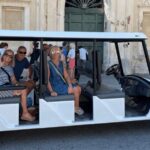
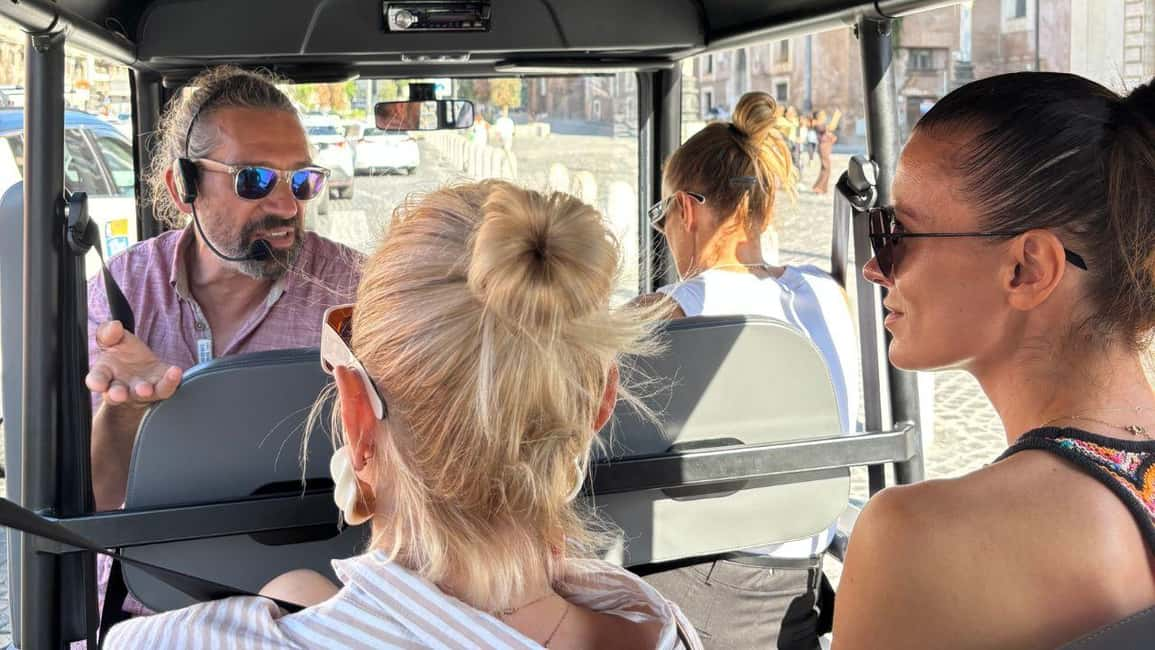
This 90-minute Rome Express Golf Cart Tour is built for fast orientation without cutting the fun. You glide past top sights like the Colosseum, Circus Maximus, the Pantheon, Trevi Fountain, and end at Piazza Navona, with a live English guide and photo stops along the way. I especially like the small group size (max 7) and the smooth, low-effort ride that keeps the day from turning into a knee test.
One thing to consider: this is a highlights-and-photos format, not a deep, museum-style visit of every stop. If you want lots of inside time, you may feel a bit rushed.
In This Review
- Key things I’d plan around
- Why a Green Golf Cart Tour Works for Rome in 90 Minutes
- Where You Start at Largo Gaetana Agnesi (and What to Look For)
- Colosseum: Gladiator Stories Without the Time Sink
- Circus Maximus: Chariot Racing at the Speed of Sight
- Theatre of Marcellus: The Mini-Colosseum Vibe
- Piazza Venezia, the Vittoriano, and a Smart Stop for Photos
- Campo de’ Fiori Pause: A Marketplace That Still Has Energy
- Pantheon: Dome Views With the Oculus Explained
- Trevi Fountain and the Coin-Toss Moment
- Spanish Steps: A Lively Meeting Place
- Piazza Navona Finish: Three Fountains and Big Square Energy
- Price and Value: What You’re Really Paying For
- The Guides Matter: Ana Nada, Vladimir, and Vitality
- What to Bring (So You Enjoy the Whole 90 Minutes)
- Who This Tour Suits Best
- Should You Book This Rome Express Golf Cart Tour?
- FAQ
- How long is the Rome Express Golf Cart Tour?
- Where is the meeting point, and where does the tour end?
- What landmarks are included?
- Is hotel pickup and drop-off included?
- What’s the group size?
- What language is the guide?
- Is the tour wheelchair accessible?
Key things I’d plan around
- Small group, max 7: more chance to ask questions and hear stories clearly.
- Green golf carts, photo stops: you get movement + great viewing without constant walking.
- Gladiator and chariot-racing context: the guide ties scenes to what happened there.
- Must-see dome and oculus at the Pantheon: ancient engineering explained while you look up.
- Prime photo circuit: Colosseum to Circus Maximus to Vittoriano, then Trevi, Spanish Steps, and Piazza Navona.
- English live guide: clear narration throughout (and it’s wheelchair accessible).
Why a Green Golf Cart Tour Works for Rome in 90 Minutes
Rome is famous for two things: iconic views and surprise crowds. This tour cuts through both with a simple idea—use a golf cart to cover distance while a guide focuses on the meaning of each spot. The result is a fast “get your bearings” loop that still feels like sightseeing, not just transportation.
The 90-minute timing matters. In under two hours, you can hit a best-of list that would take most people half a day on foot. Your feet stay in charge. You can still do other plans afterward—dinner, gelato, a longer stop at one place you love.
I also appreciate that the tour is designed as an efficient, engaging format. The stops are paced so you’re not stuck staring at the same block too long. You’ll have moments to take photos, then move on before you melt in the heat.
You can also read our reviews of more tours and experiences in Rome.

Where You Start at Largo Gaetana Agnesi (and What to Look For)
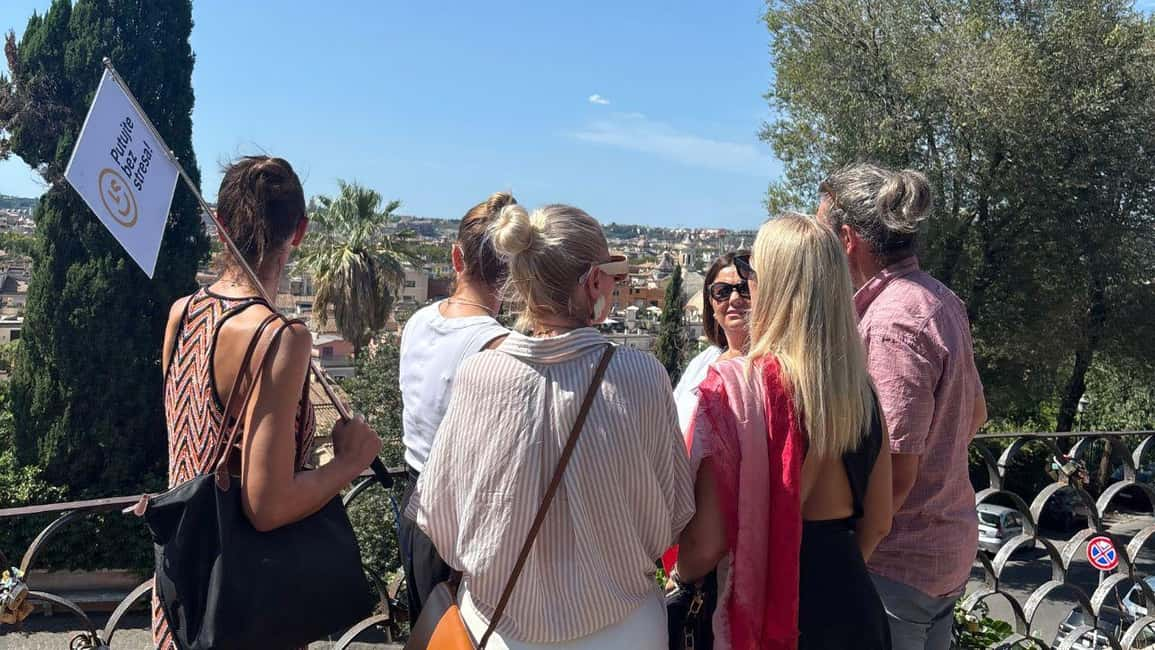
The tour begins at Largo Gaetana Agnesi. When you arrive, look for the green golf cart—that part is straightforward, and it helps you avoid the usual early-tour scramble.
Because hotel pickup and drop-off aren’t included, you’re doing a simple “show up and go” plan. That’s often a win in Rome, where traffic and pickup delays can be a headache. You just head to the meeting point, meet your guide, and get rolling.
You’ll also be in a small group. That’s not just comfort. It means the guide can actually keep track of everyone and tailor the pace to the group’s questions and photo timing.
Colosseum: Gladiator Stories Without the Time Sink
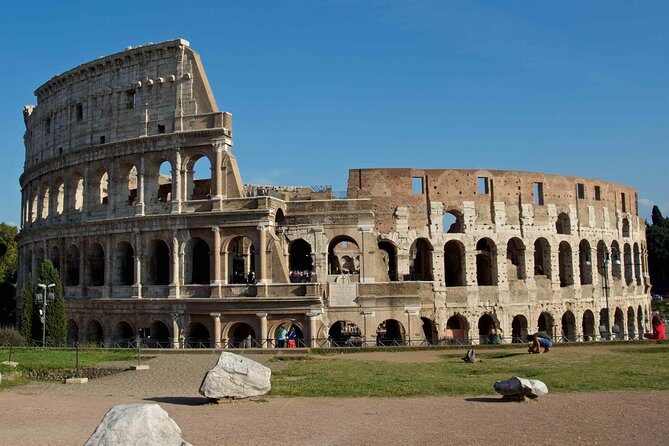
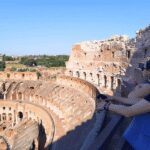
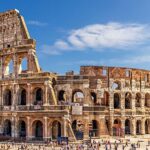
The first big visual anchor is the Colosseum. You’ll have a photo stop, plus guided sightseeing right from the start. Even from outside viewpoints, the Colosseum sets the tone: this is Rome at scale, with a built-in drama.
What makes this stop valuable is the narration. The guide talks about the gladiatorial contests that once captivated thousands. That kind of context changes the way you look at the arena area. Instead of just seeing stone and arches, you start imagining the noise, the crowd energy, and the spectacle that made these events famous.
One practical tip: keep your camera ready as soon as you’re near the best viewpoints. The tour is paced, so you don’t want to miss the clean angles while you’re still unlocking settings on your phone.
Circus Maximus: Chariot Racing at the Speed of Sight
Next comes Circus Maximus, the massive chariot-racing stadium of ancient Rome. Even if you know the basics, it’s one of those places where the guide’s framing helps. When you hear how the racing worked and what the crowd experience must have been like, the space suddenly makes sense.
You get another photo stop plus guided sightseeing here. The golf cart setup helps because you can keep moving through the area without turning this into a long walk session. If you’re touring in warmer months, that alone is a big deal.
I like that this stop balances spectacle with explanation. It doesn’t feel like random trivia. It feels like the guide is helping you read the city like a storybook.
Theatre of Marcellus: The Mini-Colosseum Vibe
After Circus Maximus, you’ll pass by the Theatre of Marcellus. It’s often called a mini-Colosseum, and that comparison is useful because it tells you what kind of structure you’re looking at—an ancient performance space designed for viewing and crowd energy.
This is a good stop for people who like variety. You already saw the big gladiator arena. Now you see a different kind of ancient “entertainment machine,” and the tour keeps shifting your perspective.
Because it’s a photo stop, don’t expect long wandering here. The value is the quick context and the chance to spot a major ancient structure you might otherwise miss.
Piazza Venezia, the Vittoriano, and a Smart Stop for Photos
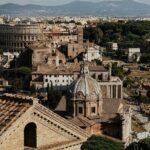
The next stretch takes you through Piazza Venezia, where the tour points out the grandeur of the Vittoriano. This is the kind of monumental architecture that looks impressive from a distance, and it’s even better when you understand what it represents. The Vittoriano is a marble masterpiece tied to Italy’s unity and pride.
You’ll likely get photo opportunities here, too, and that’s important because the Vittoriano can look better from certain angles—especially when the light hits the marble.
One more nice touch: you’re not just rushing through traffic noise. The tour sequence gives you a rhythm—see, understand, snap a picture, move on.
Campo de’ Fiori Pause: A Marketplace That Still Has Energy
At Campo de’ Fiori, the tour includes a brief pause to absorb the atmosphere. This marketplace has thrived since the Renaissance, so it’s not only a pretty square. It’s a place that has kept doing the same basic job for centuries—trading, meeting, and daily life.
This is also one of the best times to slow down mentally. After several major “wow” monuments, Campo de’ Fiori reminds you Rome is still a working city, not just a photo set.
If your group wants quick snack breaks or you’re simply trying to beat the heat, this kind of stop is where it’s easiest to regroup without falling behind.
Pantheon: Dome Views With the Oculus Explained

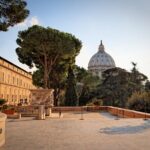
Then comes the Pantheon, and it’s a highlight for a reason. You get photo stop, guided sightseeing, and a chance to take in the building’s famous dome. The tour emphasizes the ancient engineering behind it, including the remarkable oculus.
Here’s why this matters for you: the Pantheon can look like just another big church from street level. But when someone explains how the dome and opening work, the stop turns from sight-seeing into real understanding—even if you don’t go inside.
You’ll probably want to look up a few times. The architecture rewards that habit. The tour gives you that nudge.
Trevi Fountain and the Coin-Toss Moment
No Rome highlights route is complete without Trevi Fountain. You’ll stop for photos and guided sightseeing here, and you’ll also get the classic moment everyone remembers: tossing a coin for a return to the Eternal City.
This is one of those stops where timing matters. Because the tour is only 90 minutes total, you’re getting a quick, high-impact experience rather than waiting around for the perfect shot for an hour. If you want a super controlled photo plan, you may need a separate return trip. But for most people, the tour delivers the moment without swallowing your whole day.
I also like that the guide keeps you moving so you’re not just standing in one spot with no story. You’ll hear the context while the fountain stays in view.
Spanish Steps: A Lively Meeting Place
Next is the Spanish Steps, another Rome icon. You’ll have photo stop and guided sightseeing, with time to appreciate it as a meeting place and a charm-filled city landmark.
This stop works well after Trevi because the scene changes. You go from a famous fountain crowd magnet to a layered stair-and-street area where people actually hang out, stroll, and meet.
If you want a practical strategy: pick one direction for your photos early, then use the rest of your time just watching the flow. The Spanish Steps is as much about people as it is about the stone.
Piazza Navona Finish: Three Fountains and Big Square Energy
The tour ends at Piazza Navona, and this is a strong finish. The square is famous for its trio of baroque fountains and the way the space feels like a stage for street life.
You’ll wrap up after the final photo stop and guided sightseeing. Since the tour ends back at the meeting point, the pacing makes sense: you’re not left stranded somewhere else in the city center.
This last stop is also a good cue for your next move. If Piazza Navona is the one you loved most, you’ll already know where to go for longer time later.
Price and Value: What You’re Really Paying For
At $73.64 per person for about 1.5 hours, this isn’t a budget “grab-and-go” activity. You’re paying for three things that matter in Rome:
First, you’re paying for the ride. Golf cart coverage helps you see more without spending the day walking between distant sights.
Second, you’re paying for narration. The tour isn’t just a route; the guide provides context like gladiatorial contests at the Colosseum and chariot racing at Circus Maximus.
Third, you’re paying for time efficiency. For first-timers, a fast orientation loop is often more valuable than spending hours getting stuck trying to plan your own best sequence.
If you’re the kind of traveler who likes to understand what you’re seeing before you move on, the value climbs fast. If you prefer long, unscripted wandering at just one or two sites, you may want to pair this with slower time elsewhere rather than treat it as your only Rome plan.
The Guides Matter: Ana Nada, Vladimir, and Vitality
One of the standout parts is how the tour feels in motion—supported, not chaotic. In past runs, guides like Ana Nada and Vladimir have been praised for making the experience feel cared for and stress-light. Another guide, Vitality, has also been highlighted for adding extra charm along the way, including what sounded like a fun moment for the famous rice balls.
Those names aren’t just trivia. They point to something you’ll feel during the tour: the guide isn’t reading a script. They’re shaping the experience with energy and added stops or small local touches when possible.
What to Bring (So You Enjoy the Whole 90 Minutes)
For a short tour, you still want to arrive ready. Bring:
- Comfortable shoes (you’ll still do some walking and standing for photos)
- A camera (or phone with enough storage)
- Sunscreen (Rome sun adds up fast)
- Water
If you’re sensitive to heat, plan to use water before you feel thirsty. The golf cart reduces walking, but it doesn’t eliminate the sun.
Who This Tour Suits Best
This is a great fit if you’re:
- On your first trip to Rome and want top icons with context
- Short on time and want a best-of route in under two hours
- Traveling with limited mobility and want a low-walking option (it’s wheelchair accessible)
- The type who likes a guide to keep the story moving from stop to stop
It may be less perfect if you:
- Want long interior visits and extended time inside major sites
- Prefer to build a self-paced photo plan with no group timing
That said, even if you’re an experienced visitor, the tour can work as a clean “orientation lap” that helps you decide where to spend your next hours.
Should You Book This Rome Express Golf Cart Tour?
I’d book it if you want Rome’s biggest landmarks in a tight, organized loop, with a guide who connects what you see to what happened there. The small group size, the cart ride, and the stop-by-stop storytelling make it easy to enjoy even on a hectic day.
I’d skip it or pair it with something else if you’re craving deep time at fewer sites. This tour is designed for speed and clarity, not for hours inside buildings.
If you’re trying to make your first day in Rome feel workable and not exhausting, this is one of the smarter ways to do it.
FAQ
How long is the Rome Express Golf Cart Tour?
It runs for about 1.5 hours.
Where is the meeting point, and where does the tour end?
You meet at Largo Gaetana Agnesi. The tour ends back at the same meeting point.
What landmarks are included?
The tour includes stops for photo and guided sightseeing at the Colosseum, Circus Maximus, Theatre of Marcellus, Piazza Venezia, Campo de’ Fiori, the Pantheon, Trevi Fountain, Spanish Steps, and Piazza Navona.
Is hotel pickup and drop-off included?
No, hotel pickup and drop-off are not included.
What’s the group size?
It’s a small group limited to 7 participants.
What language is the guide?
The live tour guide speaks English.
Is the tour wheelchair accessible?
Yes, it is listed as wheelchair accessible.