REVIEW · FOOD & DRINK
Rome Experience: Wine Tasting With a Local Host, Custom & Private
Book on Viator →Operated by City Unscripted · Bookable on Viator
Wine and footsteps in Rome.
This private wine tasting is built like a stroll through Rome’s historic center, where your local host chooses the pours and the snacks around your tastes. What makes it interesting is the venue mix: you’re not stuck in one room. You’ll taste in settings that can run from an underground cellar to a terrace bar, while learning how wine fits into daily Italian culture.
I especially like two things. First, you get personalized choices based on a short questionnaire, not a generic lineup. Second, the tastings are paired with local cheeses, meats, and breads, so you learn how food changes what a wine tastes like.
One possible drawback: the vibe depends on your host’s style. If you end up with a guide who is less into drinking wine personally, the tone may feel a little different than you’d expect from a wine tour.
In This Review
- Key highlights to look for
- Getting Started Near Piazza Farnese: A Rome Wine Walk That Makes Sense
- How Your Local Host Picks the Wines (and Why the Questionnaire Counts)
- Inside the Tastings: Six Central Italy Wines, Three Food Pairings
- Rome’s Wine Venues: Underground Cellars, Cheese Shops, and Terrace Stops
- The Pairing Lessons You’ll Actually Use When Buying Wine
- Price and Value: Is $147.67 Worth It?
- The Best Fit: Who Should Book This Private Wine Tasting
- Potential Quirks to Know Before You Go
- Should You Book This Wine Tasting in Rome?
- FAQ
- How long is the wine tasting with a local host in Rome?
- What wines and food pairings are included?
- Is this tour private?
- Where do we meet, and can the host meet at my hotel?
- Is there a lot of walking, and is public transportation nearby?
- What cancellation rules apply for a full refund?
Key highlights to look for
- Host-matched wines based on your preferences after you book
- Six wines across three tastings, paired with local bites each time
- Venue variety from an underground cellar to a terrace bar and specialty shops
- Practical pairing tips you can use when shopping for wine at home
- Central Italy focus with a clear cultural context for how wine is made
Getting Started Near Piazza Farnese: A Rome Wine Walk That Makes Sense
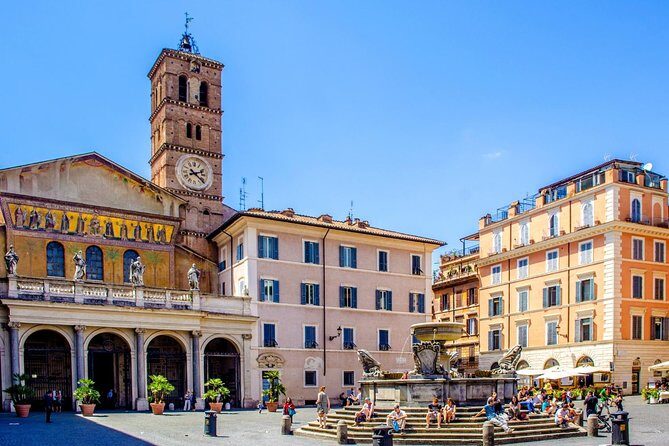
You start at Chiesa di Santa Brigida, right by Piazza Farnese. That’s a smart anchor point. It puts you in the part of Rome where you can actually enjoy walking between stops without turning the day into a logistics puzzle.
From there, the experience is designed around moving through the historic center and stopping only when it’s worth it. You’re not racing from one major sight to the next. Instead, you slow down enough to notice the details: the feel of a classic wine bar, the hush (or cool air) of a cellar, the energy of a food market, or the relaxed atmosphere of an outdoor terrace. Those moments matter because wine tasting works best when you’re not distracted.
One good thing for planning: it’s a walking experience, but you’re not left on your own if you need help. The host can suggest public transport or a taxi option if that works better for you. Also, the start area is near public transportation, which helps if you’re meeting up from elsewhere.
If you want Rome to feel like Rome—rather than like a checklist—this format fits. And since it’s private, you’re not stuck waiting for a pace that doesn’t match yours.
You can also read our reviews of more food & drink experiences in Rome


How Your Local Host Picks the Wines (and Why the Questionnaire Counts)
This is a private, personalized tour. After booking, you’ll get a short questionnaire to tell your host what you like. That part isn’t busywork. It’s what keeps the tasting from turning into a one-size-fits-all script.
Here’s what this does for you in real terms:
- If you prefer reds or whites, your host can build the tasting order and the food pairings around that.
- If you’re curious but unsure what to buy at home, the host can steer you toward wines that are easier to understand, not just harder-to-pronounce.
- If you have limits (like tastes you want to avoid), the host can adjust venue choices too, since tastings happen in different kinds of shops and bars.
You’re also getting an “in the moment” education. The host doesn’t just hand you a glass and walk away. You’re walking, tasting, and talking as the flavors change from stop to stop. That makes it much easier to connect wine styles to real food, rather than remembering facts from a book.
One more note from what you’ve seen with guides in the wild: not every host brings the same drinking energy. You’ll still get the education and tastings, but the humor and enthusiasm can vary with the guide’s personality. If you’re hoping for a very party-like wine tour vibe, it’s worth asking yourself whether you want more of a food-and-culture conversation or more of a cheerfully celebratory drinking mood.
Inside the Tastings: Six Central Italy Wines, Three Food Pairings
Across the tour, you’ll sample six red and white wines from central Italy, served in three tastings. Each tasting includes a pairing with local cheeses, meats, or breads. That’s the key structure: it’s not just six sips. It’s six sips plus the food context that explains why those wines work.
Central Italy matters here. The host is focused on the region and its traditions, so you’re learning how styles connect to place and production, not just collecting random bottles. You’ll also hear about history and culture—how wine is part of local life, not a museum item.
What the pairings teach you (and what you can take home)
Each tasting is built to show a specific kind of match. You’ll get tips for choosing and pairing wine at home, which is usually where these experiences become useful instead of just fun.
As you taste, pay attention to patterns like these:
- How acidity in a wine can brighten flavors in cheeses or breads.
- How tannins can interact with cured meats and richer bites.
- How the same wine can taste different once you’ve switched foods.
Even if you don’t become a wine nerd overnight, you’ll start noticing your own preferences fast. That’s the win: you leave with your own short list of what you actually liked, plus a reason why.
And yes, you’re doing this in different kinds of venues. That changes more than the scenery. It also affects how you perceive the wine—lighting, temperature, and even the pace of the room can change the experience.
Rome’s Wine Venues: Underground Cellars, Cheese Shops, and Terrace Stops

A big reason this tour works is that tastings happen in different atmospheres. You’re not stuck doing all three tastings in one hotel lounge.
Here’s what you can expect the stop styles to include:
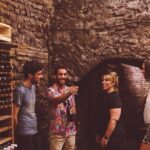
- An underground wine cellar (cooler, quieter, and often more focused)
- A classic wine bar (casual, social, and good for comparing styles)
- A specialist cheese shop (where the pairing feels like a lesson)
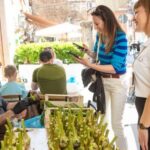
- A food market environment (where you can see how Italy thinks about ingredients)
- An al fresco terrace bar (best when you want your wine to feel like an evening ritual)
Because your host hand-picks venues for your tastes, the exact sequence can vary. But the goal stays the same: different settings let you taste wine in the kinds of places Italians actually use for a drink with food.
What to watch for at each type of stop
At a cellar, your focus should be on aroma and temperature. Underground spaces tend to keep wines tasting more consistent, which helps you understand what you’re tasting without the room getting in the way.
At a cheese or specialty food stop, slow down. Ask yourself what you liked about the food pairing, then trace that back to the wine’s structure. This is where you’ll pick up the pairing instincts that help when you shop later.
On a terrace, keep an eye on pacing. It’s easy to drift into enjoying the moment and not noticing what changes from one wine to the next. If you want the learning part to stick, take a few seconds between sips to compare.
Also, due to the Jubilee, some monuments may be under restoration. That can affect the walk or what’s visible along the route. If your host needs to reroute for access, that’s usually when the experience becomes more flexible and human.
The Pairing Lessons You’ll Actually Use When Buying Wine
This tour is built around one practical promise: you’ll learn how and why food and wine are traditionally paired, then leave with pairing tips for buying wine at home.
Here’s what I’d pay attention to during the conversation:
- Ask how the host decides the pairing. Is it about acidity, texture, or flavor intensity?
- Notice which wine-food match made you think, that’s the one.
- If you’re unsure about what to order in a shop later, ask for a simple rule you can remember.
Even the best tour won’t turn you into a sommelier in three hours. But a good host can give you a few reliable shortcuts. For example, you might learn how to match:
- softer cheeses with lighter styles
- richer meats with wines that can stand up to salt and fat
- breads and cured bites with wines that balance the intensity
The other value is cultural. Wine isn’t treated as an abstract product here. Your host ties it to how people live, eat, and talk about wine in Italy. That context helps you understand why certain wines show up with certain foods over and over.
One more subtle benefit: tasting in Rome teaches you to judge wine in the moment. Back home, it’s easy to get lost in labels. Here, you’re learning taste relationships, which makes your next bottle choice less guesswork.
You can also read our reviews of more private tours in Rome




Price and Value: Is $147.67 Worth It?
At $147.67 per person for about 3 hours, this sits in the “you’re paying for a private, guided experience” category. The value depends on what you want from Rome.
Here’s what you’re really buying:
- A private format with only your group, not a crowd
- A host who chooses venues and wines based on your preferences
- Three tastings with six wines, each paired with local bites
- Walking time in Rome’s historic center built around those tastings
- A short, practical education on pairing and how wine fits into local culture
If you were just going to wander into bars and order glasses on your own, you’d probably spend less. But you’d also miss the pairing logic and the regional focus. This tour is designed to teach you the “why,” not just the “what.”
Also, it’s booked about 38 days in advance on average. That usually signals steady demand, especially for couples and small groups who want something planned but not rigid.
So who gets the best value?
- People who like food and want pairing guidance, not just alcohol
- Couples or small groups who want a calm, private pace
- Anyone who likes Rome but wants a theme that feels local, not touristy
If you’re the type who only wants one or two tastes and then sightseeing elsewhere, you might feel this is more structured than you want. But if you want a guided food-and-wine thread through central Rome, it’s a fair trade.
The Best Fit: Who Should Book This Private Wine Tasting
This experience is a strong match if you want:
- A private setting where the host can adjust based on your tastes
- A short 3-hour plan that doesn’t chew up your whole afternoon
- Central Italy wine styles paired with real Italian food, not just crackers
- A Rome walk that feels tied to culture and flavors
It’s especially good for:
- Food-first couples who like talking to locals
- Wine-curious people who want a clear explanation, not a lecture
- Travelers who prefer small, purposeful activities over big attraction days
The experience also notes that most people can participate and that service animals are allowed. If you have specific needs, it’s worth checking with the operator so your host can plan stops that work.
And because hotel meet-up is available on request for central locations, it can be easy to fold into your day without extra hassle. If you don’t request it, you’ll meet at the main start point near Piazza Farnese.
Potential Quirks to Know Before You Go
Here’s the one downside you should plan around: host personality isn’t identical for every booking.
One example from the real world is a guide who said he didn’t like to drink wine while on a wine tour. That doesn’t mean the tour is bad. It does mean the tone might shift. If you’re looking for big enthusiasm around drinking, you could end up with a more analytical or even slightly awkward vibe.
My advice: treat it as a food-and-culture walk first, wine second. Even with a quieter host, the value comes from learning how wines work with food and seeing Rome through those tastings.
Also, because venues vary and Rome has restoration work at times (including during the Jubilee), you might find that the exact visible sights along the route change. That’s normal. Focus on the tastings and the host’s chosen spots, which are the core of the experience.
Should You Book This Wine Tasting in Rome?
Yes, if you want a private, host-led wine and food experience that actually teaches you how to pair. The biggest selling point is the combination of six wines, three pairings, and venue variety, all tied together by a local who matches your preferences.
Skip it if you want a mostly free-form bar crawl, or if you’re only interested in drinking without learning. This tour is structured for tasting and pairing, not just roaming.
If you’re on the fence, choose it when you’re traveling as a small group and you want one great, focused afternoon that feels distinctly Roman—wine in hand, walking through real neighborhoods, with snacks that make the education stick.
FAQ
How long is the wine tasting with a local host in Rome?
The experience lasts about 3 hours.
What wines and food pairings are included?
You’ll enjoy 3 tastings, sampling 6 red and white wines from central Italy. Each tasting is paired with local cheeses, meats, or breads.
Is this tour private?
Yes. It’s a private experience, and only your group participates.
Where do we meet, and can the host meet at my hotel?
The start is at Chiesa di Santa Brigida in Piazza Farnese. A hotel meet-up in a central location can be requested, or your host can meet you at a convenient location close to the start.
Is there a lot of walking, and is public transportation nearby?
It’s a walking experience. The start area is near public transportation, and if walking is required to move between stops, your host can suggest public transport or a taxi option. Transportation costs aren’t included.
What cancellation rules apply for a full refund?
There’s free cancellation with a full refund if you cancel up to 14 days before the experience. Another rule also states that for a full refund you must cancel at least 24 hours before the experience’s start time, and cancellations within 24 hours are not refunded.