REVIEW · COOKING CLASSES
Rome – Cooking Experience in a Roman family in Trastevere
Book on GetYourGuide →Operated by Ilaria Sparla · Bookable on GetYourGuide
Trastevere tastes like home cooking. This Rome class with chef Ilaria Sparla happens in her own house, where you learn three pasta shapes from scratch and eat everything together as a family meal. Between the Roman neighborhood feel and the greenery around her home, it’s the kind of evening that makes Rome feel close and personal.
I really like the small group size (max 8)—it keeps questions from getting lost and makes the hands-on parts go smoothly. I also love the clear focus on real technique, from kneading dough to matching sauces like Cacio e Pepe, tomato, and Norma, plus a homemade tiramisù you’ll be proud to serve later.
One thing to consider: you’re in someone’s home, so you’ll want to show up on time and plan for a relaxed, social pace rather than a fast, factory-style class.
In This Review
- Key moments that make this Rome cooking class special
- Trastevere pasta in a real kitchen: what you’re signing up for
- Meeting Ilaria at Via Garibaldi 39: arrive ready to start cooking
- The warm-up aperitivo: mozzarella, fried vegetables, and real wine time
- Fettuccine and Cacio e Pepe: learning the sauce logic, not just the recipe
- Ravioli with fresh cherry tomato sauce: shaping confidence step-by-step
- Orecchiette and Norma sauce: the “handwork” pasta
- Handmade tiramisù: dessert that lands at the right moment
- What Ilaria teaches beyond pasta: flour, pairing, and substitutes
- Price and value: is $134.81 worth it?
- Dietary needs and vegetarian option: how flexible is it?
- Group vibe and skill level: from bambini to experienced cooks
- Safety and food handling: the practical hygiene note
- Who should book this Rome pasta night
- Should you book this cooking class?
- FAQ
- How long is the Rome cooking experience?
- Where is the meeting point in Rome?
- How big is the group?
- What pasta dishes will I make?
- What sauces and dessert are included?
- Is wine included?
- Is the class beginner-friendly?
- Can I request a vegetarian option?
Key moments that make this Rome cooking class special
- A Roman-family welcome in Trastevere with Ilaria, her husband Samuel, and their three children
- Aperitivo before pasta: mozzarella, dry tomatoes, panzanella, and homemade fried vegetables with local wine
- Three pasta types, not just one: fettuccine, ravioli, and orecchiette
- Sauces you can actually recreate: Cacio e Pepe, fresh cherry tomato sauce, and Norma sauce
- You work the dough yourself, from mixing ingredients to shaping and making the sauce
- Dessert on the same timeline: handmade tiramisù at the end, with espresso included
Trastevere pasta in a real kitchen: what you’re signing up for
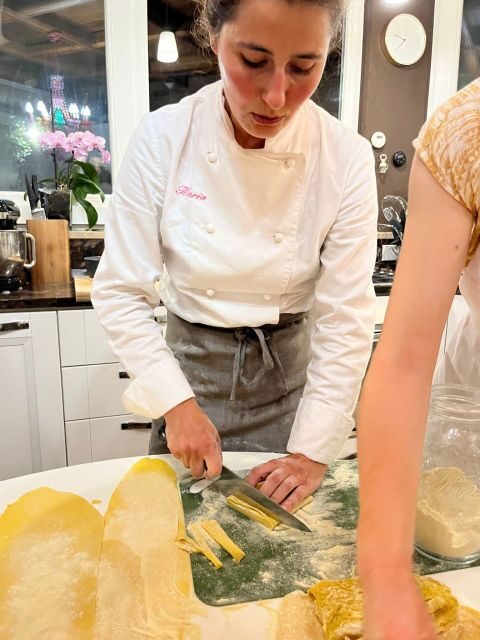
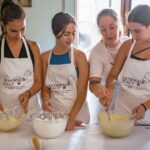
This isn’t a “watch and hope” cooking class. You’ll be standing at the counter working dough, rolling shapes, and cooking sauces with Ilaria guiding you step by step in English and Italian. The evening also comes with plenty of food and local wine, so the meal doesn’t feel like a quick demo—it feels like you’re taking part in an actual Roman dinner night.
I love that the class is built around fresh, local market ingredients. You’re not learning pasta as a vague concept; you’re learning it using the kinds of products that matter in Italy: good flour, good cheese, seasonal vegetables, and sauces that taste like they came from someone’s everyday routine.
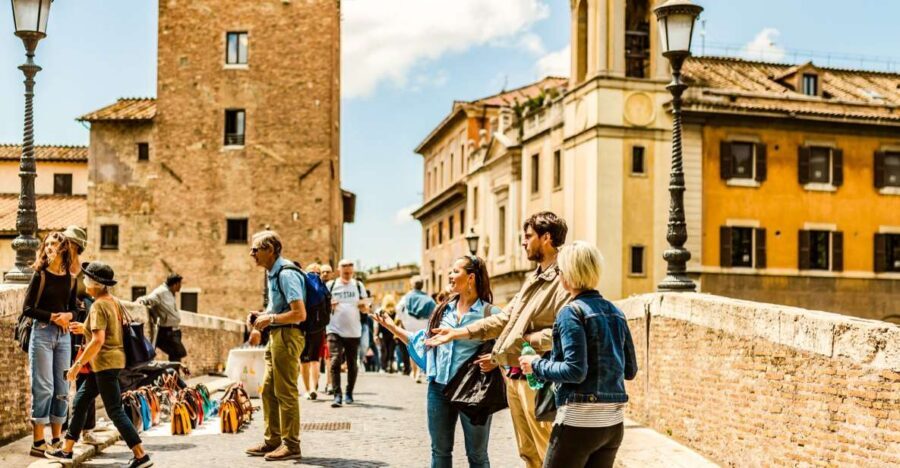
You’ll also spend time in a home setting in central Rome, in Trastevere, with a “green” vibe described around the area. In practical terms, that means you’re in a comfortable space for learning, not crammed into a formal studio where it all feels a bit staged.
You can also read our reviews of more cooking classes in Rome

Meeting Ilaria at Via Garibaldi 39: arrive ready to start cooking
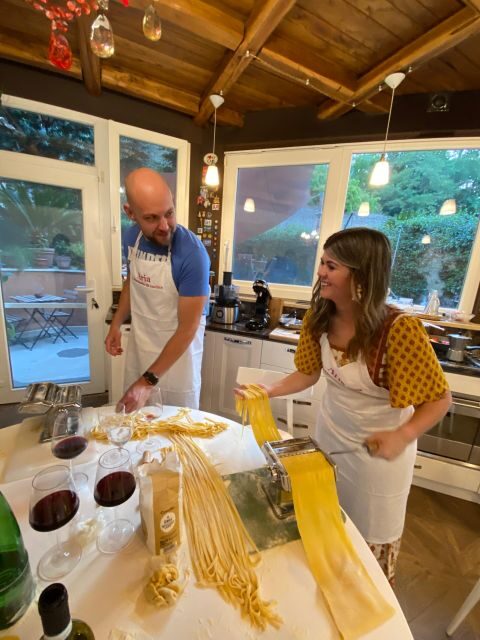
Your meeting point is Via Garibaldi 39, Rome. When you get to the green door, ring the intercom labeled Sparla. It’s listed as about a 10-minute walk from Campo de’ Fiori, so you can plan to arrive on foot and then settle in for the 3.5-hour experience.
This location detail matters because timing is everything. You don’t want a slow wander to turn into an awkward “we’re waiting on you” moment when you’re supposed to start with aperitivo and get your pasta underway.
Once you’re inside, you’ll get introduced to Ilaria and her family. In the home setting, that first moment is more than small talk—it sets the tone for the hands-on part. People are sharing space as equals, and that makes it easier to relax and focus on the dough.
The warm-up aperitivo: mozzarella, fried vegetables, and real wine time
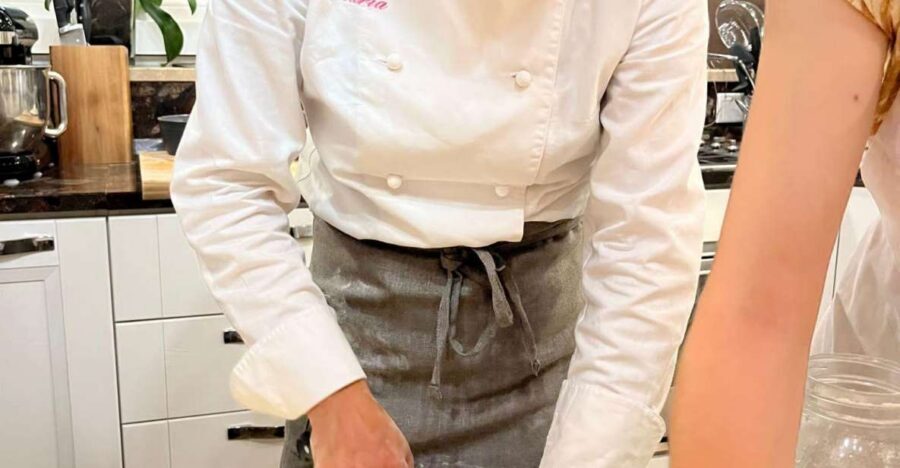
The evening starts with an aperitivo spread before you put flour on your hands. The menu includes mozarella, dry tomatoes, panzanella, and homemade fried vegetables, along with excellent local wine. Even if you’re not a big drinker, you’ll get water included and you can still enjoy the pacing.
Why this matters: aperitivo isn’t just food padding. It gives you time to meet the group, ask questions early, and settle into the flow of the night. It also helps you understand how Italians often build a meal—snacks first, then you move into pasta when everyone’s ready.
I also like that the class includes espresso later. It gives the evening a complete “Italian meal” feeling instead of stopping at the main dish.
Fettuccine and Cacio e Pepe: learning the sauce logic, not just the recipe
Your first pasta focus is fettuccine with Cacio e Pepe. Ilaria walks you through the full sequence: mixing ingredients, kneading, and then making the pasta yourself. No previous experience is required, so if your main skill today is deciding what to eat for dinner, you’re fine.
The real value here is the teaching style. Ilaria’s background includes Italian cooking school training, but her foundation is also family-based—she started in her family restaurant at 15, and her mother and grandmother taught her the traditional approach. That shows up in how she explains what you should look for as you work the dough and how you should think about timing for the sauce.
For Cacio e Pepe, the most useful takeaway is understanding how the cheese and pepper come together in a way that clings to pasta. You’re not just copying steps; you’re learning why the sauce behaves the way it does. And later, when you make it at home, you’ll know what to pay attention to so you don’t end up with a sauce that feels separated or watery.
Ravioli with fresh cherry tomato sauce: shaping confidence step-by-step
Next up is ravioli with fresh handmade cherry tomato sauce. Ravioli is the pasta that intimidates most people—until you’re actually folding and sealing it with guidance. That’s where the small group size helps. You’re close enough that Ilaria can spot issues early, like thickness differences or sealing spots that need a better press.
You’ll learn how to handle the dough and how to keep your work organized while building the sauce. It’s a practical lesson in multitasking without chaos: dough first, then sauce, then finishing so everything eats hot.
If you like food that tastes bright and clean, this sauce is a great match. Cherry tomatoes tend to stay sweet and lively, and they pair naturally with the tender chew of fresh ravioli.






Orecchiette and Norma sauce: the “handwork” pasta
Then comes orecchiette with Norma sauce. Orecchiette is a very Roman-feeling shape, and it’s also a pasta that rewards patience. It takes a little handwork to form the little “ear” shape, and this is one of the parts where you’ll feel yourself learning by doing rather than memorizing.
Norma sauce, as you’ll experience it here, is built around a hearty, savory flavor profile. You’re learning how to think about sauce consistency and how it coats the pasta. Even if you’re not sure what you want to cook once you’re back home, that pairing lesson is useful because you’ll carry it forward.
What I love about having three different pasta types in one class is variety in technique. You’ll experience different dough handling and different ways sauces behave with different shapes.
Handmade tiramisù: dessert that lands at the right moment
You’ll finish with homemade tiramisù. The timing is part of the experience: after pasta, dessert comes out as the right follow-through, so the whole meal feels like it belongs together.
In a hands-on cooking class, dessert is often a separate thing you watch from afar. Here it’s tied to the cooking rhythm, which makes it feel more satisfying. Plus, tiramisù is the kind of recipe you can reuse at home because it’s practical: everyone understands it, and you’ll know the steps without turning it into a complicated science project.
Even better: the evening includes wine and water, and you also get espresso, so you get that full Italian end-of-meal finish.
What Ilaria teaches beyond pasta: flour, pairing, and substitutes
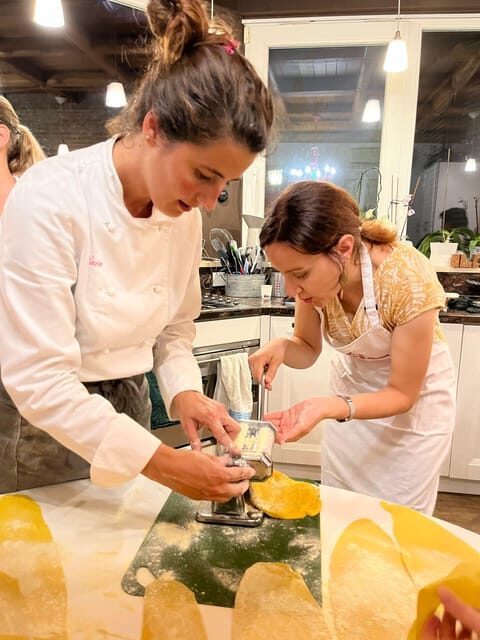
This is the part that makes the class worth the money long after your Rome trip ends. Ilaria shares take-home tricks for cooking pasta, including how to use different flours, how to pair pasta with sauce, and what substitute ingredients you can source at home.
That advice is where beginners benefit most. People often cook pasta at home and then struggle with the sauce relationship. Here you’ll get help thinking about texture and thickness, and how sauce “sticks” to shape.
Also, the recipes are meant to go with you. You’re told to bring the recipes home, and that’s a big deal because it turns the evening into something repeatable. You’re not just buying a fun night—you’re buying a small set of tools.
Price and value: is $134.81 worth it?
At $134.81 per person, this class isn’t a cheap hobby. But when I look at the practical value, it makes sense for what you’re getting.
You’re paying for:
- A professional chef (Ilaria) leading you at her own home table
- Three pasta types plus dessert, all taught step-by-step
- Local wine, water, and espresso included
- Fresh ingredients tied to season and market availability
- A small group cap of 8, which keeps it personal and hands-on
For me, that combination is the key. If the class were just cooking one pasta dish, or if it were mostly observation, the price would feel steep. But with the full meal flow—aperitivo through tiramisù—and the work you do yourself, you’re leaving with both skills and memories.
Dietary needs and vegetarian option: how flexible is it?
The class states it can satisfy dietary needs and restrictions. It also specifically notes that a vegetarian option is available if you write to request it after reservation.
So yes, you have a path if you don’t eat meat. The better approach is to request your needs clearly after booking, so the kitchen can plan around ingredient availability.
Group vibe and skill level: from bambini to experienced cooks
This experience is built for mixed skill levels. It’s hands-on, so no previous experience is necessary, and Ilaria guides you through every step. It’s also described as great for seasoned cooks and amateurs, and even bambini (kids), assuming they can handle the social, family-kitchen pace.
The small group matters here too. With max 8 participants, people get time to ask questions and learn without feeling like they’re in the way. And since it’s in a family home, the tone is friendly and teaching-focused rather than strict.
One small “reality check”: because it’s a home setting, you should expect a relaxed pace tied to cooking and sharing a meal. If you prefer tight clockwork experiences, you might find the rhythm more casual than a typical ticketed workshop.
Safety and food handling: the practical hygiene note
If you’re food-safety minded, the activity is listed as HACCP certified for hygiene and food safety in 2024. That’s the kind of detail that helps you relax and focus on learning rather than worrying about the basics.
Who should book this Rome pasta night
Book this if you want:
- A Rome cooking experience that feels like a family meal, not a showroom
- A serious chance to learn fettuccine, ravioli, and orecchiette hands-on
- A chef who teaches technique and also shares home-kitchen shortcuts
It’s also a great pick if you’re traveling with a partner or a small group and you’d rather spend your evening on something interactive than another long line for a viewpoint.
Should you book this cooking class?
Yes—if your goal is to leave Rome with skills you’ll actually use, plus a full meal that tastes like Italy. The combination of three pasta types, family-hosted warmth, and Ilaria’s technique-focused teaching makes it one of the more practical “do it now, cook it later” experiences in the city.
Skip it only if you want a large, impersonal, lecture-style cooking class—or if you’re not interested in making pasta from scratch at all.
If you do book, send a message for a vegetarian option after reserving if that matters for you, and plan to arrive a few minutes early so you can start with aperitivo on time.
FAQ
How long is the Rome cooking experience?
It lasts about 3.5 hours.
Where is the meeting point in Rome?
You meet at Via Garibaldi 39, Rome, in front of a green door. Ring the intercom labeled Sparla.
How big is the group?
The class is limited to a maximum of 8 participants.
What pasta dishes will I make?
You’ll learn to make fettuccine, ravioli, and orecchiette.
What sauces and dessert are included?
You’ll make Cacio e Pepe for the fettuccine, fresh cherry tomato sauce for the ravioli, and Norma sauce for the orecchiette. Dessert is homemade tiramisù.
Is wine included?
Yes. Wine, water, and espresso are included.
Is the class beginner-friendly?
Yes. There’s no previous experience needed, and the chef guides you through each step.
Can I request a vegetarian option?
A vegetarian option is available to satisfy dietary needs and restrictions. The info provided says to write after reservation to request it.