REVIEW · COLOSSEUM TOURS
Rome: Colosseum Arena, Roman Forum & Palatine Hill Tour
Book on Viator →Operated by Nicom Tours · Bookable on Viator
Most people see the Colosseum from behind rope.
This tour is interesting because it strings together three of Rome’s biggest ancient stops—Colosseum arena access, then Roman Forum, and finally Palatine Hill—with a guide steering the story instead of you guessing your way through ruins. I love that you get a real walkthrough on the amphitheater floor via the Gladiator’s Gate, and I also love the “tier by tier” explanation, including how seating related to social class. The tradeoff: it’s a lot of walking with stairs, and some days the heat can turn the timeline into a sprint.
You’ll start near the Colosseum, follow your guide through restricted areas, and then end back at the monument area after about 3 hours. It’s a good fit if you want structure and context fast—especially for the Forum, where the stones feel more meaningful once someone connects them to power struggles and daily life.
In This Review
- Key things I’d watch for
- Entering the Colosseum: Arena Access and Gladiator’s Gate
- Inside the Tiers: Social Class, Seating, and What You Can Actually Picture
- Palatine Hill: Emperor Residences and the Best Rome View Reward
- Roman Forum: Power, Betrayal, Temples, and Curia
- Timing, Walking, and Heat: The Practical Side You Should Plan for
- Price and Value: What You’re Actually Paying For
- Who This Tour Fits Best
- Should You Book This Colosseum + Forum + Palatine Tour?
- FAQ
- How long is the tour?
- Does this tour include arena access?
- What are the main stops?
- Is a guide included?
- Will I have audio/headsets?
- What’s the meeting point and where does it end?
- What’s the group size?
- What items are not allowed at the Colosseum security check?
- Is it possible to cancel for free?
Key things I’d watch for
- Arena floor time with a guide beats staring at a wall and hoping you understand what you’re seeing.
- First and second tiers explanation helps you decode how the crowd was organized, not just what the building looks like.
- Forum + Palatine Hill pacing is brisk; you’ll get highlights, not a slow museum visit.
- Hearing can make or break it: for the audio option you need your own headphones and a fully charged phone.
- English clarity varies by guide, so if you’re sensitive to accents, pick your time slot carefully and plan for headsets.
- Security rules are strict: only small bags, no glass, no umbrellas with pointed tips, no tripods/drones.
Entering the Colosseum: Arena Access and Gladiator’s Gate
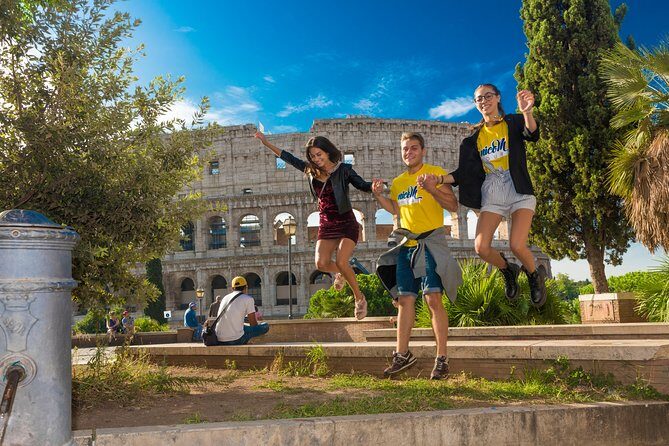
The Colosseum is impressive from anywhere. What changes this tour is that you don’t just stand near it—you move through the site in a way that makes it feel like you’re stepping into the original rhythm of the place. After meeting your guide at Via delle Terme di Tito, you walk to the Colosseum and start with the amphitheater experience in the right order: you’ll go through the Gladiator’s Gate and then onto the Arena Floor, which is normally restricted.
This is the moment I like most because it’s visual and physical at the same time. You’re down on the same level as the show once happened. Even if you know the basics, seeing the geometry of the arena—how the stands curve around the performance area—makes the stories stick. In the reviews, people consistently highlight that this is the part that feels most “worth paying extra,” and I agree with that logic: arena access is harder to get on your own, and the guide helps you interpret what you’re looking at.
One small caution: Colosseum security can be unforgiving. They use metal detectors and there’s no bag check service, so you need to travel light. The rules listed for you are very specific: no glass bottles, spray cans, alcohol, large bags/backpacks/suitcases, pointed-tip umbrellas, tripods, drones, knives/scissors, and anything sharp. If you’re unsure, plan for a small bag that can be inspected.
You can also read our reviews of more tours and experiences in Rome.



Inside the Tiers: Social Class, Seating, and What You Can Actually Picture
After the arena-floor moment, you move up into the first and second tiers. This section matters because the Colosseum isn’t just one big oval; it’s a structured seating system tied to who mattered in Roman society. Your guide’s job here is to turn “rows of stone” into a clear picture of crowd placement.
You’ll hear how seats were assigned according to social class. That detail makes a big difference when you stand where different groups would have sat. Instead of thinking only about gladiators, you start seeing how the building reinforced hierarchy—power on display, even in entertainment.
The best part is that your guide is doing the translation work for you. In the reviews, the strongest praise goes to guides who kept the timing tight and used clear explanations (people named Patricia, Nancy, Ian, Amir, George, and Alessandro for good results). When the language is clear and the pacing is smooth, the whole Colosseum visit feels less like random sightseeing and more like a guided story you can follow.
The drawback is real: some reviews mention that English understanding can be difficult with heavier accents or fast delivery. If you fall into the “I miss details if I miss words” group, choose the option that gives you the best audio setup (and if you’re offered a choice, confirm what you’ll receive). Also, the tour is designed to cover a lot in a short window—so if your goal is a slow read of every sign, you may feel rushed.
Palatine Hill: Emperor Residences and the Best Rome View Reward
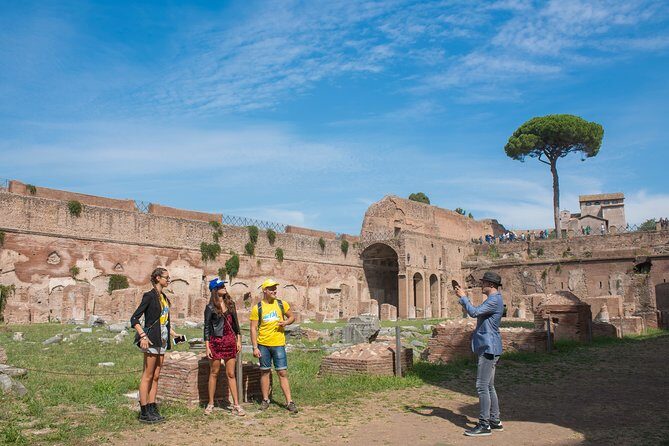
Once you’re done with the amphitheater story, the tour shifts to the Palatine Hill, often called the heart of ancient Rome. This stop is where the tour’s value gets interesting if you like “how the city worked” more than “what the building is called.”
You’ll explore the heart of the hill with your guide walking you through ruins tied to emperors’ residences. The Palatine is not just archaeology—it’s a place where you can feel why powerful people would want to live here. It’s slightly higher, slightly exposed, and it frames views of Rome in a way that helps you understand how location mattered.
One review tip that I really like: after the guided portion ends, make time to climb a bit further and explore more of the Palatine archaeological area on your own. The guide can point out the big structures and themes, but the best experience for many people comes from lingering at viewpoints where the city spreads out beneath you.
Fitness note: Palatine Hill involves steep grades, uneven pavement, and stairs. The tour includes “moderate physical fitness” guidance for a reason. If you know you’ll struggle with repeated stair climbs, this is the stop where you’ll feel it most.
Roman Forum: Power, Betrayal, Temples, and Curia
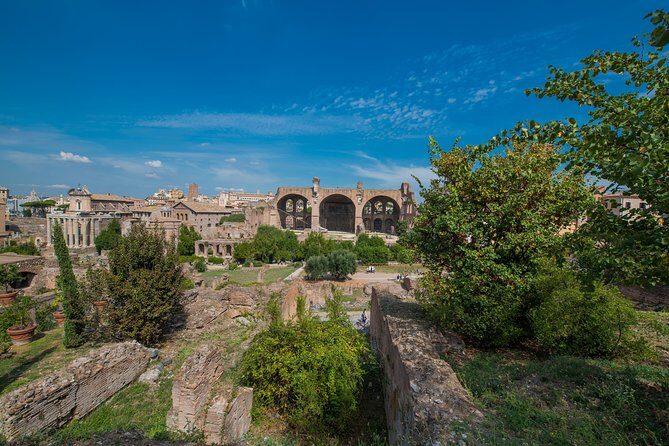
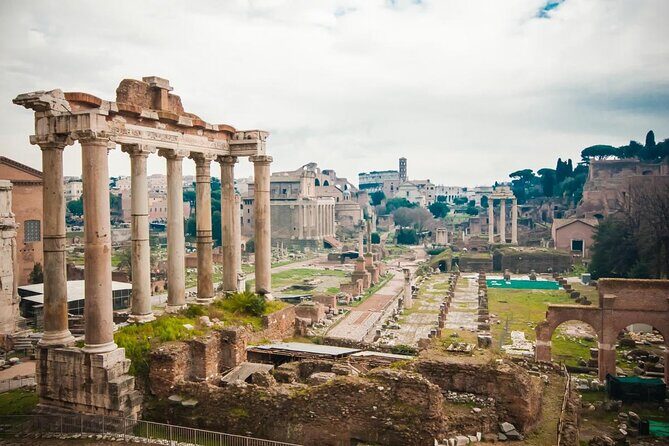
Then comes the Roman Forum, and this is where the tour really earns its keep if you want context. The Forum can feel like a scatter of stone ruins if you’re just reading plaques. With a guide, it becomes a map of power: where leaders made decisions, where speeches and politics played out, and where backstabbing wasn’t a metaphor—it was part of the system.
You’ll see major historic ruins such as the Temple of Caesar and the Temple of Saturn, plus key civic spaces like the Curia. The guide tells stories about the period—power shifts, ambition, and how quickly Rome’s political spotlight could turn dangerous. If you’ve ever wondered why the Romans built so many monuments to authority, this is where the why comes alive.
A fair warning: the Forum stop is popular and can get loud with crowds. A few reviews mention audio receiver issues or that the guide’s style could be hard to follow from time to time. If you’re using a guided headset, bring patience; crowds can make sound bounce. And if you’re choosing the audio-guide option instead of a live guide, the materials may feel more self-directed than story-driven.
There’s also the pacing issue. Some people felt the tour was rushed through the Forum and Palatine area. That doesn’t mean the route is wrong—it just means it’s a highlights tour. You’ll get meaning, but you won’t get hours of slow wandering.
Timing, Walking, and Heat: The Practical Side You Should Plan for
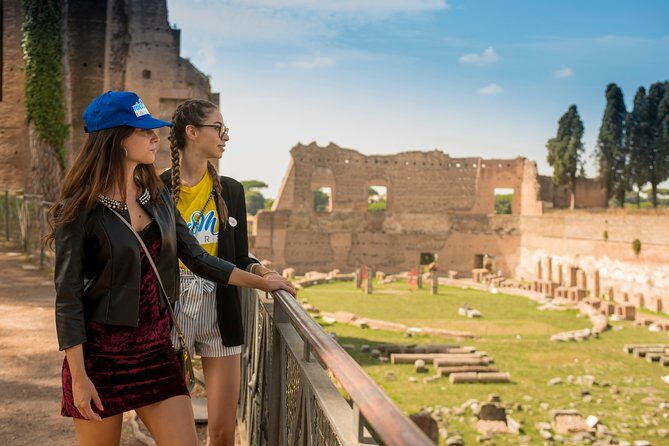
This is the part of the experience that can surprise you, even if you’re excited. The tour runs for about 3 hours, and it’s heavy on movement: flats, uneven surfaces, steep grades, and stairs. That’s why the tour is capped at small-group size (up to 24 travelers). A larger group would make this kind of route feel impossible to manage.
Heat is another factor. One review specifically called out a very hot day at an early start time, and the theme is consistent: morning helps, but you still walk in open-air spaces. I’d treat it like any summer Rome plan:
- Wear light layers you can move in.
- Bring water and use refill points if they’re available during your day.
- Plan for sun protection if your forecast looks bright.
One reviewer also mentioned taps with fresh water at different points in the area. It’s smart to carry a bottle you can refill rather than relying on convenience stores.
If you’re traveling with kids, a stroller, or someone with limited mobility, it’s worth thinking hard. The route involves stairs and uneven ground. A couple of reviews referenced challenges with pacing and stairs, including one where the group got separated during part of the Colosseum visit. You don’t need to be stressed, but you should set expectations: this tour is designed around walking and keeping up.



Price and Value: What You’re Actually Paying For
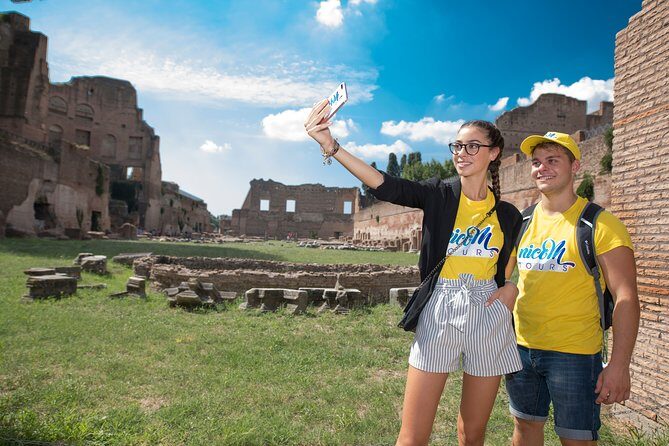
The price is $71.20 per person. That can sound steep until you break down what you’re buying.
You’re getting:
- A Colosseum entrance ticket with arena access (valued at €24 per person),
- A Colosseum reservation fee (valued at €2 per person),
- A structured guided route that includes headsets for groups (unless you select the audio-guide option).
In plain terms, the tour fee isn’t just “someone telling you things.” It covers reserved access and the services that turn a chaotic monument day into a sequence you can follow. Reviews also mention reduced waiting when the tour hits the right window, which is a huge value in Rome where lines can swallow your morning.
Is it worth it? For most people, yes—especially if you care about arena access and want help interpreting the Forum and Palatine. If your priorities are purely to wander, take photos, and read signs at your own speed, a self-guided strategy might feel cheaper. But then you’re trading away the explanations that connect ruins to stories like seating hierarchy and political conflict.
Language matters too. Several reviews praise guides like Patricia and Alessandro for clarity and organization. Others complain about hard-to-follow accents or guides running late. That’s not something you can fully control, but it is a reason to verify the audio setup you’ll use and arrive ready to listen.
Who This Tour Fits Best
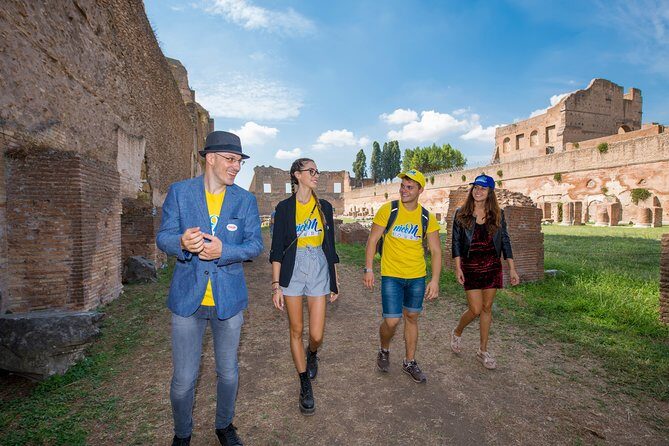
This tour is ideal if you:
- Want to see the big three ancient sites in one half-day plan (Colosseum, Forum, Palatine),
- Care about stories and context, not just photos,
- Prefer a guided pace over sorting your own route across multiple entrances,
- Can handle stairs and a good chunk of walking.
It might be less ideal if you:
- Struggle with stairs or uneven pavement,
- Get frustrated when a guide’s pace is fast,
- Want deep time inside museums and want to linger for long stretches,
- Are expecting a perfectly “slow and relaxed” Roman day.
One more practical note: you’ll need your ID and your ticket names have to match. Reviews include a situation where a name mismatch created a denial risk. Before you go, double-check your booking details and make sure your identity documents line up with the reservation.
Should You Book This Colosseum + Forum + Palatine Tour?
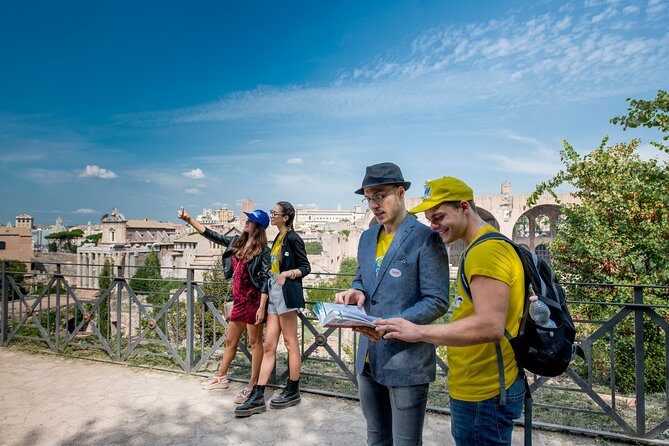
I’d book it if you want maximum impact in a short window and you’re excited by the idea of standing where gladiators once stood. The arena floor access, the guided tier walkthrough, and the Forum’s political context are the trio that turns the Colosseum from famous building into living story.
I’d think twice if you’re very sensitive to accents or you know you’ll only enjoy tours when you can understand every word. In that case, choose the option that best supports audio clarity, bring your own headphones if you select the audio-guide route, and keep expectations realistic: you’ll be moving most of the time.
If you do book, come prepared for walking and heat, travel with a small bag for security, and be ready to listen for the details that make the ruins make sense.
FAQ
How long is the tour?
It runs about 3 hours.
Does this tour include arena access?
Yes. The Colosseum entrance ticket includes arena access.
What are the main stops?
You visit the Colosseum (including the arena and tiers), then Palatine Hill, then the Roman Forum.
Is a guide included?
It depends on the option you select. A professional live guide is included unless you choose the audio-guide option.
Will I have audio/headsets?
Headsets are provided for groups for the guided option. If you choose the audio-guide option, you’ll use your own headphones and may need to download the POP GUIDE app in advance.
What’s the meeting point and where does it end?
Start: Via delle Terme di Tito, 93, 00184 Roma RM, Italy.
End: Colosseum, Piazza del Colosseo, 1, 00184 Roma RM, Italy.
What’s the group size?
The tour has a maximum of 24 travelers.
What items are not allowed at the Colosseum security check?
The tour info lists strict restrictions such as no glass bottles, spray cans, alcohol, large bags/backpacks/suitcases, pointed-tip umbrellas, tripods, drones, knives/scissors, or other sharp/dangerous objects. Only small bags are permitted and must be inspected.
Is it possible to cancel for free?
Yes. Free cancellation is available if you cancel up to 24 hours in advance for a full refund.