REVIEW · COLOSSEUM TOURS
Rome: Colosseum and Ancient Rome Small Group Guided Tour
Book on GetYourGuide →Operated by The Ultimate Italy · Bookable on GetYourGuide
Rome’s Colosseum still grabs you fast.
What makes this tour work is the small-group size paired with an expert guide who keeps the story clear and focused, plus headsets so you can actually follow along when crowds swell.
I also like that your admission ticket is included, so you spend your time seeing, not juggling details. The one drawback to plan for is the strict timing and mandatory security checks at the sites—if you’re late or miss the ID rules, you may not get in.
In This Review
- Key Things I’d Focus On
- Why This Colosseum + Ancient Rome Tour Feels Like a Real Guided Walk
- Where You Meet (and Why 30 Minutes Early Matters)
- The Colosseum Walk: Arena Views, Gladiator Prep, and Spectacle Culture
- Political Power Inside the Seats: How Propaganda Worked
- How the Romans Built the Colosseum (and What That Teaches You)
- The Roman Forum and Palatine Hill: Rome’s Downtown, Not Just Ruins
- Headsets and Small-Group Pacing: The Comfort Factor That Really Counts
- Timing, What to Bring, and What to Wear
- Languages and Group Experience: You Can Choose Your Comfort
- Price and Value: Is $55.51 a Good Deal?
- Who This Tour Suits Best (and Who Might Want Another Option)
- Should You Book This Colosseum and Ancient Rome Small Group Tour?
- FAQ
- How long is the tour?
- Where do I meet the guide?
- What’s included in the price?
- Do I need an ID to enter?
- Is the tour wheelchair accessible?
- What languages are offered?
- What should I wear and bring?
- Is it refundable if I can’t go?
Key Things I’d Focus On
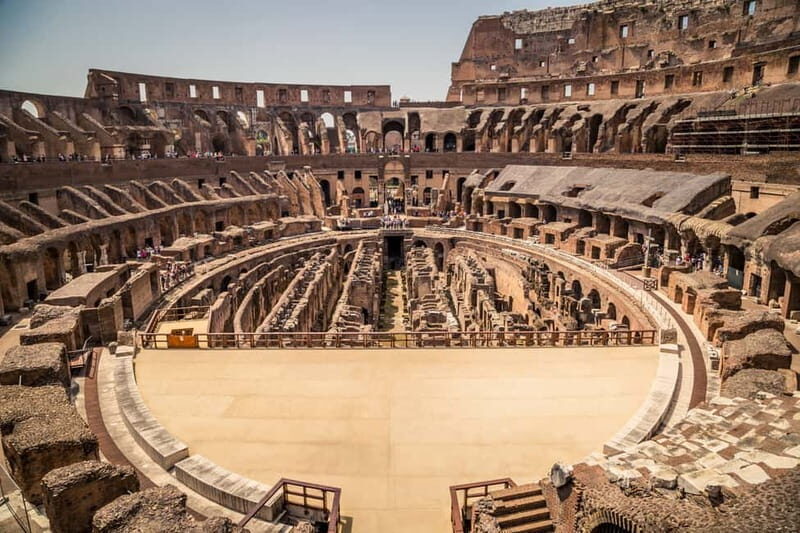
- UNESCO Colosseum visit with a guided 1-hour walkthrough
- Arena stories that go beyond gladiators, including animal-fight culture
- Roman engineering and construction techniques explained in plain language
- Roman Forum + Palatine Hill treated as the political and everyday heart of the city
- Headsets included, a big deal at busy sites
- Photo tips during the walk, not just a generic stop-and-go shuffle
Why This Colosseum + Ancient Rome Tour Feels Like a Real Guided Walk
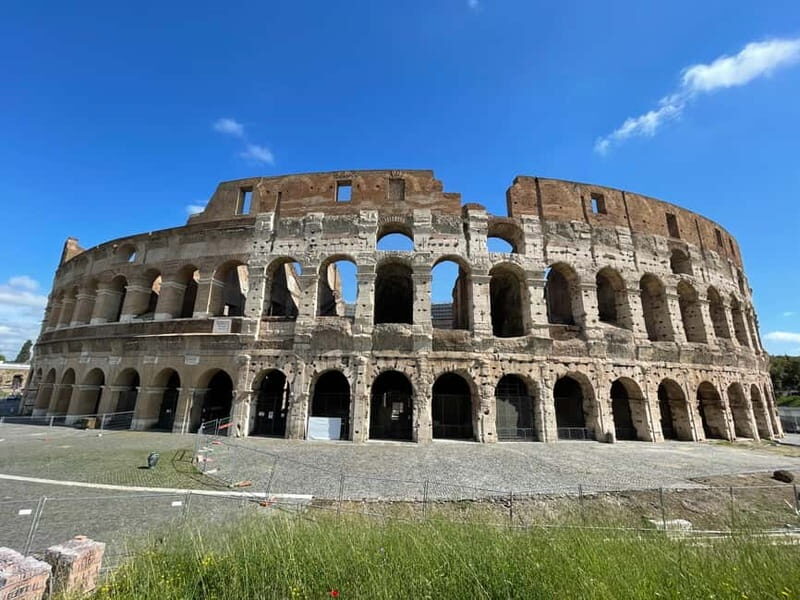
If you only visit the Colosseum on your own, you’ll still see the big shape of it—arches, tiers, the drama. But with a guide, you understand what you’re actually looking at. This is the kind of tour where the building becomes a stage, and the people become understandable.
The Colosseum (UNESCO-listed) dates back to 72 A.D., and the guide ties that age to how it was built and used. You’re not just hearing facts; you’re getting the story behind the facts—construction choices, spectacle routines, and why emperors cared so much about what happened inside.
And because it’s a small group, the pace feels more human. You get time to ask questions in the moment and hear the guide without constantly leaning in or guessing what’s being said.
You can also read our reviews of more guided tours in Rome



Where You Meet (and Why 30 Minutes Early Matters)
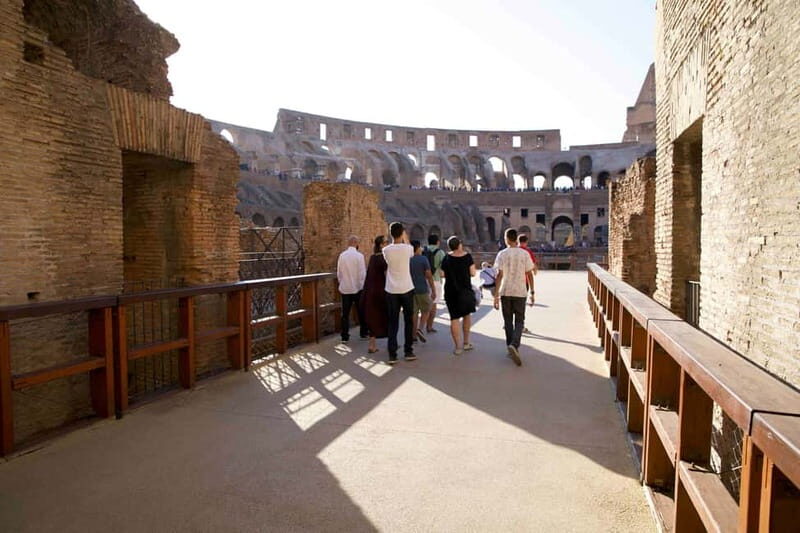
This tour starts at Via del Colosseo 31, with coordinators wearing The Ultimate Italy t-shirts. You meet at the meeting point above the second floor of the Colosseum metro stop (blue line), behind Caffe Roma.
One practical thing I’d take seriously: you need to check in at least 30 minutes before departure. The tour has strict timing, and if you arrive late you won’t be able to join unless you reschedule. That’s not the provider being difficult; it’s how timed entry and group movement work at sites like this.
Also plan for the reality of Rome security. There are mandatory security checks at all entry points, and the waiting time during peak times can be considerable. It won’t be the ticket line—security is its own thing—so buffer your arrival time and don’t plan tight connections right afterward.
The Colosseum Walk: Arena Views, Gladiator Prep, and Spectacle Culture
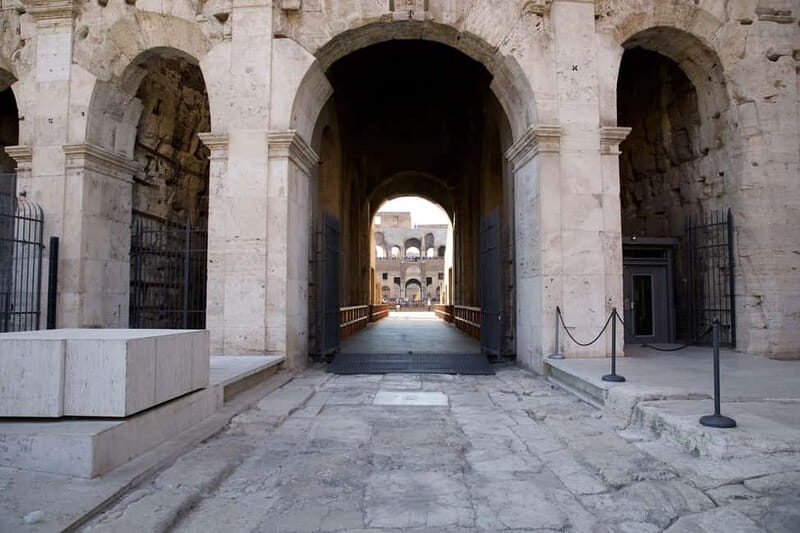
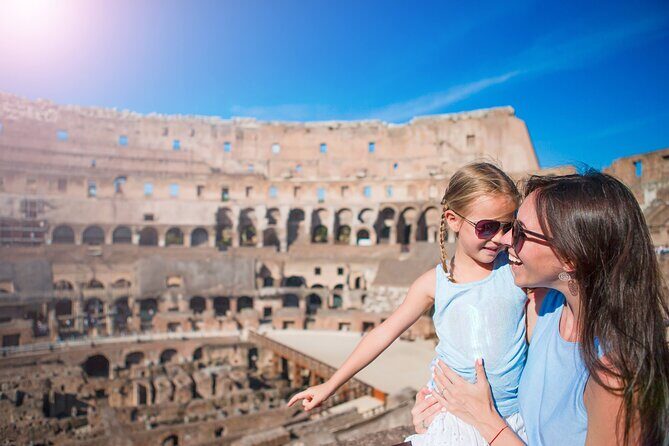
You’ll spend about 1 hour in the Colosseum with a guided tour, after a short on-foot segment near the meeting area. This is where the guide’s storytelling really earns its keep.
You’ll get oriented inside the monument and then move through the spaces that help you picture what the Romans experienced. The tour includes seeing areas where gladiators prepared for battle, plus the seats where spectators watched. Even if you know the basic idea of gladiators fighting, seeing the layout helps you understand the rhythm of the day: training, buildup, then the event itself.
You’ll also hear about the more brutal side of the programming, including violent exotic animal fights. The guide frames these not as random gore, but as part of a spectacle culture meant to keep crowds entertained and politically aligned.
And here’s what I think makes this section especially worthwhile: the stories aren’t just about fights. They’re about why the show mattered. You’ll also hear about political propaganda and how the emperor’s desire for glory shaped the games.
Political Power Inside the Seats: How Propaganda Worked
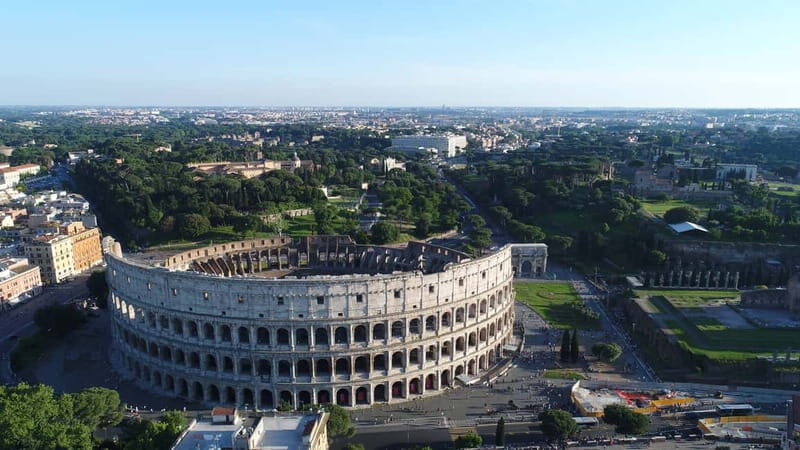
It’s easy to treat the Colosseum as a tourist attraction that happens to have history attached. This tour nudges you toward a harder, more interesting question: what did this mean to the people in power?
The guide explains how the games connected to legitimacy and reputation. Rulers didn’t just sponsor entertainment; they used public spectacle to project strength. In practical terms, you’ll hear why certain moments were crafted to look triumphant and how the crowd’s reaction became part of the message.
You may notice that this changes how you look at the site. The arenas and seating stops being just architecture. They become a communication system, built for visibility and impact.
How the Romans Built the Colosseum (and What That Teaches You)
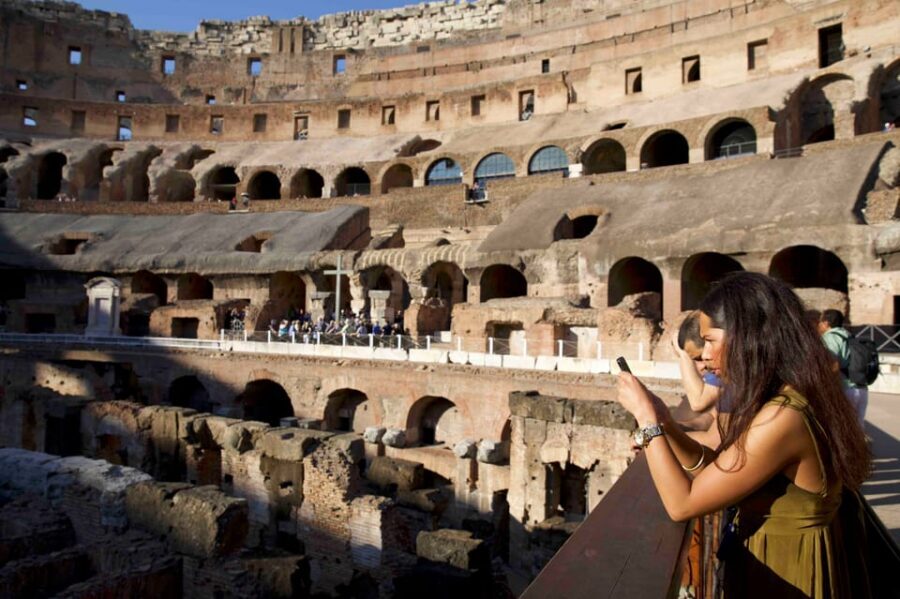
One of the most useful parts of the tour is the focus on construction techniques. You’ll learn about the construction skills the Ancient Romans invented and used to build the Colosseum, and the guide explains them in a way that makes the building feel less mysterious.
This matters because it turns the Colosseum from a single dramatic ruin into an engineering achievement. You’re better able to understand why the structure looks the way it does and why it worked for large crowds.
Instead of just saying, look at that arch, you’ll connect design choices to real-world needs: supporting weight, channeling movement, and creating a space that could handle intense event days.



The Roman Forum and Palatine Hill: Rome’s Downtown, Not Just Ruins
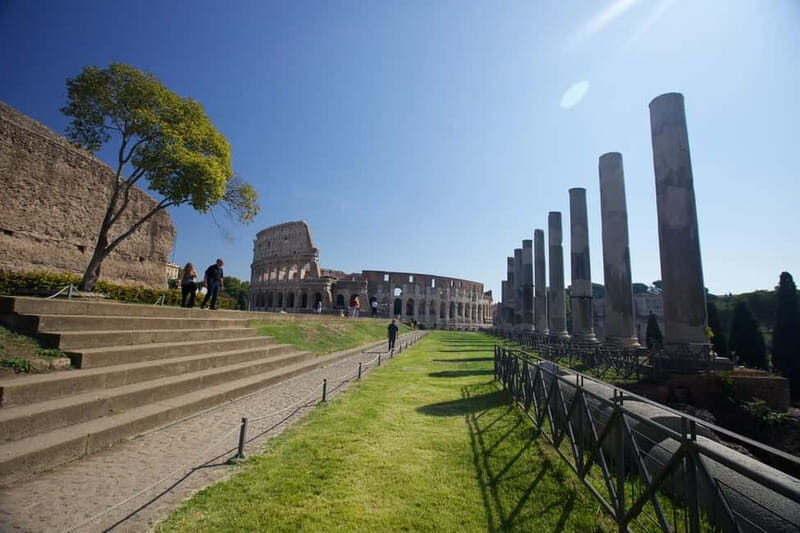
After the Colosseum, you move on foot to the next big stop. The tour’s second guided portion focuses on the Roman Forum and Palatine Hill area, with about 1 hour spent there.
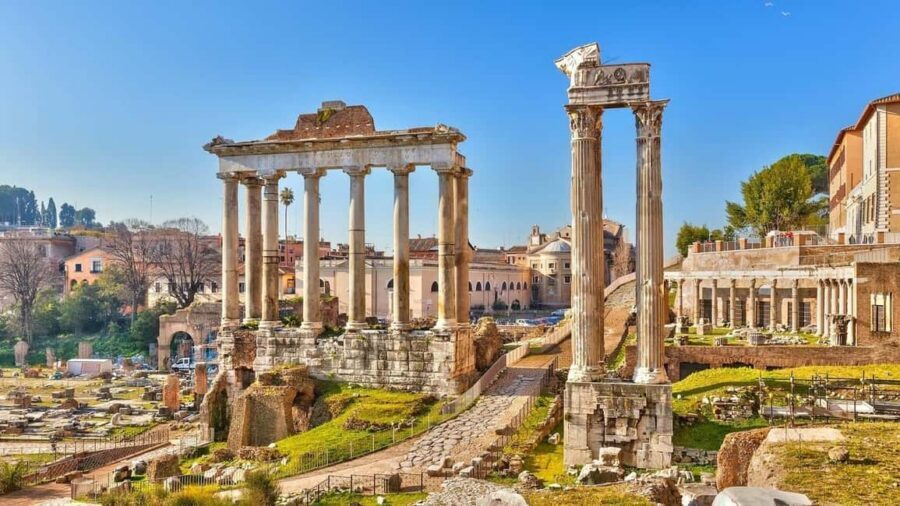
The Roman Forum was Rome’s downtown—its political, economical, and religious center. That’s the key idea the guide keeps coming back to: this wasn’t just where people strolled. It was where power and daily life met.
You’ll learn how Romans lived and what they cared about, then connect it to major roles and institutions. The tour mentions highlights like visiting the imperial palace area or getting a strong view over the city, so you’re not stuck staring at only flat ruins.
Palatine Hill adds another layer. It’s tied to the story of Roman authority and status, and the views help you grasp the scale of what once dominated the city.
Headsets and Small-Group Pacing: The Comfort Factor That Really Counts
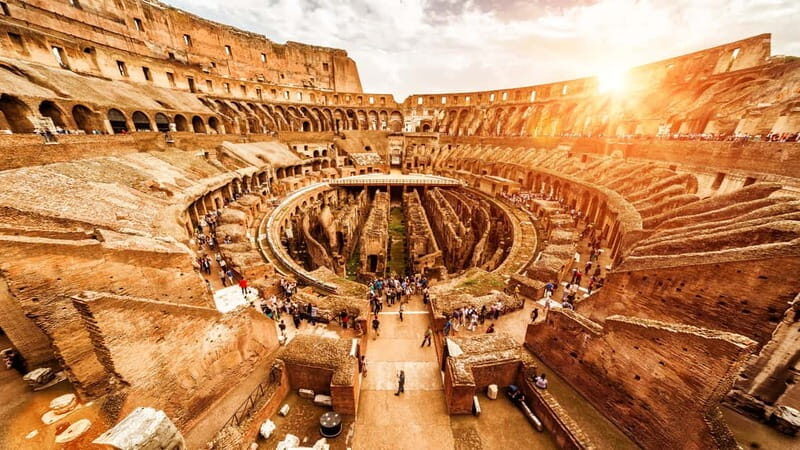
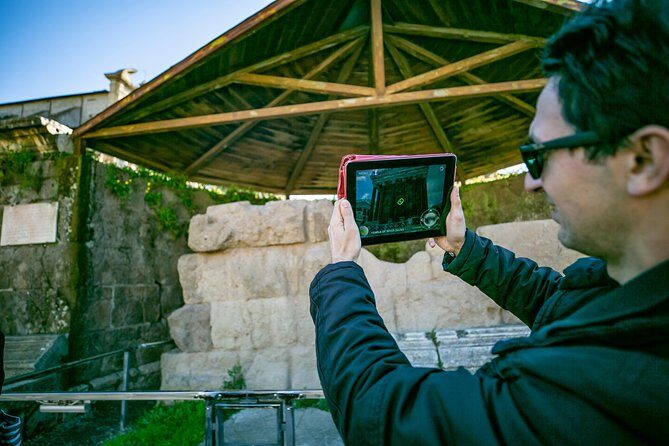
Headsets are included, which is a simple detail that ends up mattering a lot. At the Colosseum, sound bounces, wind happens, and crowds cut across your line of sight. With headsets, you don’t lose the guide every time someone walks in front of you.
The small-group setup also helps with pacing. You’re not being dragged through at a sprint. Instead, you can actually look, listen, and take a moment to let the history land.
If you’re the type who likes stopping for photos, you’ll appreciate that the guide points out best places to capture pictures during the walk. That turns photo time from random guessing into smart positioning.
Timing, What to Bring, and What to Wear
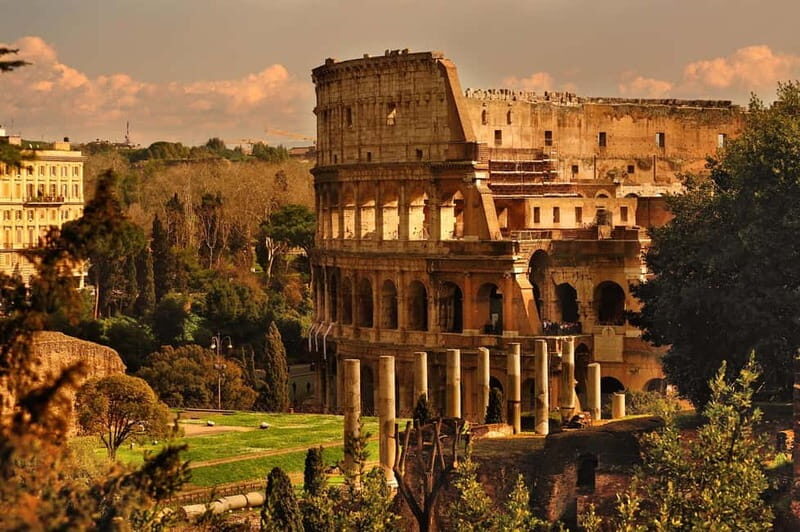
The tour runs about 2.5 hours, and it’s rain or shine unless officials close the monument for safety. That means you should dress for weather changes you might not expect in Rome.
Bring a passport or ID card. An official ID is required for entry, and the names on your booking must match the ID you bring. If that doesn’t match, security staff can refuse entrance. This is one of those rules that can ruin your day fast, so double-check it before you go.
Wear comfortable shoes. The tour is not suitable for people with mobility impairments and it’s not for wheelchair users. There’s walking involved, plus security and site movement.
Also note what you can’t bring. No pets, and no luggage/large bags/backpacks. The goal is simple: keep the paths clear, especially at choke points.
Languages and Group Experience: You Can Choose Your Comfort
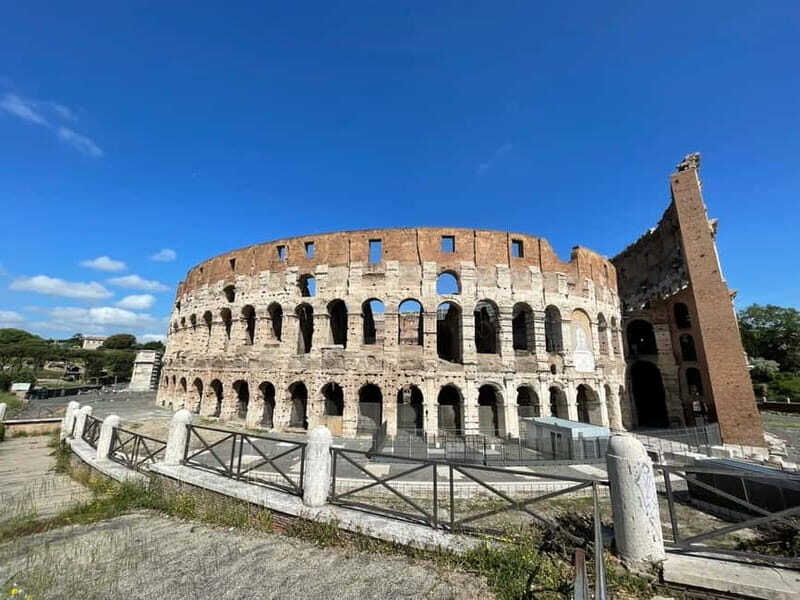
The live guide is available in French, English, and Spanish. That’s useful if you want to avoid the hassle of piecing together what someone else is saying in a language you barely manage.
The format stays the same across languages: guided storytelling with headsets, a structured route, and time in both major sites. So even if you’re switching languages, you should expect the core experience to feel consistent.
Price and Value: Is $55.51 a Good Deal?
At $55.51 per person for a 2.5-hour guided experience, the value depends on what you’d otherwise do.
If you visited on your own, you’d still pay for entry and you’d still need to figure out what you’re seeing. This tour bundles the main pieces: a professional guide, headsets, and the admission ticket. It also includes taxes and fees, which helps you avoid surprise add-ons.
Where this earns its keep is in interpretation. The guide covers topics that are hard to connect on your own in a satisfying way—how the games fit propaganda, what construction details mean, and how the Forum connects to political and everyday life.
So if you want more than the postcard view and you like learning while you walk, this price can feel very fair for what you get.
Who This Tour Suits Best (and Who Might Want Another Option)
This tour is ideal if:
- You want a guided explanation of the Colosseum’s story, not just a self-guided loop
- You like understanding the why behind the spectacle, including political propaganda
- You want one focused, time-efficient outing that also covers the Roman Forum and Palatine Hill
- You appreciate group organization and headsets in crowded places
It may not fit if:
- You need wheelchair-friendly access (it’s not suitable)
- You don’t want to deal with security timing and strict check-in requirements
- You’re traveling with a lot of gear (bags and backpacks are restricted)
If your travel style is very independent and you’re the sort who loves reading every plaque slowly, you might enjoy self-guided time too. But for most people, this guided structure is a smart way to avoid missing the story that makes the Colosseum worth your attention.
Should You Book This Colosseum and Ancient Rome Small Group Tour?
Yes—if you want a guided experience that helps the Colosseum and Roman Forum make sense fast. The combination of small-group pacing, headsets, and a guide who explains gladiator life, arena events, and the political purpose behind the games is exactly what turns this from sightseeing into real understanding.
I’d book it especially if you’re on a short Rome schedule and you want two headline areas handled in one clean outing. Just do yourself the favor of bringing the right ID, arriving early for check-in, and wearing shoes that can handle uneven walking.
If you show up prepared, this is the kind of tour where you leave with a clearer picture of how Rome staged power—literally in stone, with an audience.
FAQ
How long is the tour?
The tour lasts about 2.5 hours.
Where do I meet the guide?
Meet at Via del Colosseo 31, above the second floor of the Colosseum metro stop (blue line), behind Caffe Roma. Look for coordinators wearing The Ultimate Italy t-shirts.
What’s included in the price?
You get a professional guide, headsets, all taxes and fees, and an admission ticket for the locations.
Do I need an ID to enter?
Yes. An official ID is required for every participant, and the name used during booking must match the ID you bring. Security can refuse entrance if this doesn’t work.
Is the tour wheelchair accessible?
No. It is not suitable for people with mobility impairments and is not suitable for wheelchair users.
What languages are offered?
The live guide is available in French, English, and Spanish.
What should I wear and bring?
Bring a passport or ID card and wear comfortable shoes. The tour does not allow pets, and luggage or large bags, backpacks, and unaccompanied minors are not allowed.
Is it refundable if I can’t go?
No. The activity is non-refundable.