REVIEW · ROME
Rome: Catacombs Skip-the-Line Tour with Tickets
Book on GetYourGuide →Operated by Rome With Mike · Bookable on GetYourGuide
Rome’s underground stories can hit hard.
This Catacombs of San Domitilla tour takes you beneath Rome’s surface to follow the burial routes of early Christians—and the shift from pagan Rome toward a Roman-Christian world. You’re walking part of a tunnel system that stretches over 180 miles, guided in English as you learn how these secret spaces worked.
What I love most is the focus: you don’t just see walls underground, you hear why the burial practices mattered. I also like that you get a real guide interaction in a small-group setting, so the time feels earned rather than rushed. One drawback to weigh: the passages are underground and can feel tight, with limited exits, and it’s not suitable for wheelchair users.
In This Review
- Why This Catacombs Tour Feels Different Than a Quick Ticket
- Rome’s Underground Start at Via delle Sette Chiese
- The Skip-the-Line Deal (And When It’s Worth It)
- Visiting San Domitilla: What You’ll Actually Do Underground
- The History Thread: From Pagan Rome to Christian Rome
- The Stop You’ll Remember: Nereus and Achilleus
- Early Christian Art: The Part That Can Feel Surprising
- Your Guide Experience: Small Group Energy and Real Interaction
- What to Bring (Because Underground Comfort Is Real)
- Logistics That Affect Your Day: Timing and Transfers
- Who This Tour Is Best For
- Should You Book This Catacombs Tour?
- FAQ
- What does the ticket include?
- How long is the Rome catacombs tour?
- Where do I meet the guide?
- Is photography allowed inside the catacombs?
- Do I need to arrange my own transportation?
- Is this tour suitable for wheelchair users?
- What should I bring for the underground visit?
Why This Catacombs Tour Feels Different Than a Quick Ticket
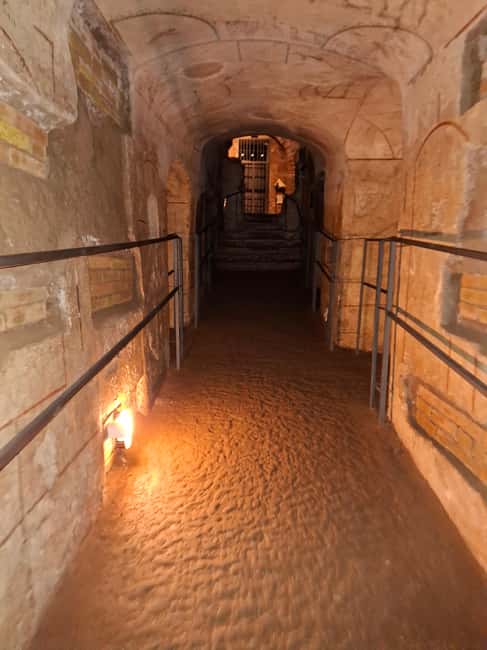
- Skip-the-line tickets included, so you spend time underground instead of queuing.
- English live guide with strong storytelling, and guides like Divan, Heather, John, Sean, and Mike come up repeatedly for clear, funny explanations.
- You’ll see major catacomb features tied to early Christian life, including the tombs of Nereus and Achilleus.
- The tour spotlights some of the earliest Christian artworks you can see in Rome.
- The route focuses on the big turning point: religious persecution and the move from pagan to Christian Rome.
- A guided visit where photography is not allowed inside, keeping attention on the art and architecture.
Rome’s Underground Start at Via delle Sette Chiese
Your tour begins at Via delle Sette Chiese, 282, at a meeting spot in a garden area. The meeting point is by the picnic tables near the white gazebo/umbrellas, and the tour ends back at the same place.
This matters more than you might think. San Domitilla is outside the usual “center of Rome” tourist flow, so having a clear address-based meet-up helps you avoid wasting energy on confusion. Bring your patience and comfy shoes—this is a walk that comes with stairs and underground surfaces.
You can also read our reviews of more tours and experiences in Rome.



The Skip-the-Line Deal (And When It’s Worth It)
The big selling point is simple: you get a skip-the-line ticket and an English-speaking guide for a total 2-hour underground visit. At around $54.66 per person, it’s not a cheap outing—but it is paying for three things you can’t reliably DIY on your first pass: timing, guidance, and interpretation.
Underground sites are easy to misread. Without context, you’ll see corridors and niches and think, I guess people were buried here. With a guide, you start to connect the dots between society, faith, and the way Rome used space for rituals and memory.
If you’re on a short Rome schedule or you hate waiting, this format tends to be a good use of time. If you’re the type who wants to wander slowly and take lots of photos, the “guided + no photos inside” setup may feel restrictive.
Visiting San Domitilla: What You’ll Actually Do Underground
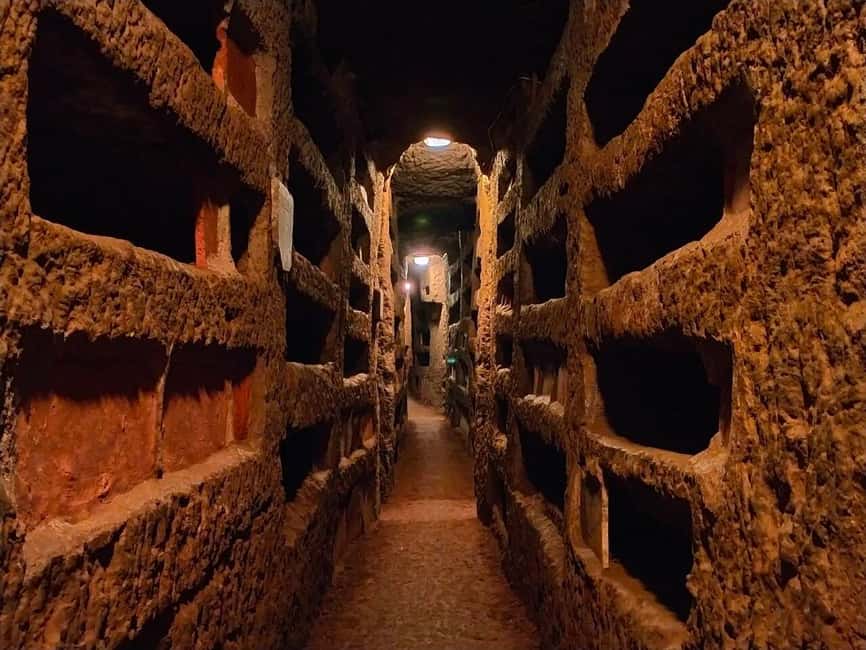
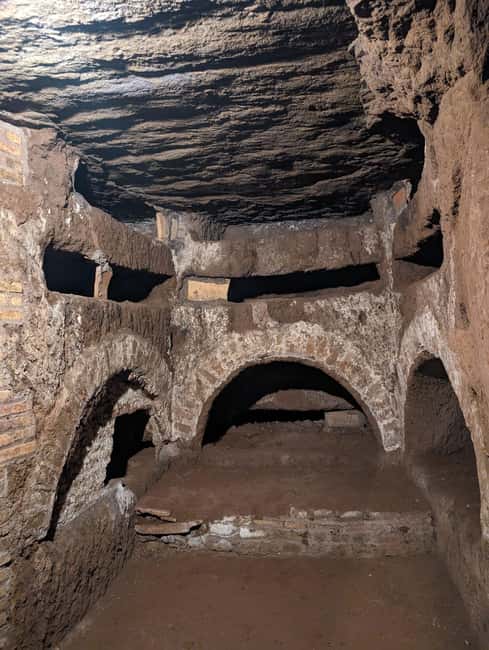
Once you meet your guide, the experience is built around moving through underground areas of the San Domitilla catacombs. You descend outside the city walls into a complex that’s part of a tunnel network stretching more than 180 miles.
Expect a guided walk that’s not just “look here, next corridor.” The tour is designed to explain how these spaces functioned: burial rites, religious identity, and how early Christians used underground routes when they needed privacy or protection.
You’ll also spend time at notable points, including:
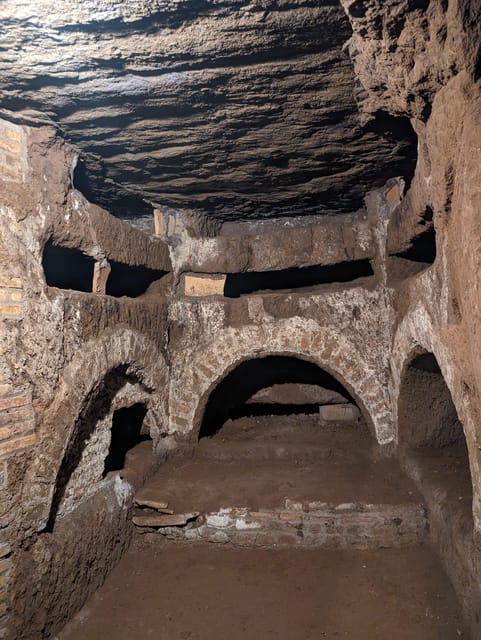
- The tombs of Nereus and Achilleus
- Sections that include some of the earliest Christian artworks available to see in Rome
And yes, it’s a history experience, not a shock-and-gore one. One guide-led visit note that you might appreciate: you shouldn’t expect a tour focused on seeing bones. The attention is on sites, symbols, and architecture.
The History Thread: From Pagan Rome to Christian Rome
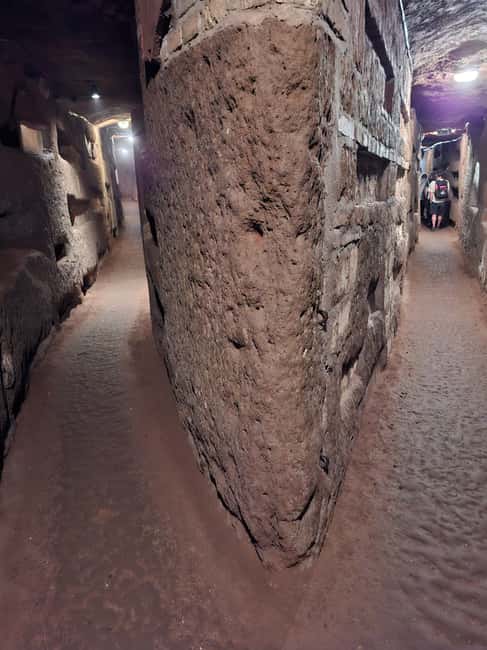
A strong part of this tour is the narrative arc. You hear about Rome’s religious world shifting—moving from pagan practice toward a Roman-Christian identity. That transition isn’t treated like a textbook lecture; your guide ties it to the social reality of the time.
You’ll learn about:
- Religious persecutions
- The burial customs and rituals that came with the new faith landscape
- How underground spaces helped early Christian communities navigate risk and identity
This kind of storytelling is valuable because it explains why the catacombs look the way they do. The tunnels weren’t built for sightseeing. They were built for life around death, memory, and community belonging.
The Stop You’ll Remember: Nereus and Achilleus
One of the tour highlights is seeing the tombs of Nereus and Achilleus. For a lot of people, that’s the moment when the experience clicks. Instead of thinking of “catacombs” as a general attraction, you get a specific anchor tied to real names and a real underground presence.
This is also where a good guide matters. The best tours don’t just point. They connect the physical spot to the broader story: who these people were in context, what their burial location signaled, and how early Christians used symbolism to communicate belief.



Early Christian Art: The Part That Can Feel Surprising
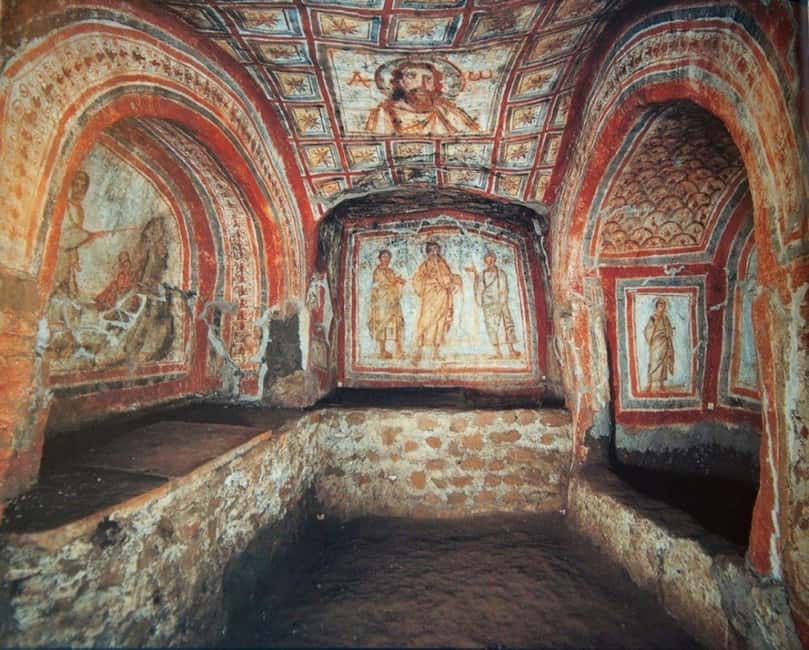
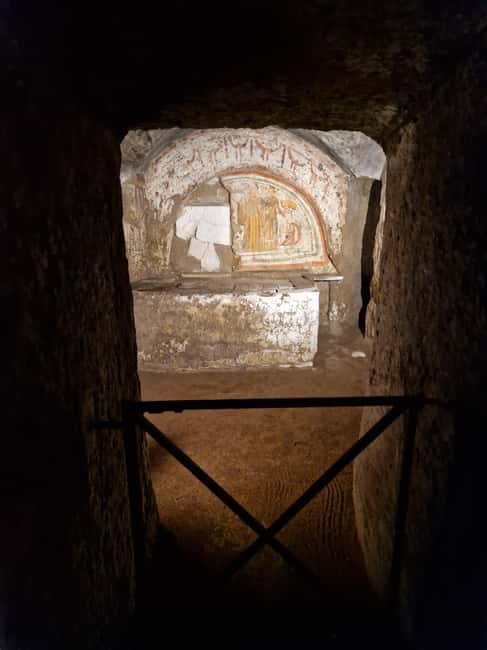
The tour includes time to admire some of the earliest Christian artworks found in Rome. This is not a museum-style viewing. It’s art in place—paint or imagery connected to the burial setting around it.
If you’ve only seen Christian art later in Rome, underground artwork can change your perspective quickly. You’re seeing early symbols and visual language emerging before the big church era gets fully underway. It’s a reminder that religious history often shows up first as small, careful meaning, not grand monuments.
Since photography is not allowed inside, you’ll want to focus on remembering what you see. If you like to “capture proof” on your phone, plan to take photos before you enter and then treat the art as a mental snapshot.
Your Guide Experience: Small Group Energy and Real Interaction
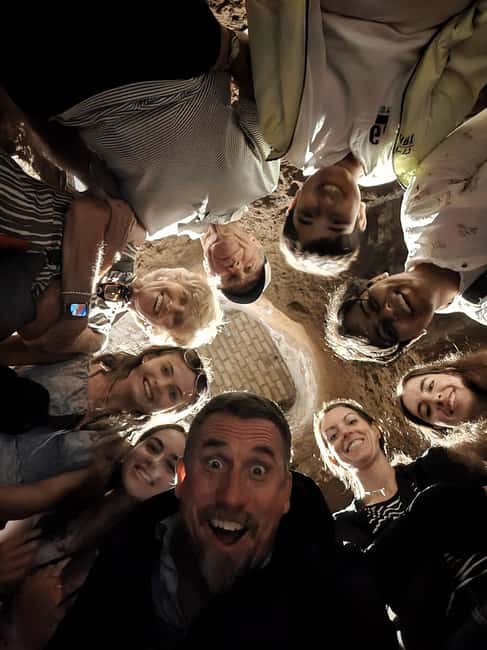
This is the type of tour where your guide’s style can make or break the visit. Multiple guides have been mentioned—John (including praise for native-level English), Divan (systematic, clear explanations plus supportive encouragement), Heather (humor with a reverent tone when it needs to be serious), and Mike (storytelling that kept people laughing while still delivering the core facts).
What you’re paying for here is guided interpretation, but the best version includes breathing room for questions. Several comments point out that guides were willing to answer additional questions and explain in a way that didn’t feel like a history exam.
One practical note: the tour requires a strong command of English. If you’re not comfortable following guided explanations in real time, this could be tougher underground, where sound can bounce and you may be walking and listening.
What to Bring (Because Underground Comfort Is Real)
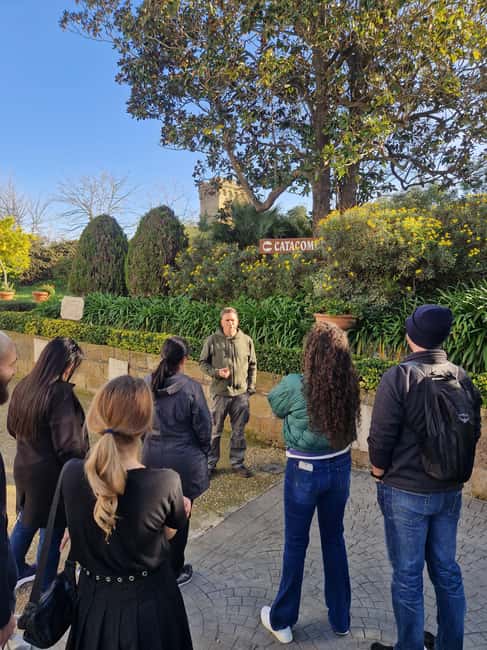
You’ll want to show up prepared. The tour guidance is straightforward:
- Wear comfortable shoes
- Bring a jacket (underground spaces can feel cooler)
- Dress for weather changes
That’s the basics, but here’s the value of thinking about comfort. The catacombs involve narrow passages and a set of underground routes with limited exits. Even if you’re not claustrophobic, cramped spaces can make you anxious if you’re not ready for the feel.
If you want a smoother experience:
- Wear shoes with grip
- Avoid anything that restricts movement
- Keep your jacket handy if you get cold easily
Logistics That Affect Your Day: Timing and Transfers
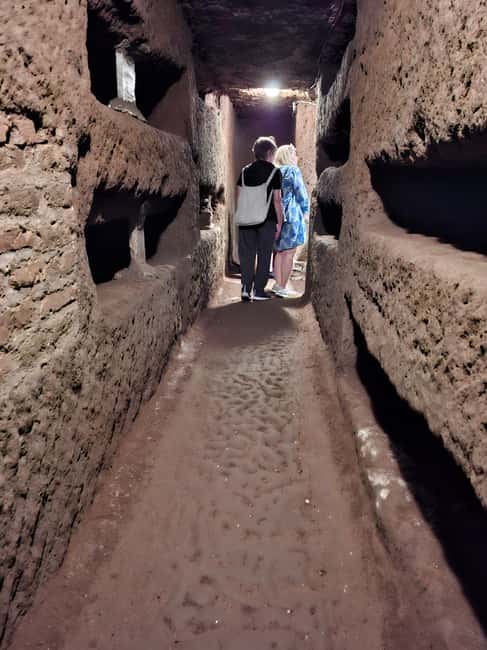
The experience runs for 2 hours, and starting times vary by availability. Your meeting point is fixed at Via delle Sette Chiese, 282, and you return there at the end.
One thing to note: transfer is not included. That means you’ll need your own plan to get there and back. If you’re using public transport, build extra time so you’re not sprinting across Rome before you go underground.
Also, the tour isn’t suitable for wheelchair users. If mobility access is part of your planning, treat this as a hard limitation rather than something to ask about last minute.
Who This Tour Is Best For
This tour is a great fit if you want:
- A guided walk where the story matters
- Early Christian art and burial sites in a setting that feels intensely real
- A short but focused underground experience (2 hours) with interpretation
It’s also a solid choice for families, because the guides described in the experience data used humor and pacing that held children’s attention. That said, it’s still underground and can be tight, so use your judgment for younger kids who get restless in enclosed spaces.
You might skip this tour if:
- You need lots of photo time inside (it’s not allowed)
- You rely on wheelchair access
- Your English level isn’t comfortable enough for strong spoken explanations
Should You Book This Catacombs Tour?
If you’re choosing between a self-walk and a guided catacombs visit, I’d book the guided option. The skip-the-line ticket plus an English guide turns the catacombs from a strange underground route into a story you can follow—especially around the moments like Nereus and Achilleus and the earliest Christian artworks.
Book it if you value interpretation, want to understand the pagan-to-Christian transition, and you can handle narrow underground passages. I’d pass if you’re photo-focused, mobility-limited, or you know you struggle with spoken English guidance.
FAQ
What does the ticket include?
The tour includes a skip-the-line ticket and an English-speaking guide. The visit focuses on exploring the Catacombs of San Domitilla.
How long is the Rome catacombs tour?
The tour duration is 2 hours. Starting times depend on availability.
Where do I meet the guide?
Meet at Via delle Sette Chiese, 282, in the garden near the picnic tables by the white gazebo/umbrellas. The tour ends back at the same meeting point.
Is photography allowed inside the catacombs?
No. Photography is not allowed inside.
Do I need to arrange my own transportation?
Yes. Transfers are not included, so you’ll need to handle getting to and from Via delle Sette Chiese, 282.
Is this tour suitable for wheelchair users?
No. It is not suitable for wheelchair users.
What should I bring for the underground visit?
Wear comfortable shoes and bring a jacket and weather-appropriate clothing.