REVIEW · FOOD
Rome: Campo De’ Fiori Market & Trevi 4-Hour Food & Wine Tour
Book on GetYourGuide →Operated by Food Raphael Tours and Events · Bookable on GetYourGuide
Your stomach will lead you through Rome.
What makes this tour work is the pairing of Campo de’ Fiori market energy with major landmarks you can actually see on foot, plus a real focus on food and drinks instead of just photos. I love starting in an open-air neighborhood market where you can taste traditional specialties and meet local producers. I also love the big centerpiece meal: lunch served among the ruins of what’s described as the most ancient theater in Rome. One consideration: this is not suitable for wheelchair users, and the route is smart-casual “walk and sample” style.
The vibe stays relaxed, not rushed. You’ll be with a live English guide, and groups max out at 16 people, which helps the pacing feel human. I also like that the tour runs rain or shine, so you’re not stuck waiting for perfect weather while you’re in Rome.
In This Review
- Key things to know before you go
- Campo de’ Fiori to Trevi: why this Rome route makes sense
- Piazza Farnese meeting point and smart-casual reality check
- Campo de’ Fiori market tastings: how to eat like you mean it
- Pantheon area sightseeing: turning monuments into conversation
- Piazza Navona: where food talk meets iconic views
- Trevi Fountain time: photos, coffee energy, and classic Rome flavors
- Lunch among ancient theater ruins: the main meal you’ll remember
- The 4-hour pacing: enough to see a lot, not enough to ruin your day
- Price and value: is $105 a good deal for Rome food?
- Who this Rome tour suits best (and who should skip it)
- Tips to get the most out of your Campo de’ Fiori to Trevi walk
- Should you book this Rome food and wine tour?
- FAQ
- Where does the tour meet?
- What time does the tour start?
- How long is the tour?
- What’s included in the price?
- Is transportation from and to your hotel included?
- How many people are in each group?
- Does the tour run if it rains?
- Can dietary restrictions be accommodated?
- Is the tour wheelchair accessible?
Key things to know before you go
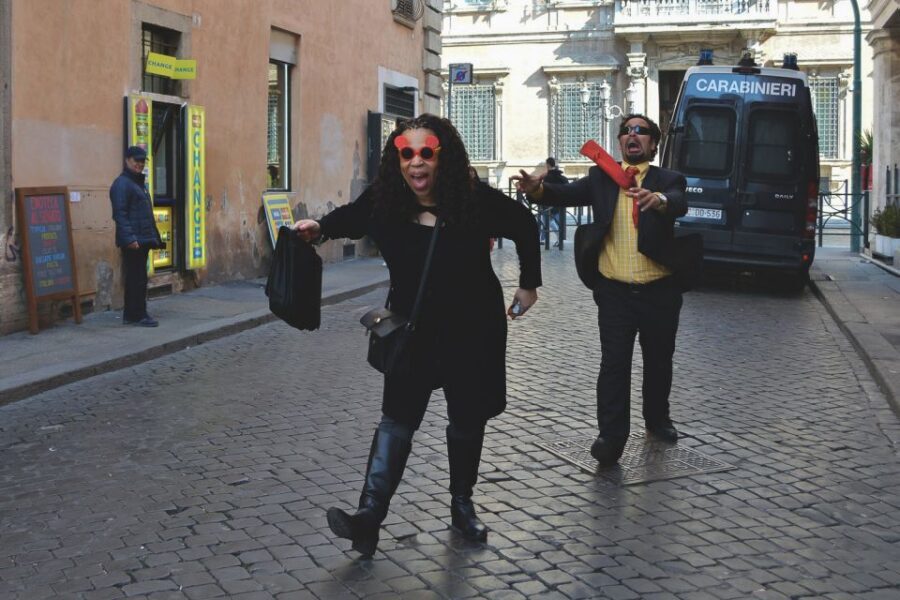
- Campo de’ Fiori is the main event: an open-air farmers market where tastings set the tone for the whole walk
- 7 different eateries: you’ll sample across multiple stops instead of one long meal
- Big sights with local context: Pantheon, Trevi Fountain, Piazza Navona, and more, woven into the food route
- Lunch among ancient ruins: the tour’s highlight meal is tied to one of Rome’s historic settings
- Guides matter: Matteo and Georgia have both been praised for making the pace leisurely and the storytelling fun
Campo de’ Fiori to Trevi: why this Rome route makes sense
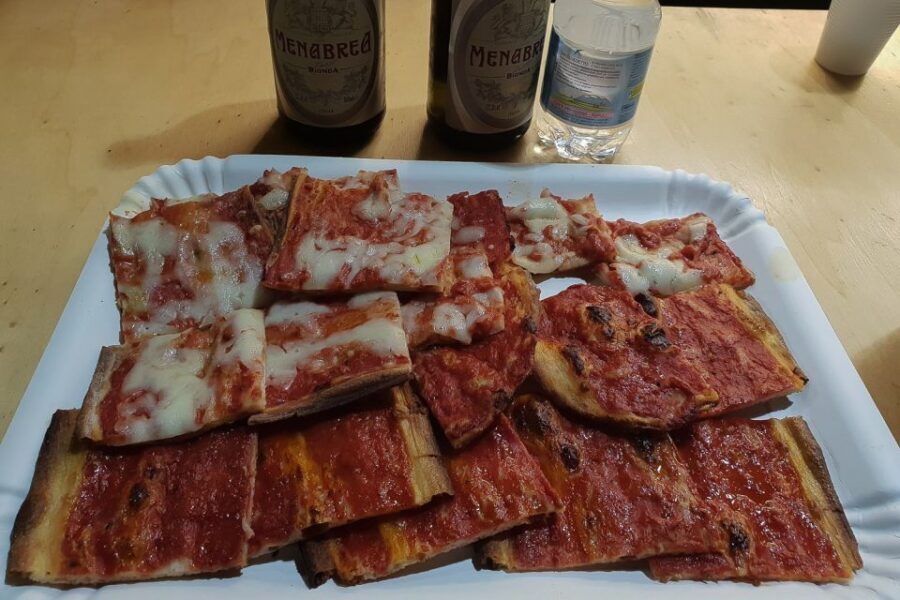
If you only do Rome as a checklist, you miss half the point. This tour is built around an idea that clicks fast: food is a way to understand a neighborhood. Campo de’ Fiori isn’t just pretty. It’s the kind of market square that has always fed people, and that history shows in what’s sold and how vendors talk about what they make.
From there, the walking route ties into classic Rome scenes you can recognize instantly. You’ll see the Pantheon, Trevi Fountain, and Piazza Navona in the flow of the day, not as separate “now I’m sightseeing” moments. I like that because it keeps your brain switched on. One minute you’re eating; the next minute you’re noticing the way the city is laid out and why it still works.
You’re also getting something practical: by the end, you’re meant to leave with confidence and local recommendations for what to do next. That’s a big deal if you’re only in Rome for a few days and don’t want to spend those days wandering without a plan.
You can also read our reviews of more food & drink experiences in Rome
Piazza Farnese meeting point and smart-casual reality check
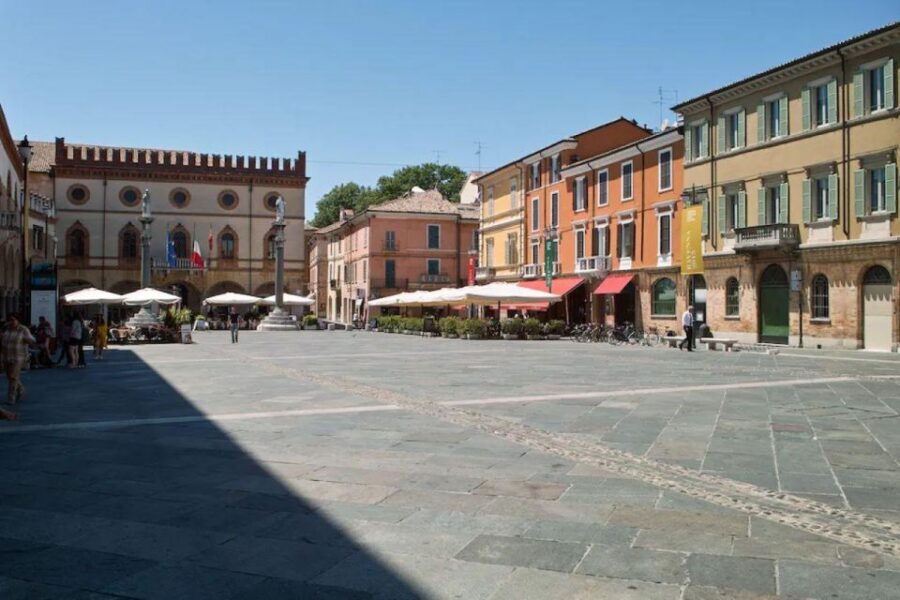
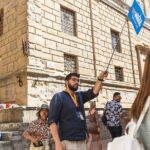
You meet at Piazza Farnese, near the fountain, in front of the church of Santa Brigida. It’s a clear landmark start, which matters because the rest of Rome can be a little maze-like.
Start time is 11:00 AM, so you’ll be early enough to beat some peak crowds around the famous sights, but still late enough that the market scene should feel lively. Dress code is smart casual. Also note the specific restrictions: no shorts, no short skirts, and no sleeveless shirts. Bring comfortable shoes—this is a walking tour and you’ll want your feet to be happy.
If you’re thinking about logistics, transportation from your hotel isn’t included. You’ll likely use a taxi or bus to get to Piazza Farnese. And places visited can change, so it’s worth going in with flexibility.
Finally, this one isn’t wheelchair accessible. If mobility is a concern, check with the provider before booking. One guide was noted as being understanding with a group that included mobility needs, but the tour is still listed as not suitable for wheelchair users, so don’t assume it will work without asking.
Campo de’ Fiori market tastings: how to eat like you mean it
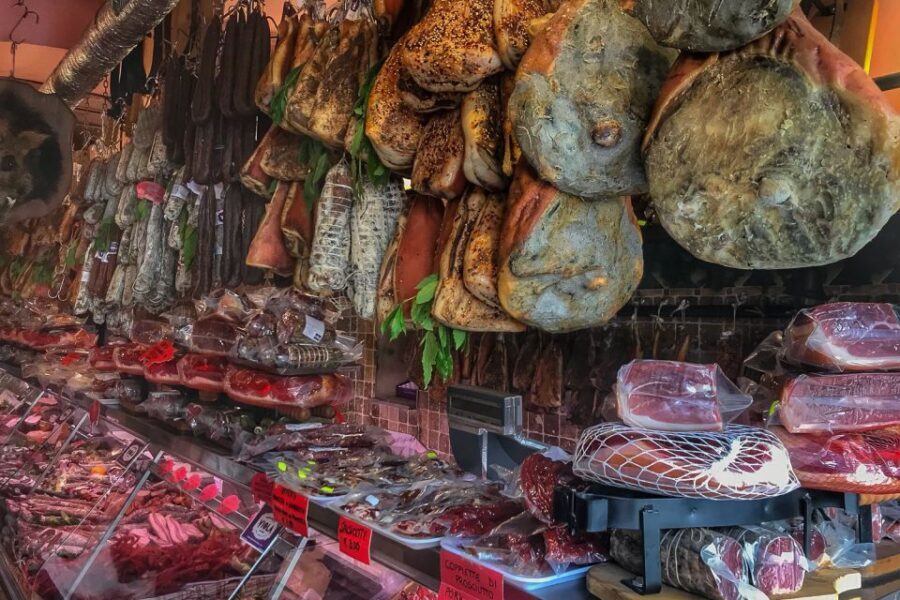
The tour begins in Campo de’ Fiori, and that’s where the whole experience earns its keep. You’re not just browsing. You’re tasting, and you’ll do it across 7 different eateries during the tour.
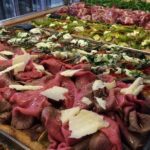
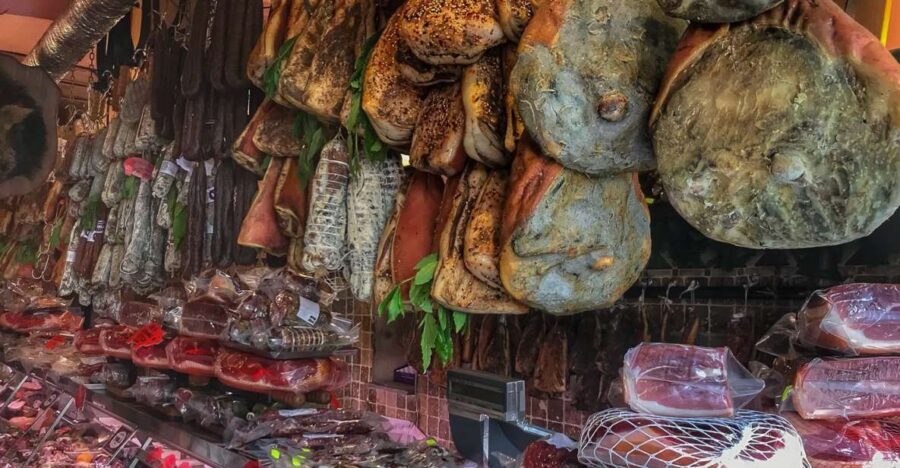
In a market like this, the best approach is simple: arrive hungry and let the guide steer. You’ll learn what to look for, what’s traditional, and what local producers are known for. You’ll also see the kind of food Rome is still built on: cured meats, dairy-and-pasta style staples, and the everyday products that show up in trattorias and home kitchens.
The area is also known for things you might not spot on your own, like top coffee roasters and great ice cream shops. Even if you don’t stop at every single one, the guide’s food perspective makes the neighborhood feel like a lived-in pantry. You’re learning how Rome shops, not just what Rome eats.
Two practical notes for your market time:
- Plan to pace yourself. You’ll be sampling multiple things, not just one bite per stop.
- Keep an eye on your own hunger level. If you’re tempted to snack before the tour, you may end up feeling full halfway through the tastings.
Pantheon area sightseeing: turning monuments into conversation
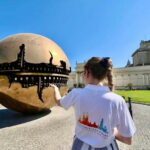
After the market, the walking route shifts into major sights—starting with the Pantheon. The Pantheon is one of those places where you can stare at the building and still feel like you only processed 5% of the story. A good guide fixes that by connecting what you’re seeing to how people moved through the space and what the neighborhood around it has long been about.
Here, the guide helps you read Rome’s “food city” clues in the architecture and the streets. Even if you’ve seen photos of the dome and the entrance a hundred times, you’ll get more from it when you understand how the surrounding area functions as a daily meeting point—perfect territory for markets, cafés, and all the small food businesses that depend on foot traffic.
There’s also a hidden-attraction element baked into the route. The tour description mentions hidden spots, and that’s important. If you only go from landmark to landmark, you’ll spend more time looking for your next destination than learning what makes this neighborhood tick.
Piazza Navona: where food talk meets iconic views
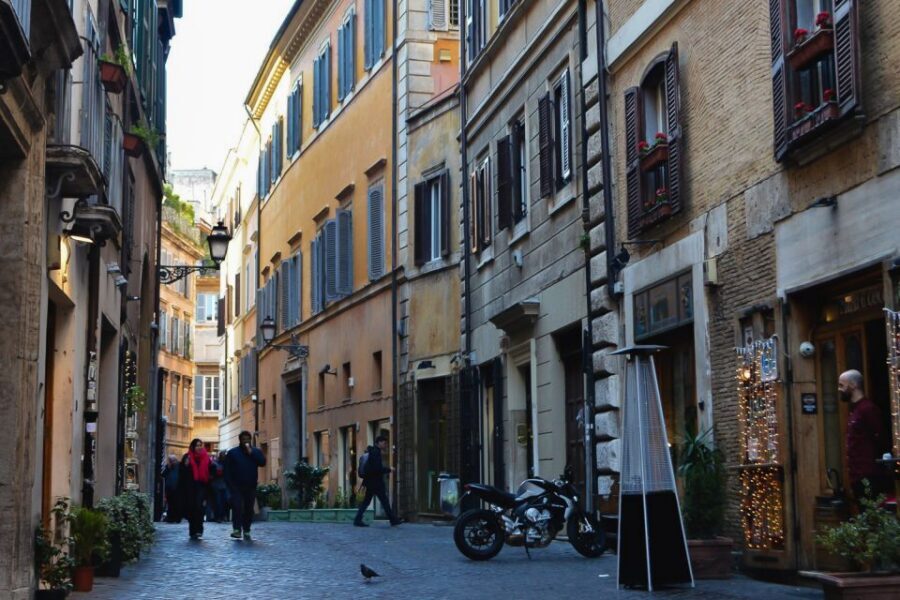
Next up is Piazza Navona. This square is famous for a reason, but it can also become a “photo only” stop if you let it. The tour keeps it grounded in food and local context, so you’re not just standing there trying to capture a picture.
In Rome, the best piazzas aren’t just pretty. They act like social kitchens—people gather, people eat, people watch each other. That’s why a food-focused guide makes sense here. You’ll connect what you’re tasting with the city’s habit of turning public space into something you can actually use.
You’ll also be walking through restaurant territory. The tour is designed for you to notice the places locals would choose, not just the spots that are easiest for tourists to find. That matters later too, because you’ll likely use your guide’s recommendations when you leave the tour.
You can also read our reviews of more tours and experiences in Rome



Trevi Fountain time: photos, coffee energy, and classic Rome flavors
Then comes Trevi Fountain, probably the most recognizable stop on the route. Yes, it’s crowded sometimes, but it’s also where Rome turns up the drama. You’ll get the chance to see it as part of your food walk, which helps you avoid the common trap: arriving already exhausted and then rushing your sightseeing.
What I like about including Trevi Fountain in a food and wine tour is that it forces the landmark to fit into a day plan. You’re not waiting around for it. You’re moving, stopping, eating, and resetting as you go.
The tour description also points out key food themes in this area: the best coffee roasters, excellent ice cream shops, and two top class salami makers in the center of Rome. You may not get every single flavor all at once, but the guide’s knowledge helps you understand why these businesses became known—and how they compare to what you might find elsewhere in Italy.
If you’re a coffee person, this part of the walk can be extra fun because Rome’s café culture is a whole world by itself. And if you’re traveling with a sweet tooth, the hints about ice cream stops are worth keeping in mind for later.
Lunch among ancient theater ruins: the main meal you’ll remember
This tour’s highlight is lunch among the ruins of the most ancient theater in Rome. That’s not just a scenic detail. It’s a value-maker.
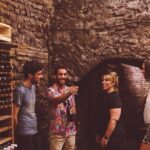
A “food tour” can sometimes mean scattered bites and a light meal. Here, lunch is the anchor. It gives you a real sense of satisfaction, and it’s timed so you’re not too full to enjoy the earlier tastings, but not so empty you feel like you’re waiting all day to eat.
Because food Raphael Tours and Events includes lunch plus food and drinks, you can expect the meal to be part of the structured experience, not an optional “find your own place” situation. And the pacing is described as leisurely by one guide-focused experience with Georgia—meaning you’re not being marched through courses like it’s an assembly line.
Also, this is where you’ll likely get the most practical takeaway from the guide: how to order, what’s worth paying attention to, and what to look for if you want to repeat the experience on your own after the tour.
The 4-hour pacing: enough to see a lot, not enough to ruin your day
The tour lasts 4 hours, which is a smart window in Rome. It’s long enough to cover major landmarks and multiple tastings, but short enough that you don’t end up feeling like you lost an entire afternoon.
It also helps that the maximum group size is 16 people. Smaller groups usually mean more time to ask questions. That’s especially useful on a food tour, because questions are where the experience becomes personal—like what a specific producer is best known for, or how locals think about pairings between food and drinks.
The tour is also rain or shine. Rome weather can be unpredictable, so it’s good to know you’re not waiting out the day. Just bring a mindset for switching from sunshine sightseeing to umbrella-friendly strolling.
One more timing note: the tour starts at 11 AM. That generally works well for balancing market tastings with landmark time before late-afternoon crowds set in.
Price and value: is $105 a good deal for Rome food?
At $105 per person for 4 hours, this isn’t a budget snack crawl. But it also isn’t just you following a map.
Here’s the value logic:
- You’re getting lunch plus food and drinks, not just small samples.
- You’re getting an expert local guide who helps you connect the sights to what people actually eat in the area.
- You’re covering big-name attractions—Pantheon, Trevi Fountain, Piazza Navona—without having to plan separate entry tickets or juggling multiple tours.
- You’re sampling across 7 different eateries, which is hard to replicate independently without planning and trial-and-error.
If you like food and you want both guidance and comfort (a guided route, set stops, guided pacing), this price starts to make sense. If you’re the type who only wants one meal and mostly wants photos, you might feel like you could do it cheaper on your own. For most people aiming for the best “Rome in one afternoon” value, it fits.
One practical booking tip: double check your reservation details before you arrive. There’s at least one account of a double booking and charge situation in similar setups, so take a minute to verify the date and what you’re actually paying for.
Who this Rome tour suits best (and who should skip it)
This is a great fit if you want:
- a guided food experience that includes major landmarks
- a leisurely, structured way to taste without spending your vacation figuring out logistics
- local context that helps you eat smarter after the tour
It’s also a solid choice if you’re traveling with limited time. Four hours is a realistic window to see the heart of central Rome from a foodie angle.
It’s not a good fit if:
- you need wheelchair accessibility (it’s listed as not suitable)
- you want a mostly museum-style experience instead of food-and-walking
And dress restrictions matter. If you show up in clothing that violates the smart-casual guidelines (shorts, sleeveless shirts), you might get turned back or asked to adjust. Plan ahead and you’ll avoid that kind of annoyance.
Tips to get the most out of your Campo de’ Fiori to Trevi walk
A few small moves make a big difference:
- Come hungry, but not stuffed. You’ll have multiple tastings plus lunch.
- Wear shoes you can walk in comfortably for several hours.
- If you have dietary restrictions, advise in advance at booking time so the team can accommodate you.
- Use your guide time well. Ask what to order at the places you pass so you can repeat it later.
- Bring curiosity. Rome food is partly taste and partly culture—how people shop, how they dine, and what they consider normal.
Should you book this Rome food and wine tour?
I’d book it if you want a focused, guided way to see Rome’s top sights while actually tasting your way through central neighborhoods. The combination of Campo de’ Fiori market tastings, landmark stops like the Pantheon and Trevi Fountain, and a proper lunch among ancient theater ruins makes this one of those tours that doesn’t feel like a compromise.
Skip it if mobility needs make walking difficult, or if you’re hoping for a more low-effort, mostly seated experience. And if you’re booking through a third-party platform, take a moment to verify your dates and charges so you don’t start your Rome day dealing with paperwork.
If those conditions work for you, this is a strong choice for a memorable 4 hours—one that fills both your day plan and your appetite.
FAQ
Where does the tour meet?
The meeting point is at Piazza Farnese next to the fountain, in front of the church of Santa Brigida.
What time does the tour start?
The tour starts at 11 AM.
How long is the tour?
The tour duration is 4 hours.
What’s included in the price?
Lunch, food and drinks, and an expert local guide are included.
Is transportation from and to your hotel included?
No. Transportation from and to your hotel is not included.
How many people are in each group?
Maximum group size is 16 people per group (unless special arrangement is made).
Does the tour run if it rains?
Yes. The tour operates rain or shine.
Can dietary restrictions be accommodated?
Dietary restrictions can be accommodated if you advise in advance at the time of booking.
Is the tour wheelchair accessible?
No. It is not suitable for wheelchair users.