REVIEW · FOOD
Rome: Campo de Fiori, Jewish Ghetto and Trastevere Food Tour
Book on GetYourGuide →Operated by Eating Europe Food Tours · Bookable on GetYourGuide
Rome food tastes better when you walk.
This 4-hour Rome food and wine tour strings together Campo de’ Fiori, the Jewish Ghetto, and Trastevere in a way that feels like you’re following where the real meals happen. I like that it’s not just eating stops on a map: you also cross Rome’s oldest bridge, spot landmark sites in the Jewish Ghetto, and get shown those smaller passageways in Trastevere that you’d miss on your own.
Two parts I especially like are the meal at Spirito di Divino with wine and a visit to its wine cellar, plus the classic Roman-Jewish food moments like the fried artichoke and the sour cherry tart. One thing to consider: it’s a walking tour and not suitable for wheelchair users, and the Campo de’ Fiori market stop happens only on the morning tour.
If you want Rome that’s food-first and route-smart, this one is built for that.
In This Review
- Key highlights at a glance
- Campo to Trastevere: why this route feels so right
- Meeting point and how to start without stress
- Campo de’ Fiori market tastings: what you’re really there for
- Jewish Ghetto walking: landmarks plus food context
- Roman-Jewish classics: fried artichokes and the sour cherry tart
- The Spirito di Divino meal: pasta, porchetta, wine, and that wine cellar
- Trastevere’s side streets: hidden passages and VIP restaurant access
- Morning vs evening tours: how the market change affects your day
- Price and value: is $146.14 a good deal?
- Pacing, group feel, and practical tips that help
- Who should book this tour?
- Should you book this Rome: Campo de Fiori, Jewish Ghetto and Trastevere Food Tour?
- FAQ
- How long is the Rome Campo de Fiori, Jewish Ghetto and Trastevere food tour?
- What food and drink stops are included?
- Is the Campo de’ Fiori market included on every departure time?
- Where do I meet the guide?
- What languages is the tour offered in?
- Is this tour suitable for wheelchair users or people with severe allergies?
Key highlights at a glance
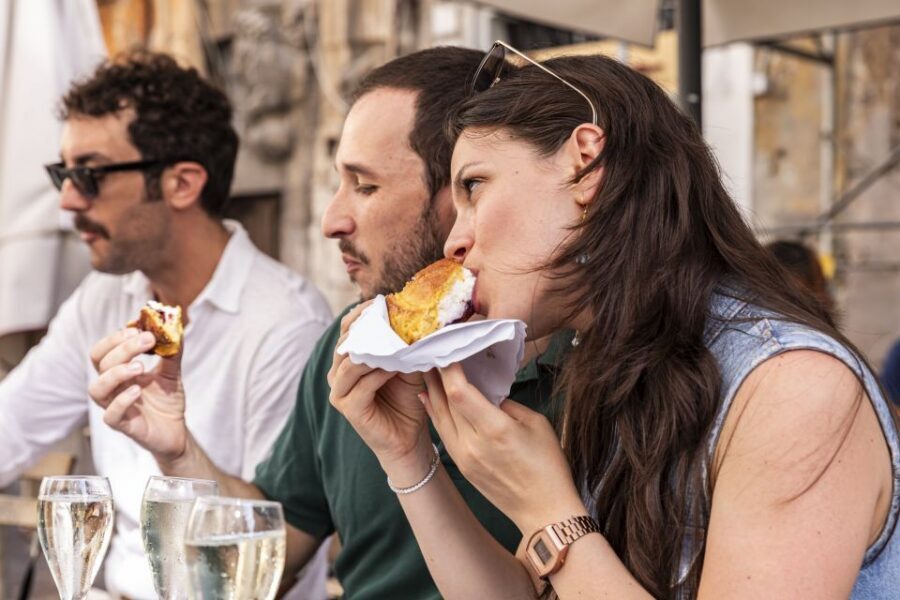
- Campo de’ Fiori market tastings with morning-only access
- Jewish Ghetto landmarks and culinary hotspots with local context
- Rome’s oldest bridge in the middle of the route
- Da Enzo fried artichokes in a tucked-away Trastevere setting
- Spirito di Divino pasta, porchetta, and wine cellar visit
- Sweets and extras like ricotta, gelato, and sour cherry tart
Campo to Trastevere: why this route feels so right
The best Rome food tours don’t just hand you plates. They give you a route that makes the flavors make sense. This one starts in Campo de’ Fiori, swings into the Jewish Ghetto, then ends in Trastevere. That pattern matters because each neighborhood has its own food language.
Campo de’ Fiori is where you get your bearings fast. The air around the market is full of movement and smells, and it sets the tone for the day: you’re going to eat real Roman food, not just sample bite-sized tourist portions.
Then comes the Jewish Ghetto section. It’s about seeing how community history shows up in what people cook. You’ll hit local favorites and landmark sights, and the food stops are tied to that story.
Finally, Trastevere is where things slow down into street-level Rome: side passages, small dining rooms, and long-running eateries. The tour includes what they call VIP access to renowned restaurants in Trastevere, which usually means you’re not standing around waiting for attention while your schedule falls apart.
You can also read our reviews of more food & drink experiences in Rome
Meeting point and how to start without stress
You’ll meet your guide next to the only newspaper stand in the square. Look for someone holding an Eating Europe sign. Do yourself a favor and arrive 15 minutes early so the group can leave right on time.
This matters because the whole experience is built around timing: market hours, restaurant pacing, and the order of tastings. If you’re late, you’ll feel it. If you’re early, you’ll glide in.
The tour runs in English, and it’s designed for a standard walking pace over about 4 hours. It’s also worth noting that pets aren’t allowed (assistance dogs are allowed), and severe or life-threatening allergies can’t be accommodated for safety.
Campo de’ Fiori market tastings: what you’re really there for
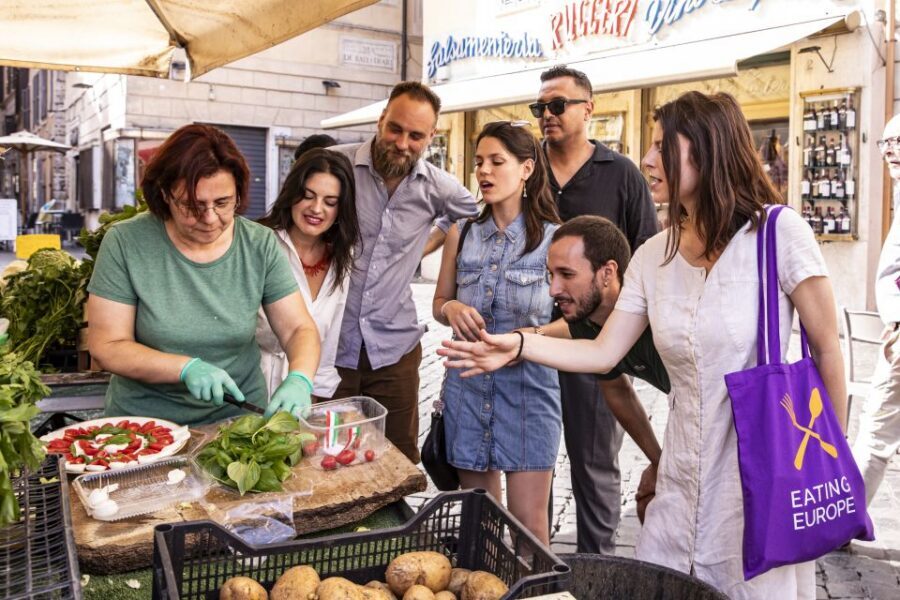
Campo de’ Fiori is the kind of place where you can snack forever if you let yourself. The tour keeps it focused. You’ll get a market tasting experience (included) in the morning tour, and the guide handles the where-and-when so you’re not guessing what’s good or how much to buy.
Expect lively market energy. You’ll be learning what to look for: how stalls work, what local staples smell like, and which ingredients Roma cooks actually revolve around. That context is helpful because later stops start making more sense once you’ve seen the market source.
Included tastings in this day-to-early-part of the route also connect to the tour’s later themes. You may encounter items like ricotta and gelato through the included stops, so the morning isn’t just a warm-up. It’s part of the flavor thread.
One practical consideration: the Campo de’ Fiori market is visited only on the morning tour. If you’re choosing an evening start time, you won’t get that exact market portion.
Jewish Ghetto walking: landmarks plus food context
Once you leave Campo de’ Fiori, the tour changes gear. The Jewish Ghetto section is built around two goals: landmark viewing and eating that fits the neighborhood’s food patterns.
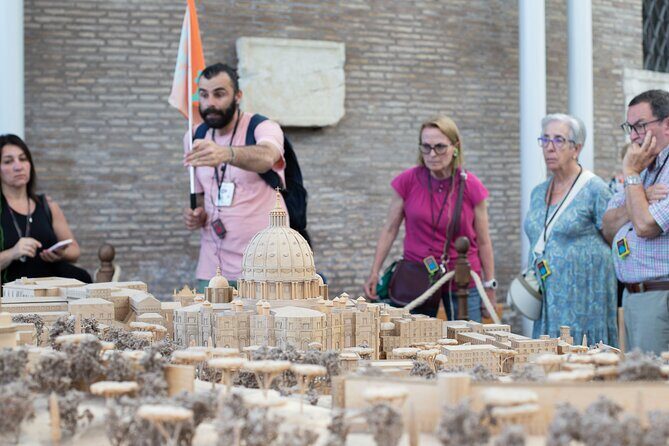
You’ll see Jewish Ghetto landmarks and get shown local favorites and culinary hotspots. That’s the point of having a guide here. Without context, it’s easy to walk through historic streets and miss what’s meaningful. With a guide, you start noticing details that connect buildings and food traditions to what you’re tasting.
A highlight route detail: you’ll cross Rome’s oldest bridge as part of this journey. It’s a nice reset moment in the walk, and it also gives the tour an overall rhythm instead of feeling like a chain of doorways.
Also, the tour includes time exploring hidden passages in Trastevere. Even in the earlier Jewish Ghetto segment, the neighborhood’s narrow streets and small lanes make it feel like a different Rome than the big-name sights.
Roman-Jewish classics: fried artichokes and the sour cherry tart
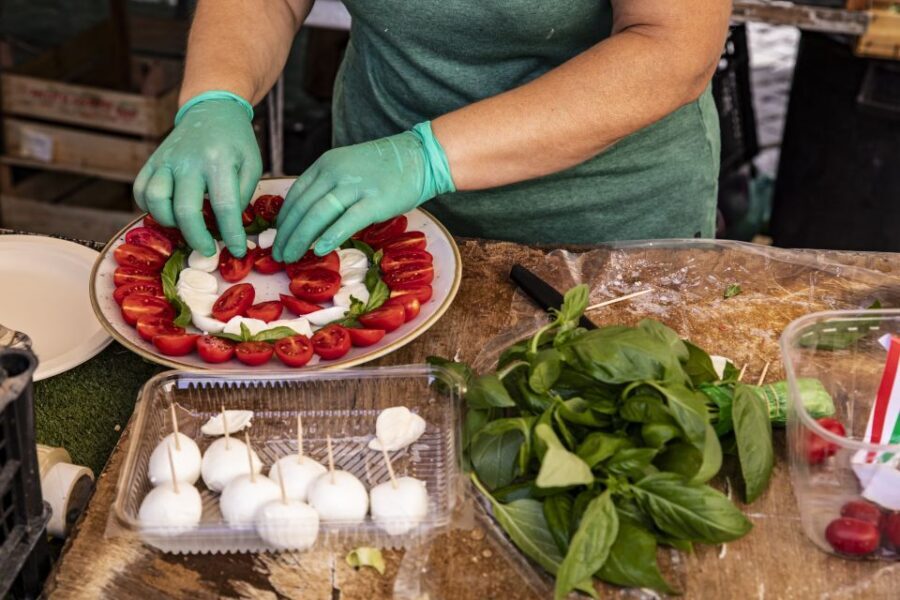
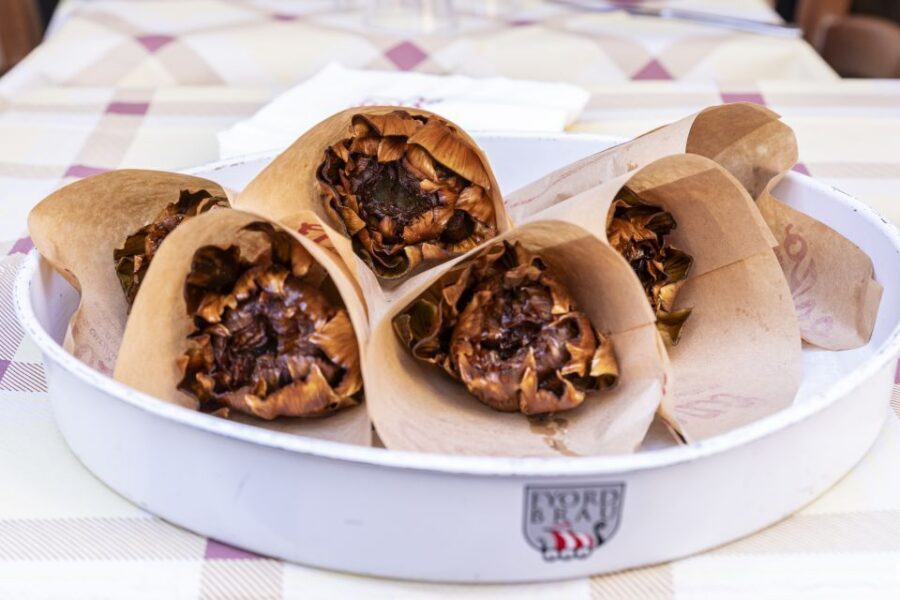
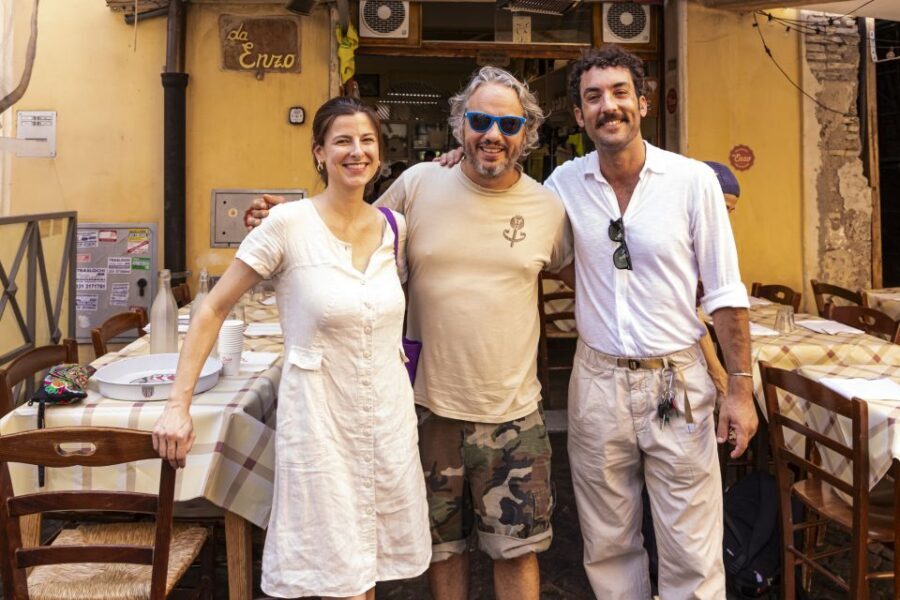
This is where the tour earns its keep. The standout in Trastevere is the Jewish-style fried artichoke stop at Da Enzo. The highlight description calls it legendary, and the way this tour places it is smart: by the time you reach it, you’ve already had market context and Jewish Ghetto context. The fried artichoke then lands as more than just a quirky item. It feels like a continuation.
What you’ll like here is the contrast. You get a crispy, savory bite tied to a specific tradition. It’s also the kind of dish that’s hard to confidently order if you’re on your own, because the names and expectations can vary.
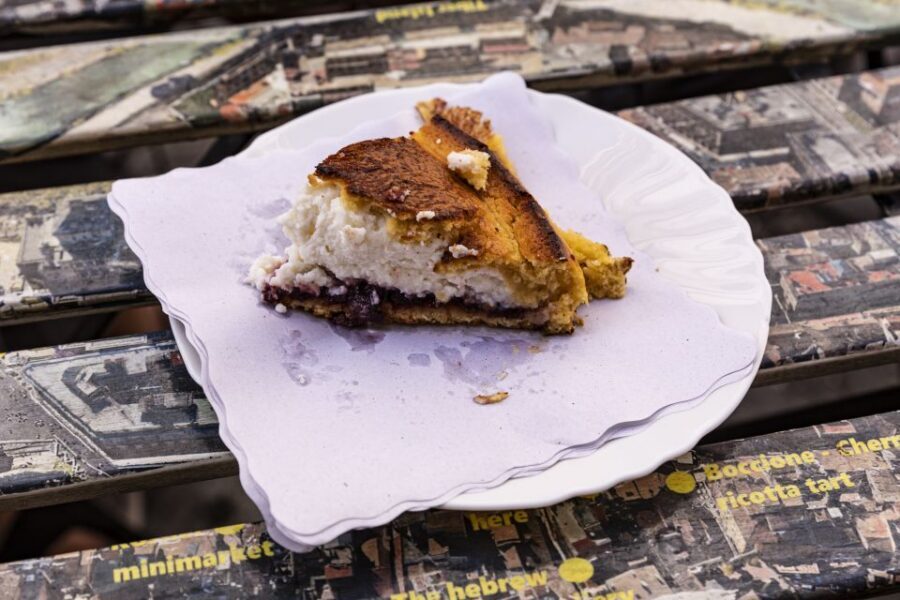
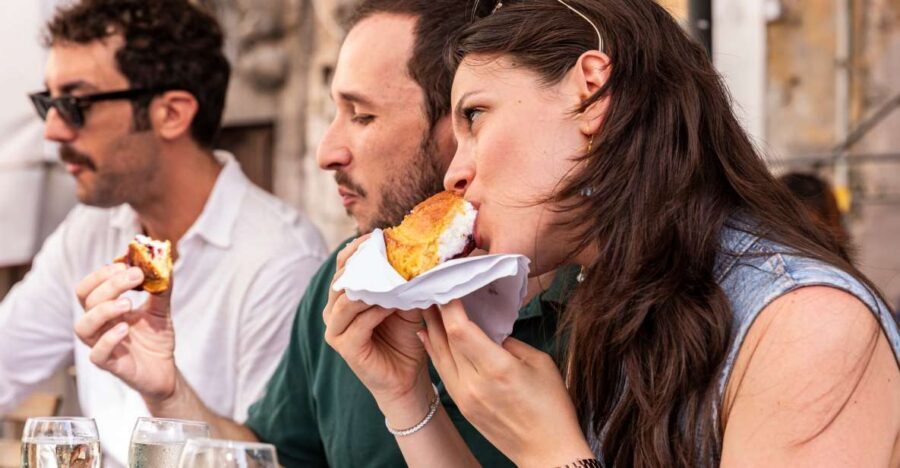
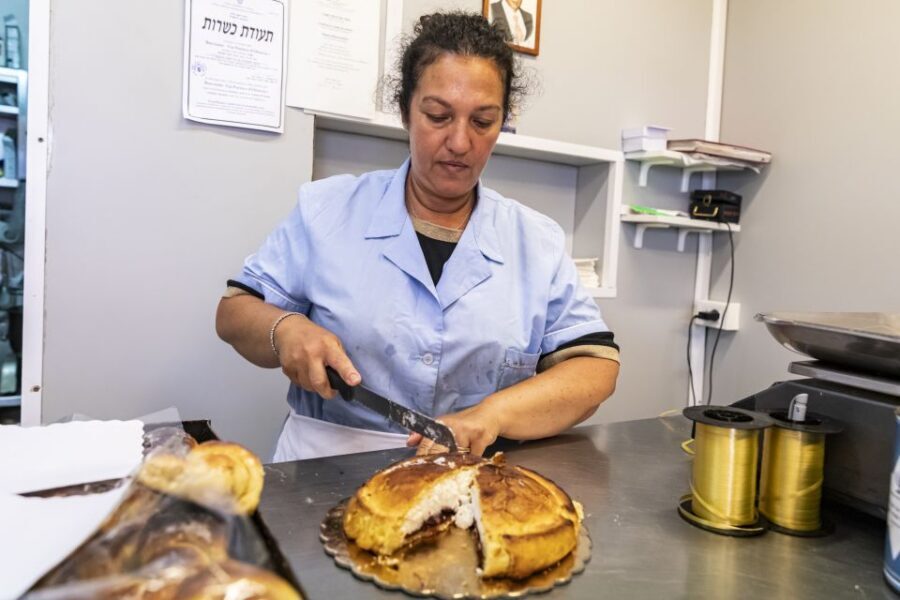
Dessert follows later with the sour cherry tart included on the tour, plus other sweets such as gelato (also included). I like this mix because it keeps the day from becoming only savory. After fried and wine-and-pasta territory, a tart dessert cuts through the richness.
You also get traditional-style items like Roman-Jewish artichokes and other food stops that fit the narrative. The key takeaway for you: if you’re a foodie who likes to understand why something is served a certain way, this part is the most satisfying.
You can also read our reviews of more tours and experiences in Rome



The Spirito di Divino meal: pasta, porchetta, wine, and that wine cellar
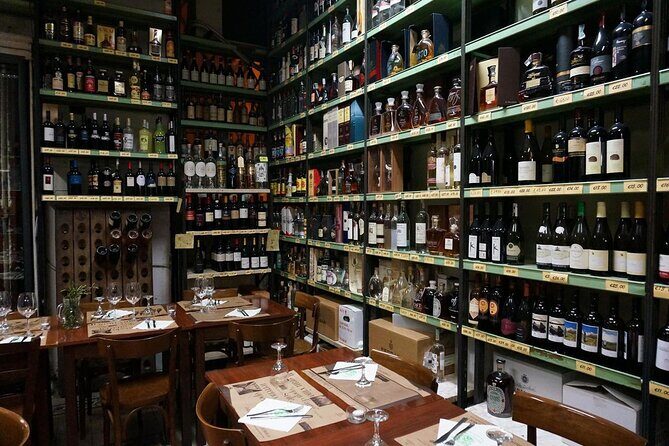
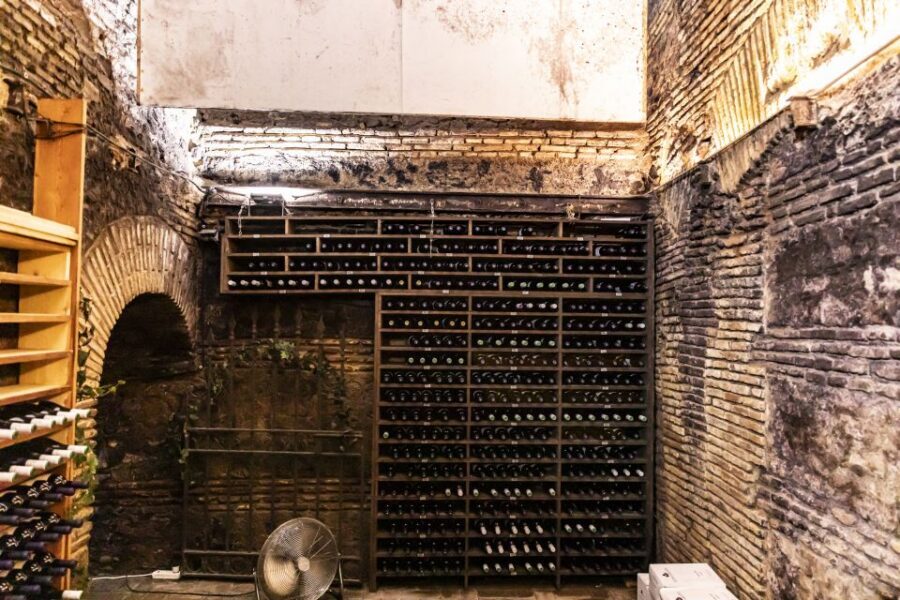
Near the heart of the Trastevere section, the tour delivers its big comfort-food moment at Spirito di Divino. This is the stop tied to a freshly prepared pasta feast paired with wine, and it’s backed by a very specific promise: the restaurant has a wine cellar older than the Colosseum.
Whether or not you care about the exact age number, the practical value is this: an older cellar usually means more established wine culture, and that fits the “slow food” idea the tour mentions. In plain terms, you’re getting wine service that’s part of the room, not an afterthought.
Along with pasta, the included food list also mentions porchetta, plus breads and other parts of the meal depending on how the restaurant sequences tastings. The point is that you’re not just grazing. You’re getting a proper Roman-style meal that makes the walking feel worth it.
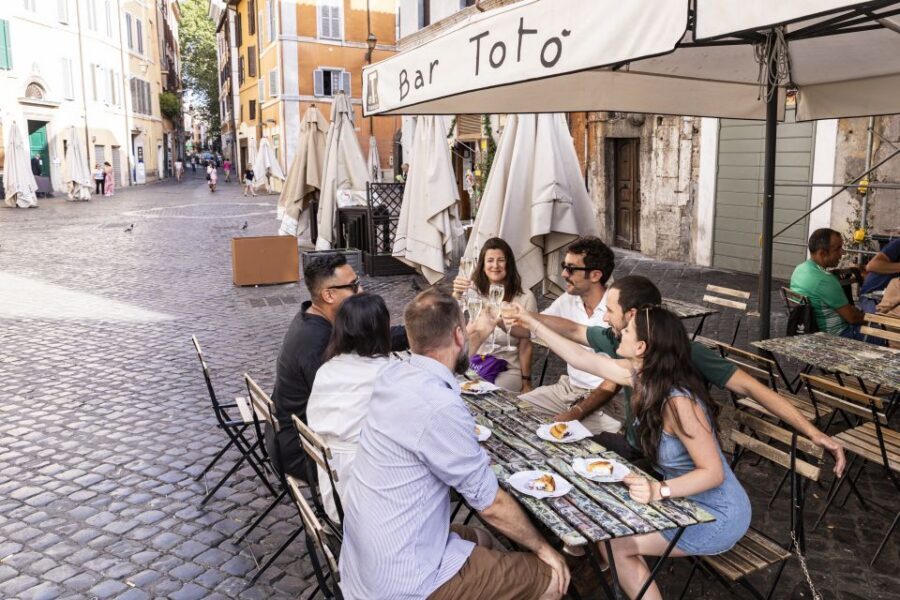
Also included here are Prosecco, Italian wines, and beer across the food stops. Having alcohol built into the structure is convenient. It reduces decision-making when you’re busy eating your way through three neighborhoods.
If you’re the kind of person who likes to sit down for a real meal during a city tour, this stop is one of the best reasons to book.
Trastevere’s side streets: hidden passages and VIP restaurant access
Trastevere is where Rome feels most lived-in. It’s also where a self-guided walk can turn into a lot of wandering and not much eating. This tour uses that neighborhood better.
You’ll explore hidden passages and get shown small streets that don’t grab attention from a main-route map. It’s the difference between snapping photos from a wide sidewalk and actually walking through the scale and texture of the neighborhood.
You’ll also get VIP access to renowned restaurants in Trastevere. That matters more than it sounds, because restaurant seating and timing can be unpredictable when you arrive alone. A tour schedule smooths that out, and it helps keep the group moving from one meaningful stop to the next.
Another useful inclusion: you get a Rome Food Guide PDF. That’s a small thing, but it can help you extend the day. You’ll have names and ideas for what to try later, when you’re back on your own.
Morning vs evening tours: how the market change affects your day
One subtle but important detail: the Campo de’ Fiori market is visited on the morning tour only. If you pick a morning slot, you’ll start with that market-tasting energy and use the market ingredients as your foundation.
For the evening tour, the description says the group heads to an ancient Roman street-food business for a fried delicacy because the market closes. Practically, that means the day’s flavor story still stays on track, but you won’t get the same market atmosphere.
So your choice comes down to what you want:
- If you want the sights and smells of the market, choose the morning.
- If you want the same neighborhood highlights with a later start, choose the evening and don’t expect the Campo de’ Fiori market stop.
Price and value: is $146.14 a good deal?
At $146.14 per person for about 4 hours, the question isn’t just price. It’s what’s included.
You’re getting 6 food stops, plus drinks (Prosecco, Italian wines, and beer), and specific signature items like the fried artichoke at Da Enzo and the pasta feast with wine at Spirito di Divino. You’re also getting a wine cellar visit, plus a Rome Food Guide PDF.
If you were to try to recreate this alone, the cost would rise quickly because you’d be paying for multiple restaurants, multiple cover charges or minimums depending on where you eat, and you’d still need to figure out what’s actually worth ordering. With a guided format, you pay for someone else to handle the lineup.
Is it a bargain-style deal? Not exactly. But it’s also not a small snack crawl. It’s a structured food-and-wine afternoon or evening that includes enough tastings to feel like a true meal progression across neighborhoods.
Pacing, group feel, and practical tips that help
This tour is built around walking. That’s good news if you love moving through Rome instead of taking ride-after-ride. It’s also why you should plan your day around it and keep other heavy activities light.
The experience is in English, led by a local guide. People often mention guides like Georgia for being friendly and knowledgeable, and Walter for being informative and funny. That suggests the guiding style tends to mix practical info with an upbeat pace, which makes food tours more enjoyable when you’re getting a steady stream of tastings.
A few practical tips:
- Wear shoes you can walk in for the full 4 hours.
- Go in hungry enough to enjoy everything, but don’t show up starving. The pacing is steady.
- If you’re doing other activities the same day, avoid scheduling right after the last stop. You’ll likely want a sit-down moment afterward.
Who should book this tour?
Book this Rome food tour if you want:
- Roman-Jewish food on purpose, not as an accidental bonus
- a route that links Campo de’ Fiori, the Jewish Ghetto, and Trastevere
- multiple tastings plus a real sit-down meal with wine
- a guide-led approach to landmarks and small streets
It may not be the best fit if you:
- need a wheelchair-friendly route (it’s not suitable)
- have severe or life-threatening allergies
- travel with a pet (pets aren’t allowed)
Should you book this Rome: Campo de Fiori, Jewish Ghetto and Trastevere Food Tour?
I’d book it if you like your Rome experiences grounded in food and walkable neighborhoods. The combination of signature tastings (fried artichoke at Da Enzo, pasta with wine at Spirito di Divino) and the route features (bridge, Jewish Ghetto landmarks, Trastevere hidden passages) gives you more than a list of dishes. You get a sense of how Rome’s food identity changes block by block.
Skip it if you want a low-walking, slow-sightseeing day, or if you’re mainly chasing big monuments with minimal food stops. This is built for people who genuinely want to eat and learn as they go.
If you’re choosing between morning and evening, decide based on market access. The morning tour gives you Campo de’ Fiori in full swing. The evening tour keeps the fried-food theme going after market hours.
FAQ
How long is the Rome Campo de Fiori, Jewish Ghetto and Trastevere food tour?
It lasts about 4 hours.
What food and drink stops are included?
You get 6 food stops plus Prosecco, Italian wines, and beer. The included items listed are Jewish-style fried artichoke, pasta, porchetta, ricotta, sour cherry tart, and gelato, plus a wine cellar visit.
Is the Campo de’ Fiori market included on every departure time?
No. The Campo de’ Fiori market is only visited on the morning tour.
Where do I meet the guide?
The guide meets you next to the only newspaper stand in the square. Look for a guide holding an Eating Europe sign.
What languages is the tour offered in?
The live tour guide speaks English.
Is this tour suitable for wheelchair users or people with severe allergies?
It is not suitable for wheelchair users. Guests with severe or life-threatening allergies can’t participate for safety.