REVIEW · FOOD
Rome: Campo de Fiori & Ghetto Street Food Sightseeing Tour
Book on GetYourGuide →Operated by Bea Tours · Bookable on GetYourGuide
Rome walks well with food.
This Rome street food tour pairs real bites with real context, starting in Campo de’ Fiori and ending at Largo Argentina. I like the lineup of Roman favorites (supplì, pizza al taglio, carciofi alla giudia, cured meats, gelato), and I like the way wine and beer samples keep the whole thing social. One catch: it is not a good fit if you’re vegan or lactose intolerant.
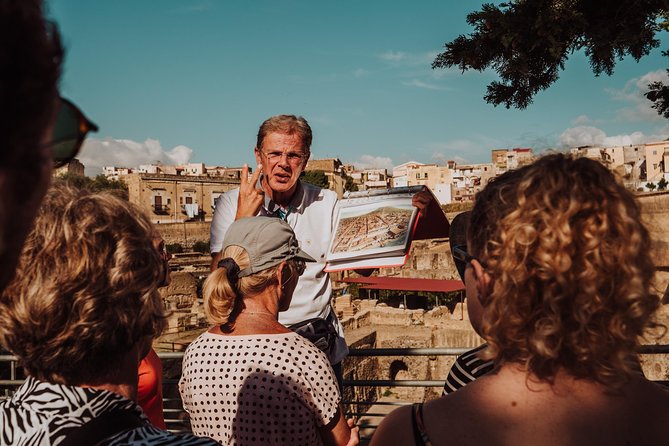
What really makes it click is the guide. On past tours with Bea Tours, guides such as Andrea and Marco are praised for explaining Rome’s history in clear, human terms, plus adding personality so the walk stays fun and not lecture-y. You’ll want to plan for a steady pace, since it’s still a walking tour, not a sit-down dinner.
You’ll cover several iconic stops in about 2.5 hours, with snack breaks that actually add up. Think market time, two different restaurant-style tastings, a bakery stop, Pompey’s Theatre area views, then the Jewish Ghetto landmarks before finishing with dessert near the Area Sacra di Largo Argentina.
In This Review
- Key highlights at a glance
- Rome’s Street Food and Ghetto Stories in 2.5 Hours
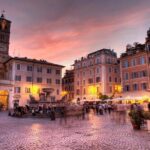
- Starting at Campo de’ Fiori: The Market Square That Sets the Tone
- One practical caution at the start
- Supplì, Pizza al Taglio, and Bakery Bites: How the Tasting Stops Flow
- Why this pacing is good
- Via dei Chiavari and the Theatre of Pompey: Rome’s Looks Between Bites
- Jewish Ghetto, Portico d’Ottavia, and the Great Synagogue Area
- What makes this section valuable for you
- Largo di Torre Argentina to the Area Sacra: Dessert With Ancient Drama
- What dessert means at the end
- Food limits: Vegans and lactose intolerance need a heads-up
- Tips to get the most from your Roman street food walk
- Should you book this Rome street food and Ghetto tour?
- FAQ
- How long is the Rome Campo de’ Fiori and Ghetto Street Food tour?
- Where do I meet the tour?
- What kind of food is included?
- Are wine and beer samples included?
- Are vegetarian options available?
- Is the tour suitable for vegans or lactose intolerance?
- What language is the live guide?
- Is free cancellation available?
- Is there a reserve now & pay later option?
Key highlights at a glance
- Campo de’ Fiori food market start: Get your bearings fast with tastings right where locals shop and graze
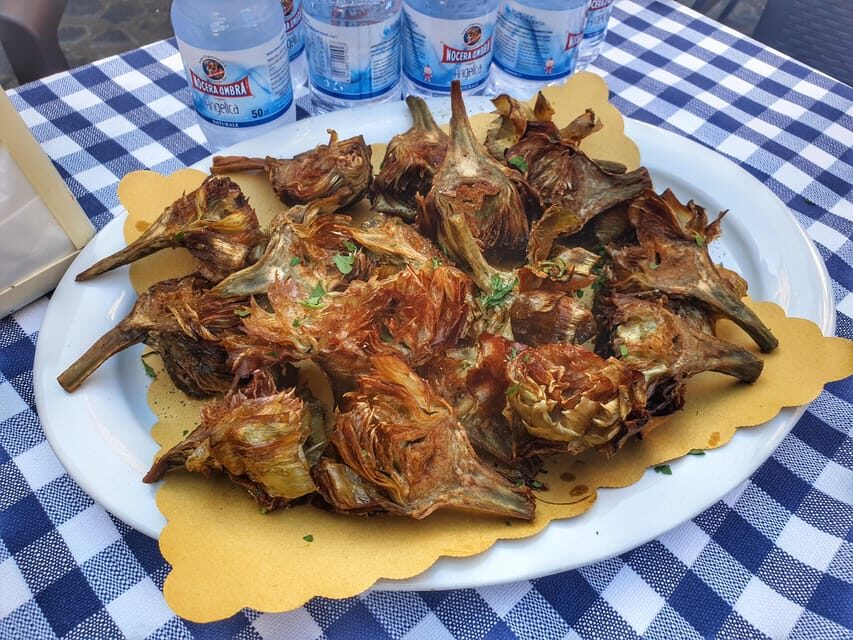
- Supplì, pizza al taglio, and carciofi alla giudia: You’ll try the classic Roman trio plus cured meats and gelato
- Wine and beer samples included: Small pours, good momentum, easy social vibe
- Pompey Theater and Via dei Chiavari views: Scenic bits that break up the eating (in a good way)
- Jewish Ghetto walk with guided storytelling: You connect the neighborhood to its historical layers
- Dessert at Largo Argentina: The route ends where the ancient ruins feel close and dramatic
Rome’s Street Food and Ghetto Stories in 2.5 Hours
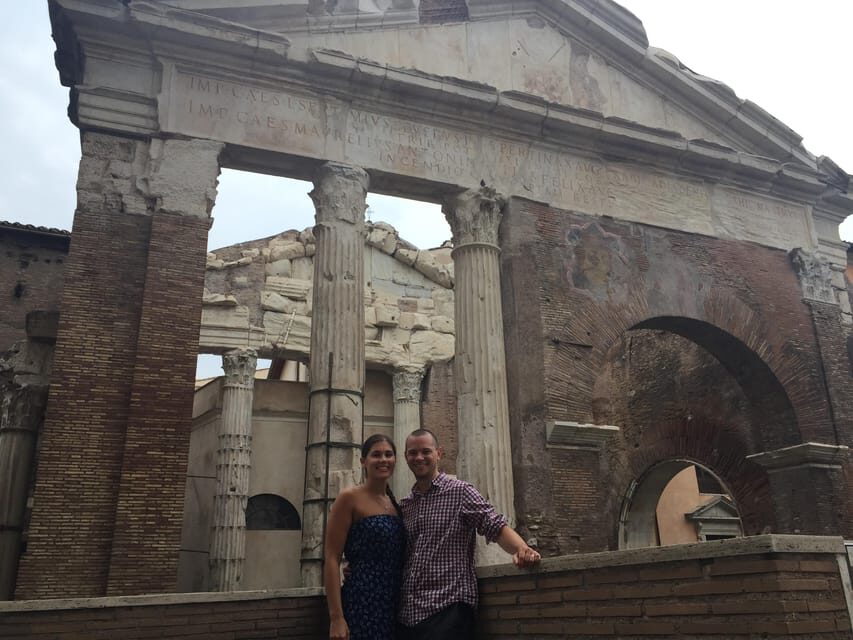
For me, the best food tours do two jobs at once: they feed you and help you read the city. This one does that with a route that links Rome’s modern eating habits to the neighborhoods people built, survived, traded, and argued through.
The price is $41 per person for roughly 2.5 hours, and it’s not just “pay for food.” You’re also paying for an English-speaking guide, street-food stops, and both wine and beer samples. Since additional food and drinks are not included, this pricing makes sense if you’re the type who wants a set plan and doesn’t want to keep hunting menus mid-day.
It’s especially good if you’re doing Rome as a quick trip and want an efficient introduction. You’ll see key areas—Campo de’ Fiori, the Theatre of Pompey area, the Jewish Ghetto, Portico d’Ottavia, Great Synagogue area views, and Largo Argentina—without feeling like you’re sightseeing one monument at a time.
You can also read our reviews of more food & drink experiences in Rome


Starting at Campo de’ Fiori: The Market Square That Sets the Tone
You meet at the Giordano Bruno statue in Piazza Campo de’ Fiori. That matters because it puts you in the right mood immediately. From here, the tour is set up like a guided stroll with breaks where you actually taste what people eat.
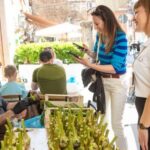
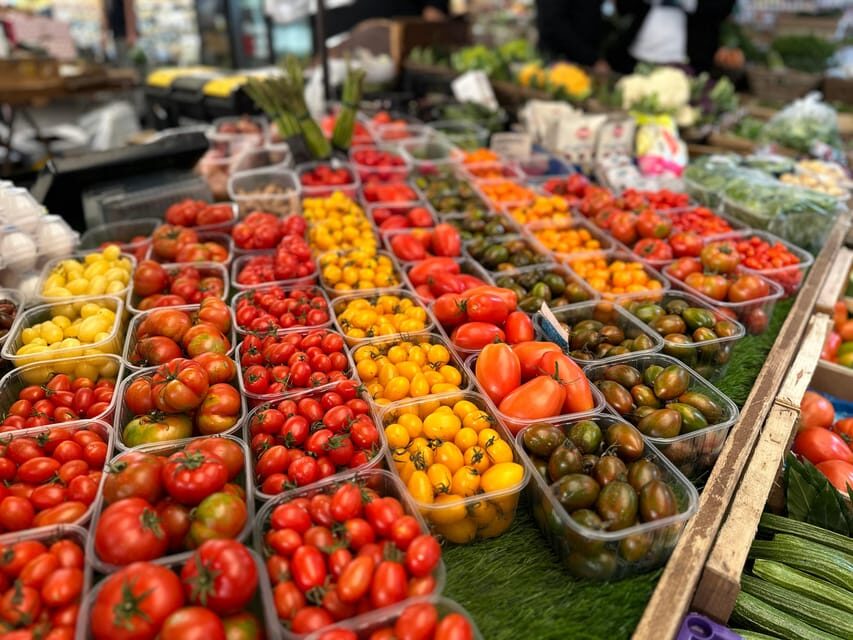
The first stop is in and around Campo de’ Fiori itself, with a short market visit and regional tastings. This is where the tour earns its “street food” label: you don’t just get handed samples in a vacuum. You’re in the same area where people shop, snack, and talk, so the food feels connected to the day-to-day city rhythm.
If you book a morning slot, you might also encounter extra market tastings such as truffles, olive oil, and balsamic vinegar. Even if you’re not a food nerd, these add a useful Roman flavor baseline: oil, vinegar, and high-end ingredients that show up in everything from simple bites to big restaurant plates.
One practical caution at the start
This square can be crowded, and that affects how quickly you can move and taste. If you’re sensitive to close quarters, come prepared to stand, listen, and take your sample when it’s placed in front of you.
Supplì, Pizza al Taglio, and Bakery Bites: How the Tasting Stops Flow
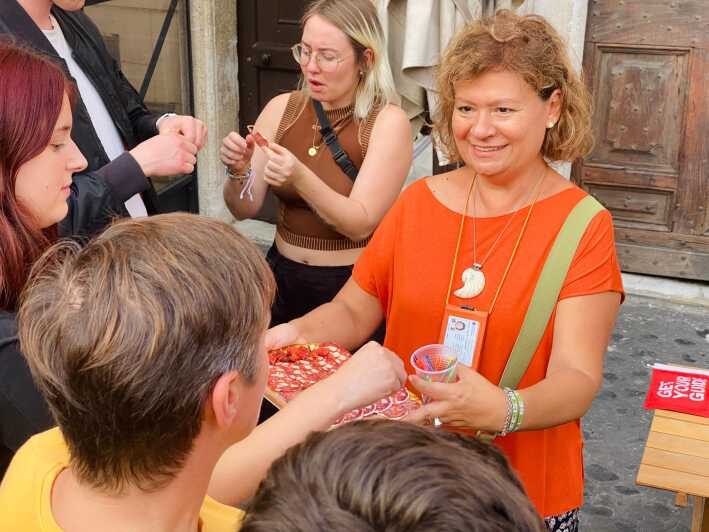
After the market introduction, the tour switches gears to a local restaurant for one of the main tasting moments. This is where you’ll likely find a first wave of the Roman classics: supplì (fried rice balls), pizza al taglio (thin pizza by the slice), and savory bites such as cured meats. The timing is short enough to keep momentum, but long enough that you don’t feel rushed between flavors.
Then comes a short walk to a “secret stop” for guided storytelling and sightseeing. Since it’s just a few minutes, it works like a reset button: you get a visual and a story beat, then you’re back to food.
Next up is a local bakery. This stop adds variety, because not every Roman bite is a fried ball or a pizza slice. You’ll get another round of street-food style tastes with guided context and sightseeing on the way. The goal here is simple: by the time you hit the next neighborhood, you’re no longer guessing what Roman food is supposed to taste like.
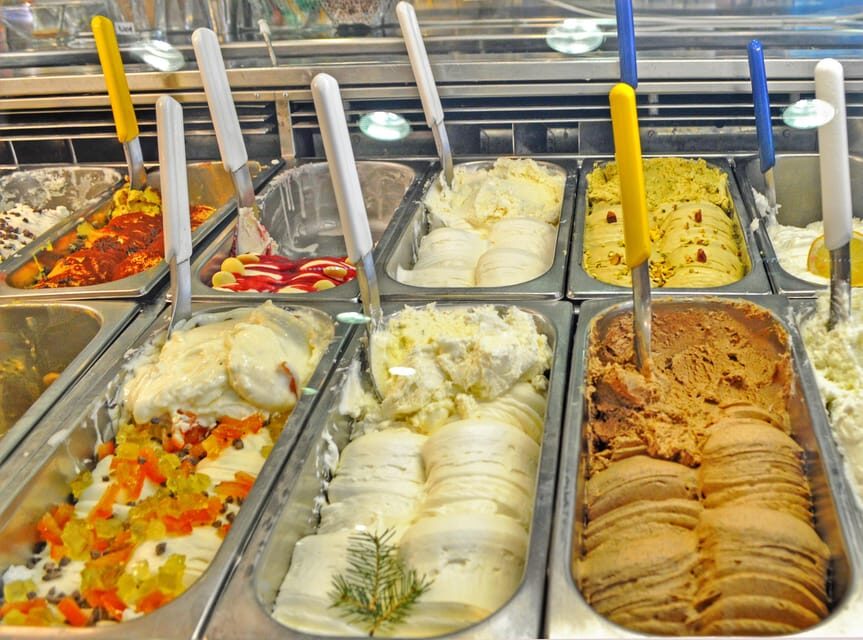
And yes, you’re also building in something sweet. The tour includes artisanal ice cream, and there’s dessert later at the end of the route near Largo Argentina.
Why this pacing is good
A 2.5-hour tour can fall into two traps: too many samples that feel repetitive, or too much sightseeing that kills your appetite. This one balances eating and walking in a way that keeps you satisfied rather than stuffed too early. Multiple restaurant-style moments also help if one stop is crowded when you arrive.
You can also read our reviews of more tours and experiences in Rome



Via dei Chiavari and the Theatre of Pompey: Rome’s Looks Between Bites
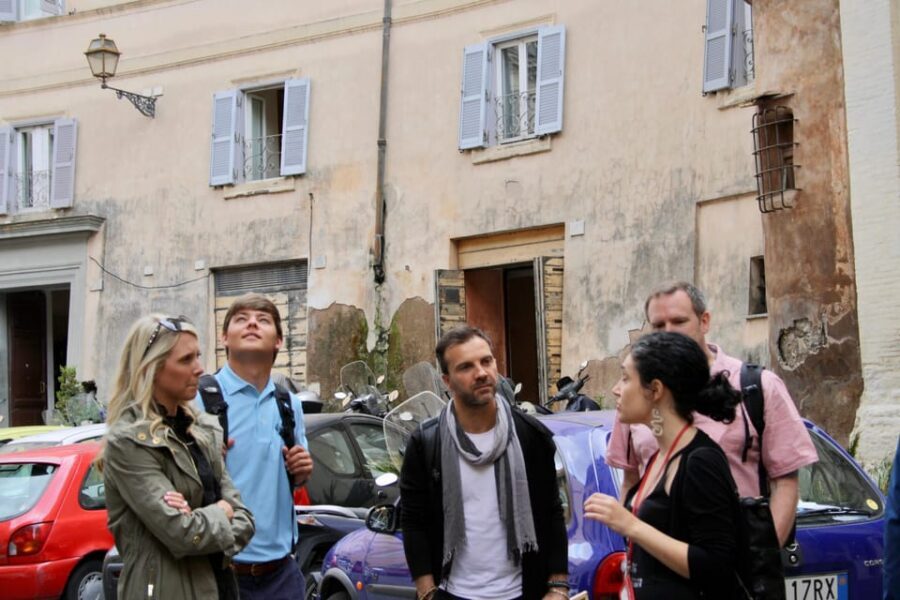
One of the more enjoyable parts is how the route moves through real streets, not just straight lines. After the bakery stop, there’s a scenic walk along Via dei Chiavari, followed by a stop for the Theatre of Pompey.
Even if you’re not trying to memorize ancient dates, this section helps you “place” what you’ve been reading in guidebooks. The Theatre of Pompey area is one of those Rome zones where old stone sits alongside modern life, and walking past it makes the city feel layered rather than frozen in time.
This part also functions as a breathing period. You’ve been tasting savory and fried items, so a quieter sightseeing pause helps your stomach—and it helps you actually absorb what the guide is pointing out.
Jewish Ghetto, Portico d’Ottavia, and the Great Synagogue Area
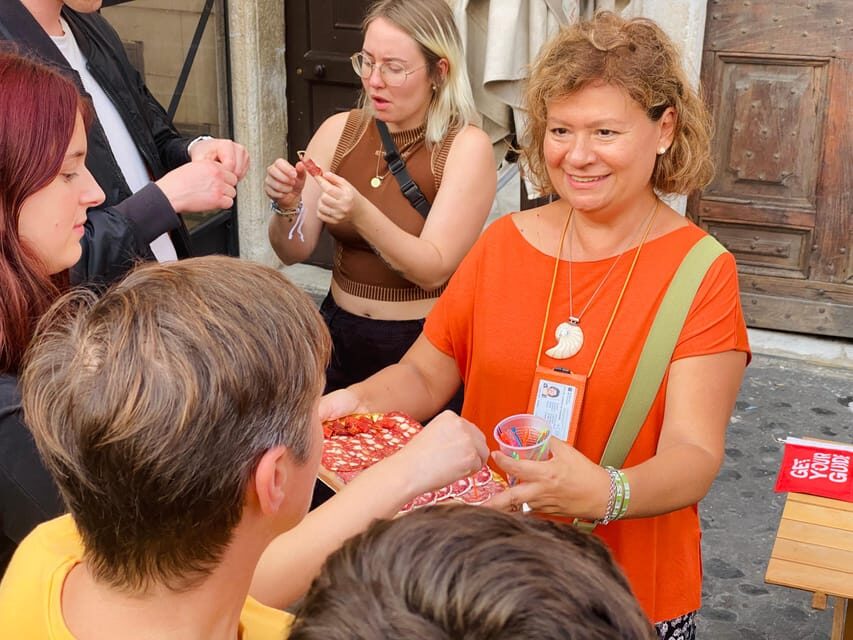
Then the tour turns toward the Jewish Ghetto with a guided visit and sightseeing walk. This is where the story becomes more than “cool photos.” The tour includes background tied to the Roman Ghetto, and it also connects the area to famous figures and eras—Julius Caesar and Giordano Bruno are specifically mentioned as part of the historical framing.
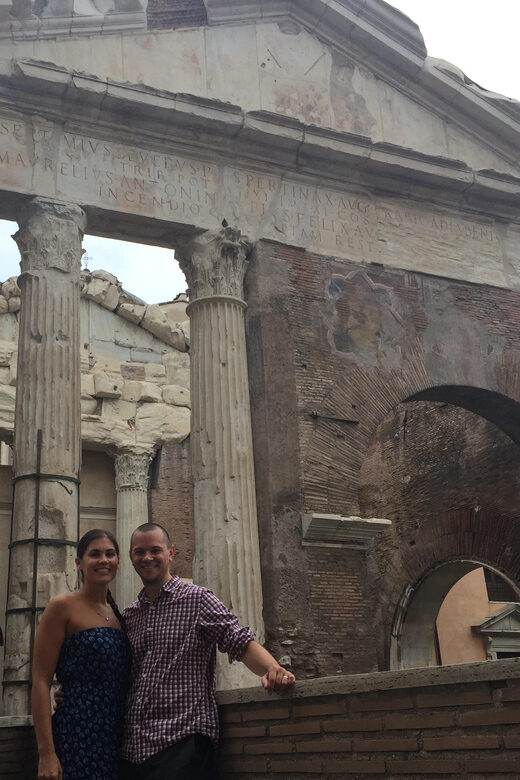
From there, you continue past Portico d’Ottavia, which is an important visual landmark in this section of town. The route also includes a walk where you’ll pass by the Great Synagogue of Rome.
What makes this section valuable for you
If your Rome trip is only a few days, it’s easy to focus on the headline sights and miss the neighborhoods that tell a different kind of story. This stop gives you a guided route through a part of Rome that shaped daily life for generations—so you understand more than just the building facades.
The drawback? This area includes historical and cultural sensitivity. The tour is timed as part of a route with other stops, so you’ll want to stay present: listen, follow the guide, and take a moment before you start snapping photos.
Largo di Torre Argentina to the Area Sacra: Dessert With Ancient Drama
The final leg heads to Largo di Torre Argentina, with dessert included as the closing treat. Then the tour finishes in the Area Sacra di Largo Argentina.
Why end here? Because it’s one of those places in Rome where the ruins are close and the space feels theatrical. Ending at a site like this gives your food crawl a strong final stamp: you walk in full, you snack your way through the city, and then you end where the ancient world feels tangible.
What dessert means at the end
This is a smart decision for two reasons. First, it keeps the tour from ending on a savory note, which can feel anticlimactic after walking. Second, it gives you a clear finish line so you can plan the rest of your day without guessing where the tour will wrap.
Food limits: Vegans and lactose intolerance need a heads-up
The tour includes vegetarian options, but they must be requested in advance. At the same time, it’s explicitly not suitable for vegans and not suitable for people with lactose intolerance.
That matters because many classic Roman street foods and bakery items rely on dairy (even when a dish looks simple). If you fall into either category, don’t assume you can swap items on the spot—this tour is built for a specific ingredient range.
If you’re vegetarian, that’s a different situation. You’ll still want to tell the operator ahead of time so the guide isn’t stuck improvising mid-route. The tour includes wine and beer samples too, so if you have dietary or alcohol restrictions beyond lactose or vegan needs, plan accordingly.
Tips to get the most from your Roman street food walk
A few practical moves will make the experience smoother:
- Wear comfortable shoes. You’re on foot through several neighborhoods, plus short walks between stops.
- Go in hungry, but don’t expect a heavy meal plan. Samples are generous enough that people often leave satisfied, yet this is still a tour designed around tasting, not a full dinner.
- Pace yourself with the fried items. Supplì and carciofi alla giudia are both “hot and crunchy” foods. Grab a breath between tasting rounds.
- Listen for the history links, not just the dates. The guide’s strength is connecting people and events to places you can see now.
- If you’re vegetarian, request it early. It’s not an on-the-fly add-on.
And if you get a guide like Andrea or Marco, you’re likely to enjoy the tone they bring: history explained in a way you can actually follow, plus stories that feel like they belong to the streets you’re walking.
Should you book this Rome street food and Ghetto tour?
Book it if you want a compact way to taste Roman specialties and understand the city’s neighborhood layers at the same time. It’s a strong “first Rome” tour because it covers iconic areas—Campo de’ Fiori, Pompey’s Theatre zone, and the Jewish Ghetto—while feeding you what Rome actually eats.
Skip it (or look for another option) if you’re vegan or lactose intolerant. Also skip it if you hate walking in crowds or you prefer a slow, sit-down meal style.
If you’re balancing sightseeing with food and you’d like a set route that keeps you from making your own snack decisions all day, this is good value. $41 for guided tastings, plus wine and beer samples, is exactly the kind of straightforward plan that works well on a short trip.
FAQ
How long is the Rome Campo de’ Fiori and Ghetto Street Food tour?
It lasts about 2.5 hours.
Where do I meet the tour?
You meet at the Giordano Bruno statue in Piazza Campo dè Fiori.
What kind of food is included?
The tour includes street food tastings such as cured meat, pizza al taglio, supplì, fried artichoke (carciofi alla giudia), and ice cream, along with other tastings at included stops.
Are wine and beer samples included?
Yes. Wine and beer samples are included in the tour.
Are vegetarian options available?
Vegetarian options are available, but you need to request them in advance.
Is the tour suitable for vegans or lactose intolerance?
No. It is not suitable for vegans, and it is not suitable for people with lactose intolerance.
What language is the live guide?
The live tour guide speaks English.
Is free cancellation available?
Yes. You can cancel up to 24 hours in advance for a full refund.
Is there a reserve now & pay later option?
Yes. You can reserve now and pay later.