REVIEW · EVENING EXPERIENCES
Rome by night on Vespa
Book on GetYourGuide →Operated by Landimension Tours · Bookable on GetYourGuide
Rome at night moves differently.
A Vespa tour lets you cover a lot of Rome fast, but still feel like you’re cruising through the city’s mood, not just ticking off landmarks. You’ll get romantic night perspectives plus the kind of street-level views that usually take a day of walking. Two things I especially like are the chance to spot Rome from hillside panoramas and the way a local guide (hello, Mario) can steer you toward a more Roman, less scripted experience. The main consideration: this is a riding tour, so you’ll want to feel comfortable on a scooter and be ready for night driving in busy areas.
The route is built for after-dark Rome: major sights, bridges over the Tevere, and neighborhoods that look completely different when the lights are on. You also have a big practical advantage: you’re not doing it alone—there’s a driving pilot and safety gear included. One drawback to keep in mind is that this is about seeing and riding, not about long breaks. If you’re hoping for lots of sitting-down time, plan accordingly.
In This Review
- Key things that make this Vespa night tour special
- Why Rome by night on Vespa feels different
- The Vespa setup: what you get and why it matters
- Where the tour starts and ends (and why that matters)
- The night route mindset: panoramic hills and street-level surprises
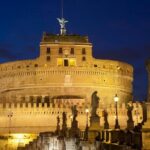
- The famous stops you’ll see under night lighting
- Colosseum: scale you can sense, not just read
- Piazza Navona: geometry and atmosphere
- Pantheon: the quiet wow
- Piazza Venezia: a strong viewpoint moment
- Spanish Steps: a night focal point
- Trevi Fountain: famous, but easier to enjoy at night
- Caracalla: the big-structure contrast
- Trastevere: neighborhood energy you can feel
- Crossing the Tevere: the bridge views you’ll remember
- Hidden treasures and the local tips factor (Mario’s style)
- Price and value for a 3-hour private Vespa ride
- Who this Vespa night tour is for
- What to plan for yourself (so the ride stays fun)
- Should you book Rome by night on Vespa?
- FAQ
- How long is the Rome by Night on Vespa experience?
- Where does the tour start?
- Where does the tour end?
- Is this tour private or shared?
- What languages are offered?
- Is a Vespa included?
- Are helmets and insurance included?
- Do you include a guide who helps with driving?
- Is food or drinks included?
- Is hotel drop-off included?
Key things that make this Vespa night tour special
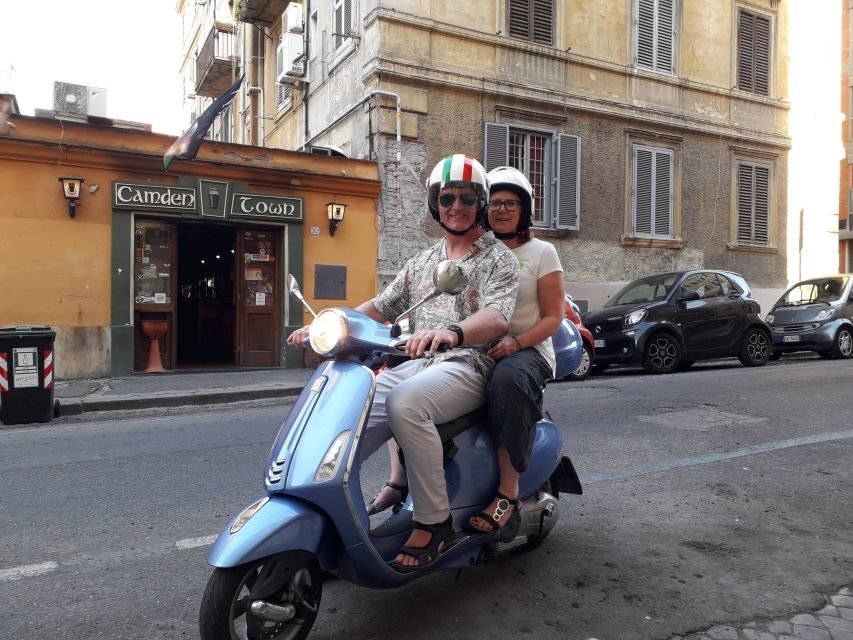
- A private ride with a local guide, with multilingual support (English, French, Italian, Spanish)
- Tevere (Tiber) bridge crossings for night views from both sides of the river
- More Rome than you could on foot in just 3 hours, without feeling rushed in the narration
- Iconic stops with night optics: classic façades and angles that look different after dark
- Safety support built in, including helmets, basic insurance, and a driving pilot
- Roman-style tips from Mario, including ideas that keep you away from the most obvious crowds
Why Rome by night on Vespa feels different
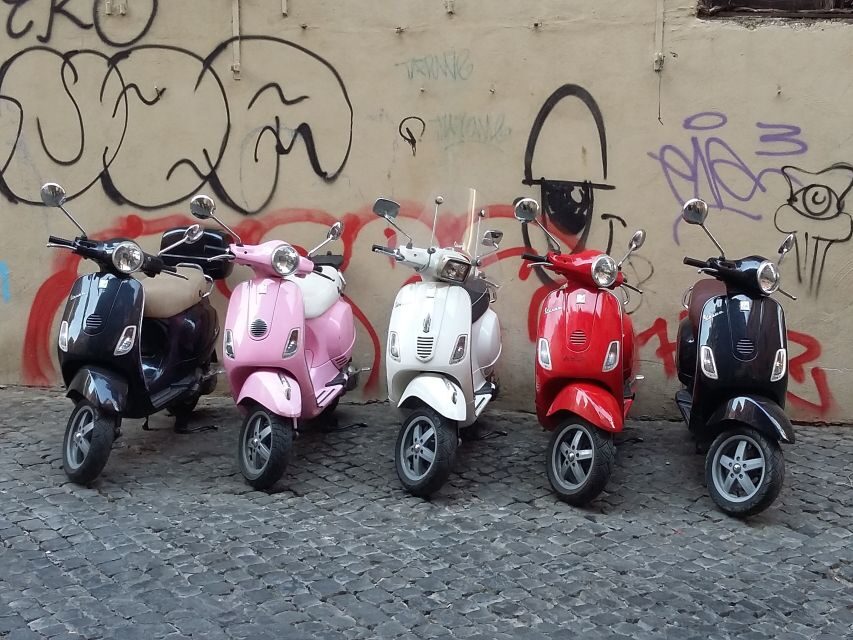
Rome by day is busy. Rome by night is personal.
On this tour, the city’s lights do half the work for you. Roads open up, viewpoints make sense, and the architecture starts playing with your eyes in a way you don’t get standing still. You’ll see ancient, medieval, and Renaissance buildings from moving angles, which is exactly how they were meant to be experienced: from streets, stairs, and piazzas, not from one fixed spot.
I like that this is not framed as a “look, look, look” checklist. It’s framed as freedom on the roads with a guide doing the heavy lifting—picking the pacing, keeping you oriented, and getting you to the parts of Rome that really click after sunset.
There’s also a very practical benefit: in a few hours, you can reach places that normally require multiple bus rides or a long walking loop. This matters if you have limited time, or if you want your evenings back.
You can also read our reviews of more evening experiences in Rome
The Vespa setup: what you get and why it matters
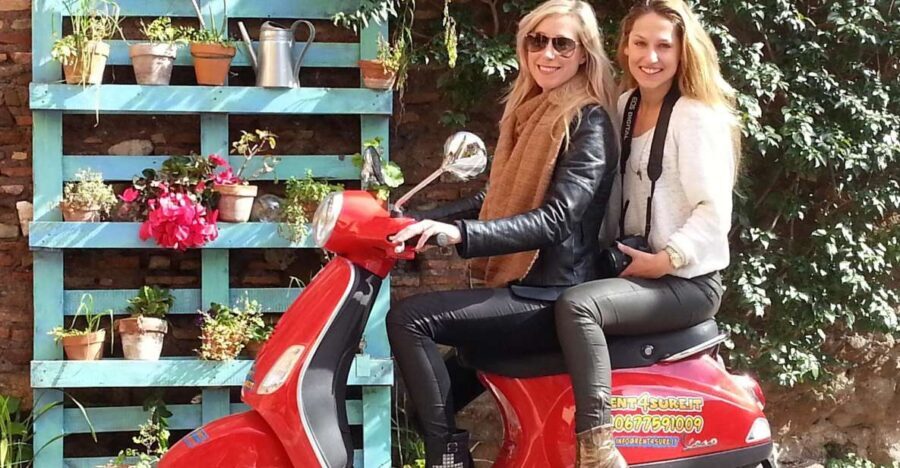
You’re not just “borrowing a bike.” You’re getting a structured ride with the basics handled.
What’s included is:
- Vespa rental
- Helmets
- Basic insurance
- A driving pilot
That combination is what makes this work for most people. Helmets are obvious, but the real value is the driving pilot: it reduces the stress of figuring out traffic flow at night and lets you focus on the scenery and the guide’s directions. Even if you’ve ridden before, night traffic and narrow streets can be a different game.
Also, this is a private group. That changes the vibe. Instead of being one face in a big herd, you get a more adaptable pace. If you need to slow down to absorb a view or adjust your timing for a photo, the tour is set up to handle it without turning into a frantic sprint.
Small note: this tour is 3 hours. That’s long enough to feel like a real outing, but short enough that you shouldn’t expect it to replace a full dinner plan or a long museum block.
Where the tour starts and ends (and why that matters)
The meeting point and return point are the same:
Vicolo di S. Nicola de’ Cesarini, 4
That’s convenient in a very Rome way. You’re not getting dropped somewhere far from your hotel. You start together, ride together, and finish back where you began. For planning your evening, that’s a big win: you can build your meal plan after the tour without guessing how long transfers might take.
If your hotel is outside central areas, you may also want to plan your own way to the meeting point. Hotel drop-off isn’t included unless your hotel is very central.
The night route mindset: panoramic hills and street-level surprises
Rome at night doesn’t just look pretty. It changes how you read the city.
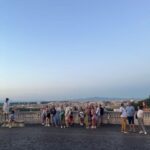
This experience is built around the idea that some of Rome’s best perspectives come from movement—especially from higher ground and from the bridges over the Tevere. You’ll get stunning panoramics from the hills, plus looks at downtown neighborhoods where “where you stand” matters less than “how you pass.”
You’ll also get the kind of optical moments that only show up when you’re not standing still: lines that align, façades that seem to shift, and angles that make famous monuments feel freshly composed. Rome’s architects were masters of sightlines and perspective, and riding gives you quick, repeated chances to notice them.
The practical trick for you: keep your phone accessible, but don’t treat every second like a photo contest. The best shots happen when you time them with slowdowns and viewpoints, not when you’re blasting past.
The famous stops you’ll see under night lighting
This tour is designed to take you through many of Rome’s signature sights while the city is in its evening mode. Expect to encounter:
- Colosseum
- Piazza Navona
- Pantheon
- Piazza Venezia
- Caracalla
- Spanish Steps
- Trevi Fountain
- Trastevere
Here’s how those stops typically feel when they’re approached from the road and viewed after dark.
You can also read our reviews of more tours and experiences in Rome

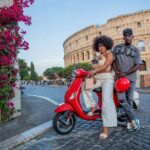
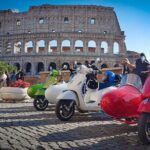
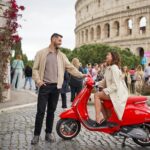
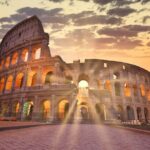
Colosseum: scale you can sense, not just read
The Colosseum is one of those monuments where day photos can feel flat. At night, lighting helps restore the sense of volume. From a moving route, you also get a better sense of how the surrounding streets frame it.
A drawback? The Colosseum area can be busy, so traffic and crowds can influence pacing. The good news is the tour’s structure and driving pilot help you keep moving without stopping too long.
Piazza Navona: geometry and atmosphere
Navona shines at night because it’s made for evening wandering—tables, reflections, and architecture that likes the glow. Riding by helps you see the layout quickly, so later, if you want to come back, you’ll already understand how the square is shaped.
Pantheon: the quiet wow
The Pantheon tends to stop people mid-sentence. Even if you’ve seen pictures, the night lighting can make it feel more “present” than “photographic.” You’ll likely get that first impression from the approach, which is valuable if you don’t want to spend your whole evening inside a site.
Piazza Venezia: a strong viewpoint moment
This is a classic place to feel Rome’s built-up energy. Viewed at night, it also gives you a strong sense of direction—like a visual crossroads. It’s the kind of stop that helps connect the rest of the route.
Spanish Steps: a night focal point
The Spanish Steps are iconic, but at night they feel less like a landmark and more like a stage. If you like people-watching (without getting stuck in the thickest crowd), this is a good fit.
Trevi Fountain: famous, but easier to enjoy at night
Trevi can feel overwhelming in peak daytime hours. At night, you get the spectacle without the same level of pressure, and you can take it in as part of the larger ride instead of making it your whole evening plan.
Caracalla: the big-structure contrast
Caracalla adds depth to the story of ancient Rome. It’s not just “one more ruin.” It helps you feel how wide the city’s ancient footprint really is.
Trastevere: neighborhood energy you can feel
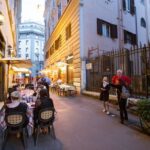
Trastevere at night has a different rhythm. Even if you don’t spend long stationary time here, the tour gives you the chance to sense the area’s character from the road—useful if you want to return later and explore on foot.
Crossing the Tevere: the bridge views you’ll remember
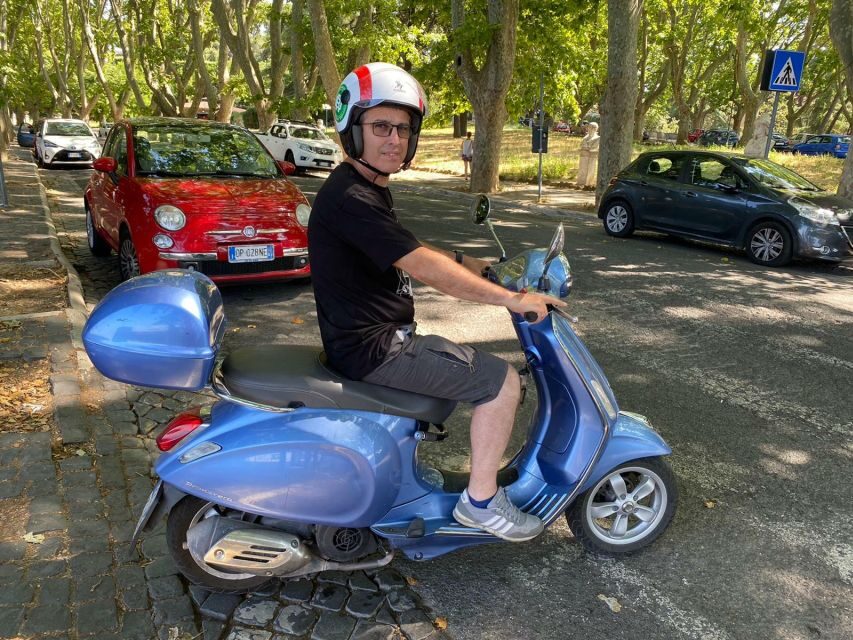
One of the most memorable parts is crossing bridges over the Tevere—the Tiber, as Italians call it.
Crossings do two important things for your experience:
- They change your perspective fast, so the ride doesn’t blur together.
- They show Rome as a connected set of neighborhoods rather than isolated sights.
Night makes the water-and-stone contrast more striking. Even if you’re not the type who chases photos, this is the kind of moment where you’ll look up and go, oh right, this is Rome.
Practical thought: be ready for a stop-and-go flow. Bridges can be traffic pinch points, and night driving can slow down for safety.
Hidden treasures and the local tips factor (Mario’s style)
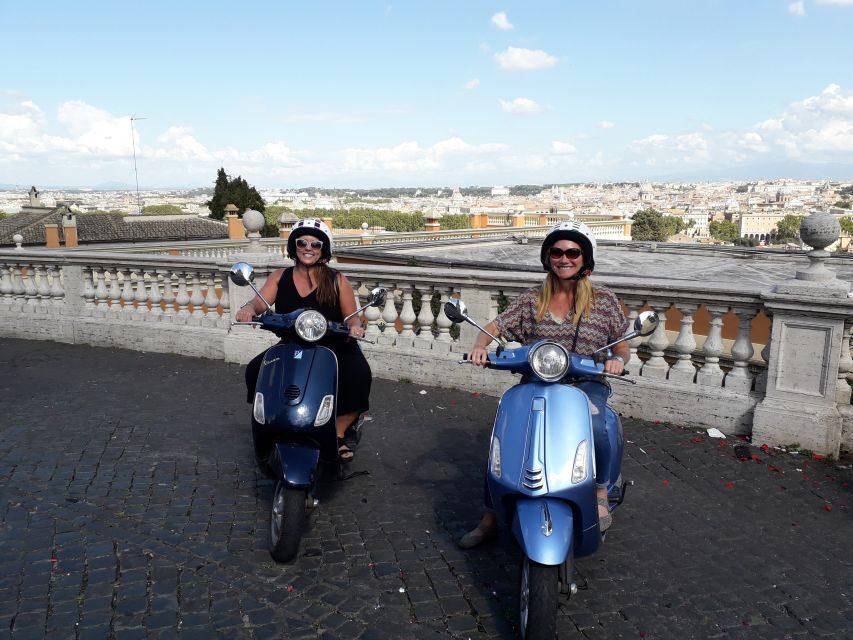
The biggest upgrade in this kind of tour is the guide.
A local guide helps you avoid the common trap: seeing famous places but missing what makes them feel lived-in. The guide here, Mario, stands out for speaking great French and for giving practical tips that help you experience Rome in a more Roman way and a little less touristy.
That shows up in how you’ll move through the city—where you pause, what you’re encouraged to look for, and what you’re told to do next (if you continue your evening on your own). It’s also where you can get smarter about time. If you’re planning one or two “extra” stops after the ride, guide advice can help you choose wisely.
A small caution: night tips can be tempting, but don’t let them derail your schedule. Keep your priorities. If you want one “big” after-tour plan, pick it before you start, then use the guide’s ideas as supporting options.
Price and value for a 3-hour private Vespa ride
At $157.92 per person for about 3 hours, this is not a budget stroll. But it also isn’t just paying for a bike.
You’re paying for:
- Vespa rental
- Helmets
- Basic insurance
- Driving pilot
- A live guide in multiple languages
- A private group format
- A route that strings together major night landmarks, bridge crossings, hills, and neighborhoods
The value calculation is simple. If you compare this to doing everything by transit or walking from one end of Rome to the other, you’re buying back time and energy. And because it’s private, the experience doesn’t collapse into waiting for the slowest person in a big group.
This is especially good value when:
- you have limited time in Rome,
- you want a single “big evening” that covers lots of iconic sights,
- you like the feeling of moving through a city instead of standing at the curb.
If you’re on a strict budget and don’t mind walking in circles for hours, a night walking route might cost less. But you won’t get the same bridge-and-hills perspective, and you won’t cover as much ground.
Who this Vespa night tour is for
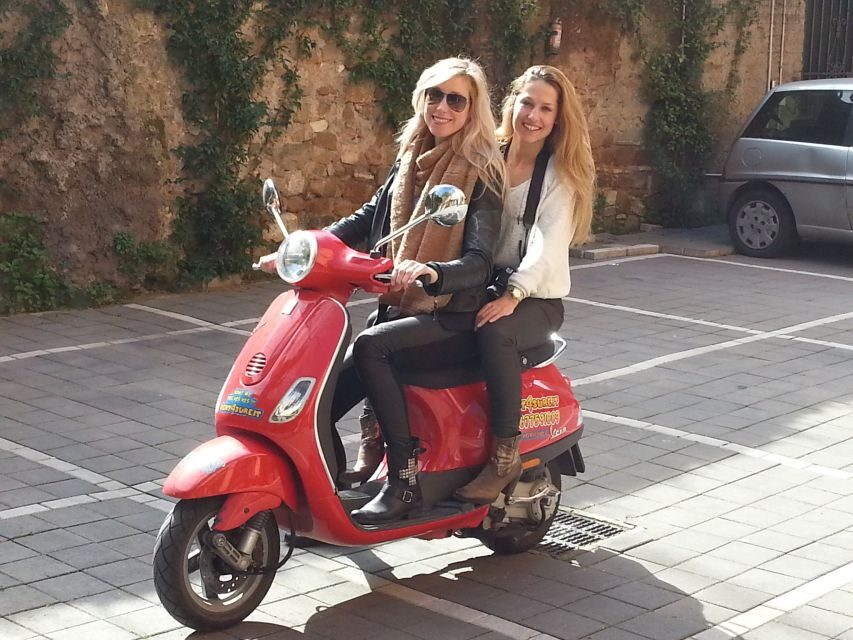
This tour fits best if you:
- want to see a lot of Rome without spending the evening fighting transit,
- like nightlife atmosphere and night photography moments,
- prefer a guide who can add practical city tips,
- are comfortable riding a scooter for a few hours at night.
It’s less ideal if you:
- dislike riding and prefer to stay off the road,
- need lots of long breaks,
- want food and drinks built into the tour (those aren’t included).
What to plan for yourself (so the ride stays fun)
Because food and drinks aren’t included, I’d treat this as a sightseeing block with a planned meal before or after. Night tours are when you can accidentally under-eat and then feel sluggish, so plan at least one solid snack beforehand.
Also, bring what helps at night: comfortable layers, because evenings can feel cooler than you expect. If you wear loose items, keep them secured. You’re on a scooter, and small comfort issues can become annoying fast.
And because the tour ends back at the same meeting point, it’s easy to pair it with a nearby dinner plan—just don’t leave yourself stuck with a long detour right after.
Should you book Rome by night on Vespa?
I’d book it if you want an evening that feels like Rome, not like a checklist. The combination of private pacing, a multilingual guide, and real motion through the city makes this one of the smarter ways to see Rome’s big sights and its night mood in just 3 hours.
Skip it if you’re mainly looking for a food-and-drink experience, or if you’re not comfortable riding at night. And if your hotel is far from the central meeting point, remember hotel drop-off isn’t part of the plan unless it’s very central.
Overall: if you’re ready for a true night ride and you want the view-side of Rome more than the lecture-side, this is an excellent choice.
FAQ
How long is the Rome by Night on Vespa experience?
It’s listed as a 3-hour experience. Starting times can vary, so you’ll want to check availability for the specific time slot.
Where does the tour start?
The tour starts at Vicolo di S. Nicola de’ Cesarini, 4.
Where does the tour end?
You return to the same place: Vicolo di S. Nicola de’ Cesarini, 4.
Is this tour private or shared?
It’s described as a private group.
What languages are offered?
The live tour guide is available in English, French, Italian, and Spanish.
Is a Vespa included?
Yes. Vespa rental is included.
Are helmets and insurance included?
Helmets are included, and basic insurance is included as well.
Do you include a guide who helps with driving?
Yes. A driving pilot is included.
Is food or drinks included?
No. Food and drinks are not included.
Is hotel drop-off included?
Hotel drop-off is not included unless your hotel is very central.