REVIEW · LUNCH EXPERIENCES
Rome: 6 hoursDaily Private Golf Cart Tour with typical lunch
Book on GetYourGuide →Operated by RomeByCart · Bookable on GetYourGuide
Rome can feel like a lot.
A private golf cart tour helps you hit the big names fast, then slow down for the story behind them. What I like most is the freedom to tailor the route to your pace and interests, plus the fact that you’ll stop for authentic Roman food with lunch included, not just photos and speed-walking.
You get a dedicated guide who explains art and history as you go, and you’ll see iconic churches and landmarks alongside quieter spots that many people miss. The one drawback to plan around: this is golf cart touring, not zero-walking—there’s still some walking and steps once you arrive at each stop.
In This Review
- Key highlights at a glance
- Why a 6-hour private golf cart tour makes sense in Rome
- Piazza di Spagna to Piazza del Popolo: getting your bearings fast
- Pantheon and Piazza Navona: big art energy without losing your day
- St. Peter’s Basilica and Janiculum Hill: Vatican icons plus viewpoint payoff
- Fontana dell’Acqua Paola and Santa Cecilia: church time that doesn’t feel rushed
- Roman Forum, Colosseum, and Circus Maximus: the ancient skyline in one sweep
- San Pietro in Vincoli to Castel Sant’Angelo: a shift from ruins to storytelling
- Church of Sant’Ignazio di Loyola: finishing strong with art-focused attention
- The lunch stop: Roman flavors built into the day
- Price, value, and who this tour fits best
- Should you book this private RomeByCart golf cart tour?
- FAQ
- How long is the Rome private golf cart tour?
- Is this a private tour?
- What does the tour include?
- Does the tour include entrance fees?
- Is lunch included?
- What languages is the guide available in?
- Can we customize the itinerary?
- Where does the tour start, and do I return to the same place?
- What should I bring?
- Is it wheelchair accessible?
Key highlights at a glance
- Private, dedicated guide with English, Italian, or Spanish
- Route customization so you’re not stuck with a rigid script
- Major Rome sights packed into 6 hours with less leg-burn
- Lunch included at selected local eateries
- Art and legends explained with stops at major churches
- Good for visitors who want fewer stairs (just expect some walking)
Why a 6-hour private golf cart tour makes sense in Rome
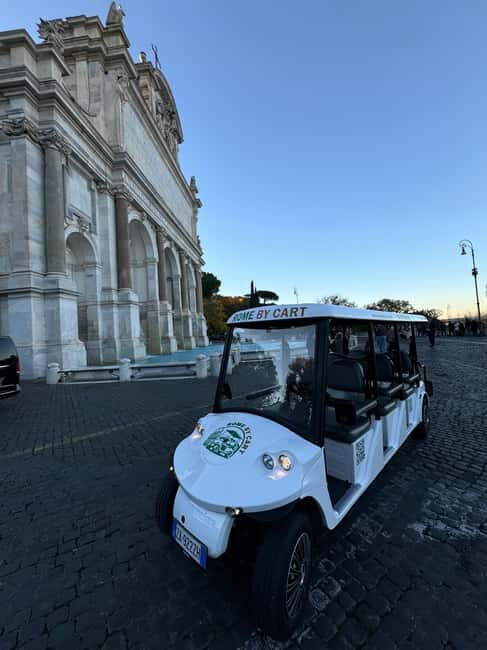
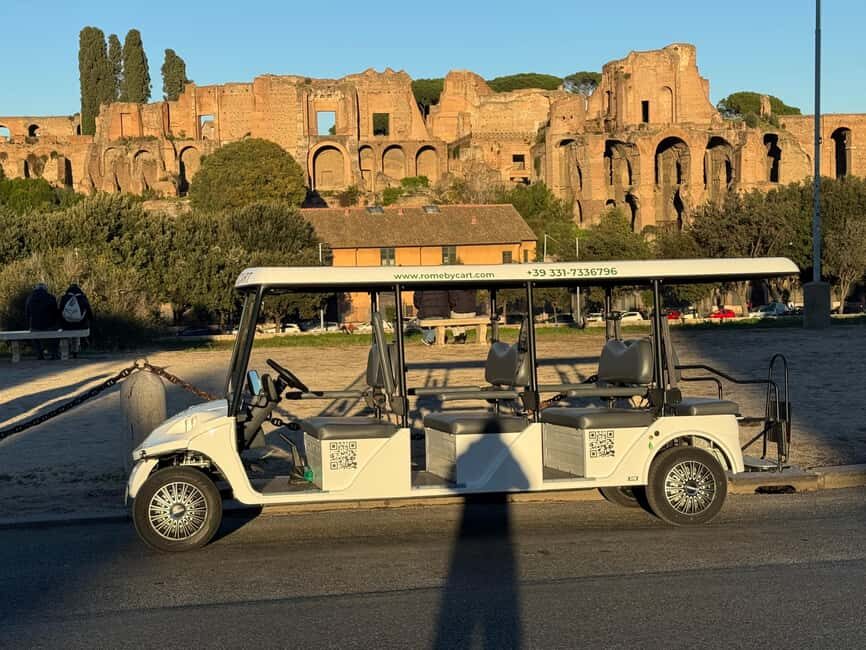
Rome is famous for being photogenic. It’s also famous for being… hilly, crowded, and full of “one more block” that turns into a long walk. This tour is built to reduce that friction. You travel by golf cart between stops, then get off to explore each sight with your guide.
What makes the format practical is the balance: you’re not bouncing through Rome only from the street. You still get guided time at key landmarks—often enough to understand what you’re looking at, not just what you’re standing next to. I also like that the tour can start from where you prefer and you end back near where you started.
The price is $225.44 per person for a 6-hour private tour, guide, sightseeing time, and lunch. That can feel high until you think about what you’re paying for: a private guide for six hours, direct transportation between far-flung stops, and food included. The big caution is simple: entrance fees are not included.
You can also read our reviews of more private tours in Rome

Piazza di Spagna to Piazza del Popolo: getting your bearings fast
You kick off in Rome and then roll straight into the showpiece area around Piazza di Spagna. The stops start with short guided visits that help you orient quickly—perfect if your first day in the city needs structure. Piazza di Spagna is your visual warm-up, and the Spanish Steps are right there as your next short stop.
Then you shift to Piazza del Popolo, which is one of those squares that works at both ends of the day. In a golf cart flow, it’s useful because it gives the guide a chance to set context: how this area connects to bigger Roman stories and how the city’s layout shapes what you see next.
What you’ll want to keep in mind: even with the cart, these are outdoor sights and there will be some walking around the edges. Wear comfortable shoes and bring water, especially if you’re doing this in warmer months.
Pantheon and Piazza Navona: big art energy without losing your day
Next up is the Pantheon. This is the kind of place where the guide’s commentary matters. The outside is instantly recognizable, but the guide’s job is to help you read what you’re seeing—why it looks the way it does, and what the building has meant over time.
From there, Piazza Navona keeps the mood lighter. This square is a classic Rome magnet, but the private format helps you move with a plan instead of getting tangled in crowds. The guided time here works well for learning what makes the square important and why it still feels like a center of gravity.
A practical tip: if you get photos early, you’ll enjoy the guided explanations more later. Try to treat the guided time like your “slow down” window, not a checklist moment.
St. Peter’s Basilica and Janiculum Hill: Vatican icons plus viewpoint payoff
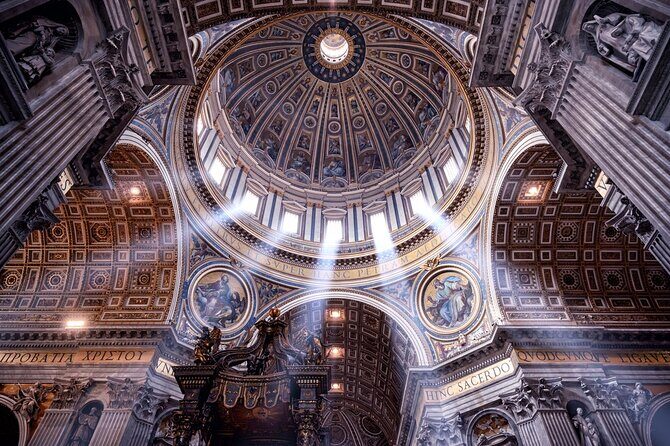
St. Peter’s Basilica is the next major stop, with guided time that gives you a chance to absorb scale and design. Even if you’ve seen pictures, being inside changes how it hits you. The guide can also connect the dots across eras—especially helpful when you’re trying to understand why Rome’s church art looks the way it does.
After that, you move to Janiculum Hill. This is the part of the tour that feels like a reward. A hill viewpoint helps you see Rome as a whole, not just a collection of buildings. The guided stop is short, but it’s exactly the kind of stop that makes the day feel more than just a list.
One more thing: Vatican-area time can involve more walking and standing. The cart helps you get there, but it won’t eliminate it. If you’re bringing older family members, this is a good segment because it’s structured and you get breaks between stops.
Fontana dell’Acqua Paola and Santa Cecilia: church time that doesn’t feel rushed
You continue with Fontana dell’Acqua Paola, and then the Church of Santa Cecilia. These stops are valuable because they add variety. After concentrating on the highest-profile monuments, it’s nice to get guided time in smaller, more character-filled spaces.
Churches like Santa Cecilia matter in Rome because they show how religious art and architecture evolved over centuries. Your guide can tie in famous names like Michelangelo, Bernini, Borromini, and Caravaggio as part of the bigger art story you’re seeing across the day. Even if you don’t leave with a perfect memory of every detail, you’ll walk away with a better sense of how Roman art thinking changed over time.
Here’s a practical consideration: church interiors can be cooler than outdoors, but you still want a light layer if you tend to get cold easily. Also, take a moment to hydrate before you go inside.
You can also read our reviews of more tours and experiences in Rome

Roman Forum, Colosseum, and Circus Maximus: the ancient skyline in one sweep
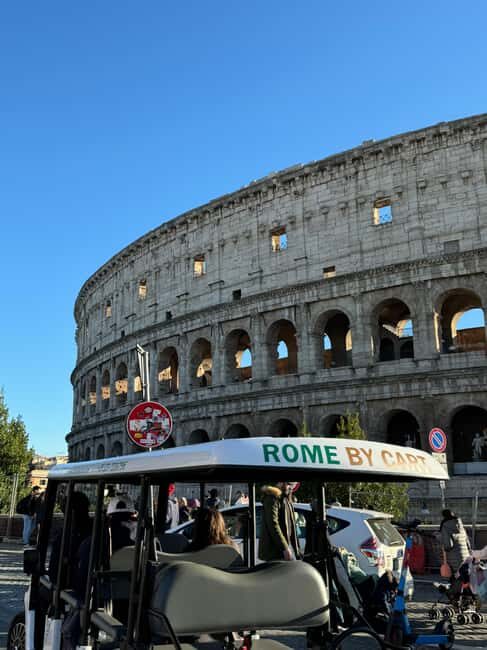
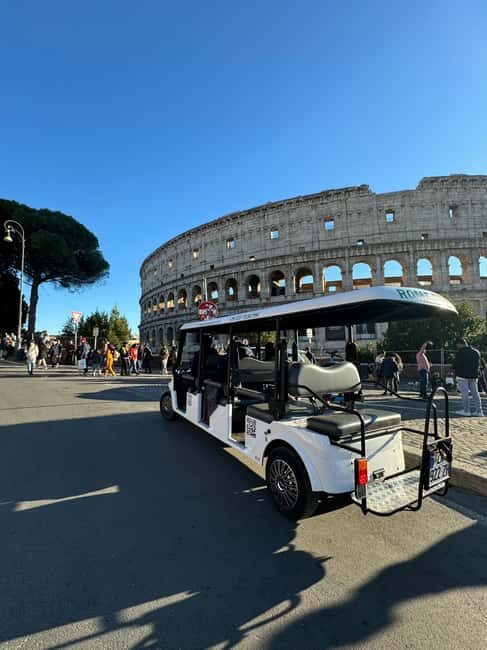
Now you reach the cluster of ancient power. The Roman Forum is first, then the Colosseum, followed by Circus Maximus. This sequence is smart for a 6-hour itinerary because these sites are related by theme: politics, public life, spectacle, and how Rome displayed power in stone.
At the Roman Forum, guided time helps you understand why it was the center of civic life and what to look for among the remains. The Colosseum then gives you the “wow” moment, but also the chance to connect it to the Forum’s world. The Circus Maximus is the kind of stop people often skip, and it’s great that it’s included here because it rounds out the picture of how Romans gathered for entertainment.
If you’re the kind of person who gets overwhelmed by facts, don’t worry. Let the guide set the storyline and then let your eyes do the rest. Rome’s scale is easier to handle when you’re not trying to research everything on the spot.
A real-world benefit shows up here: one past participant shared that they had two knee surgeries and didn’t want to walk all over Rome. The golf cart reduced the stress, with only some walking and steps once they reached each sight. That’s exactly what makes this kind of pacing work.
San Pietro in Vincoli to Castel Sant’Angelo: a shift from ruins to storytelling
After the ancient trio, the tour pivots toward dramatic church and monument stops. San Pietro in Vincoli comes next with guided time. It’s another stop where the guide’s context can make a huge difference, because Rome often rewards you for understanding what you’re looking at rather than just seeing it.
Then you head to Castel Sant’Angelo. This is where Rome’s skyline vibes really kick in. Guided time helps you understand the structure’s significance and how it fits into the city’s larger story. Even if you already know the basics, you’ll likely appreciate the explanation more when you see it as part of this route rather than as a standalone visit.
In a tour like this, the value is not just the sights—it’s the order. Moving from ancient sites into fortress-style architecture helps your brain switch modes without losing momentum.
Church of Sant’Ignazio di Loyola: finishing strong with art-focused attention
The last major sightseeing stop is the Church of Sant’Ignazio di Loyola. This is a strong wrap because it leans into Rome’s art-and-spirituality side, not just monuments.
Guided time here works well for appreciating how Rome uses design to create impact. It also pairs nicely with earlier church stops so you can start comparing styles and artistic themes across your day.
By the time you return to your starting point at the end of the tour, you’ll likely feel like you didn’t just “see Rome.” You got a guided walkthrough of how the city tells stories in stone, paint, and space.
The lunch stop: Roman flavors built into the day
Lunch is included, and it’s designed as a real food pause rather than a random break. Because it’s tied into a guided route, you’re not left hunting for something nearby or spending extra time deciding.
What I recommend if you care about food: take the guide’s lead. Roman culinary tradition is different from what many visitors expect, and a local meal with a guided day can help you order with confidence.
Also remember: the tour notes that meals and drinks are not included unless specified. So while lunch is included, you may still want to keep an eye on what’s covered and have a small plan for extra beverages.
Price, value, and who this tour fits best
Let’s talk value in plain terms. At $225.44 per person for 6 hours, you’re paying for a private guide, golf cart transport between stops, guided time at multiple major attractions, plus lunch. You’re also paying for time efficiency. Rome’s sights are spread out, and in a normal day you lose energy to transit, crowds, and searching for your next stop.
This tour is especially worth considering if:
- You want the big landmarks plus a few important in-between stops in one day
- You’re traveling with someone who can’t handle long walks (older parents, knee issues, and similar mobility concerns)
- You’d rather spend time learning than navigating
It’s less ideal if you’re the type who wants to wander for hours with no structure. This tour is designed to guide you through a focused run of highlights, with customization options, but it still has a schedule.
One more key point: the tour is not suitable for wheelchair users. Even though the cart helps, there are still steps and walking once you reach each stop.
Should you book this private RomeByCart golf cart tour?
I’d book it if you want a day that’s organized, guide-led, and easier on your legs. Past experiences led by guides like Fabio and Felipe have stood out for being polite and for helping older visitors see a strong range of Rome, from areas like Piazza del Popolo over to the Colosseum. That’s the target vibe here: less strain, more understanding.
I’d pause before booking if you’re on a tight budget for entrance fees, because ticket costs are not included. Also, if you expect a fully seated tour with zero walking, set your expectations—there will be some walking and steps.
If you’re realistic about that, this is a smart way to cover Rome without turning your trip into a marathon.
FAQ
How long is the Rome private golf cart tour?
It lasts 6 hours.
Is this a private tour?
Yes. It’s listed as a private group.
What does the tour include?
The tour includes the 6-hour golf cart tour, a dedicated guide, flexibility to customize your itinerary, sightseeing of iconic and lesser-known places, and a tasting of authentic Roman flavors with lunch included.
Does the tour include entrance fees?
No. Entrance fees to attractions are not included.
Is lunch included?
Yes, lunch is included as part of the authentic Roman food tasting at selected local eateries.
What languages is the guide available in?
The live tour guide is available in English, Italian, and Spanish.
Can we customize the itinerary?
Yes. You have flexibility to customize your itinerary to include the sights you care about most.
Where does the tour start, and do I return to the same place?
You can start the tour from where you prefer, and you’ll be returned to your starting point at the end of the tour.
What should I bring?
Wear comfortable shoes. Bring a hat, camera, sunscreen, and water.
Is it wheelchair accessible?
No, it’s not suitable for wheelchair users.