REVIEW · FOOD
Roman Vegetarian Food Tour
Book on GetYourGuide →Operated by walkingourmet · Bookable on GetYourGuide
Food in Rome tells a story.
This 2.5-hour Roman Vegetarian Food Tour turns vegetables, fruit, and grains into the star show, with a walking route built around the city’s seasons and neighborhood character. You’ll sample classic Roman flavors, learn the why behind what you’re eating, and finish with the kind of sugar-and-coffee combo Rome does best—without needing a reservation at a big restaurant.
I especially liked the way you get history tied to tastings, not history sprayed on top of food. Two standouts for me: the seasonal focus (the guide keeps pointing out what’s at its best right now), and the Roman + Sicilian mix, including memorable pastries and espresso stops.
One thing to consider: although it’s called a vegetarian tour, at least one savory bite mentioned in the experience includes anchovy alongside cheese. If you’re strict about fish, ask your guide before you start.
In This Review
- Key highlights you’ll care about
- Why this Roman Vegetarian Food Tour feels different from the usual “tasting”
- Starting at the Giordano Bruno Statue: the route sets the mood
- Campo de’ Fiori and the Jewish ghetto: where flavors get cultural context
- Seasonal produce and “wheat as art”: what the guide is really teaching you
- The savory stops: Roman favorites and Jewish-Roman bites
- Sicilian patisserie in Rome: cannoli pistacchio and ricotta
- Chocolate, gelato, and espresso: the finishing trio you’ll crave later
- What I’d do before and after the tour
- Accessibility and group reality check
- Price and value: what $81 buys you in Rome
- Who this tour suits best
- Should you book the Roman Vegetarian Food Tour?
- FAQ
- How long is the Roman Vegetarian Food Tour?
- How much does the tour cost?
- Where do we meet?
- Is this a private tour?
- What’s included in the price?
- Are alcoholic beverages included?
- What languages are the tours available in?
- Is the tour wheelchair accessible?
- Can I cancel for a full refund?
Key highlights you’ll care about
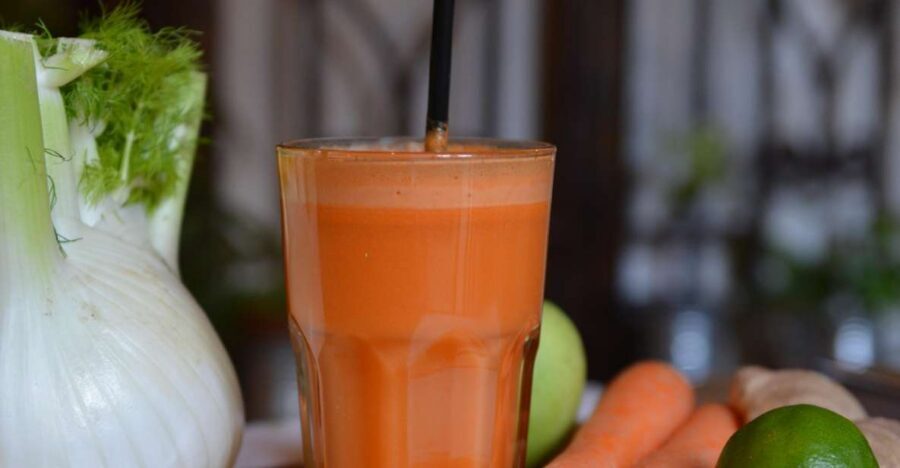
- 2.5 hours on foot with a small group capped at 10
- 100% private guide, so questions don’t get lost
- Season-first Roman cuisine, including produce and wheat-based classics
- Jewish-Roman flavors, such as artichoke specialties
- Sicilian patisserie hits like pistachio and ricotta cannoli
- Gelato plus real Italian espresso, served as part of the pacing
Why this Roman Vegetarian Food Tour feels different from the usual “tasting”
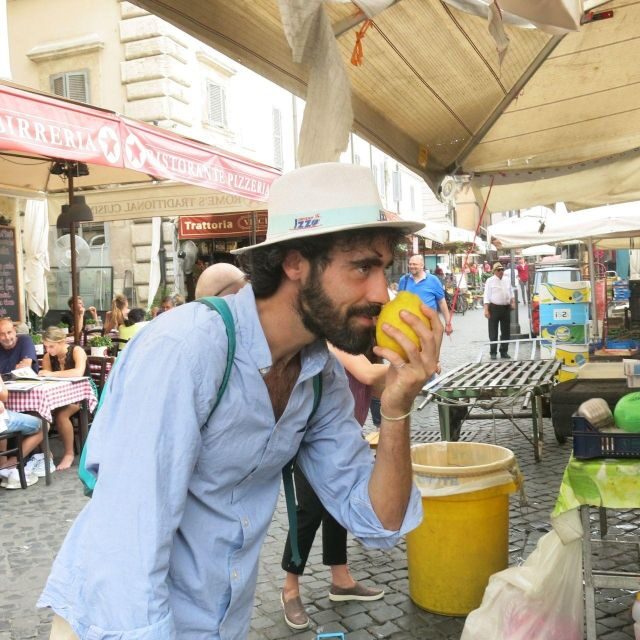
Rome is famous for meat-heavy menus. So when a tour builds the whole experience around vegetables and seasonal ingredients, you feel it fast—in a good way. The walking format matters here: you’re moving through neighborhoods while the guide connects food to the streets outside your window. That’s where the tour earns its keep.
Also, the guide-to-guest ratio is set up for real conversation. With a small group (up to 10) and a guide who’s there for your whole time, you can ask why something tastes the way it does or what to order later. In reviews, guides named Vincenzo, Orso, Viola, and Lana all get praised for explaining context clearly, and that usually comes through best on a walk like this.
The price—$81 per person for 2.5 hours—isn’t “cheap,” but it can be good value if you think of it like this: you’re not just buying a snack. You’re paying for guided visits to multiple tasting stops plus coffee/tea and bottled water included, with no alcohol added. It’s closer to a guided mini-food course than a quick bite tour.
You can also read our reviews of more food & drink experiences in Rome


Starting at the Giordano Bruno Statue: the route sets the mood
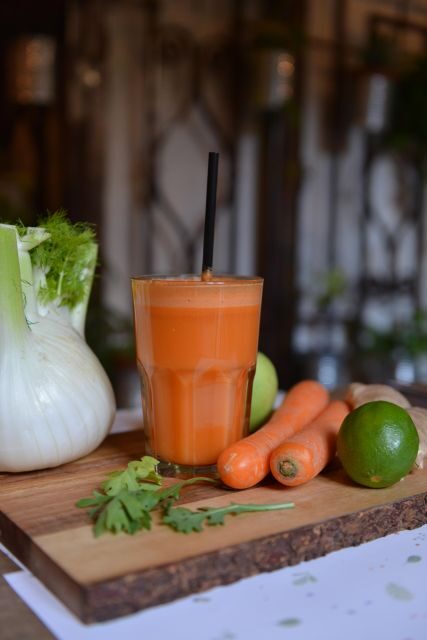
You’ll meet at the Giordano Bruno Statue. From there, the tour heads into central Rome on a route that (based on how the experience has been described) typically brings you near Campo de’ Fiori and onward toward the Jewish ghetto area.
Why this matters: those neighborhoods shape what you eat. Campo de’ Fiori is all about market energy, and the Jewish quarter is tied to specific Roman ingredients and recipes that don’t show up in every standard Roman itinerary. When a guide talks food in these streets, the stories land better than they would inside a single restaurant.
And because it’s a small group, you don’t get stuck waiting behind a slow-moving crowd. You can keep up, ask questions, and still enjoy the pace.
Campo de’ Fiori and the Jewish ghetto: where flavors get cultural context
A big theme here is where the dish comes from. The most praised part of the experience is how the guide links food to the history of the neighborhoods you’re walking through.
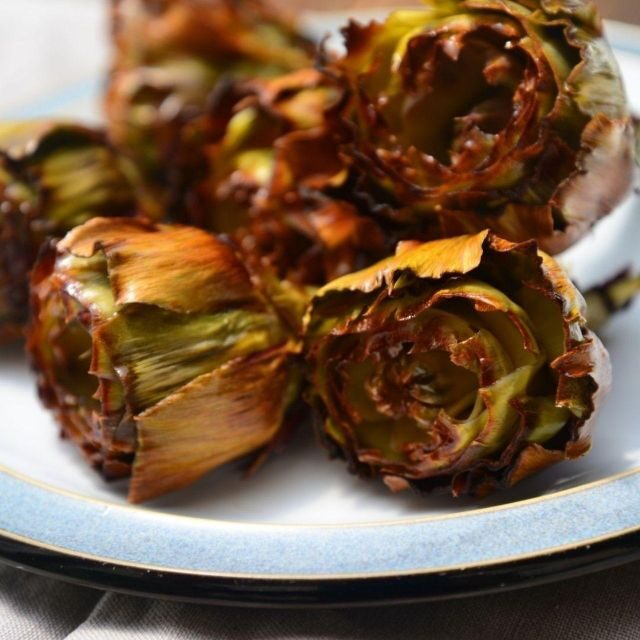
In particular, the tour leans into Jewish-Roman influences. A key example mentioned is Jewish-Roman artichokes—a specialty that reflects cultural overlap in Rome. If you’ve had artichokes before but not this kind of Jewish-Roman preparation, you’ll probably notice how much ingredient choice and technique can change the whole bite.
You may also have short pauses that go beyond food, such as stepping into churches for art when the route allows. One review specifically described stopping inside churches for paintings. The practical upside: you break up the walking time with something visual and easy to digest, and the guide can connect the setting to what you’re tasting next.
Seasonal produce and “wheat as art”: what the guide is really teaching you
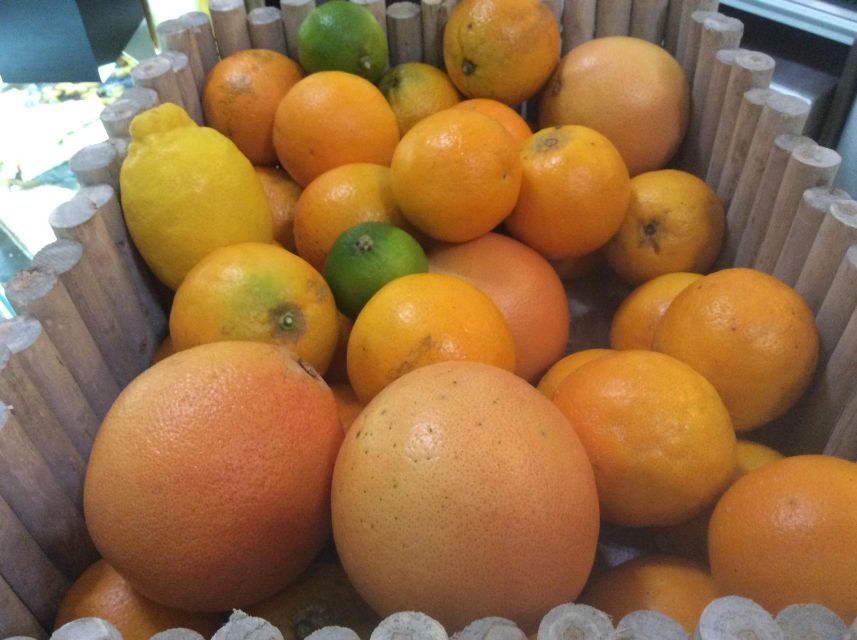
The tour is built on the idea that Rome’s best flavors come from seasonality and resourcefulness. In plain terms: when ingredients are at their peak, cooks don’t need tricks. The guide points out what to look for—fresh fruit, seasonal goods, and how Roman cooking turns humble items into something you actually want to eat twice.
Wheat gets special attention. The experience talks about the transformation of wheat into something like an art form, and in practice that usually means you’re tasting Roman staples made from grain, not just vegetables by themselves. In one description of the food you might encounter, you could include Roman pizza Rosso and other wheat-based classics.
If you’re a foodie who also likes learning how cuisines think, this part is a win. You’ll leave with a better instinct for ordering in Rome, because you’ll know what’s in season and why that matters.
The savory stops: Roman favorites and Jewish-Roman bites
This is where the tour balances familiar and surprising. The concept is vegetarian-forward, but you should still pay attention to details in how each stop is built.
From the experience descriptions, your savory tasting could include items like:
- Cheese-focused bites, including a pairing called Cheese’n’Pear
- Supplì, the classic Roman fried rice croquette
- Fried zucchini blossom with cheese and anchovy (yes, anchovy shows up in at least one described tasting)
- A chance to taste Roman pizza Rosso
Here’s how to think about it:
- Cheese’n’Pear is the kind of pairing that sounds simple until you taste it. The “why” is that fruit and dairy can bring out different flavors depending on preparation—sweetness cuts richness, and salt tightens the whole combination.
- Supplì and fried bites are good for understanding Roman textures: crisp outside, soft inside, built to be eaten as you walk.
- Artichokes—especially the Jewish-Roman style—are the spot where you might learn something new even if you’ve eaten plenty of Italian vegetables before.
Practical note: if you avoid fish entirely, don’t assume vegetarian on the label means zero seafood. Ask your guide which bites include anchovy before you take a forkful.
You can also read our reviews of more tours and experiences in Rome



Sicilian patisserie in Rome: cannoli pistacchio and ricotta
One of the most specific treats mentioned is Cannoli Pistacchio and Ricotta, described as coming from a top Sicilian patisserie stop. This is the “wow” course in a different direction than savory Rome.
Cannoli is already famous, but what makes this part interesting is the positioning: it’s not just dessert for dessert’s sake. The guide folds it into the tour’s theme of how Rome borrows and reshapes flavors from elsewhere—here, Sicily.
Expect a change in texture and sweetness profile after the savory run. Pistachio and ricotta are a strong combo: nutty depth plus creamy sweetness. And because it’s served during a walking tour, it feels more like a street-level festival than a sit-down meal.
Chocolate, gelato, and espresso: the finishing trio you’ll crave later
The end of the tour is where you get that classic Italian rhythm: sugar, cold cream, then coffee.
The experience describes:
- Top-awarded patisseries and homemade chocolate
- Secrets of the best gelateria in town
- Real Italian espresso
This part matters because guides often explain what makes these choices taste right. With gelato, that can be about texture and balance. With espresso, it’s about the blend and the strength—Rome’s coffee culture is serious, and the tour keeps it authentic by focusing on real Italian espresso rather than a watered-down tourist version.
Also, because coffee is included (coffee/tea is part of the package), you don’t have to make a decision at the worst possible moment—when your energy crashes and you’re already ten minutes from the nearest café.
What I’d do before and after the tour

You’ll enjoy this more if you plan for it like a meal.
Before:
- Go hungry enough to taste several items. This isn’t a “one snack and a story” tour.
- If you’re strict vegetarian or avoid fish, message or ask early about ingredients (the anchovy mention is the one you’ll want to address).
After:
- Use the guide’s recommendations right away. Several reviews specifically praised guides for giving food recommendations for the rest of the trip. That’s a major value-add: the tour doesn’t end at the last bite—you get a short list of where to go next.
- If you’re planning to visit markets, keep your eyes open for seasonal fruit the guide highlighted. The tour’s whole point is that you can taste the calendar.
Accessibility and group reality check
This is wheelchair accessible, and the group stays small. You won’t be packed in with dozens of people, which makes it easier to enjoy the food stops without constantly losing sight of your group.
One more practical point: it’s a walking experience, so wear comfortable shoes. Rome sidewalks can be uneven, and fried food turns your time into a slow chew—so you’ll want stable footing.
Price and value: what $81 buys you in Rome
For $81 per person over 2.5 hours, you’re paying for:
- A 100% private guide
- A small group setup (max 10)
- Snack(s) plus coffee and/or tea
- Bottled water
- A structured sequence of tastings tied to Roman and Sicilian culinary traditions
If you were to try to copy this on your own, you’d still spend money on multiple stops. The guide adds value by:
- timing the tastings so you don’t just bounce between places,
- explaining what you’re eating,
- and pointing you toward good places for later.
The main “cost” is mental: you need to be comfortable walking and eating on the go. If you want a long sit-down dinner, this isn’t that.
Who this tour suits best
I’d recommend this tour if you:
- want a vegetable-forward introduction to Roman food,
- like learning why dishes exist (not just what they taste like),
- enjoy dessert and coffee as much as savory bites,
- and want a guide to help you eat well for the rest of your Rome trip.
You might skip it (or ask extra questions) if you:
- can’t do seafood at all and want to avoid possible anchovy ingredients,
- dislike food tours and prefer independent dining.
Should you book the Roman Vegetarian Food Tour?
If you’re in Rome for a short time and you want a smart way to eat your way through traditional Roman flavors with seasonal produce and a standout sweet finish, I think this is a great booking. The small group size, private guide, and built-in espresso/gelato/patisserie stops make it feel like a complete experience, not a random snack run.
Just do one thing before you go: confirm any ingredient concerns with your guide, especially if you avoid fish. Get that right, and you’ll end up with a food walk you can remember—and use—long after you’ve left the neighborhood.
FAQ
How long is the Roman Vegetarian Food Tour?
It lasts 2.5 hours.
How much does the tour cost?
The price is $81 per person.
Where do we meet?
You meet at the Giordano Bruno Statue.
Is this a private tour?
It includes a 100% private guide and runs as a small group limited to 10 participants.
What’s included in the price?
Included items are snacks, coffee and/or tea, and bottled water.
Are alcoholic beverages included?
No. Alcoholic beverages are not included.
What languages are the tours available in?
The guide can speak English, French, German, Italian, and Spanish.
Is the tour wheelchair accessible?
Yes, it is listed as wheelchair accessible.
Can I cancel for a full refund?
Yes. You can cancel up to 24 hours in advance for a full refund.