A pilgrimage day, powered by good logistics. This private Rome-to-Loreto trip is built for Catholic pilgrims who want a calmer, guided route—prayer time, historic stops, and a smooth drive without the stress of buses and transfers. You’ll start early, ride out through Central Italy, and arrive in Loreto ready to slow down around the Holy House tradition. The scenery break at Gran Sasso and the walk through Porta Marina add a sense of journey, not just sightseeing.
What I like most is how the day focuses your attention at the places that matter. You get meaningful time at the Basilica della Santa Casa, where tradition links the site to Mary’s home and the Annunciation, and you also get context at the Museo Pontificio Santa Casa with sacred art and artifacts tied to the sanctuary.
The main drawback: it’s a long day (about 9 to 10 hours door-to-door), and lunch isn’t included. If you need frequent meals or a lot of downtime, plan your expectations accordingly.
In This Review
- Key things to know before you go
- A 7:00 am start that keeps the pilgrimage calm
- How the guide team shapes the day
- Gran Sasso: the quick camera stop with big Central Italy views
- Porta Marina: walking through the old pilgrim entry
- Basilica della Santa Casa: where the day becomes prayer and tradition
- Museo Pontificio Santa Casa: sacred art that explains why people kept coming
- Piazza della Madonna: the sanctuary’s architectural center
- Optional winery add-on: a tangible Loreto/central Italy souvenir
- Price and what you’re really paying for ($760.75 per person)
- Who this private Rome to Loreto tour fits best
- Should you book this private pilgrimage day?
- FAQ
- FAQ
- What time does the tour start?
- How long is the Rome to Loreto experience?
- Is pickup included?
- What’s included in the price?
- Is lunch included?
- Which sites are visited in Loreto?
- Can I add a winery visit?
- What is the cancellation policy?
Key things to know before you go
- Private transportation from Rome means fewer hassles and a day that runs on your schedule
- Holy House focus with time for reflection at the Basilica della Santa Casa
- Museo Pontificio Santa Casa tickets included, so you don’t have to manage museum access
- Porta Marina connects you to the old pilgrim route from the Adriatic side
- Gran Sasso photo stop for a quick, scenic high-mountain moment
- Optional local winery add-on if you want a practical souvenir stop
A 7:00 am start that keeps the pilgrimage calm
This tour runs from a 7:00 am start, and that early timing is one of the reasons the day feels manageable instead of chaotic. You’re covering a lot of ground from Rome to Loreto, and leaving early helps you arrive with more daylight, more energy, and fewer rushed moments.
Because it’s private, you’re not doing the usual “everybody stands in a line at once” dance. Your licensed guide keeps you moving through the right stops at the right tempo, so you can actually take things in—spiritually and historically—rather than just check boxes.
You can also read our reviews of more private tours in Rome


How the guide team shapes the day
You may be guided by a team member like Stefano, with a driver such as Miguel handling the long drive smoothly. In Loreto itself, a local guide such as Andrea or Bruno may meet you and help bring the basilica and sanctuary story to life. That matters, because the Santa Casa isn’t just architecture—it’s a devotional site with layers of tradition, and a good guide gives you helpful waypoints for what to notice.
Gran Sasso: the quick camera stop with big Central Italy views
On the way to Loreto, you’ll pause at Gran Sasso, described as the highest mountain in Central Italy. You get about 30 minutes, and it’s intentionally short—just enough time to look, breathe, and take photos.
This stop is more than a break. It gives your trip momentum, a physical reminder that you’re leaving Rome behind and crossing into a different rhythm of Italy. If you’re the type who likes to understand a journey by the geography you pass through, this is a nice early win.
Practical tip: dress for changing conditions. Even if the weather in Rome looks fine, mountain-area air can feel cooler.
Porta Marina: walking through the old pilgrim entry
Next is Porta Marina, one of Loreto’s ancient gates, located near the Basilica della Santa Casa. You’ll have about 30 minutes, and the point here isn’t just photos—it’s meaning.
This gate historically served as a primary entrance for pilgrims arriving from the Adriatic Sea, especially from Ancona. The route connection is built into how you’ll experience the area: you move from the old “arrival point” toward the sanctuary zone, so your walk feels like it belongs to a longer story than your own day trip.
If you enjoy “place-based history,” this is a strong stop. It turns Loreto from a destination into a continuation of a pilgrimage route.
Watch-out consideration: with a limited time window, keep your phone/camera ready before you get to the gate area. It’s easy to lose time fiddling with settings when the best light hits.
Basilica della Santa Casa: where the day becomes prayer and tradition
This is the heart of the tour: Santuario della Santa Casa (Basilica della Santa Casa). You’ll spend about 1 hour here, and entry is free within the tour context.
The spiritual focus is clear. Tradition holds that this is the Holy House of Nazareth, associated with the home where the Virgin Mary lived and where the Annunciation took place. The story also says the house was miraculously transported to Loreto in the 13th century, which is a big part of why the sanctuary became such a global center for Marian devotion.
What makes this stop valuable is how it balances reverence with understanding. A licensed guide helps you connect what you’re seeing—rather than treating it like “just another big church.” When a site has centuries of devotion behind it, context is what helps you slow down in the right way.
How to get the most out of your hour: keep your attention on the sanctuary space itself and avoid trying to rush through everything at once. If the goal is spiritual reflection, you’re better off choosing a few “anchor” moments rather than chasing every view.

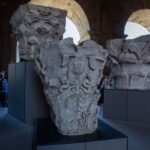
Museo Pontificio Santa Casa: sacred art that explains why people kept coming
After the basilica, you’ll visit the Museo Pontificio Santa Casa, also about 1 hour. Museum entry is handled for you as part of the tour inclusions (tickets to the Pontifical Museum are included).
This is where the sanctuary story gains texture. The museum houses sacred artworks and historical artifacts tied to the Basilica della Santa Casa. You’ll see collections that include Renaissance and Baroque works—paintings, sculptures, tapestries—and liturgical objects. Many items were donated by pilgrims and religious patrons over the centuries, which gives the collection a lived-in feeling: people didn’t just visit; they left pieces of their devotion behind.
A museum like this is a good match for Catholic travelers who want more than a quick visual. It helps you understand what faith looks like across time—how art, objects, and patronage became part of the pilgrimage experience.
Practical note: since you’ve already spent time in the basilica, keep your energy up. Hydrate during transfers and take a slow pace in the museum so you can actually read and notice details.
Piazza della Madonna: the sanctuary’s architectural center
You’ll then move to Piazza della Madonna, the spiritual and architectural heart of Loreto. Expect about 30 minutes, with admission also listed as free.
In the middle of the piazza is the ornate Fontana Maggiore (a carefully designed fountain). Even if you’re not the kind of traveler who stops for fountains, this one works because it supports the mood. The piazza is where the sanctuary atmosphere spills out into everyday movement—pilgrims gathering, people resting, and the town’s Renaissance architecture framing the space.
This stop is a good “breather.” It gives your eyes a rest after indoor devotional spaces, and it’s also a practical time window for casual walking without feeling like you must sprint.
Optional winery add-on: a tangible Loreto/central Italy souvenir
At the end, you have the option to add a visit to a local winery. The idea is simple: you can discover wines of central Italy and purchase a gift you can bring home.
This can be a nice balance if your day feels very spiritual-and-historical and you want one practical piece to take back with you. It’s also useful if you’re traveling with family members who may not want to add more church time.
Planning thought: since lunch isn’t included, think about when—if at all—you’ll eat during the drive time or after the tour ends. If the winery add-on stretches the day, you’ll want a clear meal plan.
Price and what you’re really paying for ($760.75 per person)
At $760.75 per person, this isn’t a bargain-basement excursion. The value comes from what’s included and what’s spared:
- Private transportation (so you’re not negotiating crowded routes and random timing)
- A licensed guide who can tie the sanctuary sites together with context
- Tickets to the Pontifical Museum of the Holy House so museum time stays smooth
For a pilgrimage day, private logistics matter. Loreto isn’t just a quick stop; it’s a place where timing and calm make the experience better. If you’ve ever tried to do a long day trip by public transport, you know how quickly your schedule can get swallowed by transfers and delays.
The biggest “cost trade-off” is also the simplest: lunch isn’t included, and the day runs long. If your group wants a relaxed meal included—or you prefer not to drive a lot—then you may want to build meals into your own plan before or after.
Who this private Rome to Loreto tour fits best
This tour is a strong match if you:
- Want a Catholic pilgrimage experience with guided context, not just general tourism
- Like a private day trip where the schedule doesn’t depend on other groups
- Appreciate places with meaning, especially Marian devotion and the story behind the Holy House tradition
- Prefer a guide-led pace through both basilica + museum + piazza, so you understand what you’re seeing
It may feel like too much if you:
- Hate long travel days (expect about 9 to 10 hours total)
- Need lots of breaks and don’t like that no lunch is included
- Want a very loose, independent itinerary (this tour is structured on purpose)
Should you book this private pilgrimage day?
If your priority is a spiritually focused, guided route with smooth logistics from Rome, I think this is an easy “yes.” The combination of the Basilica della Santa Casa, Porta Marina’s pilgrim history, and the Museo Pontificio Santa Casa’s art and artifacts creates a day that feels coherent, not scattered.
Before you book, ask yourself two questions: Do you want a long, structured day? And are you okay handling your own meal? If the answer is yes, then you’re choosing a day built for reflection, with the convenience of private transport and the value of included museum access.
FAQ
FAQ
What time does the tour start?
The tour start time is 7:00 am.
How long is the Rome to Loreto experience?
It runs about 9 to 10 hours, including travel time.
Is pickup included?
Pickup is offered, and the tour is private transportation.
What’s included in the price?
The tour includes a licensed guide, private transportation, and tickets to the Pontifical Museum of the Holy House.
Is lunch included?
No, lunch is not included.
Which sites are visited in Loreto?
You visit the Basilica della Santa Casa (Santuario della Santa Casa), the Museo Pontificio Santa Casa, Piazza della Madonna, and you also stop at Porta Marina.
Can I add a winery visit?
Yes. You can choose to add a visit to a local winery.
What is the cancellation policy?
This experience is non-refundable and cannot be changed for any reason.