REVIEW · EVENING EXPERIENCES
Private Rome Night Tour by Car
Book on Viator →Operated by Through Eternity Tours · Bookable on Viator
Rome looks different after dark. This private evening drive strings together the big-name sights you’ve seen on postcards, then shows you how they glow when the daytime crowds thin out. You’ll be whisked from your hotel to key stops across central Rome, with an English-speaking guide talking through what you’re seeing as the city lights come on.
I like the private format most. It’s only your group, you get a car and driver for the whole evening, and you can actually look around instead of rushing between bus stops. I also really appreciate the hotel pickup and drop-off because it turns the whole thing into a low-effort evening plan. One consideration: this is tight timing for 3 hours, so you’ll be viewing each area rather than lingering the way you might on a full-day self-guided walk.
In This Review
- Quick Hits Before You Go
- Why Rome Looks Better After Dark
- The Private Car and Pickup: The Real Time Saver
- Your 3-Hour Route: How the Timing Works
- Colle Capitolino at Night: Capitoline Hill Views
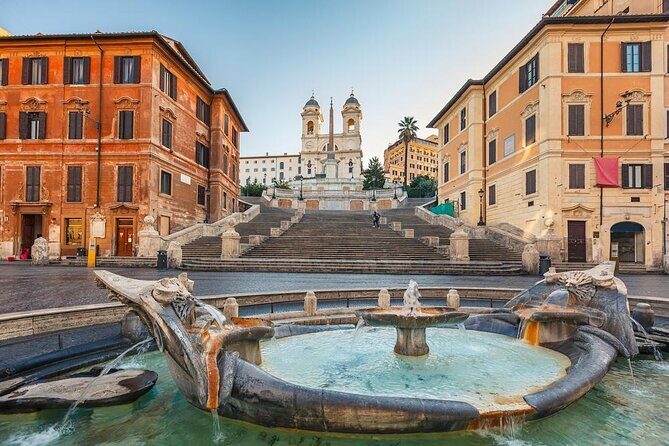
- Spanish Steps After the Sun: The Best Kind of People-Watching
- Piazza Navona by Starlight: A Square With a Built-In Theme
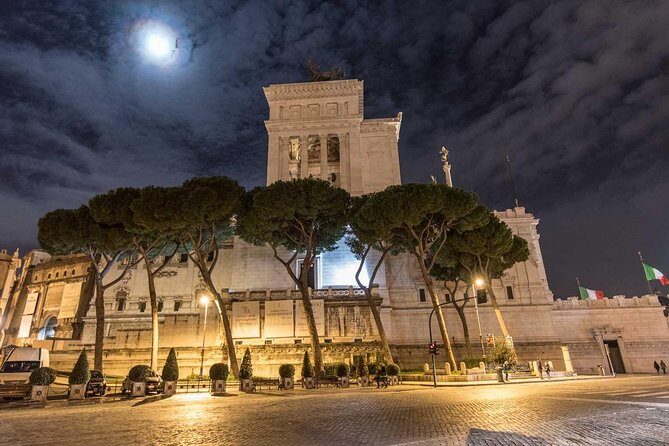
- Piazza Venezia and the Monument Vittorio Emanuele II Area
- Pincian Hill: A Breather With a Big View
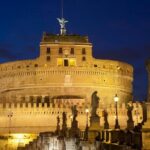
- St. Peter’s Square at Dusk: The Sacred Scale Moment
- Trastevere Night Stroll: Finishing in a Different Mood
- Cost and Value: What You’re Really Paying For
- What’s Included, What Isn’t, and How to Plan
- The Guide Makes It: Why the Commentary Changes Everything
- Photos Without Stress: Quick Tips That Actually Help
- Jubilee Restoration Note: What to Expect If Something Changes
- Should You Book This Private Rome Night Tour by Car?
- FAQ
- How long is the private Rome night tour?
- What sights will we see during the tour?
- Is hotel pickup and drop-off included?
- Is this tour private?
- Are admission tickets needed for the stops?
- Does the price include food?
- Are tips included?
- What are the cancellation rules?
Quick Hits Before You Go
- Private car + driver throughout means less stress and fewer transport headaches
- Hotel pickup and drop-off lets you start and end without wrestling transit
- Seven classic stops in about 3 hours gives you a smart, fast overview
- Guided commentary at night helps you connect monuments to stories and layout
- Free admission for the stops keeps costs predictable
- Jubilee-related restoration could affect what you see, so expect possible changes
Why Rome Looks Better After Dark
Night in Rome is a cheat code. You still get the same landmarks, but they sit in softer light, with shadows that make facades look deeper and statues feel more sculptural. Plus, the rhythm of the city changes. Streets feel calmer. Squares feel more like places, not just photo backgrounds.
This tour leans into that idea: you move efficiently from one illuminated scene to the next. Rather than burning time traveling across town, you spend your evening where Rome is most impressive after sunset. And because your guide is with you, you’re not just staring at buildings. You’re getting context while the lights make everything pop.
If you’ve visited Rome before and still want that wow factor, this is also a good fix. Even familiar sights can feel new when you see them lit up and understand how the views line up from different neighborhoods.
You can also read our reviews of more private tours in Rome


The Private Car and Pickup: The Real Time Saver
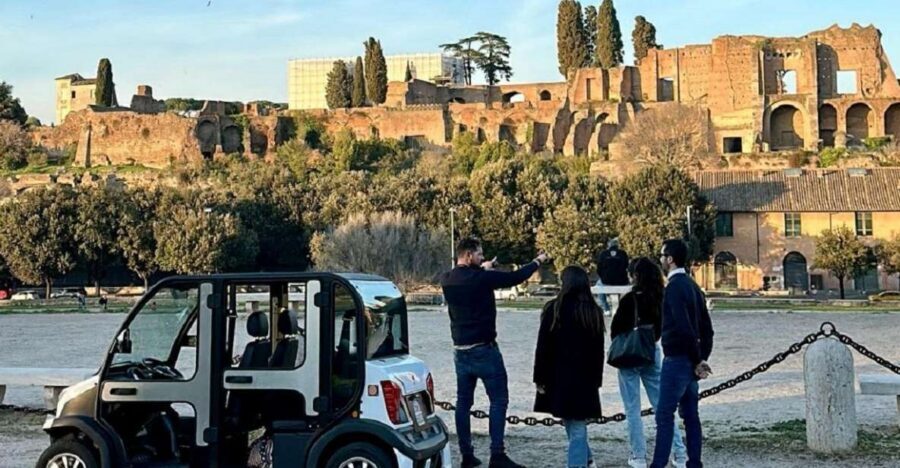
In Rome, the biggest hidden cost of sightseeing is transit time. Buses, trams, crowds at the stops—this is where plans go to die. With a private car and driver, that disappears. You get door-to-door hotel pickup and then you return right back to your hotel at the end.
That matters for a 3-hour tour because you’re not spending the evening trying to “figure it out.” The driver handles the getting-around, while your guide handles the why and the what-to-look-for.
Practical tip: pick what you’re wearing with night in mind. You’ll be outside and moving between squares, and Rome evenings can feel cool even when days are warm. Comfortable shoes are the boring but correct choice here.
Your 3-Hour Route: How the Timing Works
This tour is designed as an efficient loop with short visits at each stop—most are around 20 to 30 minutes. That structure is ideal if you want:
- a quick overview of Rome’s top sights,
- photo time without the worst crowds,
- and enough guidance to make sense of the city’s layout.
The trade-off is simple: you won’t do long museum-style stays. You’ll see, absorb, take photos, and then move on. Think of it like an artfully paced highlights reel—just with an expert guide talking as you go.
Colle Capitolino at Night: Capitoline Hill Views
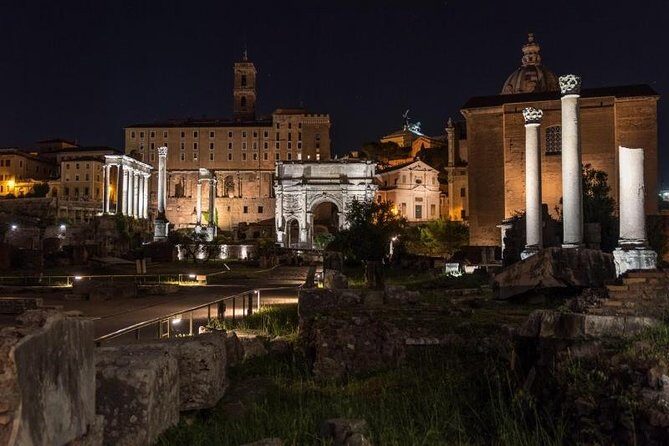
Your first stop is Colle Capitolino, also known as the Capitoline Hill. You’ll have about 30 minutes here, and there’s no admission ticket needed for this part of the experience.
Capitoline Hill is one of those spots where Rome’s layers feel obvious. Even if you’re not standing inside a museum, you can read the city’s history in the way the area is arranged. At night, the setting helps. The hill rises above the streets below, and the lighting makes outlines clearer, so you can get a sense of scale fast.
What I like about starting here: it sets the tone early. You’re not just drifting from one landmark to another. You’re beginning at a position that gives Rome’s “big picture” energy.
If you’re the kind of person who likes to orient yourself, use those 30 minutes to slow down. Look for angles and sightlines your guide points out. Then when you reach the next squares, Rome will feel more connected.
Spanish Steps After the Sun: The Best Kind of People-Watching
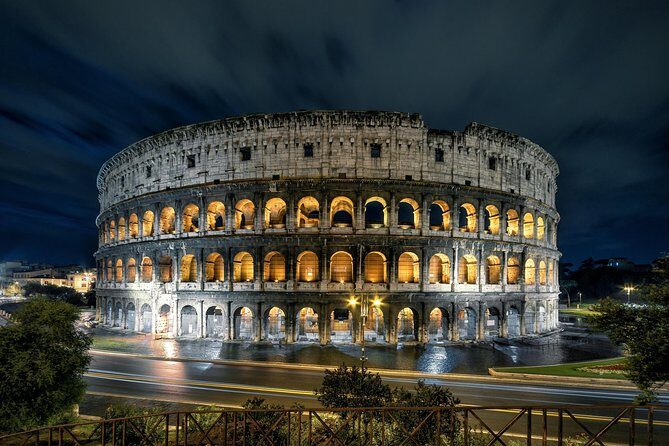
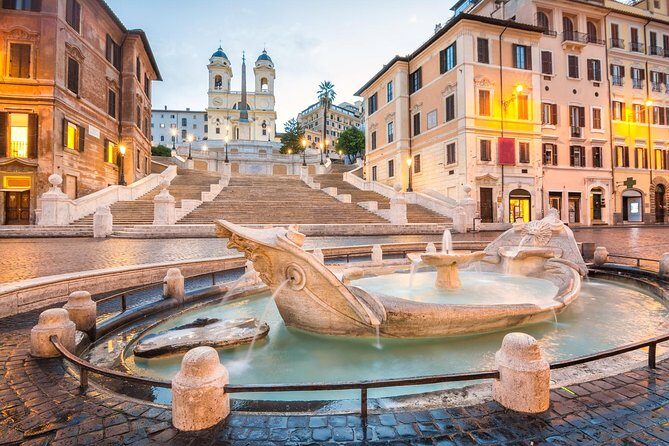
Next up is the Spanish Steps, with 20 minutes on site. No admission ticket is required.
This is one of the most photogenic places in Rome, and at night it gets even better. The steps and surrounding streets light up the way they don’t in daylight, and the crowd energy shifts. You can actually pause, frame a shot, and watch the flow of people without feeling like you’re in a bottleneck all the time.
Because your time is short here, don’t spread out your attention too much. Pick one or two “must-do” angles—like looking up the stairway or using the square below as a foreground frame. Then let the rest be casual. Rome’s charm is that you don’t need to force it.
A quick practical note: the Spanish Steps area can be busy in general, so keep an eye on your group timing and listen for any guidance from your driver/guide about where to gather.
You can also read our reviews of more evening experiences in Rome

Piazza Navona by Starlight: A Square With a Built-In Theme
You’ll spend about 20 minutes at Piazza Navona, again with no admission ticket needed.
This square is famous for its shape and atmosphere, and at night it feels extra cinematic. The lighting emphasizes the geometry, and the open space helps you see the whole area instead of only one corner. It’s a good stop for “okay, I get it now” moments—when you realize how Rome’s plazas work as social stages, not just sightseeing stops.
Use this time to do two things:
- take a wide photo so you capture the square’s layout,
- then step closer to notice details your guide mentions.
Since you’re moving quickly through the evening, Navona is a great place to let your mind click into gear. After this, the rest of the itinerary tends to feel more coherent.
Piazza Venezia and the Monument Vittorio Emanuele II Area
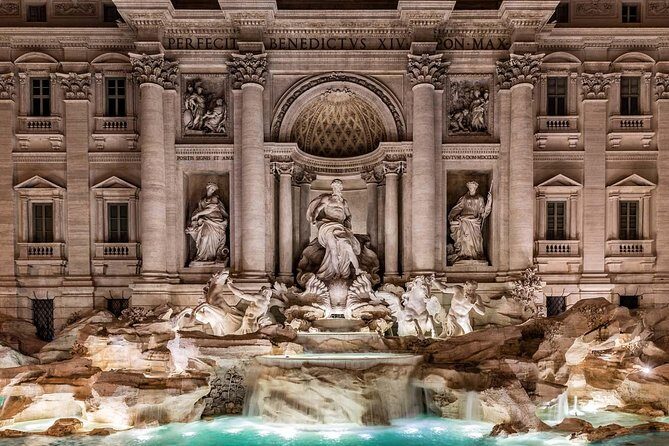
Your 30-minute stop at Piazza Venezia is where Rome’s national monuments flavor enters the picture. This is also the area tied to the Monument Vittorio Emanuele II in the tour route.
At night, this part of Rome looks especially imposing. Even if you’re not deeply into the specific monument, you’ll feel the scale. The square works like a stage set: big stone forms, strong lighting, and clear lines that help you orient quickly.
What I find useful here is how the guide can connect the monument area to the city’s broader story. You’re not just watching buildings. You’re learning how different parts of Rome “announce” their importance through location and design.
Because time is 30 minutes, you can take photos without rushing. Still, don’t plan to wander too far. Your evening is structured, and you’ll want to be back where the group gathers when the driver is ready.
Pincian Hill: A Breather With a Big View
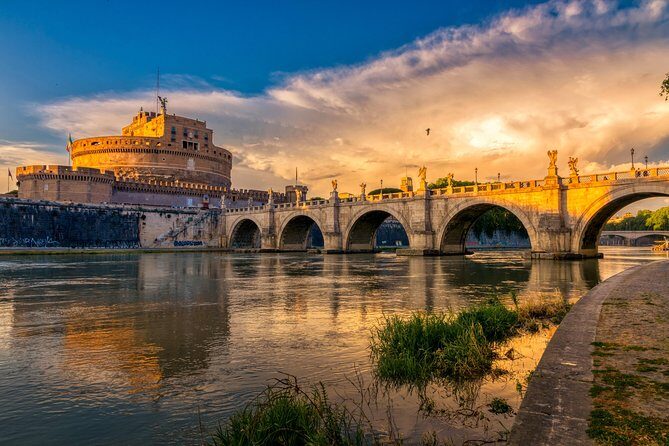
Next comes Pincian Hill, with 30 minutes on the schedule.
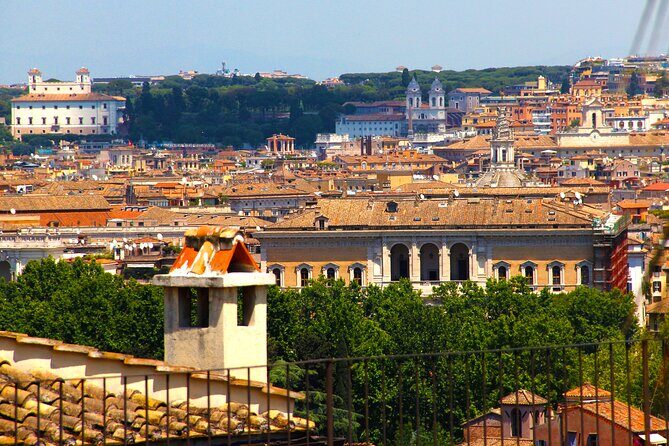
This stop is basically your “look over Rome” moment. Even without a formal ticketed attraction, you’re likely to feel the payoff: higher ground helps you see more of the city’s structure in the distance. At night, that’s a big deal. Lights spread outward, and you can better understand why some viewpoints have stayed famous.
I like this placement later in the tour. By now, you’ve already seen several iconic facades and squares. A view-based stop helps you reset your bearings before you head toward the religious heart of the city.
Bring your patience here. Even on a private tour, viewpoints can have foot traffic. Your job is to stand where you can see, take what you need, and then let the area move on around you.
St. Peter’s Square at Dusk: The Sacred Scale Moment
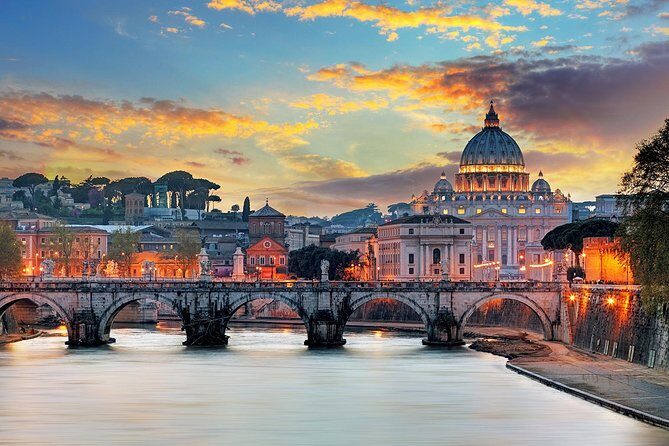
You’ll spend about 20 minutes at St. Peter’s Square. No admission ticket is required.
St. Peter’s Square is Rome at full volume. The size of the space hits you fast, and at night, lighting makes the architecture feel even more dramatic. This is also one of those places where it helps to have a guide. The square’s layout is designed to guide your attention, and a good explanation makes your photos better because you know what you’re actually capturing.
Since your time is limited, focus on getting the overall view first. Then, if you can, step into the angle your guide suggests for a better sense of perspective.
Also, remember you’re near a major religious site. Keep your tone respectful, keep your voice down, and follow whatever guidance your guide provides on where to stand and when to move.
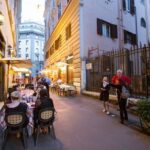
Trastevere Night Stroll: Finishing in a Different Mood
The final named stop is Trastevere, with about 30 minutes.
This is a smart way to end, because it shifts the evening from monumental Rome to neighborhood Rome. Trastevere tends to feel more like an actual lived-in part of the city, and an evening visit gives you a taste of Roman life beyond the famous squares.
You get time to wander a bit, soak up the atmosphere, and then wrap the night back toward your hotel with the driver. No ticket needed here either, so you’re not stuck waiting in lines for an attraction that could eat into your time.
If you want something simple to do after the tour, this is the best place to decide. You’ll have a feel for the vibe, and you can choose whether to continue exploring nearby or call it a night.
Cost and Value: What You’re Really Paying For
At $411.90 per person for a roughly 3-hour private tour, the price isn’t small. But it’s not random either. You’re paying for:
- a private car and driver for the full loop,
- hotel pickup and drop-off,
- and an English-speaking private guide with live commentary.
That combo is where the value lives. If you’d otherwise spend time figuring out transit and stitching together multiple stops on your own, this tour buys you time and coordination. The private format also matters if you’re a couple, a family with kids, or anyone who hates rushing.
One factor to consider: the tour is paced tightly. If you want slow, museum-style Rome, this might feel short. If you want a fast, high-quality overview with fewer logistical headaches, it’s easier to justify.
What’s Included, What Isn’t, and How to Plan
Included in the price:
- all fees and taxes,
- private car and driver throughout the tour,
- hotel pickup and drop-off by car,
- an expert, English-speaking private guide.
Not included:
- food and beverages,
- gratuities (optional).
That means you should treat this as a sightseeing plan first, meal plan second. If you’re hungry, eat before you go or plan a simple dinner after you return. You’ll likely be moving between outdoor spaces, so plan for cool air and comfortable footwear.
If you’re the type who likes control, remember you’ll be responsible for gratuity decisions at the end. Keep a little cash or a plan for tipping ready if that’s part of your travel style.
The Guide Makes It: Why the Commentary Changes Everything
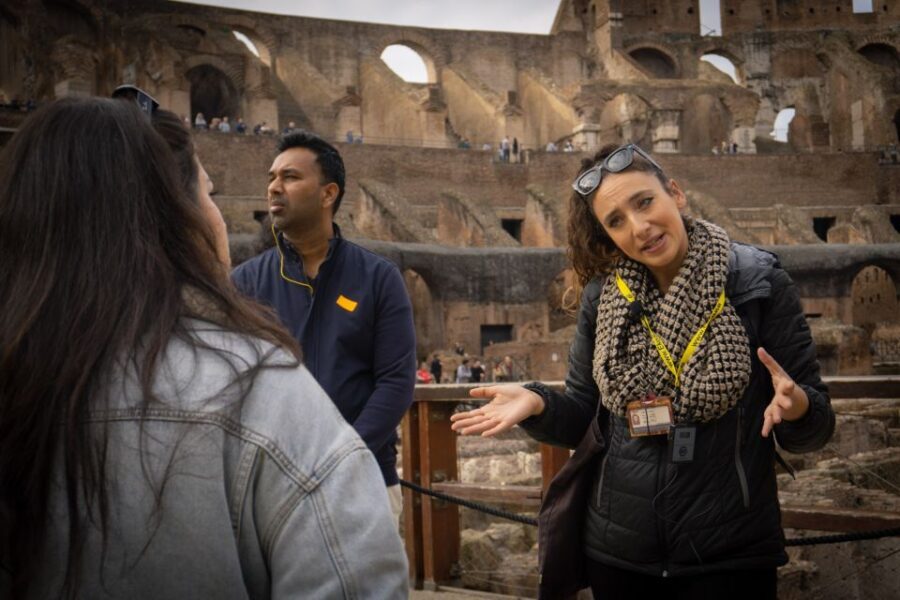
The difference between seeing Rome and learning Rome is usually the guide. Here, the guides are described as passionate about Roman history and enthusiastic about sharing it, and that energy comes through fast at night when everything feels dramatic.
One guide in particular—Mario—was praised for being passionate, knowledgeable, and funny, with guests laughing while still learning. That kind of balance matters because it turns the evening into more than a photo walk. You start to notice patterns: why certain monuments face certain ways, how squares relate to roads, and what stories are hidden in plain sight.
This is also where the private format helps. Your guide can keep the pace matched to your group’s interests, rather than trying to manage a crowd that doesn’t have the same questions.
Photos Without Stress: Quick Tips That Actually Help
Night photos are a joy, but they can also become stressful if you try to do everything at once. My advice is simple:
- prioritize one wide shot per stop and one detail shot,
- keep moving so you’re not blocking other people,
- and listen when your guide tells you where to stand for the best angle.
Because the stops are timed, don’t overplan photo projects. Capture what matters most first, then let the rest be for later when you can return on your own time.
Also, since you’re on a private car route with hotel pickup and drop-off, you can move your itinerary around your comfort level. If you need a quick restroom stop before the tour, do it first rather than hoping time opens up during the drive.
Jubilee Restoration Note: What to Expect If Something Changes
Rome is always changing, but with the Jubilee period mentioned, it’s possible that some monuments may be under restoration. That means you might see temporary barriers or alterations depending on current conditions.
The best mindset is flexible. A night tour is still valuable even if one view is affected. Your guide can help you adjust your expectations on the spot and still focus on what you can see and understand.
Should You Book This Private Rome Night Tour by Car?
I’d book this if you want a smart, guided overview of Rome’s most iconic areas in a short window, and you care about doing it with low hassle. The private car, hotel pickup, and guide commentary are the big reasons this works. You get a lot of Rome in three hours, without turning the evening into a logistics puzzle.
Skip it if your travel style is slow and deep—this route is built for quick looks, not long stays. Also, if your dream is to spend lots of time inside ticketed attractions, this tour is more about illuminated public spaces and viewpoints than museums.
If you’re deciding between trying to DIY a night route and going private, this is a strong choice for peace of mind. You’ll come away with clearer geography, better photo angles, and a guide story behind what you saw.
FAQ
How long is the private Rome night tour?
The tour lasts about 3 hours.
What sights will we see during the tour?
You’ll visit Colle Capitolino (Capitoline Hill), the Spanish Steps, Piazza Navona, Piazza Venezia (Monument Vittorio Emanuele II area), Pincian Hill, St. Peter’s Square, and Trastevere.
Is hotel pickup and drop-off included?
Yes. Hotel pickup and drop-off by car are included.
Is this tour private?
Yes. It’s a private tour/activity, and only your group participates.
Are admission tickets needed for the stops?
The stops listed are shown as free for admission tickets.
Does the price include food?
No. Food and beverages are not included.
Are tips included?
No. Gratuities are not included and are optional.
What are the cancellation rules?
You can cancel for a full refund up to 24 hours in advance of the experience’s start time. If you cancel less than 24 hours before, the amount paid is not refunded.