REVIEW · 2-DAY EXPERIENCES
Private Rome in 2 Days Tour
Book on Viator →Operated by Through Eternity Tours · Bookable on Viator
Rome clicks into place on day one. This private, two-day plan strings together Rome’s biggest icons with a guide who keeps the story straight as you move from the Roman Forum to the Vatican. I love the skip-the-line tickets for the heavy-hitters and the fact it’s truly private—just your group, at your pace (no mixing with strangers). One possible drawback: it’s a walking tour with steps, and for Colosseum/Forum entry you must present an ID that matches the name used at booking.
What really sells this for me is how the two days balance “wow factor” with “why it mattered.” Day 2 moves through the Vatican Museums highlights like the Stanze di Raffaello and Sistine Chapel, then turns inside St. Peter’s for specific moments (like La Pieta and the view from Bernini’s Baldacchino). And the guidance quality matters—on one version of the trip, two named guides (Eugenia for Day 1 and Maria for Day 2) were the difference between seeing landmarks and actually understanding them.
You also get flexibility in where you stay: you choose your accommodation, and the guide handles the sight sequence. Transportation to and from the meeting/end points isn’t included, so you’ll want a hotel near public transit and a plan for getting to the start on time. Bring comfortable walking shoes and water, because Rome doesn’t do gentle strolls when you’re hopping between centuries of stone.
In This Review
- Key things that make this Rome plan work
- What “private guide-only” really means (and why it’s worth paying for)
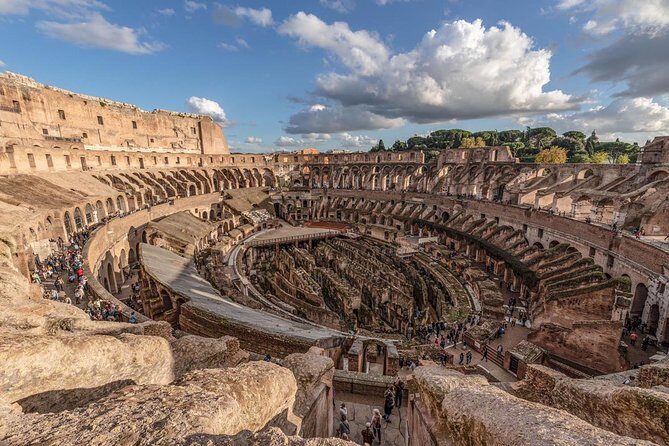
- Entering the Colosseum world: Roman Forum, Palatine Hill, and the “reason for everything”
- The first-day “great hits” walk: Spanish Steps to Trevi to Pantheon
- Piazza Navona, Campo de’ Fiori, and the quieter power of the smaller squares
- Inside-the-Forum bonuses: Tempio di Saturno, Tempio di Romolo, and a fountain stop
- Day 2 in the Vatican Museums: Stanze di Raffaello and the Sistine Chapel
- St. Peter’s Basilica and St. Peter’s Square: more than a famous exterior
- Castel Sant’Angelo: history with a view
- Back inside St. Peter’s: La Pieta and the Baldacchino viewpoint
- The behind-the-scenes factors that can change your day
- Price and value: what $1,101.88 per person is really buying
- Practical tips so your two days don’t feel exhausting
- Should you book Private Rome in 2 Days?
- FAQ
- What’s included in the skip-the-line access?
- Do I need to pay for entry tickets separately?
- Is transportation to and from the meeting point included?
- What if Pantheon reservations are not possible?
- Do I need my passport or ID for entry?
- Are audio headsets provided?
Key things that make this Rome plan work
- Roman Forum + Palatine Hill: entry tickets are included and the timing gives you real breathing room at the core of ancient Rome.
- A “classic Rome” first day: Spanish Steps, Trevi Fountain, Pantheon (with a backup plan), Piazza Navona, Campo de’ Fiori, and more.
- Small interior moments included: you don’t just look at ruins—you get guided time inside spaces tied to Roman power.
- Vatican Museums focus: you hit Stanze di Raffaello and the Sistine Chapel with admission included.
- St. Peter’s interior highlights: La Pieta plus a visit to the Baldacchino area, not just the outside views.
- Audio headsets for group size: if you’re six or more, headsets help you hear clearly without your whole group craning necks.
What “private guide-only” really means (and why it’s worth paying for)
This is a guide-only experience, private by design. That sounds small on paper, but it changes the whole feel of the trip. Instead of waiting for other people or having your pace dictated by a mass schedule, you can slow down at what clicks for you—inscriptions, street-level details, religious art, Roman politics, whatever your brain is hungry for.
You also choose your own accommodation. That’s not just convenience. It lets you stay closer to the sights you’ll actually use most. If you hate long commutes, pick a base that makes getting back and forth painless. If you want a quieter neighborhood, you can do that without losing the value of the guided days.
Headsets come into play for groups of six or more, which is a quiet upgrade that many tours skip. If you’ve ever tried to hear a guide over footsteps and other tour groups, you know why this matters.
You can also read our reviews of more private tours in Rome

Entering the Colosseum world: Roman Forum, Palatine Hill, and the “reason for everything”
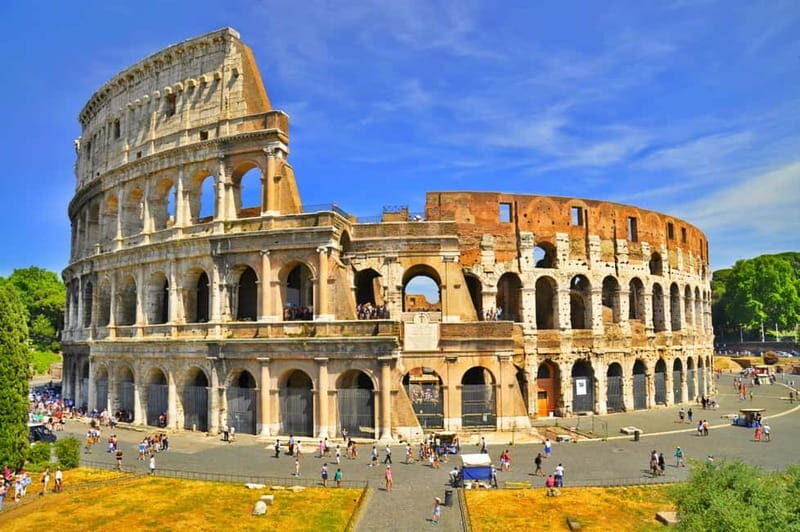
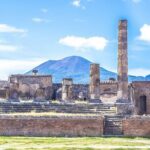
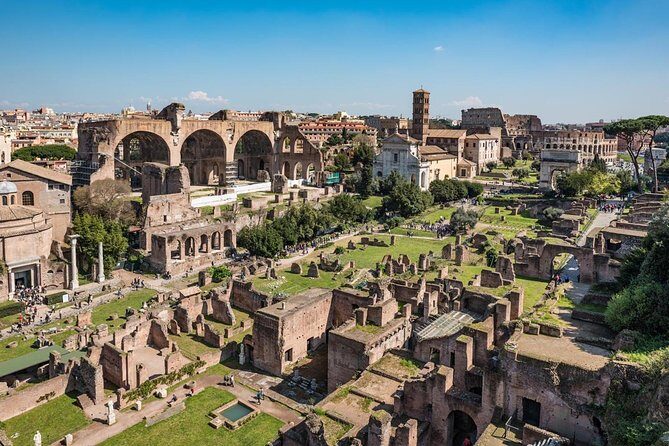
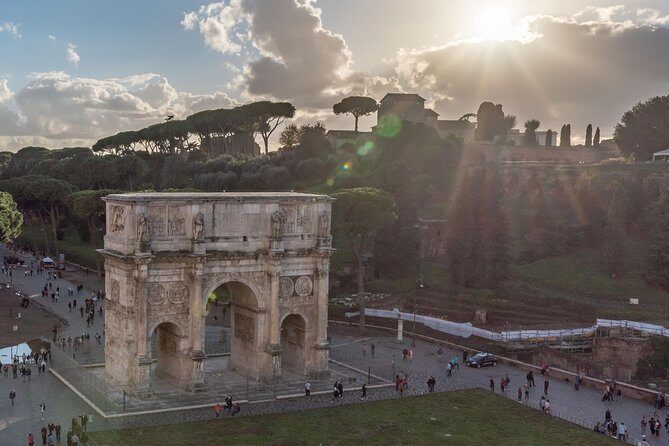
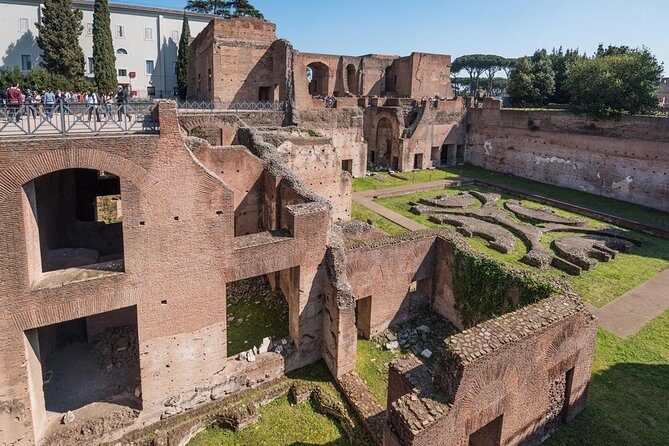
Day 1 begins in the Roman Forum area, and it’s scheduled with enough time to do more than take a few photos. You get Roman Forum guided time (1 hour 30 minutes) with admission included, then Palatine Hill guided time (1 hour) with admission included.
Here’s why that pairing is smart: the Forum is the stage—law, crowds, speeches, commerce. Palatine Hill is the backdrop of power—imperial prestige rising above the city. When you see them back-to-back, the story stops feeling like a list of ruins and starts feeling like a living map of influence.
Inside these spaces, you’re not just “looking at old rocks.” The guide’s job is to point out what changed and what stayed. You’ll also get additional guided stops within the Forum area, including Tempio di Saturno and Tempio di Romolo, each with short time blocks that still matter because they’re connected to how the area was organized and used.
One practical note: for Colosseum and Roman Forum entry, each person must have a valid passport or ID matching the name provided at booking. It’s easy to mess up spelling when you book online—double-check it before you show up.
The first-day “great hits” walk: Spanish Steps to Trevi to Pantheon
After the ancient core, Day 1 shifts into classic Rome. The good news is that these are timed as short stops rather than “rush and run.” You’re still on foot, but you aren’t spending the entire day in one museum-style line.
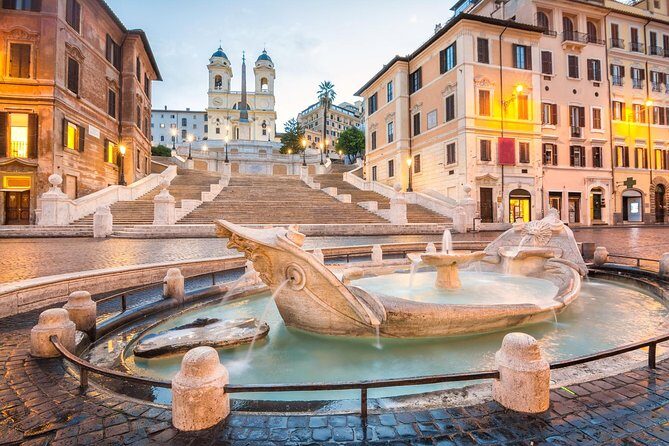
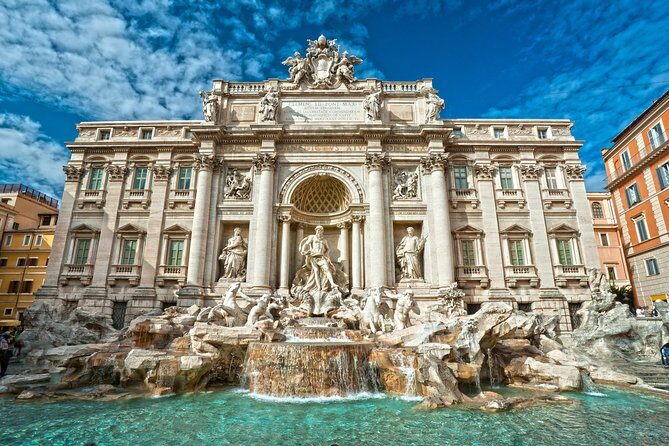
You’ll go by (or stop briefly at) Spanish Steps (about 20 minutes) and Trevi Fountain (about 30 minutes)—two sights where a guide’s value is partly logistics and partly context. They’ll help you see what people miss: the view lines, the sculpture language, and why these spots became social magnets.
Then comes Pantheon (about 20 minutes). The Pantheon is tricky because reservations can fail on weekends or when lines are too long. If that happens, the guide won’t leave you with nothing—they’ll explain the key ideas from the outside so you don’t lose time on the rest of the route.
Even when a site is free to enter, your time still matters. A guide helps you avoid wandering, helps you prioritize the details that are worth your attention, and keeps the day from turning into a photo scavenger hunt.
Piazza Navona, Campo de’ Fiori, and the quieter power of the smaller squares
Day 1 continues with a string of central squares: Piazza Navona (about 20 minutes) and Campo de’ Fiori (about 20 minutes). These places are easy to treat as postcard backdrops, but they’re also ideal for learning how public life played out in different eras.
You’ll also stop at Piazza Farnese (about 20 minutes) and get a quick look at Tempio di Adriano (about 10 minutes). These brief timing blocks are useful because they keep you moving while still giving your guide a chance to connect what you’re seeing to the larger theme: Rome’s layers build on each other.
A nice detail: you also include a view from the Colosseum. It’s not listed as a ticketed visit in the same way as the Forum/Palatine blocks, but it acts like a visual punctuation mark. You’re seeing the city’s “big stage” from the right angle, then returning to the guide’s interpretation of how all these sites fit together.
Inside-the-Forum bonuses: Tempio di Saturno, Tempio di Romolo, and a fountain stop
Short guided moments can still be high value when they’re placed strategically. On Day 1, you’ll have time for Fontana dei Quattro Fiumi as a walk-by with the guide (about 5 minutes) plus those additional Forum interior temple moments.
Why spend tiny chunks here? Because it helps you train your eye. Once you notice how symbols, layout, and architecture reinforce identity, Rome stops feeling like random monuments and starts feeling like a planned set of statements.
Also, tiny stops are a practical break. They punctuate a walking-heavy schedule, so you don’t feel like you’re either sprinting or standing forever.
You can also read our reviews of more tours and experiences in Rome

Day 2 in the Vatican Museums: Stanze di Raffaello and the Sistine Chapel
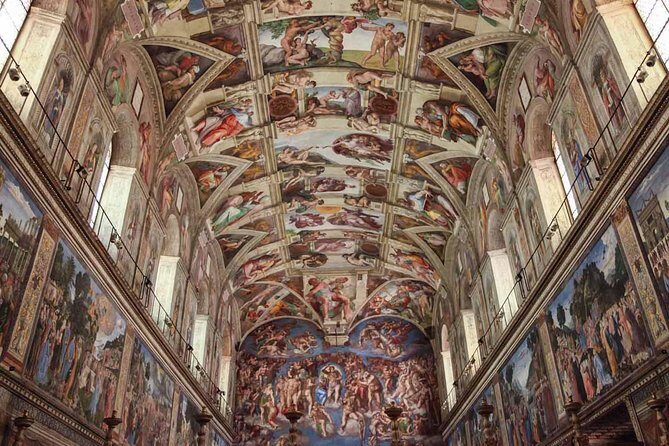
Day 2 is the art-and-meaning day. You start with Stanze di Raffaello (about 20 minutes), with admission included, and then move to the Sistine Chapel (about 30 minutes), also with admission included.
The value here isn’t just that you’re inside. It’s that your route hits two different kinds of visual storytelling. The Stanze areas help you understand how painting, politics, and theology were used as public messaging. Then the Sistine Chapel gives you the emotional and artistic payoff.
A private guide matters because the Sistine Chapel is not the place for confusion. You don’t need to guess where to look or what you’re supposed to notice. Your guide can point you toward the details you’d miss on your own—so you leave knowing what you just saw, not only what it looked like.
St. Peter’s Basilica and St. Peter’s Square: more than a famous exterior
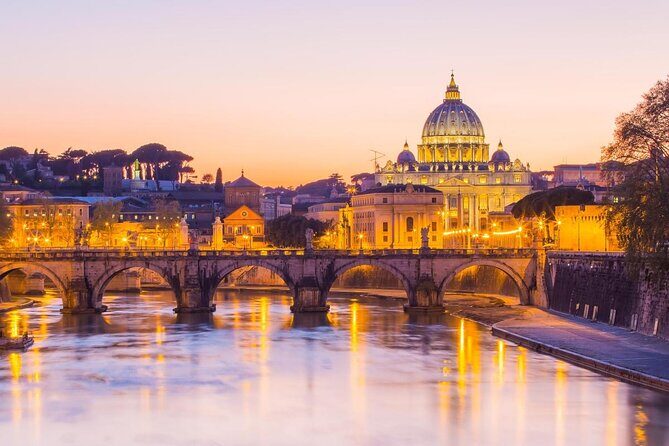
From the Vatican Museums, the plan moves to St. Peter’s Basilica (about 1 hour) and St. Peter’s Square (about 10 minutes). Even though these are described with free admission for some parts, the time allocation is where the benefit lives.
St. Peter’s is massive, and most people spend their first 15 minutes just orienting themselves. A guide helps you do that fast: where to look, what to prioritize, and how the space connects to the art you’ll see inside. Then St. Peter’s Square gives you the street-level payoff—the public face of the whole complex.
Castel Sant’Angelo: history with a view
Then you shift from inside art to a fortress-style stop: Castel Sant’Angelo (about 2 hours) with admission included.
This is a great reset after the Vatican’s indoor intensity. Castel Sant’Angelo sits like a visual checkpoint over the river area, and it adds a different kind of Rome storyline—power, defense, and the way the city protected itself and its leaders.
Two hours also helps. Without time pressure, you can actually walk, look around, and take in the purpose-built viewpoints instead of skimming.
Back inside St. Peter’s: La Pieta and the Baldacchino viewpoint
Day 2 loops back into St. Peter’s for La Pieta (about 10 minutes) and for a Baldacchino di San Pietro / Bernini view from inside the Basilica (about 10 minutes).
These are short stops, but short doesn’t mean unimportant. La Pieta is one of those pieces that’s far more powerful when you see it carefully, not from the edge of a crowd. The Baldacchino area is another moment where scale and design hit you all at once. A guide helps you locate what you came for and makes sure you’re not spending your precious minutes wandering.
The behind-the-scenes factors that can change your day
Rome has a habit of throwing curveballs. This tour specifically flags a few things you should plan for.
Jubilee restorations: some monuments may be under restoration. That doesn’t mean your day is ruined—it means your guide may need to adjust the way you view certain areas.
Ticket and name matching: for the Colosseum and Roman Forum, your ID name must match the booking name exactly. Bring the right document and double-check spelling.
Pantheon reservation limits: if Pantheon reservations aren’t possible on weekends or if lines are too long, the guide will explain from the outside rather than skipping the rest of the day. That’s a smart safety net.
Mobile ticket: you’ll use a mobile ticket, which helps keep paper from turning into a mess right before entry.
Price and value: what $1,101.88 per person is really buying
At $1,101.88 per person for a two-day private plan, this is not a budget option. The value case comes from three things working together:
1) Your time is protected. Skip-the-line access for major sites and a guided route that keeps you from losing hours to confusion saves real vacation time.
2) Admission is included where it counts. The experience includes the Colosseum entrance ticket (valued at €18) plus a Colosseum reservation fee (valued at €2). It also includes admissions for key Vatican Museum stops (like Stanze di Raffaello and the Sistine Chapel) and for Castel Sant’Angelo.
3) You’re paying for interpretation. Anyone can stand in front of stone and take pictures. You’re paying so someone can point out why each site matters and how it connects to the next.
One line in the fine print matters: the Colosseum fees listed are included, and the rest of the price covers other services. That means the guide time, skip-the-line planning, and overall private pacing are the real product.
If you’re the kind of traveler who loves details—art, architecture, and how power shaped the city—this cost starts to feel more reasonable. If you just want a quick highlights loop, you might feel the price hits harder than the sites do.
Practical tips so your two days don’t feel exhausting
A walking tour with steps and staircases means comfort planning isn’t optional. Here’s what I’d do before you even land:
- Wear shoes you can walk in for hours. The tour notes steps and staircases, and Rome is not always forgiving.
- Bring water. It’s strongly recommended, and you’ll appreciate it between stops.
- Tell them about mobility concerns. They ask you to advise in advance so they can best accommodate you.
- Plan for transit to the meeting and end points. Transportation to and from those points isn’t included, though the meeting area is near public transportation.
- Expect some days to run with restoration and schedule realities. Jubilee-related changes can affect monuments, and your guide will handle the adjustments.
If you’re traveling with a group of six or more, headsets should make communication easier. If you’re smaller, you’ll still hear the guide, but you’ll need to stay close in tighter spaces.
Should you book Private Rome in 2 Days?
Book it if you want Rome without the stress. This works especially well when you care about how to understand the sites, not just where to take photos. Two days is also the right length: long enough to get meaning from both ancient Rome and the Vatican, but short enough to avoid total burnout.
Skip it (or rethink it) if your priorities are ultra-flexible shopping time, lots of downtime, or you don’t enjoy walking. Also consider the cost: at this price, you’ll want to get full use from the guide’s time and the skip-the-line value.
If you’re taking this seriously—good shoes, ID ready, and a willingness to listen—this tour is a strong way to make Rome feel connected instead of chaotic.
FAQ
What’s included in the skip-the-line access?
The experience includes skip-the-line tickets to all the sites on the route, and it also lists admission ticket inclusion for specific stops such as the Roman Forum, Palatine Hill, Stanze di Raffaello, the Sistine Chapel, Castel Sant’Angelo, La Pieta, Cortile della Pigna, and the Baldacchino di San Pietro area.
Do I need to pay for entry tickets separately?
For some stops, admission tickets are included and for others the route lists the admission ticket as free. Food and beverages are not included, but the plan does include key site admissions and skip-the-line handling.
Is transportation to and from the meeting point included?
No. Transportation to and from the meeting and end points is not included. The meeting location is near public transportation.
What if Pantheon reservations are not possible?
If Pantheon reservations are not possible for weekends or if lines are too long, the guide will explain the key points from the outside so you can still complete the other stops.
Do I need my passport or ID for entry?
Yes. Each traveler must present a valid passport or ID document that matches the name provided at booking for successful entry to the Colosseum and Roman Forum.
Are audio headsets provided?
Audio headsets are provided free of charge for groups of six or more.