REVIEW · COOKING CLASSES
Private Cooking Class in Rome with Chef Andrea Consoli
Book on Viator →Operated by Cooking Classes in Rome · Bookable on Viator
Want Rome on your plate? This private cooking class puts you in a real Roman kitchen for a 4-course feast built around seasonal favorites and simple, teachable technique. You’ll prep, cook, and eat what you make, then slow down to enjoy it with a wine pairing flight.
I love the hands-on, only-your-group setup. It keeps the energy fun and focused, and you’re not stuck watching from the sidelines. I also like that the menu leans into ingredients like artichoke and zucchini blossoms, so it feels Roman rather than generic Italian.
One drawback to consider: it’s a set evening schedule starting at 5:00 pm and running about four hours, so plan the rest of your day around it. And yes, the wine flight is included, so keep that in mind if alcohol isn’t your thing.
In This Review
- Key things to know before you cook in Rome
- A private Roman cooking class that feels like your evening plan
- Meeting point, timing, and the flow of the evening
- What you’ll cook: a 4-course Roman menu you can actually repeat
- How Chef Andrea Consoli teaches, and how your group stays involved
- Wine pairing with four glasses of local favorites
- Ingredients, farm-to-table style, and why seasonal matters
- Practical value: what $181.48 gets you in real terms
- Who should book this cooking class (and who might think twice)
- Should you book Private Cooking Class in Rome with Chef Andrea Consoli?
- FAQ
- How long is the cooking class?
- Is the experience private?
- What time does it start in Rome?
- What courses are included in the meal?
- Is wine included?
- Can the class accommodate special diets?
- Where do you meet, and where does it end?
- What is the cancellation policy?
Key things to know before you cook in Rome
- Private hands-on format: your group does the prep and cooking together
- Seasonal ingredients: expect Roman staples like artichokes and zucchini blossoms
- 4-course Roman meal: appetizer, pasta, meat course, and dessert
- Wine pairing included: a flight of local favorites matched to what you eat
- Chef-led Q and A: you can ask questions and learn how Roman flavors fit together
- Works for many levels: suitable for all ages and cooking skill levels, with special diets handled in advance
A private Roman cooking class that feels like your evening plan
Rome has a way of making even a simple meal feel like an event. This experience leans into that idea, but with your hands on the food. You’re not just tasting. You’re cooking a full menu, then eating it like you earned it.
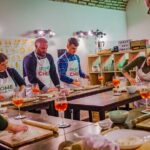
The big win is the privacy. Only your group participates, which matters more than it sounds. If you’re traveling with family, friends, or a mixed-skill group, you’ll get more attention and more chances to jump in. You’re also free to ask the chef questions without worrying about a classroom vibe or time limits.
I like that the class is built around the rhythm of a real Roman dinner: start with something fresh and seasonal, move into pasta, then follow with a meat course, and finish with dessert. That structure is great for learning. You start to see how flavors progress, not just how to follow one recipe.
You’ll also be in central Rome near public transportation, so you’re not forced into complicated logistics. You meet in the evening at Via dei Fienaroli 5 (00153 Roma RM). The activity ends back at the meeting point, which is handy when you’re trying to map out the rest of your night.
You can also read our reviews of more private tours in Rome



Meeting point, timing, and the flow of the evening
The class starts at 5:00 pm and lasts about 4 hours. That timing works well if you want an earlier dinner that’s not rushed, or if your sightseeing day already ran long. Rome evenings are great for a slow start, and this gives you a reason to sit down, cook, and eat without scrambling.
Your meeting location is Via dei Fienaroli, 5, 00153 Roma RM, Italy. It’s also described as near public transportation, which helps if you’re using buses or metro connections rather than walking from your hotel.
The evening flows like this: you arrive, meet the chef, get assigned tasks, and get cooking. After the kitchen work, you sit down together and enjoy the meal you made, paired with wine. Then you head back to the meeting point where the experience ends.
A practical note: because it’s a hands-on class, come ready to be slightly messy. Not in a messy-messy way, but expect flour on your fingers and sauce on your utensils. If you’re traveling with kids, this part tends to feel like a game. If you’re an adult who usually orders food quickly, you might need one minute to relax into the slower pace.
What you’ll cook: a 4-course Roman menu you can actually repeat
This is a real meal built from four distinct courses: starter, pasta course, meat course, and dessert. That matters because it gives you more than one dish to remember. You’ll leave with a fuller picture of Roman home cooking and a set of techniques you can reuse later.
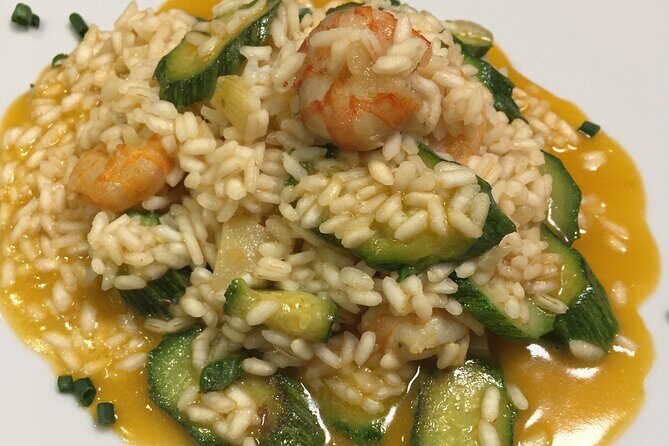
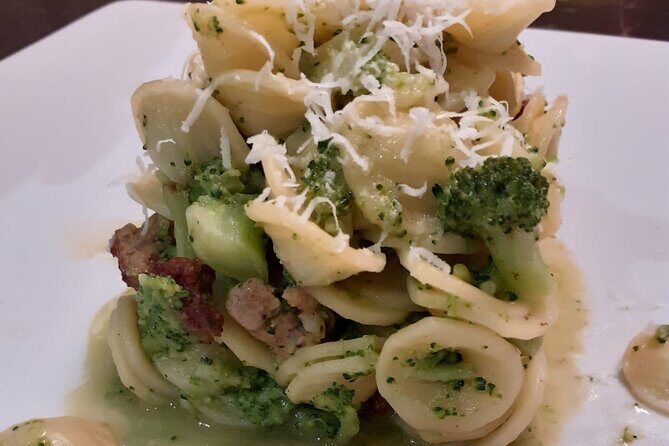
The menu is seasonal and designed around fresh ingredients. For example, you might make a starter that includes things like artichoke, bruschetta, or zucchini blossoms. Those choices are a great “Rome signal.” They reflect local vegetables and spring-to-summer flavors that you won’t always see in every Italian cookbook from abroad.
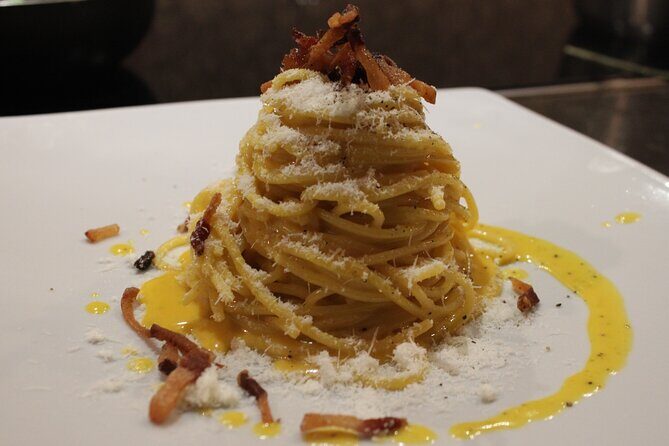
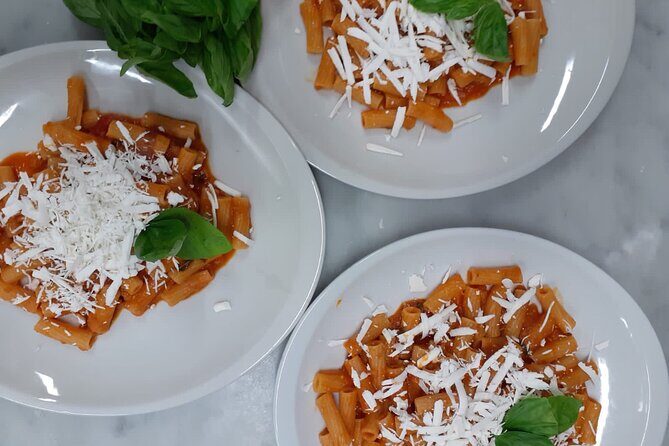
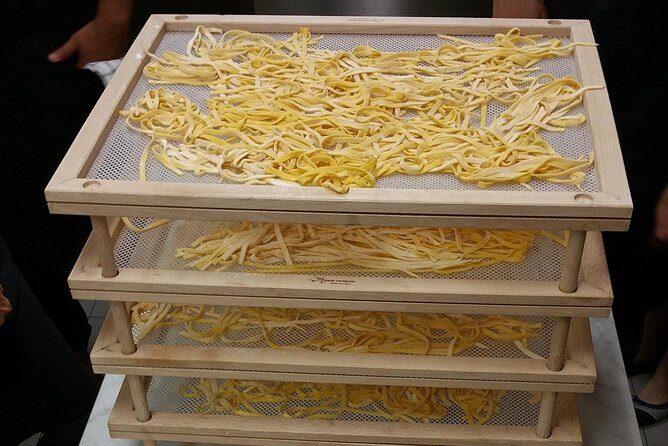
The next course is a pasta with sauce. Even without getting too fancy, pasta is where you learn the logic of the meal. How the sauce clings, how you balance salt and acidity, and how you time things so everything comes out together. Pasta in a class like this is more than food. It’s pacing.
Then comes the meat course. The exact dish can vary, but the structure stays the same: you go from pasta to something more substantial, then you transition to dessert. That arc helps if you’re learning for the first time. You don’t just learn one recipe. You learn how to build an evening meal.
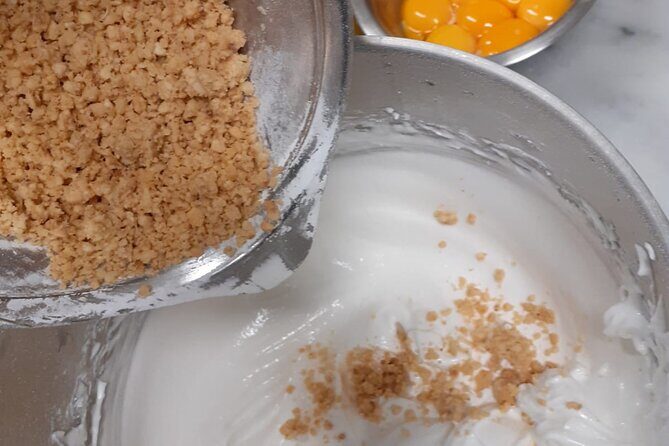
Finally, you finish with an Italian dessert. Dessert is often the most “wow” moment for people because it feels like a reward. And because you made it yourself, it’s easier to remember what worked.
They also emphasize taking Roman recipes home with you. Even if you don’t cook for a crowd every week, having the menu and method written down is the part that turns this from a one-night story into something you can recreate.
How Chef Andrea Consoli teaches, and how your group stays involved
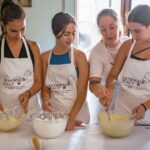
Chef Andrea Consoli is described as passionate about food, Rome, and Italy, and that energy shows in how the class works. It’s not just a scripted show where someone else does the heavy lifting. It’s taught in a hands-on way that keeps you busy.
One detail that stands out in how these classes tend to run: everyone typically has tasks. That’s especially important if you’re bringing kids or if your group is a mix of confident and new cooks. In a good session, you don’t get stuck with only one job. You rotate through steps as the cooking progresses.
It’s also private, which means you can ask questions as they come up. Want to understand why a certain ingredient works in Roman cooking? Ask. Wondering how to adjust something at home? Ask. You’re not rushed by a schedule packed with other groups.
Skill level is covered too. The experience is listed as suitable for all ages and skill levels. That doesn’t mean the chef will dumb things down. It means the chef teaches in a way that lets beginners participate successfully without feeling lost.
This is the kind of class that works well when you want learning with laughter. If your group enjoys conversation, you’ll likely leave with more than recipes. You’ll pick up little pieces of how Romans think about food and ingredients, the kind of practical knowledge you can use when you shop back home.
Wine pairing with four glasses of local favorites
Food in Rome often comes with wine. Here, you get a 4-glass wine flight designed to pair with your meal. That’s a major value add because wine pairing isn’t just a marketing extra. It helps you notice what the course is doing on your palate.
The class pairs the flight to what you’re eating across the menu. So you’re not stuck tasting wine in a vacuum. You eat something, then you sip something that’s meant to work with that flavor, and you start to build a sensory connection. Even if you’re not a wine expert, that’s learnable.
If you’re trying to keep the experience comfortable for everyone, keep alcohol in mind. You should already know that wine is part of the format. If you prefer non-alcoholic drinks, you might want to ask ahead of time whether substitutions are possible, since the provided info specifically says a wine flight is included.
Also, if you’re traveling with kids, this still tends to be a family-friendly style of activity (the setup is hands-on and task-based). Just be aware that wine is present as part of the meal pairing, so it’s best to plan your family evening accordingly.
You can also read our reviews of more cooking classes in Rome

Ingredients, farm-to-table style, and why seasonal matters
The class uses seasonal and fresh ingredients, and it’s described as farm-to-table. That sounds like a buzzword, but in this setting it’s practical. Seasonal ingredients are usually at their best flavor level, and that makes the cooking easier. When vegetables taste good on their own, you don’t have to rescue them with heavy seasoning.
You also get examples of what “seasonal” looks like in Roman cooking. Artichokes and zucchini blossoms are both ingredients that feel tied to specific seasons. In a class like this, you’re cooking with ingredients that match what’s likely available locally at the time of your visit. That’s one reason the experience feels tied to Rome rather than copy-paste Italy-from-a-menu.
What I like about this for travelers is that it changes the way you shop afterward. You might start noticing what’s in season at your local market back home, and you’ll understand why it matters for flavor and texture. That’s the kind of lesson that pays off beyond the evening.
You’ll also get a sense of how Roman favorites fit together: vegetables and herbs for the opening act, sauce and pasta as the anchor, then something more filling for the main, and a finish that rounds everything out. The meal composition teaches you more than a single dish.
Practical value: what $181.48 gets you in real terms
At $181.48 per person, this isn’t a cheap activity. But it’s also not a ticket to a tasting counter. You’re paying for a private, chef-led, hands-on class that results in a full meal and includes a wine flight.
Here’s how I’d judge value:
- You’re getting four cooked courses, not samples.
- You’re getting instruction plus time in the kitchen.
- You’re getting paired wine included in the experience format.
- You’re getting a private setup, so your group isn’t squeezed into a larger class rhythm.
If you’ve ever booked “food experiences” that mostly involve standing around, you’ll probably feel the difference here. This one gives you actual kitchen participation. That’s where the cost starts to make sense because you walk away with both knowledge and food (and you don’t need to plan a second dinner after).
It’s also a smart buy for groups where you’d otherwise spend money on separate meals and separate tours. One good evening can cover the food learning plus the dinner plan in a single block.
Who should book this cooking class (and who might think twice)
This class fits best if you want a break from sightseeing that still feels culturally specific. You’ll learn Roman recipes, work with seasonal ingredients, and spend time with Chef Andrea Consoli in a format that’s built for discussion.
It’s also great for families. The experience is listed as suitable for all ages and all cooking skill levels. The hands-on tasks and group participation make it easier for kids to stay engaged without turning into a lecture.
If you’re traveling with a mixed group, this is a solid choice because not everyone has to be a confident cook. The chef-led approach supports beginners while still giving experienced cooks something to think about.
One group who might think twice: people who hate cooking. If your idea of a vacation is staying hands-off, this will feel like work. Also, if you strongly avoid alcohol, the included wine flight is part of the structure, so you’d need to confirm options ahead of time.
Should you book Private Cooking Class in Rome with Chef Andrea Consoli?
If you want a hands-on, food-forward evening that’s private, teachable, and built around Roman favorites, I’d book it. The strongest reasons are simple: you cook a full 4-course meal, you learn while doing, and you get a wine pairing flight that ties the courses together.
It’s also a great way to get something you can repeat. Eating in Rome is fun, but recipes you can use later are more useful. And when the chef is actively conversational and your group stays involved, the class doesn’t feel like an obligation. It feels like a genuine Roman dinner night.
If you’re free at 5:00 pm, hungry, and you’d enjoy learning a few kitchen skills you can bring home, this is a high-likelihood win.
FAQ
How long is the cooking class?
It runs for about 4 hours.
Is the experience private?
Yes. It’s a private activity where only your group participates.
What time does it start in Rome?
The start time is 5:00 pm.
What courses are included in the meal?
You’ll cook and eat a 4-course feast: a starter, a pasta course, a meat course, and dessert.
Is wine included?
Yes. You’ll enjoy a 4-glass wine flight paired with the meal.
Can the class accommodate special diets?
Yes, special diets can be accommodated with advance notice.
Where do you meet, and where does it end?
You meet at Via dei Fienaroli, 5, 00153 Roma RM, Italy. The experience ends back at the meeting point.
What is the cancellation policy?
Free cancellation is available up to 24 hours in advance for a full refund.