REVIEW · COLOSSEUM TOURS
Private Colosseum, Roman Forum, and Palatine Hill Guided Tour
Book on Viator →Operated by City Wonders Ltd · Bookable on Viator
Ancient Rome hits harder with a guide. This private tour works because it pairs reserved entry with an art history–style explanation that turns stone and arches into stories you can actually picture. I especially love the way your guide slows the sites down so you notice details, not just big views. One thing to plan for: you still need to deal with security checks and you will walk a fair bit on uneven ground.
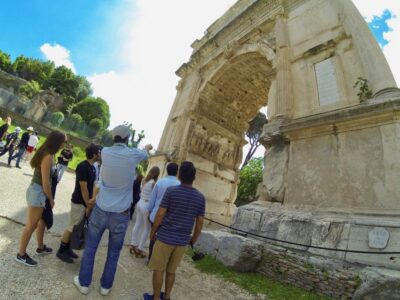
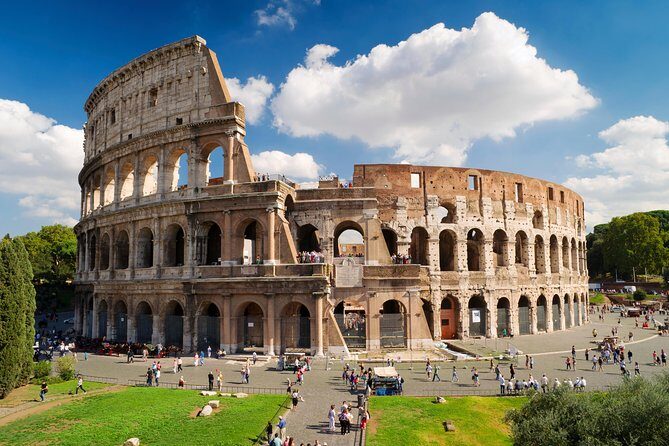
You start on the Colosseum side for fast orientation, then move into the arena space for the brutal, dramatic context it deserves. Next comes Palatine Hill’s high viewpoints (including the Arch of Constantine on the way), and you finish on the Via Sacra inside the Roman Forum so it feels like a single continuous walk through ancient power.
If you want a visit that feels tailored, this is a strong match. This is truly private, so you’re not stuck with a one-size-fits-all script, and you can steer the conversation toward architecture, art, or cultural history. Just remember it’s about 3 hours, so it’s best when you’re ready for a steady pace.
In This Review
- Key highlights worth caring about
- Starting at Colle Oppio: the quickest way to orient yourself
- Entering the Colosseum: arena time plus real context
- A fair warning about timing inside
- The Arch of Constantine to Palatine Hill: views that explain the power layout
- Roman Forum on Via Sacra: the ceremonial spine of Rome
- How private access actually helps (even with security lines)
- Walking reality: what to expect in 3 hours
- Price and value: when $636 per group makes sense
- Who should book this tour
- Should you book this private Colosseum, Roman Forum, and Palatine Hill tour?
- FAQ
- How long is the private tour?
- Is this tour private?
- Are tickets included?
- What’s the ticket format?
- Where do we meet and where does the tour end?
- Do I need ID to enter?
- Can the itinerary order change?
- Is a moderate fitness level required?
- Will there be any waiting or delays?
- Can the guide tailor the tour?
Key highlights worth caring about
- Private group focus for better pacing, questions, and photo stops
- Art history lens that connects design and symbolism to how Romans lived
- Reserved access to the Colosseum area plus timed entry handling
- Colle Oppio start point for a first view that helps everything make sense
- Palatine Hill viewpoints over the Forum and Circus Maximus area
- Via Sacra finish so you leave with the Forum’s main ceremonial route in your head
Starting at Colle Oppio: the quickest way to orient yourself
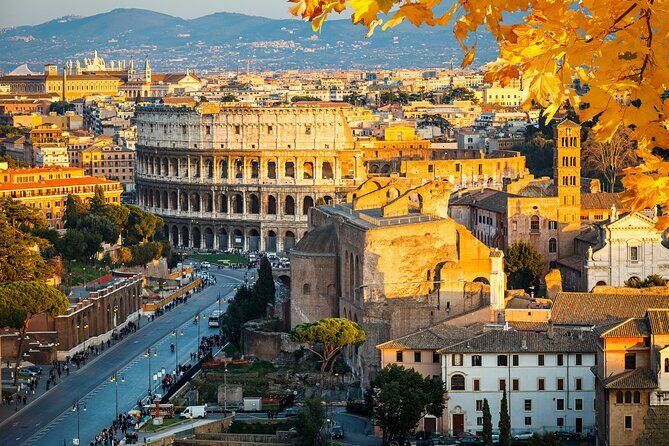
The meeting point is in the Colosseum zone, and the first big win is where the walk begins: Colle Oppio. From here you can actually see the relationship between the Roman Forum and the Colosseum. That single sight line makes the rest of the day easier, because you’re not guessing what you’re looking at.
Then the guide leads you downhill to the Colosseum entrance. This sequence matters. When you arrive with the skyline and sight lines already in your mind, the sites don’t feel random.
You’ll also get that early chance to pause for photos without feeling like you’re competing with a crowd that just appeared from nowhere. It’s a small thing, but it changes the vibe.
You can also read our reviews of more guided tours in Rome



Entering the Colosseum: arena time plus real context
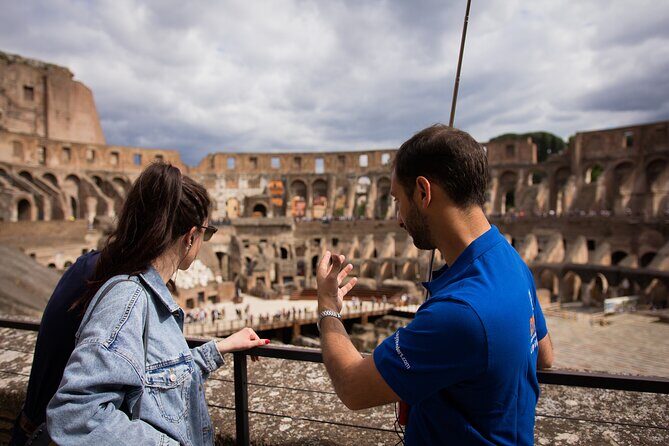
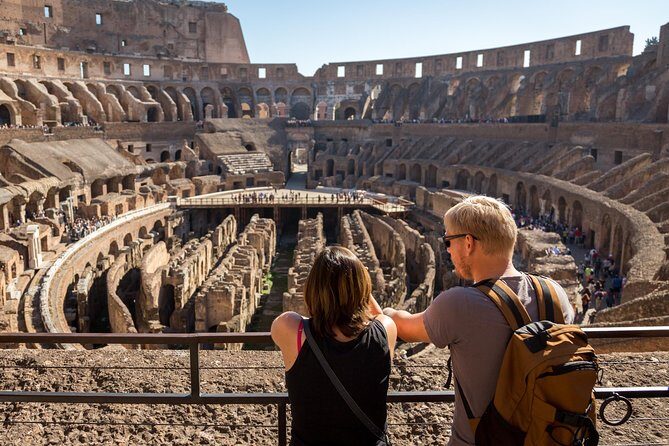
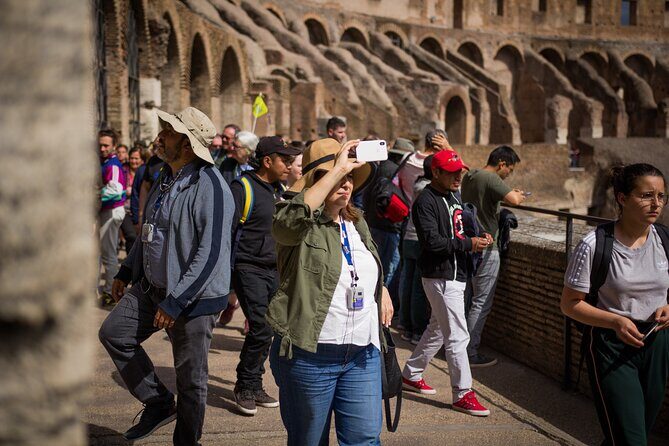
Inside the Colosseum, the tour centers on walking the amphitheater space with a guide who connects the building to what happened there. The focus isn’t just dates. It’s the way the arena functioned and why the spectacle mattered.
You’ll hear the brutal history tied directly to the architecture and layout. That’s the key difference between reading a sign and understanding why Romans built and used the space the way they did. Even if you already know the headlines, the art-historical framing helps you see how design carried meaning.
Some groups even mention getting access to areas beyond the usual public route, including the underground portion of the Colosseum. Since access can depend on what’s available on the day, don’t assume it’s guaranteed—but if your ticket coverage includes it, that added perspective can be an extra jolt of awe.
Practical note: expect some waiting at security. The tour has reserved access, but the overall venue flow can still produce delays in the security process. I’d plan your day so you’re not rushing to dinner right after.
A fair warning about timing inside
You may feel the Colosseum portion is the highlight, and it is. But the tour is only about 3 hours total, so there’s a balancing act between how long you spend at the arena versus how much time you get with the Forum and Palatine views. If you love the Colosseum more than anything else, you’ll want your guide to spend that time smartly in the sections that match your interests.
The Arch of Constantine to Palatine Hill: views that explain the power layout
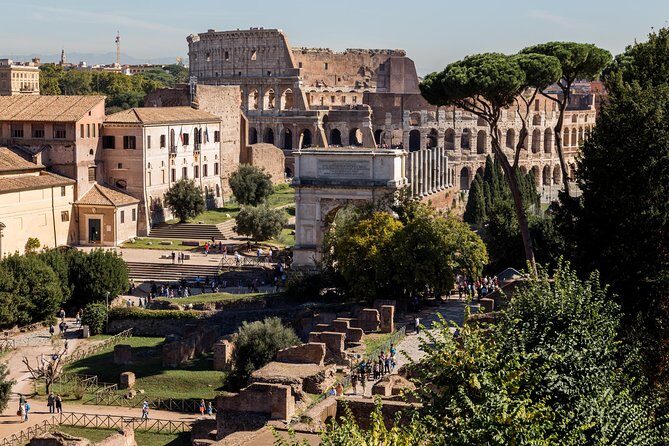
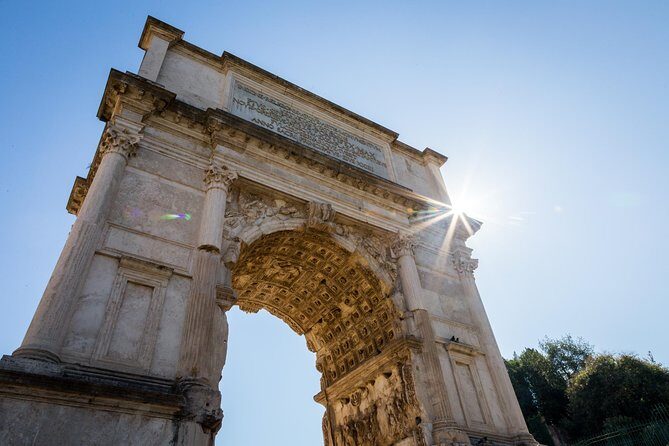
After the Colosseum, you walk over toward Palatine Hill with a stop at the Arch of Constantine. This is one of those moments where you see a triumph monument as a living bridge between eras. It’s not just a photo stop. The guide can connect what the arch represents to how Romans used monuments to project authority.
Then you head up Palatine Hill, one of the Seven Hills of Rome. Climbing is part of the deal. You’re on foot, and you’ll be gaining elevation, so moderate fitness helps.
From the top, the views are the payoff. You’ll look back over the Roman Forum and also toward the Circus Maximus area. That’s important because Palatine Hill wasn’t just about scenery—it was about being positioned above the city’s political and ceremonial center. Once you see the geometry, the stories make more sense.
This is also where a specialized guide earns their keep. If you’re into architecture and urban planning, you’ll get help noticing how the terrain shaped Roman life and movement.
Roman Forum on Via Sacra: the ceremonial spine of Rome
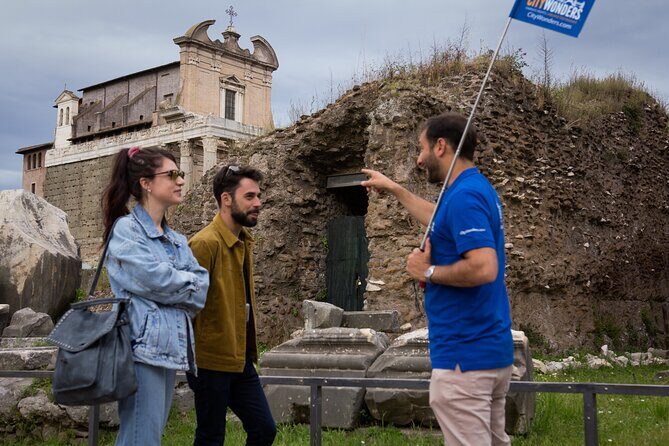
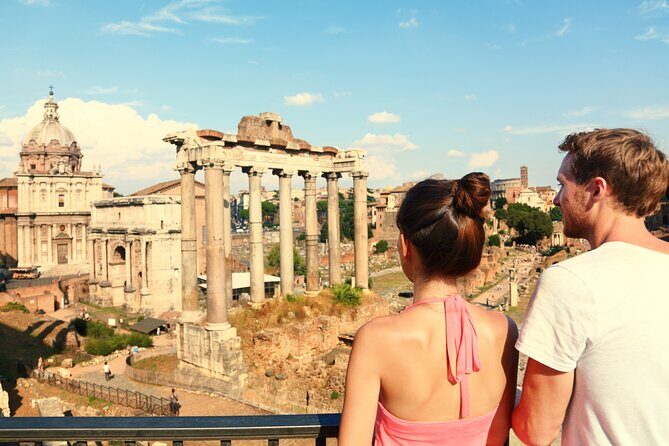
Your last stretch is the Roman Forum, walking along Via Sacra, the Sacred Way. This road is described as the main route connecting the Colosseum area to Capitoline Hill, and it’s where Roman triumph ceremonies once played out. That connection matters because it turns the Forum from a pile of ruins into a timeline you can walk.
Strolling Via Sacra with commentary gives you a mental map. You start to recognize why certain sites feel central to everything else. Without that kind of on-the-ground framing, it’s easy to treat the Forum like a museum with random exhibits.
The tour ends in this area, so you’re not dropped back at the start. Instead, you finish closer to more exploring. If you have extra time, you’ll likely be able to continue in a more confident direction because you’ve just walked the Forum’s main artery.
You can also read our reviews of more private tours in Rome


How private access actually helps (even with security lines)
Private access isn’t magic, but it does change the experience. You’re not trying to keep up with a large group, and you’re not stuck waiting while a guide herds people through the same handful of stops.
Because this is your group only, your guide can adjust pacing. People often love this part because it reduces the pressure of rushing for photos or missing the explanation. It also makes it easier to ask questions and get answers that match what you care about.
One honest consideration: even with reserved entry, security checks can still cause delays. So while you’ll generally avoid the worst of the chaos, you shouldn’t assume a frictionless pass through the gate.
Also note that last-minute closures can happen at some venues. If that occurs, the tour can offer an extended visit to keep you within the advertised total time. It’s not something you can control, but it’s a good sign that there’s a plan B.
Walking reality: what to expect in 3 hours
This tour is about 3 hours, with distinct segments that keep it moving. That means the walking is the main physical demand, not complicated steps in the middle of nowhere. Still, you’ll cover uneven surfaces and you’ll climb on Palatine Hill.
A moderate fitness level is the right expectation. If you know you tire quickly on hills, it’s worth pacing yourself early, especially on the Palatine climb.
Wear shoes you’d be happy to walk miles in. Rome’s ruins are famously unforgiving to flimsy soles. Also, consider a light layer. Even in good weather, the temperature can shift between the valley area of the Forum and the higher points on Palatine Hill.
Bring water. Not optional on a day like this.
And if you care about photos, this is the kind of tour where you should speak up. A good guide can stop when there’s a clear view, not just when the group is ready.
Price and value: when $636 per group makes sense
The price is $636.06 per group, up to 2 people. That sounds steep until you translate it into what you’re actually buying: a reserved, timed experience with a private guide and guided time in multiple major sites.
If you’re traveling with just one other person, the value can be easier to justify. You’re paying for guide attention and reduced friction, not splitting a crowd tour with strangers. That can be especially worth it when you care about art and architecture rather than just passing through.
Also, admission is included for the Colosseum and the other stops on the route, plus the reservation fee for the Colosseum. The remaining cost covers the guide service and coordination, which is where the private experience earns its keep.
So my rule of thumb: if you’re the type who loves learning why buildings look the way they do, and you want time to ask questions, this can feel worth it. If you just want a quick photo loop, you’d probably get less satisfaction.
Who should book this tour
This private format is a great fit for:
- Couples or friends who want a calmer pace than standard group tours
- People who like art-history framing, symbolism, and architecture explanations
- Visitors who want a single guided route that covers the Colosseum, Forum, and Palatine Hill in one go
It’s less perfect if you’re trying to see everything with almost no walking. Palatine Hill requires effort, and the tour is designed as a continuous walking experience.
If you’ve never visited Rome’s ancient core, this is a smart first pass. If you have been before, the private guide can help you return with a clearer understanding of connections, especially Via Sacra and the way the Forum links to the Colosseum.
Should you book this private Colosseum, Roman Forum, and Palatine Hill tour?
I’d book it if you want your day to feel guided by design and meaning, not just ticket lines and map apps. The biggest strength is the blend of private pacing plus commentary that connects the Colosseum, the Forum’s ceremonial route, and the viewpoints from Palatine Hill into one coherent story.
Skip it only if your main goal is speed and photos with minimal time spent listening. In that case, you might prefer a lighter, self-guided approach.
FAQ
How long is the private tour?
The tour is approximately 3 hours.
Is this tour private?
Yes. It’s a private tour/activity, and only your group participates.
Are tickets included?
Yes. Admission tickets are included for the Colosseum, Palatine Hill, and the Roman Forum segments of the route.
What’s the ticket format?
You’ll receive a mobile ticket.
Where do we meet and where does the tour end?
The start is at Largo Gaetana Agnesi. The tour ends at Palatine Hill, Parco archeologico del Colosseo, Via di S. Gregorio, 30, 00186 Roma RM, Italy.
Do I need ID to enter?
Yes. You must present a valid government issued ID or passport at the Colosseum that matches the reservation name. Name changes are not permitted once confirmed.
Can the itinerary order change?
Yes. The itinerary order may differ from the advertised order, and changes are planned to enhance your experience.
Is a moderate fitness level required?
Yes. The tour notes that travelers should have a moderate physical fitness level.
Will there be any waiting or delays?
You may experience delays in clearing security checks when entering the venue.
Can the guide tailor the tour?
Yes. The guide can tailor commentary to your interests. You should list any special interests such as architecture, art, or culture when booking.