REVIEW · 3-HOUR EXPERIENCES
Private 3-Hour Tour of Rome
Book on Viator →Operated by Rutasenroma · Bookable on Viator
Rome moves fast. This tour helps you keep up.
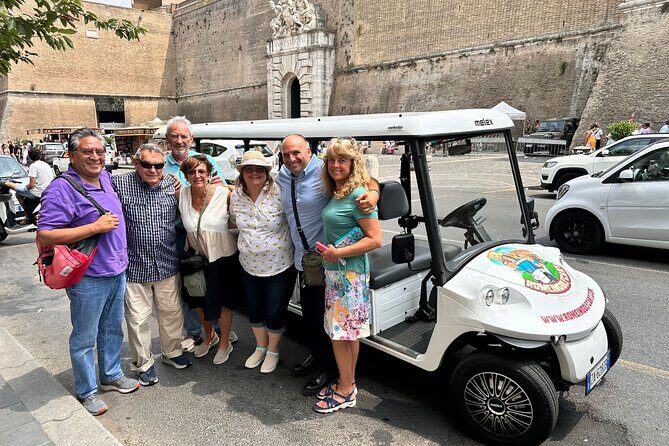
I like how private and time-smart the format is: you get a guided loop of Rome’s key sights in about 3 hours, without the stress of figuring out what’s worth your attention first. A big reason it works is the guide, often Katty (Katherine), who stays punctual, friendly, and great at explaining art and history in a way kids actually follow.
One watch-out: the stops are short (around 20 minutes each), so you’ll get great highlights and photos, but you won’t have time to linger like you would on a longer, museum-heavy day.
Key Points to Know Before You Go
- Piazza di Spagna to Castel Sant’Angelo in one smooth, guided run of Rome highlights
- Quick 20-minute stops that maximize your time without feeling chaotic
- Pantheon interior included, so you see one of the oldest monuments from the inside
- Free admission ticket stops built into the experience
- Katty (Katherine) style of guiding: organized, warm, and especially good with families
- Ends at Castel Sant’Angelo instead of backtracking, which helps you keep your day moving
In This Review
- A Private 3-Hour Rome Loop That Gets You Oriented Fast
- Meeting at Piazza di Spagna (And Why That’s Smart)
- Piazza di Spagna: Spanish Steps Meets the Backstory
- Trevi Fountain Stop: Coin Toss Time With Context
- Palazzo Chigi and Piazza della Colonna: The Marcus Aurelius Thread
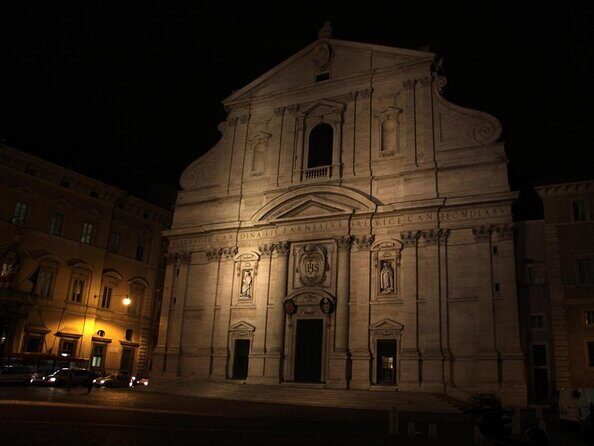
- Chiesa di Sant’Ignazio di Loyola: Ceilings That Pull Your Eyes Up
- Pantheon Inside: One Old Monument, But a Real Interior Visit
- Piazza Navona and the Four Rivers Fountain Story
- Castel Sant’Angelo: Mausoleum to Fortress, and the Tiber Connection
- Why the Pacing Works for Families and First-Time Rome Days
- Price and Value: $404.75 per Group (Up to 15)
- What’s Included (and What You’ll Want to Plan Around)
- Should You Book This Rome Private 3-Hour Tour?
- FAQ
- How long is the Private 3-Hour Tour of Rome?
- Is this tour private?
- Where does the tour start and end?
- Do I need to bring a ticket?
- Are admission tickets included?
- Is it family-friendly?
- What’s the main weather requirement?
- Is there a cancellation window?
A Private 3-Hour Rome Loop That Gets You Oriented Fast
Rome is big, layered, and sometimes overwhelming. This tour is built for the first hours of your trip, when you most need bearings and context. The route is designed to connect major landmarks in a logical flow, so you’re not just hopping randomly between famous places.
You’ll start at Piazza di Spagna and finish at Castel Sant’Angelo, with a guide walking you through the story behind what you’re seeing. It’s private, meaning only your group participates, which usually makes a big difference in pace and comfort, especially with kids or mixed-age families.
The other thing I appreciate is how the tour is structured around short visits. Each stop gives you enough time to take photos and hear the key points, without turning the day into a marathon. If you’re the type who likes to see a lot early and then choose where to return later, this is a strong match.
Meeting at Piazza di Spagna (And Why That’s Smart)
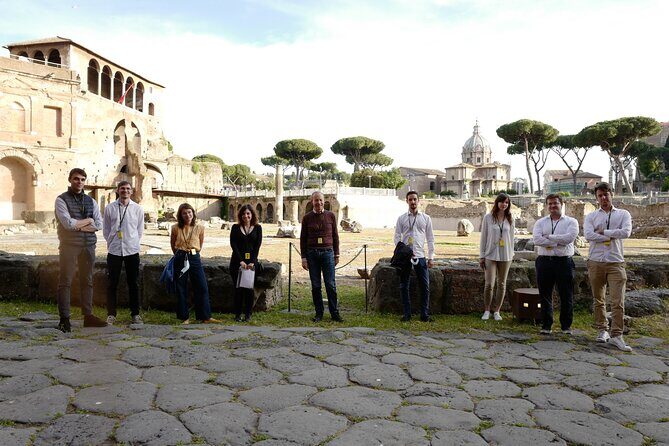
You meet at Piazza di Spagna 12, 00187 Rome. Starting here is a good move because it’s one of the city’s most recognized gathering points, and it puts you right at the start of the classic Rome sightseeing arc.
From there, your guide sets you up with what to look for and what the surrounding area means. You’ll also learn about the square’s surroundings, including via dei Condotti and the Spanish embassy. That turns what could be just a photo spot into a meaningful first chapter of the walk.
Also, the tour is near public transportation, so it’s easier to slot into your day. You’re not stuck hunting for a hard-to-reach pickup point.
You can also read our reviews of more private tours in Rome



Piazza di Spagna: Spanish Steps Meets the Backstory
Your first stop is Piazza di Spagna, with about 20 minutes here. The main value is that you’re not just standing at the Spanish Steps and wondering what you’re looking at. You get the history of the square and the surrounding context, including the role of via dei Condotti and the Spanish embassy area.
Why this matters: in Rome, landmarks are surrounded by streets and buildings that have their own identity. Understanding that quickly helps everything you see afterward feel less random. Even if you don’t memorize dates, you’ll remember the connections.
Photo-wise, this is a great moment to reset. You’ve just arrived, you’re walking with a guide, and you have time to orient yourself before the day becomes a run of famous sights.
Trevi Fountain Stop: Coin Toss Time With Context
Next comes Fontana di Trevi. You get another 20 minutes, which is exactly the right length for a place like this: enough time for photos and for the classic coin toss moment, without dragging it into an hour-long wait.
What makes this stop better than a self-guided detour is the way the guide frames what you’re seeing. You’re not left to guess what’s important. Instead, you’re given the story so your photos don’t feel like random snapshots.
Practical tip: wear comfortable shoes and keep your camera ready. This is one of those Rome moments where the crowd flow can be part of the experience, and quick access is easier with a guide moving with you.
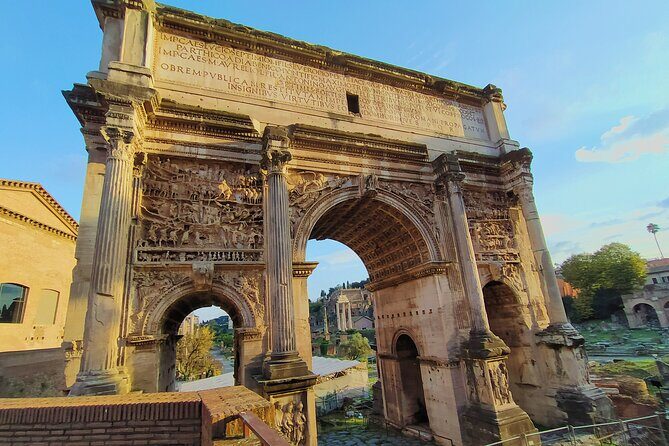
Palazzo Chigi and Piazza della Colonna: The Marcus Aurelius Thread
This is where the tour starts to feel more like a guided lecture you can walk through. You’ll stop at Palazzo Chigi and spend about 20 minutes exploring the Piazza della Colonna area.
You’ll discover:
- the history of the column of Emperor Marcus Aurelius
- the Chigi Palace
- a nearby temple dedicated to Adrian (listed as Hadrian’s Temple in the tour overview)
The reason I like this stop is that it’s not just about one famous monument. It’s about how one landmark points you toward others, and how Rome’s power history shows up in stone. If you’ve ever felt Rome is a wall of buildings with no way to tell what’s connected, this kind of stop helps you build a mental map.
It’s also a good breather moment between major photo stops. You’re still seeing famous things, but you’re also learning how to read the area.
Chiesa di Sant’Ignazio di Loyola: Ceilings That Pull Your Eyes Up
Then you head to Chiesa di Sant’Ignazio di Loyola, again for about 20 minutes. This church is dedicated to Ignacio de Loyola, and the highlight is specifically the ceilings, called out as unmissable.
Even without getting lost in details, the ceiling focus is useful. It tells you exactly where to look so you don’t spend your time scanning the wrong direction. A guide helps here, because churches can be visually overwhelming if you don’t have a target.
Potential drawback: if you’re not into churches or if you hate entering spaces with rules and slower movement, this is the one stop where your attention could split. Still, the ceiling emphasis makes it easier to get something meaningful out of the visit without needing a long stay.
You can also read our reviews of more tours and experiences in Rome



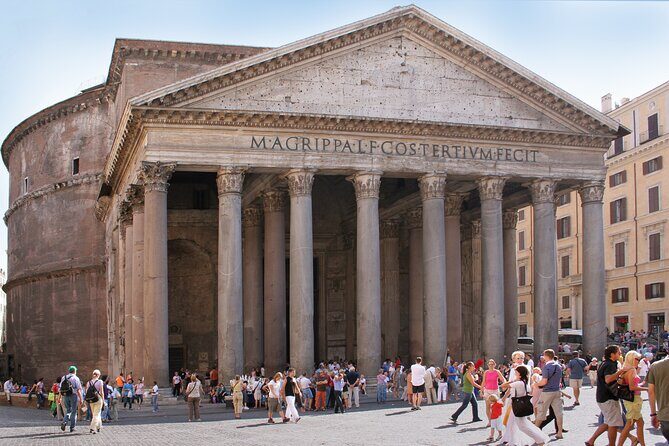
Pantheon Inside: One Old Monument, But a Real Interior Visit
Your next major stop is the Pantheon, with an internal visit included. You’ll spend about 20 minutes here, and the key promise is clear: you get inside one of the oldest monuments in Rome.
I like that this tour doesn’t treat the Pantheon like a quick exterior stop. An interior visit changes how you understand the place, even if your time is short. A good guide keeps you from wandering in circles and points your attention to what matters most in the experience.
One consideration: the Pantheon is popular, so build in patience. With a guide, you’ll be in a better rhythm, but you may still feel the Rome crowd energy. This is another reason the stop length works. You’re not stuck forever, and you get a guided introduction that’s easy to follow.
Piazza Navona and the Four Rivers Fountain Story
Then you reach Piazza Navona, about 20 minutes here. The main focus is the history of the fountain dedicated to the 4 rivers.
Why this stop is valuable: Piazza Navona is one of those squares that feels like it’s always been part of the city’s social life. Without context, it can turn into just “pretty fountains in a crowded square.” With the story, it becomes easier to recognize the symbolism and understand why the fountain is so specific.
This is also a good place for a mental reset. After interior space and big-monument stops, you get a lively open-air moment. If you’re traveling as a family, this is also a stop where kids can enjoy the scene while still hearing real history.
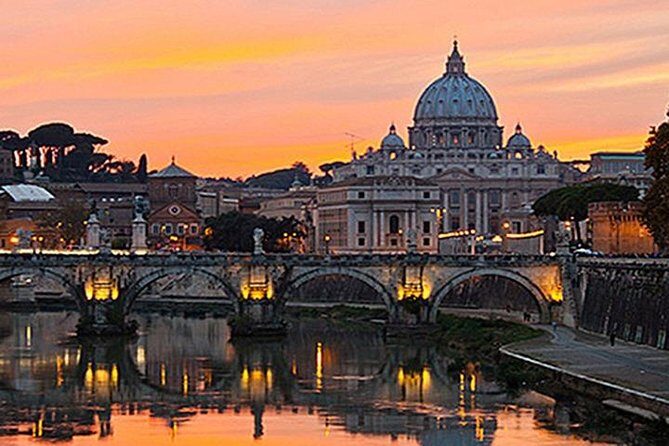
Castel Sant’Angelo: Mausoleum to Fortress, and the Tiber Connection
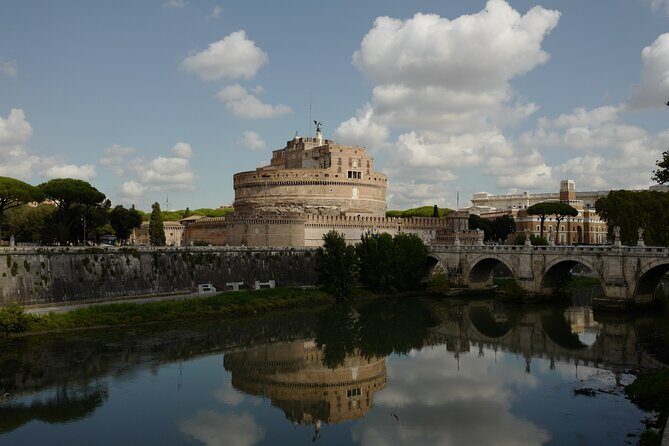
Your last stop is Castel Sant’Angelo, where you’ll spend about 20 minutes. The guided focus ties together:
- the history of the Tiber river
- the transformation of Emperor Adrian’s Mausoleum into Castel Sant’Angelo
This combination matters because it links geography (the Tiber) with the site’s identity shift over time. You end the tour here, which is convenient because Castel Sant’Angelo is a strong anchor for continuing your day. You’re not forced to go back the way you came.
Also, this ending choice helps with energy levels. Rome days can wear you down. Finishing at a major landmark is easier than finishing at a random corner after a long walk.
Why the Pacing Works for Families and First-Time Rome Days
This tour is designed to fit all ages and is described as perfect for families. In real terms, that usually means the guide keeps things organized and explains in a way that doesn’t lose younger kids.
The best part of the guiding style, based on past experiences with Katty (Katherine), is that it stays both professional and approachable. That matters because kids don’t need a history lesson dumped on them. They do need a story told at their level, with clear targets and enough movement to hold attention.
The pacing also supports you as an adult. You get highlight after highlight with enough time to enjoy the moment but not so much that you feel exhausted. It’s a strong “first day” option, especially if you plan to return to a couple of these places later on your own.
Price and Value: $404.75 per Group (Up to 15)
The tour costs $404.75 per group, up to 15 people, for about 3 hours. That sounds like a lot until you break it down by group size.
Here’s the quick math:
- If you’re 2 people: it’s roughly $202 each.
- If you’re 4 people: roughly $101 each.
- If you’re 6 people: roughly $67 each.
So the value really depends on how many people you’re traveling with. If you’re a couple, it’s a pricier way to do a guided overview, but you’re paying for privacy and a tight route. If you’re a small group of friends or a family of four-plus, it can feel like a very efficient use of paid time.
Also, each stop is marked admission ticket free, including the interior visit to the Pantheon. That’s not just a cost saver. It also reduces friction. You spend your time sightseeing, not figuring out what’s included or what tickets you still need.
What’s Included (and What You’ll Want to Plan Around)
Included is guided visit. Your ticket is mobile, which is convenient because you’re not juggling paper.
Tips aren’t included, so budget a bit for that if you want to be fair to the guide who keeps everything organized. If you like to tip based on service, this tour gives you a clear service outcome: a short, structured guided walk that hits major landmarks and includes a Pantheon interior visit.
You should also plan for a good-walking day. The tour covers several central spots in a compact time frame, and Rome cobblestones and foot traffic can add up. Comfortable shoes aren’t optional.
Should You Book This Rome Private 3-Hour Tour?
Book it if you want a smart introduction to Rome’s biggest highlights without wasting your first day figuring out logistics. It’s especially worth it if you value a private format, like traveling with kids, or you’re the type who loves getting a route story so you can return to favorite places later.
I’d skip it or pair it with something longer if you know you need deep museum time or you tend to move slowly. The short stops are a feature, but they’re also a limit: you’ll get the essential experience, not an all-day wandering session.
If your goal is get your bearings fast and enjoy a guided run of Spanish Steps, Trevi Fountain, major historic stops around Piazza della Colonna, the church with unforgettable ceilings, the Pantheon interior, Piazza Navona’s 4 rivers story, and then end at Castel Sant’Angelo, this tour is a solid way to do it in one shot.
FAQ
How long is the Private 3-Hour Tour of Rome?
The tour lasts about 3 hours.
Is this tour private?
Yes. It’s private, and only your group will participate.
Where does the tour start and end?
It starts at Piazza di Spagna, 12, 00187 Roma RM, Italy, and ends at Castel Sant’Angelo, Lungotevere Castello, 50, 00193 Roma RM, Italy.
Do I need to bring a ticket?
No. You’ll receive a mobile ticket.
Are admission tickets included?
The stops listed for the tour show admission as ticket free, and the Pantheon stop includes an internal visit.
Is it family-friendly?
The tour is described as suitable for all ages and perfect for families.
What’s the main weather requirement?
The experience requires good weather. If it’s canceled due to poor weather, you’ll be offered a different date or a full refund.
Is there a cancellation window?
Free cancellation is available up to 24 hours in advance for a full refund.