REVIEW · POMPEII
Pompeii Archaeological Area Entrance Ticket
Book on Viator →Operated by Weekend in Italy · Bookable on Viator
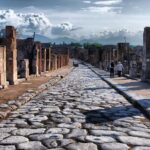
Pompeii is big enough to need a plan. This entrance ticket gets you guaranteed skip-the-line access and lets you wander the UNESCO ruins on your own schedule, from the streets to the famous public buildings and homes preserved under ash from Mt. Vesuvius in 79 AD.
I like two things a lot here: you choose your route after entry (no pace-setting tour leader), and you get practical onsite help like a free map plus an inside route layout so you can aim your time. The main drawback is small but real: some days you might still spend time at the kiosk/exchange process, so don’t assume this will be completely frictionless when you arrive.
In This Review
- What makes this ticket worth your time
- Key highlights to aim for
- Pompeii entrance ticket: what you’re really getting
- Arriving and entering through the right gate areas
- Where you can focus first (three classic “anchors”)
- A practical Pompeii route: Porta Marina highlights
- Piazza Esedra: Pompeii’s public life and everyday businesses
- Piazza Anfiteatro and the amphitheater zone
- Don’t miss the signature Pompeii icons (and how to fit them)
- The victims’ casts: plan for an emotional pause
- Pompeii rules that actually help you enjoy the day
- Time and pacing: the 2–3 hours guideline vs reality
- Price and value: is $54.44 a good deal?
- What kind of traveler should buy this ticket
- Practical details you should know before you go
- Should you book this Pompeii entrance ticket?
- FAQ
- How do I enter Pompeii with this ticket?
- Is a guided tour included?
- How long should I plan to spend at Pompeii?
- What entrance times are available?
- Can I take photos or film in Pompeii?
- Can this ticket be changed or refunded?
What makes this ticket worth your time
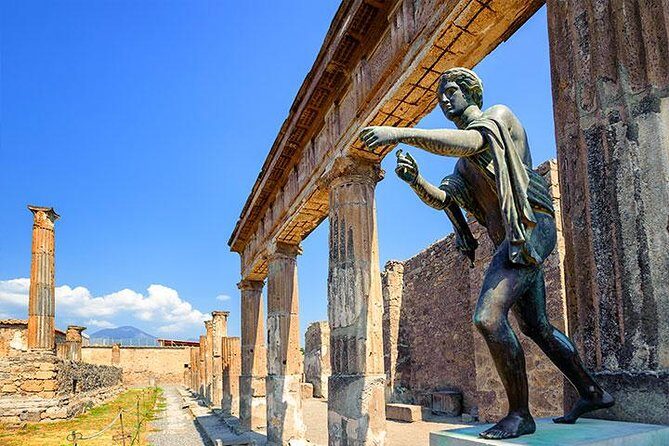
You’re paying for access, but what you’re really buying is flexibility inside a site that covers 66 hectares (163 acres). In a few hours you can hit headline spots like the Forum, the Theatre, and the Lupanare (the two-story brothel with erotic frescoes still on the walls), then keep going at your own pace—until you exit the park at the end of your visit.
Key highlights to aim for
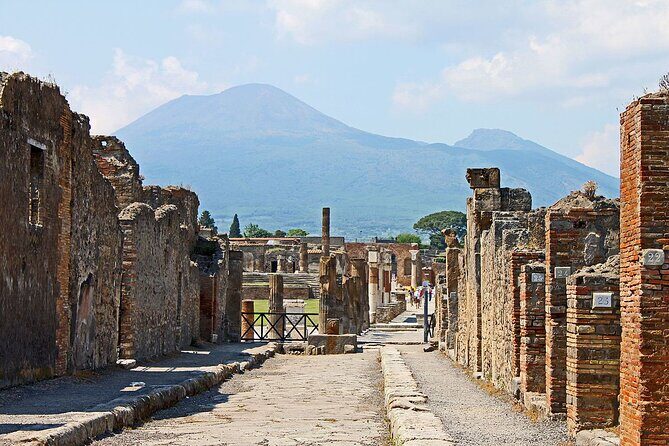
- Timed entry throughout the day so you can pick a slot that fits your energy and heat tolerance
- Skip-the-line access with the goal of avoiding the slowest part of the arrival process
- Route map inside the entrance to help you pick a smart loop instead of zigzagging
- Iconic stops you can’t miss: Forum, Theatre, and Lupanare
- Built-in flexibility to focus on houses, streets, shops, temples, or the amphitheater area
- Useful onsite practicalities like wardrobe for bulky bags and photography rules for private use
You can also read our reviews of more tours and experiences in Pompeii


Pompeii entrance ticket: what you’re really getting
This isn’t a guided tour. It’s an admission ticket that sets you up to enter and then explore independently, at your own pace, for about 2 to 3 hours. That timing is a guideline, not a finish line. Pompeii’s scale is the catch: the ruins are extensive, and if you’re the type who stops often to read inscriptions or soak in the street layouts, you’ll likely want extra time.
The ticket is designed to work like this: you book a preferred entrance time, then on the day you make your own way to the Pompeii Archaeological Park. At entry, you show your pre-booked ticket to access the site and bypass the ticket lines. If you want a nudge on where to go first, you can collect a complimentary map inside the gate with recommended routes.
Once inside, your visit ends when you exit the park. No meeting point, no appointment with a guide—just you, the ruins, and your chosen loop.
Arriving and entering through the right gate areas
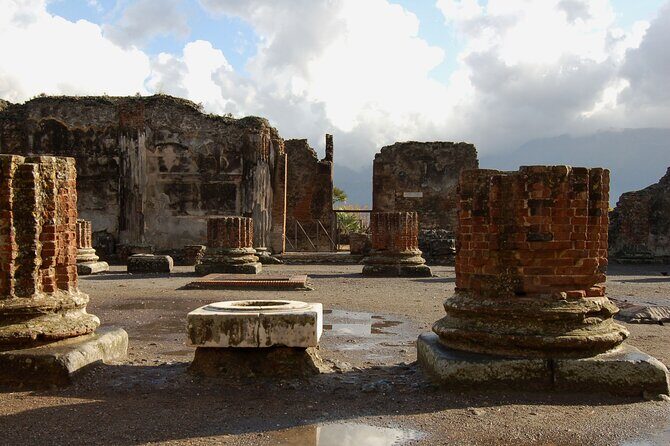
Pompeii has multiple entry points and lots of signage, but the practical advice is simple: arrive with your route choice in mind so you don’t lose time searching for where to start.
If you’re concerned about mobility, the provided guidance is clear: consider entering from Piazza Anfiteatro and keep your visit limited to the surroundings of the Amphitheater. That’s the most straightforward way to reduce walking and keep access manageable.
On the ground, use your own instincts but don’t ignore the layout help. The entrance provides a route map, and the site is organized around key squares/areas that act like “anchors.” You can build your visit around one anchor (one side of the park) or do a shorter “greatest hits” approach that mixes famous buildings with a few nearby streets and houses.
Where you can focus first (three classic “anchors”)
You’ll see the park’s highlights organized around these areas:
- From Porta Marina
- From Piazza Esedra
- From Piazza Anfiteatro
That matters because Pompeii is huge. A smart first choice helps you avoid crossing the site multiple times.
A practical Pompeii route: Porta Marina highlights
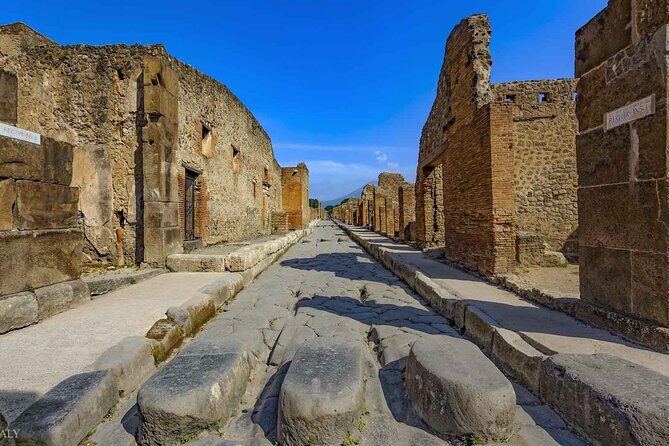
Starting at Porta Marina is a strong way to get your bearings fast because this side connects you to major entry-related structures and some of the most recognizable public spaces.
Here’s what you can expect to see in this zone:
- Porta Marina and walls: you get a sense of the city’s boundary and movement into and out of Pompeii
- Temple of Apollo: a major religious stop that’s a good early “wow” moment
- Basilica: a key civic building you can picture as a busy center of daily life
- Public Administration Buildings: great for understanding how official life worked in the city
- Building of Eumachia: another strong civic/religious-related stop that adds depth to the public side of Pompeii
Why I like this route: it leans into civic Pompeii. You’re not only looking at private homes—you’re seeing the city’s machinery: religion, administration, and the kinds of spaces where people likely gathered.
Possible downside: if you’re short on time, you may have to cut something later. This route can tempt you to keep going, which is fun but can steal minutes from your other “must-sees.”




Piazza Esedra: Pompeii’s public life and everyday businesses
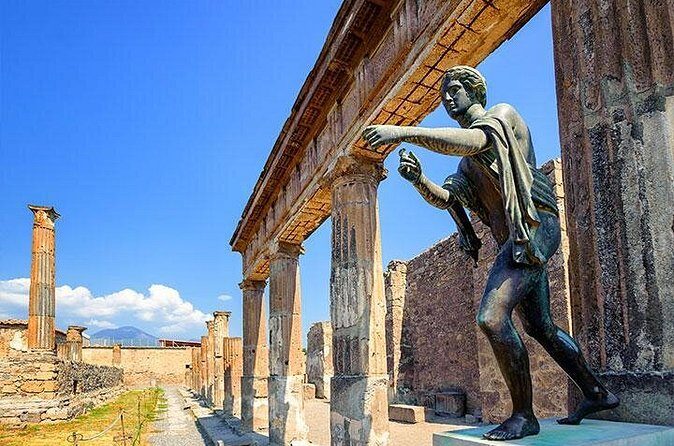
If you want a blend of temples, major streets, and businesses, Piazza Esedra is a smart hub. This area is packed with stops that help you understand what people actually did—not just what they owned.
Expect to work through a lineup like:
- Forum Baths: you can connect daily routine to monumental architecture
- Temple of Fortuna Augusta: religion with political gravity built in
- House of Pansa and the House of the Tragic Poet: two household stops that help you compare how Roman homes expressed status and taste
- Thermopolium: a hot-food counter/restaurant-style place—useful if you want Pompeii to feel like a living city
- House of the Faun and House of Cecilio Giocondo: big-name homes that make Pompeii feel personal
- House of Citharist: another home stop that adds variety to the “private world” picture
- Fullonica Stephanus: a cloth-launderer/finishing business, perfect for imagining labor and production
If you like variety, this is where you get it: public buildings, household spaces, and a practical commercial stop all close together.
What to watch for: this zone rewards slower pacing. If you rush, you might miss the small clues (like how spaces connect to streets and how buildings relate to daily activity). The site is best when you pause.
Piazza Anfiteatro and the amphitheater zone
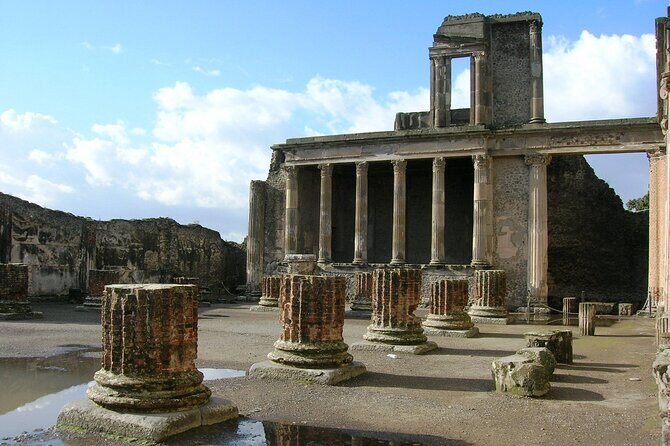
The Piazza Anfiteatro side is a classic choice for people who want spectacle—architecture that feels built for crowds. It also includes a long list of stops that can keep you busy without feeling repetitive.
Here’s the kind of sequence you’ll encounter:
- Necropolis of Porta Nocera and Porta Nocera and walls: a shift from everyday life to burial spaces
- Garden of the Fugitives: a dramatic stop that pairs well with your understanding of the final days of the eruption
- House of the Garden of Hercules and House of Octavius Quartio: household stops that add texture to the residential side of Pompeii
- House of Venus in the shell: a standout named home that signals how art and symbolism lived in everyday spaces
- Amphitheater: the major crowd centerpiece
- Fullonica Stephanus (again, listed in this area sequence too): useful if you want a second look without re-planning
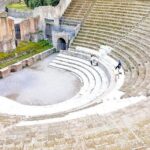
- Small Theater (Odeion) and Great Theater: two performance spaces that let you compare scale and function
- Temple of Isis: religious variety beyond the obvious big temples
- Triangular Forum and Doric Temple: more public architectural anchors that support the “city as systems” story
Why this zone works: even without a guide, it’s easy to feel what Pompeii’s social life might have been like—performance, worship, crowds, then streets linking everything together.
Possible downside: walking from here to other areas can take time. If you only have 2–3 hours, treat this side like your “main chapter” and don’t plan to crisscross the whole site.
Don’t miss the signature Pompeii icons (and how to fit them)
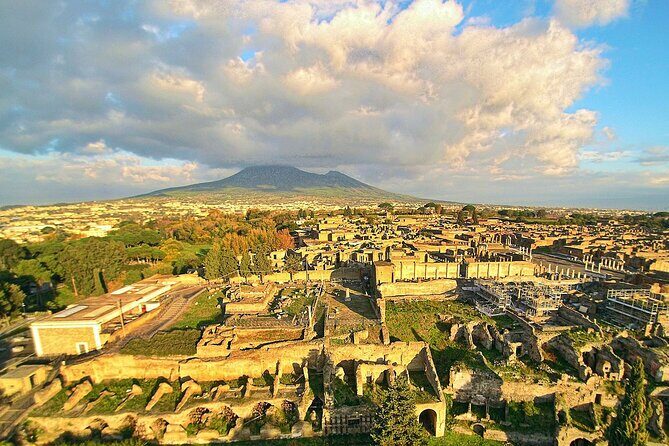
Even if you stick to one anchor area, prioritize the famous stops that give Pompeii its global identity:
- Forum: the center of public life. Even if you only get a short visit, the Forum is where Pompeii feels most “city-like.”
- Theatre: a performance space that helps you picture entertainment and gatherings.
- Lupanare (the brothel): the two-story building where the walls still carry erotic frescoes.
I’m not saying you need to linger everywhere. But if you want the ticket to feel like it mattered, try to build your route around these landmarks first, then spend remaining time on homes and smaller sites nearby.
The victims’ casts: plan for an emotional pause
The ruins aren’t just architecture. You can see casts of victims’ bodies (created from the preserved remains). This is one of the most powerful parts of the Pompeii experience because it brings the scale of the tragedy into sharp focus.
If you’re sensitive to that kind of display, you might want to pace yourself: take a moment, move on when you need to, then return later if you feel ready.
Pompeii rules that actually help you enjoy the day
Pompeii is fragile, and the rules aren’t just legal text—they’re there to keep you safe and the site intact.
Here are the practical ones to take seriously before you go:
- Wear flat-soled shoes and walk carefully
- Don’t stop right on the edges of excavations
- Do not climb on walls
- Keep bags, backpacks, and bulky items stored in the wardrobe
- Be respectful: no shouting, writing on walls, or littering
- Photography and filming are allowed for private use
- If you plan to use a tripod, flash, artificial light, or anything commercial/other than private use, contact the site office first
Also, stray dogs can be present outside/around the perimeter. Stay aware and keep your distance.
Time and pacing: the 2–3 hours guideline vs reality
The ticket experience is listed as about 2 to 3 hours, which is enough for a focused hit-list. But Pompeii covers a lot of ground, and in practice you can easily spend longer if you’re drawn to houses, fresco details, and street-level context.
A good strategy:
- If you have only 2–3 hours: pick one anchor area and include the Forum/Theatre/Lupanare if they fit naturally into your loop
- If you have half a day to a full day: slow down and mix public buildings with at least one home zone and one “street business” stop like a thermopolium or cloth-launderer area
Heat matters. Pompeii can feel relentless when you’re moving between exposed streets. If you’re visiting in warmer months, you’ll likely enjoy the day more by choosing the later entrance time you can handle—then starting with your most important stops before fatigue sets in.
Price and value: is $54.44 a good deal?
At $54.44 per person, you’re paying for a time-slot entry ticket with guaranteed skip-the-line intentions. The value depends on two things:
- How smoothly the entry process works on your day
- Whether you use the time effectively inside the ruins
The site is so large that spending energy on the wrong route can quickly erase the value of any “skip-the-line” claim. That’s why I’d treat this ticket as a convenience tool, not a guarantee of zero delays. If you’re traveling with tight timing, build in buffer at arrival.
Also remember: this ticket includes access, not a guide. If you want someone to connect the dots for you—history, symbolism, why certain homes look the way they do—consider spending your time on-site with an app/map and focusing on the stops you care about most.
What kind of traveler should buy this ticket
This is a good fit if you:
- Like independent exploring and don’t want to follow a group schedule
- Want flexibility to choose your own Pompeii “greatest hits” route
- Are comfortable navigating a large site and moving at your own pace
- Want to spend your money on entry access instead of a guided narration
It’s also useful for visitors who want to get there when it’s best for them, because there are multiple entrance times throughout the day.
If you want a full “explainer” experience where every building is interpreted for you, you might feel something is missing. In that case, you’ll likely enjoy Pompeii more if you pair the ticket with extra context from a guide resource you trust.
Practical details you should know before you go
- Opening hours (during 10/27/2025–01/26/2027): Monday–Sunday, 9:00 AM – 1:00 PM
- Confirmation is received within 48 hours of booking (subject to availability)
- This is not a museum entry pass
- There’s a picnic area near Porta Nola if you plan to eat outdoors
- The experience has a max of 15 travelers (even though you’re largely self-guided once inside)
Should you book this Pompeii entrance ticket?
Yes—if you want independent access to one of Italy’s most powerful archaeology stops and you’re ready to navigate a big site on your own. The price makes sense for what you get: timed entry, skip-the-line access intent, and the ability to design your own route around Pompeii’s most famous buildings.
I’d especially book it if you’re the type who enjoys walking streets, looking closely at homes and public spaces, and spending time where you find the most interesting details. Just don’t over-plan the day expecting instant entry with zero friction. Give yourself breathing room, pick an anchor area, and you’ll get a much better Pompeii visit.
FAQ
How do I enter Pompeii with this ticket?
On the day of your visit, go to the Pompeii Archaeological Park on your own. Show your pre-booked ticket to enter and bypass the ticket lines. You can also pick up a complimentary map inside the gate with suggested routes.
Is a guided tour included?
No. This is an admission ticket for independent exploration. You explore the ruins at your own pace.
How long should I plan to spend at Pompeii?
The experience is listed as about 2 to 3 hours. Since the site is large, you may want more time if you plan to see multiple areas and stop often.
What entrance times are available?
The ticket offers multiple entrance times throughout the day, and the site opening window is listed as 9:00 AM to 1:00 PM (Monday–Sunday) during 10/27/2025–01/26/2027.
Can I take photos or film in Pompeii?
Photography and filming are authorized for private use only. If you want to use a tripod, flash, artificial light, or you’re filming for commercial or other uses, you need to contact the Office of the Superintendent.
Can this ticket be changed or refunded?
The experience is non-refundable and cannot be changed for any reason if you cancel or ask for an amendment.