REVIEW · NAPLES
Naples Pizza Cooking Class
Book on Viator →Operated by Worldtours · Bookable on Viator
Wood-fired pizza lessons beat a museum day. This class is built as a hands-on break from Naples sightseeing, right at a pizza restaurant in the city center. You’ll work with a professional pizza chef instructor, turning flour, yeast, and timing into a real Neapolitan pizza, then finish with the best part: eating your own bake.
I especially like how practical the instruction is. Chef Antonio (and the class leader Gabrielle) focus on the small, make-or-break details like dough rest time, how the dough should be spread, and what to look for in flour and yeast. One possible drawback: it’s only about 2 hours, so you’ll learn the core steps, not a full home-pizza production course.
In This Review
- Key highlights you’ll care about
- Why a Naples pizza class is a smart break from sightseeing
- Getting to Naplesbay Cooking Lab without wasting time
- Dough lessons: flour, yeast, rest, and how to spread it right
- Sauce and timing: tomatoes, oil, and the logic of the Margherita
- Baking in a wood oven and eating your own result
- Food included: starter, pizza, and a non-alcoholic drink
- Who should book this Naples pizza class
- Practical tips before you go
- Should you book this Naples Pizza Cooking Class?
- FAQ
- How long is the Naples Pizza Cooking Class?
- Where is the meeting point?
- What time does the class start?
- Is the class offered in English?
- What’s included in the meal?
- What is the cancellation policy?
Key highlights you’ll care about
- Downtown location at Naplesbay Cooking Lab, so you can fit it between sightseeing stops
- Hands-on dough prep, with guidance on flour, yeast, rest, and stretching/spreading
- Wood-oven baking in the workflow style Neapolitans actually use
- Ingredient decisions explained, including which tomatoes to use and when to add oil
- Margherita origin story tied to late-1800s royal tastings and the Italian flag colors
- Small group feel with a max of 18 people, which makes it easier to ask questions
Why a Naples pizza class is a smart break from sightseeing
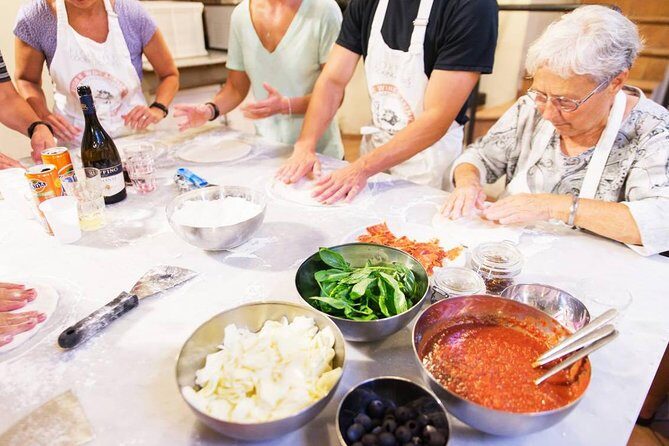
Naples is famous for pizza, but most food tours end with you eating and moving on. This is different. The point isn’t just to get a slice. It’s to understand why a Neapolitan pizza tastes the way it does—how the dough is treated, when ingredients go in, and how the oven changes everything.
You’ll start from scratch in the way a pizzaiolo thinks: dough first, then sauce choices, then baking timing. That matters because pizza in Naples isn’t a single recipe. It’s a process with tight steps, and this class gives you the process.
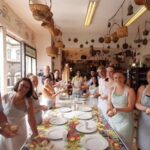
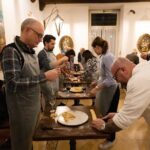
Also, you’re not stuck watching someone else work. Even with a small group (up to 18), you get real time in the workflow, and you’ll sample what you made at the end. If your Naples plan is packed, this hits the sweet spot: it’s short enough to keep your day flexible, yet hands-on enough to feel like more than a snack.
You can also read our reviews of more cooking classes in Naples
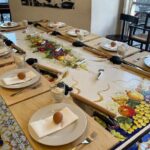

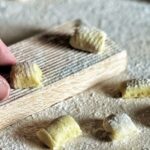
Getting to Naplesbay Cooking Lab without wasting time
You meet at Naplesbay Cooking Lab, Via delle Zite, 30, 80139 Napoli. The start time is 11:00 am, and the experience runs for about 2 hours. The class ends back at the meeting point, so you don’t have to worry about figuring out a separate pickup location.
A practical plus: it’s near public transportation. That’s helpful in Naples, where walking can be great but routes and traffic can also change quickly. Since the activity offers a mobile ticket, you should have it ready on your phone before you arrive.
And since it’s in English, you don’t have to decode Italian pizza terms. You can focus on what the instructor is showing: flour type, yeast choice, and the sequence of dough and toppings.
Dough lessons: flour, yeast, rest, and how to spread it right
This is where the class turns into real value. The instruction isn’t just a step-by-step “watch and hope.” You’ll learn the behind-the-scenes decisions that affect texture and flavor, including which flour to use, what kind of yeast works, and how long the dough needs to rest.
Here’s what that means for you, practically:
- Rest time isn’t trivia. It changes how the dough behaves when you stretch it, and it affects the final bite.
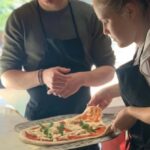
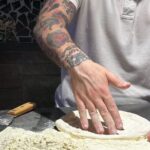
- Spreading the dough isn’t random. You’ll get guidance on how it should be spread for a proper Neapolitan shape and thickness.
- Ingredient selection has a logic. Flour and yeast aren’t interchangeable if you want a true Neapolitan result.
Chef Antonio’s teaching style gets specific praise for explaining everything clearly. That’s the kind of instruction that helps you avoid common mistakes, like handling dough too aggressively or rushing steps that need time.
You’ll also see that the class teaches “how” as much as “what.” That’s useful even if you never make pizza at home—because you’ll be better at judging pizza quality when you’re eating around Naples.
Sauce and timing: tomatoes, oil, and the logic of the Margherita
Once the dough path is underway, the class shifts to toppings and sequencing—where a lot of home cooks get sloppy.
You’ll learn which tomato to use, and you’ll get guidance on when the oil should be poured. Those timing details sound small, but they help explain why Naples pizza tastes balanced instead of heavy.
The class also connects ingredients to meaning, not just flavor. You’ll hear the story of the Margherita pizza and why it became an icon. In the late 1800s, Raffaele Esposito was called to make pizza for the visit of King Umberto and Queen Margherita of Italy. During the tasting, Queen Margherita preferred the version garnished with tomatoes, mozzarella, and basil—chosen because those ingredients matched the colors of the Italian flag.
That context matters because it gives you a reason to remember the toppings beyond taste. When you later see a menu listing Margherita-style pizza, you’ll know the origin and why the classic combination sticks.
Baking in a wood oven and eating your own result
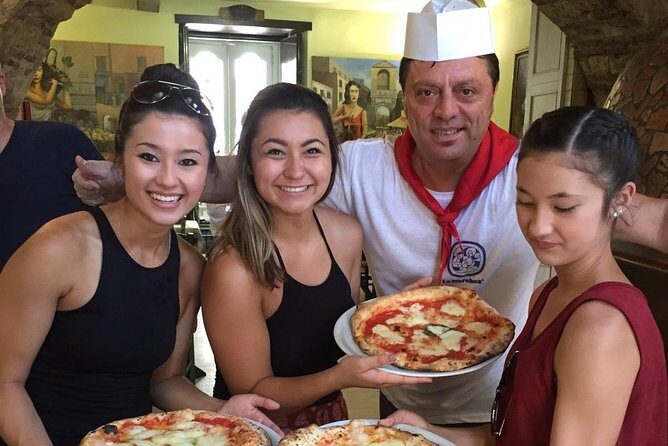
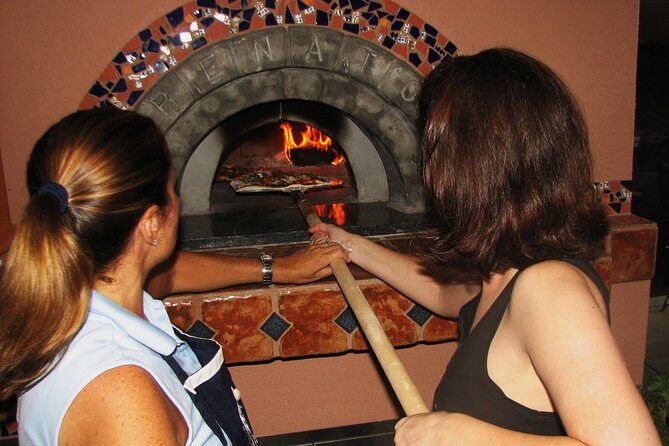
The climax is baking in a wood oven, and this is where the skills you picked up stop being theoretical. Wood ovens cook differently than typical home ovens, and the pizza-making flow accounts for that.
In a short class like this, you’re not aiming for a perfect “masterpiece every time” on your first try. You’re practicing the right process: dough handling, correct spreading, and ingredient timing. Then you get to taste what you made.
You’ll sample your pizza as the capstone, which is ideal for two reasons. First, you can actually compare your expectations to the real result. Second, you get feedback from the experience itself—how the crust turned out and how the topping choices worked.
A small-group setting helps here. If you’re curious, it’s easier to ask questions and get clarity while you’re still in the workflow. Some people also appreciated the camaraderie in the class environment, which makes the experience feel less like a workshop that leaves you on your own.
You can also read our reviews of more tours and experiences in Naples


Food included: starter, pizza, and a non-alcoholic drink
The included menu is simple and Naples-friendly:
- Starter: local specialties from the Campania region
- Main: traditional Neapolitan pizza with a non-alcoholic drink included
Lunch is included, along with pizza ingredients used during the lesson. That’s a practical way to structure your time. You learn, you bake, and then you eat a sit-down meal as part of the same experience.
One thing to consider: since the pizza-making takes focus, you may want to go into the class at a comfortable hunger level. You’ll end with the pizza you made, plus starter and drink, so if you’re already in full “I can’t eat another bite” mode from earlier stops, it can be too much.
Who should book this Naples pizza class
This works best if:
- You want something hands-on that still fits a tight schedule
- You care about learning the method, not only tasting the final dish
- You like structured teaching with clear explanations (Chef Antonio’s approach gets strong praise)
- You’d enjoy a small group environment where you can ask questions (up to 18 people)
It may not be your best fit if:
- You’re looking for a long, sit-and-watch cooking show. This is active, and the pace is part of the point.
- You already have a very food-heavy day and might struggle with the included lunch portions.
Practical tips before you go
A few things that’ll make the lesson smoother:
- Arrive a few minutes early so you’re not rushing into dough prep. The class starts at 11:00 am.
- Wear comfortable clothes you don’t mind getting dough-handling close to. Cooking classes are real life, not studio lighting.
- Keep your phone for the mobile ticket, but expect to spend less time filming and more time learning. The best moments are in the steps.
- If you’re a pizza nerd (or want to become one), listen closely to the ingredient reasoning: flour, yeast, tomatoes, and oil timing are the recurring themes for a reason.
Should you book this Naples Pizza Cooking Class?
If you want Naples pizza knowledge you can use—how the dough is treated, how toppings are sequenced, and why the Margherita became an icon—this is a strong choice. The wood-oven finale and the fact that you eat what you make turns the class into more than a ticket to a meal.
Book it if you like structured guidance and hands-on cooking, and you want a fun, central activity that breaks up sightseeing without eating half your day. Skip it only if you’re mainly after a casual pizza stop and not interested in learning the process behind the flavor.
FAQ
How long is the Naples Pizza Cooking Class?
The experience lasts about 2 hours.
Where is the meeting point?
You’ll meet at Naplesbay Cooking Lab, Via delle Zite, 30, 80139 Napoli, Italy.
What time does the class start?
The start time is 11:00 am.
Is the class offered in English?
Yes, the experience is offered in English.
What’s included in the meal?
Lunch is included. You’ll get a starter of local specialties from the Campania region, plus traditional Neapolitan pizza with a non-alcoholic drink.
What is the cancellation policy?
Free cancellation is available. You can cancel up to 24 hours in advance for a full refund, but cancellations within 24 hours are not refunded.