REVIEW · NAPLES
Naples: National Archaeological Museum audio guide
Book on GetYourGuide →Operated by ITGUIDES · Bookable on GetYourGuide
Naples gets serious about ancient art, and this museum guide helps you keep up. With Itguides on your phone, you get an organized audio tour built around major works like the Hercules statue and the Venus Callipigia. I like the fact that you can start before you enter, and that the audio is designed to follow the museum’s collections rather than throwing you random facts; the main drawback is that it depends on your smartphone battery and getting the content downloaded/ready first.
The National Archaeological Museum is huge, so having a plan beats wandering in good faith. If you want a budget-friendly way to understand what you’re seeing, this guide is a strong match, especially if you’re tired of reading tiny labels. Just know you still need your own entry ticket, and the audio has to be activated online before your visit.
This is also a smart choice if you like freedom. You can move at your own speed over about 3 hours, pausing when a room grabs you or when you just need to catch your breath in the marble-and-stone hush.
In This Review
- Key highlights I’d center in your planning
- Why the Naples Archaeological Museum is easier with this audio guide
- Before you go: activate on Itguides and download content for offline use
- Getting your bearings: how the self-guided route actually feels
- Hercules, Venus Callipigia, and the mosaics: what to look for as you move room to room
- The 3-meter Hercules statue
- Venus Callipigia: grace with an edge
- House of Fauno mosaics
- Alexander vs the Persian king
- Egyptian collection and the Gabinetto segreto
- Navigation: map help, but plan to follow the guide step by step
- What the audio adds beyond the labels on the walls
- Price and value: $4.70 for the guide, and why that matters
- Who this audio guide is best for
- Should you book the Naples National Archaeological Museum audio guide?
- FAQ
- Do I need to buy an entry ticket separately?
- Is there a meeting point?
- How long is the audio guide experience?
- Can I start using the guide before I enter the museum?
- Will it work offline?
- What app does the audio guide use?
- Which languages are available?
- Do I need to activate it online before I go?
Key highlights I’d center in your planning
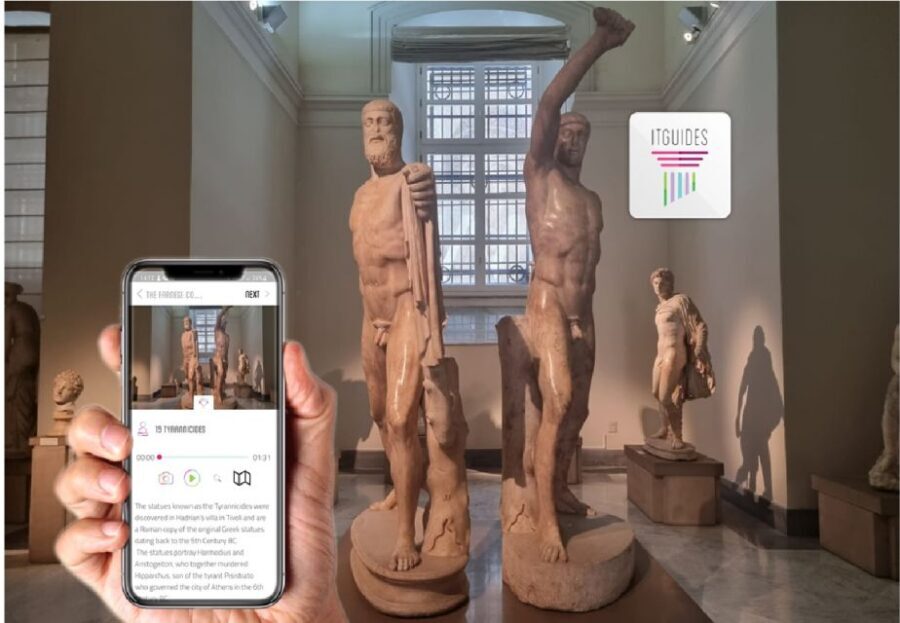
- 85 points of interest mapped into a guided route with audio, photos, and on-screen descriptions
- Start early: use the guide before you even step inside to get your bearings
- Offline-ready after you download contents with good signal or Wi‑Fi
- Focus on the museum’s “must-see” works, including Hercules and Venus Callipigia
- Includes a map, but it’s not a search-everywhere tool if you jump around
- Phone use matters: bring a charged device and think about a power bank
Why the Naples Archaeological Museum is easier with this audio guide
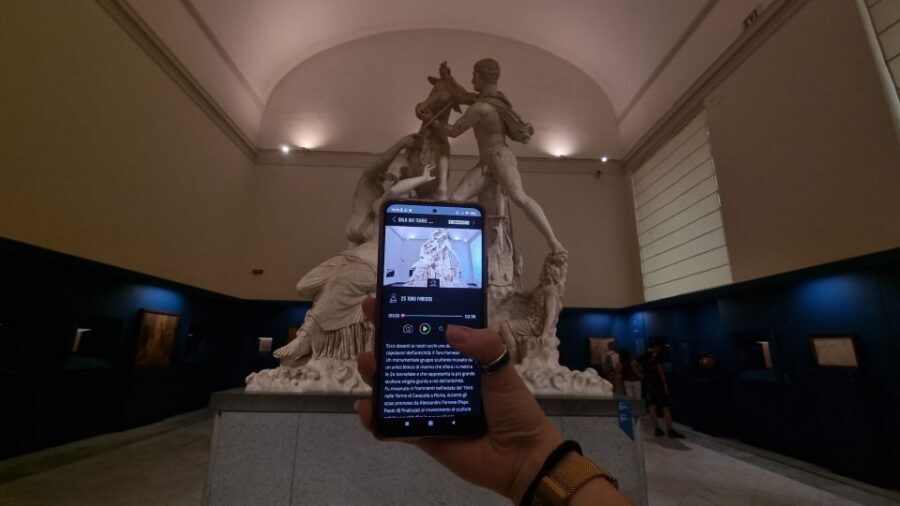
The National Archaeological Museum of Naples, also called the Museo Archeologico Nazionale di Napoli, can feel like several museums stacked together. You’ll walk from one collection to another—Greco-Roman sculpture, mosaics, Egyptian artifacts, and more—and without guidance it’s easy to miss the “why should I care?” parts.
This audio guide is built for that problem. Instead of treating the museum like one long hallway, it organizes the experience through 85 key stops. Each stop pairs audio with photos and descriptions, which means you can visually confirm you’re in the right room before you commit your attention. That matters because some displays don’t come with the kind of heavy labeling you might expect in a modern museum.
Two things I really like about the approach are:
- You’re guided by the objects, not by your guesswork. If you’re drawn to a specific masterpiece—like the famously dramatic Hercules or the Venus Callipigia—you’re less likely to wander past the right room.
- You don’t need constant internet once it’s downloaded. It’s designed so you can keep going even if your connection is weak inside.
One caution: the museum is big enough that a phone guide can’t fully replace orientation. You’ll still need a calm pace and a little willingness to follow the route step by step.
You can also read our reviews of more guided tours in Naples



Before you go: activate on Itguides and download content for offline use
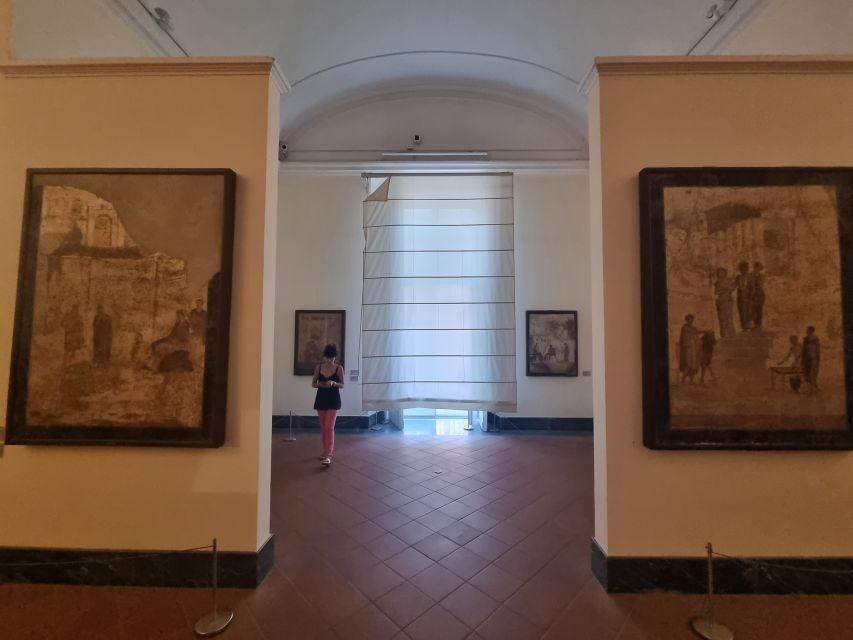
This is the part that makes or breaks your experience. The audio guide is delivered through the Itguides app, and it’s not the same thing as a generic audio device the museum sells at the ticket desk.
Here’s what you need to know:
- The guide can only be activated online, so you should do it before you arrive.
- You should download the contents in advance (or at least right away) using good cellular signal or Wi‑Fi.
- The app includes a free demo, which you can test before you buy.
Practical phone checklist (save yourself stress):
- Bring a charged smartphone and aim for a full day battery, not 30% vibes.
- If you have one, use a power bank. The museum is long-walk territory.
- Consider Bluetooth headphones so you can hear clearly without holding your phone close to your face.
If you do this homework, the rest becomes easy: you can walk in, open the guide, and follow your nose—or rather, follow the route your audio suggests.
Getting your bearings: how the self-guided route actually feels
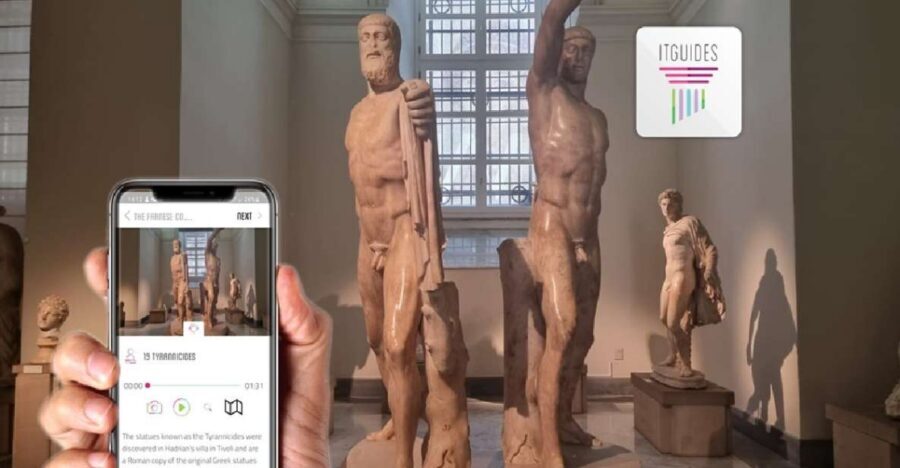
This tour is self-guided, with no meeting point. That sounds simple, but it changes your mindset. Instead of showing up, joining a group, and letting someone steer, you own your flow.
The good news: you can start using the guide before you come into the museum. That’s more useful than it sounds. You can read a bit, plan which collection you want first, and reduce the first-10-minutes chaos that happens in almost every large museum.
The guide is designed to last about 3 hours. That’s a real sweet spot for a first visit because it gives you enough time to hit key highlights without turning the afternoon into a full-day marathon. Still, if you’re the kind of person who lingers, you might stretch it. The payoff is that you’ll understand more of what you’re seeing each time you pause.
Hercules, Venus Callipigia, and the mosaics: what to look for as you move room to room
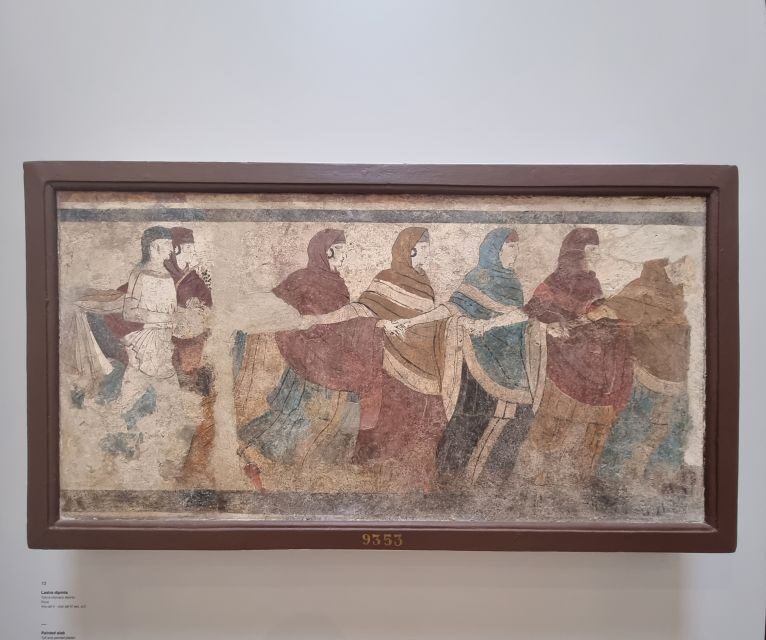
The museum’s “hook objects” are the ones you’ll remember later. This audio guide builds around those. Here’s how the major stops fit together so you can enjoy the big scenes rather than just collect names.
The 3-meter Hercules statue
The guide takes you to the 3 meters tall resting Hercules—a standout presence. When you see a sculpture this large, your body language changes. I recommend slowing down and noticing proportion: how the weight sits, how the pose communicates power even while the figure rests.
The audio helps by giving you context so you’re not stuck staring at stone wondering what you should be paying attention to.
You can also read our reviews of more museum experiences in Naples






Venus Callipigia: grace with an edge
Next up is Venus Callipigia, described through its famous erotic pose. The key here is not to rush. Instead of treating it like just another pretty nude, use the audio as a cue to look at expression, posture, and how the figure’s stance tells a story.
If you’re not someone who loves every sculpture, this is one of those moments where the audio is likely to change your reaction. It turns the viewing from passive to active.
House of Fauno mosaics
You’ll also be directed to the Mosaics of the House of Fauno. Mosaics reward close attention, but in a big museum you can’t always hover without losing your way. The audio’s photos and descriptions make it easier to focus on the details that matter rather than scanning like you’re at a speed museum.
If you like visual puzzles, mosaics can be a treat. If you don’t, at least let the guide point out the themes so you can enjoy the craftsmanship.
Alexander vs the Persian king
Another dramatic stop is the image of Alexander during his battle against the Persian king. Battle scenes are one of the reasons people fall in love with ancient art. They’re not just about violence; they show movement, hierarchy, and how artists chose to frame power.
With the audio, you’re less likely to miss what the scene is doing compositionally. It’s the difference between seeing action and understanding the logic of the scene.
Egyptian collection and the Gabinetto segreto
This guide doesn’t stop at Mediterranean classics. You also get dedicated attention to the Egyptian collection and the famous Gabinetto segreto (the Secret Cabinet). The Egyptian rooms can feel like a different universe inside the same building, so having spoken descriptions helps you connect the artifacts to the bigger themes instead of treating everything like isolated curiosities.
You’ll also benefit here if you find that the museum’s signage is light. The guide fills in the gaps so you’re not depending only on what’s printed near the glass.
Navigation: map help, but plan to follow the guide step by step
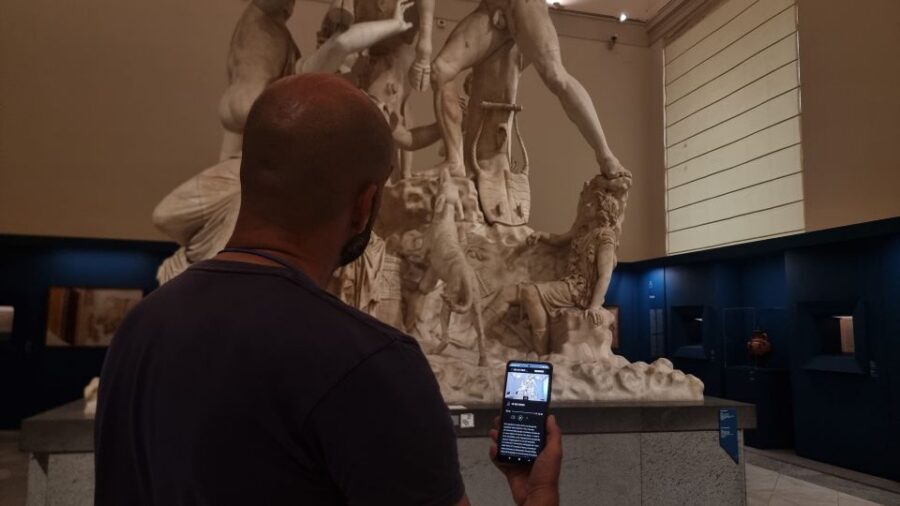
The experience includes a map, and the points of interest are numbered and tied to the route. That’s helpful because the museum can feel like several wings connected by corridors.
Still, there are two navigation realities to expect:
- If you like to jump around based on what catches your eye, the guide’s structure may feel a bit rigid. Some people find it easier to stick to the order rather than bouncing between locations.
- A map doesn’t automatically solve everything. If you don’t get a stop exactly right on your first attempt, you may need patience and basic re-orientation.
My advice: choose a sensible path for the day. You don’t need to follow the guide in a robot way, but starting from the suggested sequence will keep you from losing time hunting for the next masterpiece.
One small practical tip: if you feel stuck, look at the photos in the app before you decide you’re in the wrong room. It’s faster than scanning for matching labels.
What the audio adds beyond the labels on the walls
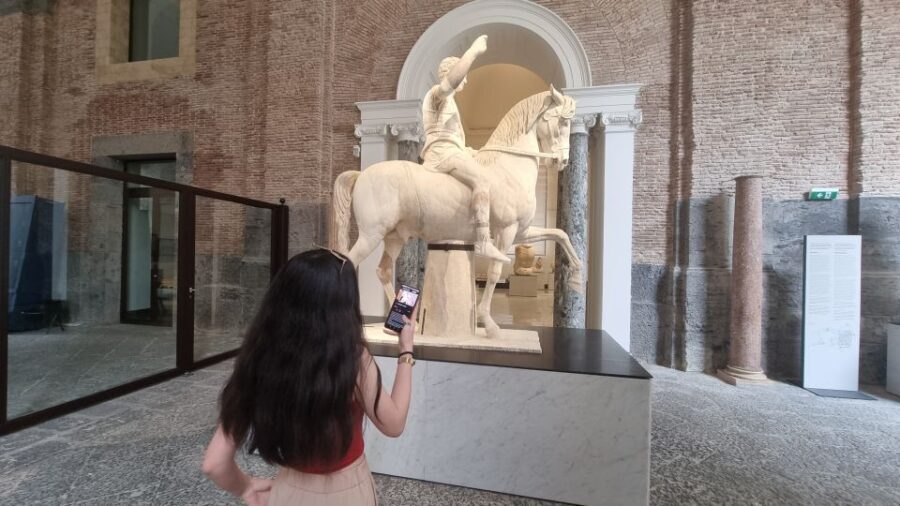
A lot of museums rely on signage, and the National Archaeological Museum can be more about objects than wall text. That’s where this guide earns its keep.
The audio is organized by collection, which changes the way you perceive the museum:
- You’re not just hearing facts; you’re hearing how a collection fits into a larger cultural story.
- The guide often fills in the context that makes ancient art feel less like random objects and more like purposeful design.
- You’ll notice more connections—like how sculpture, mosaics, and decorative arts show different ways the ancient world celebrated status, myth, and storytelling.
Also, the guide includes multiple languages (Italian, English, French, German, Spanish), so you can match your comfort level. If you travel with someone whose language preference differs from yours, this kind of flexibility is genuinely useful.
Price and value: $4.70 for the guide, and why that matters
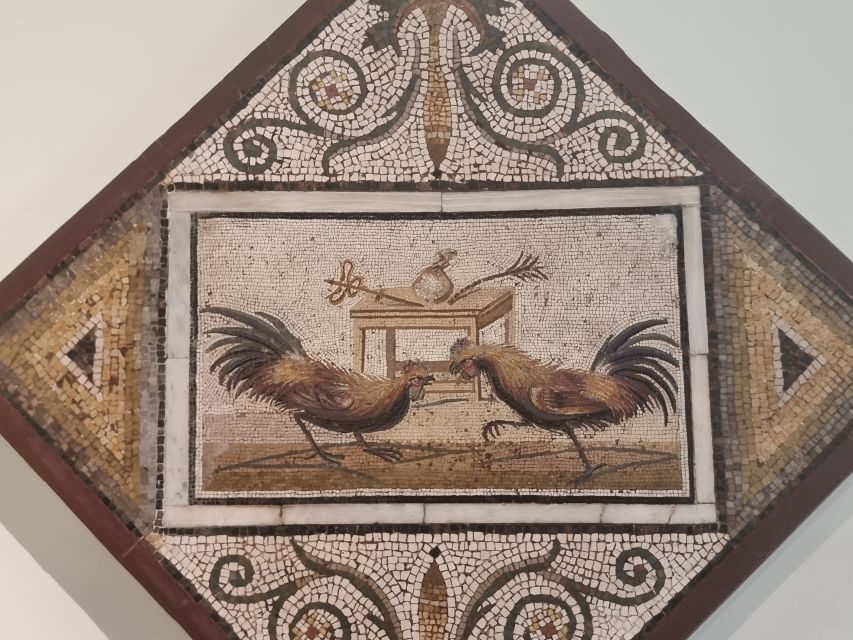
The price listed for the audio guide is $4.70 per person, and it’s a big part of the value equation. That cost is low enough that you’re not forced into an all-or-nothing decision like you might be with pricier organized tours.
But the value only holds if you use it well. Since the entry ticket is not included, you’ll pay the museum admission separately. Still, adding this guide can make the overall day feel more “complete,” because it turns your museum visit into an interpretive experience rather than a walk-by collection.
Compared with audio options sold inside museums, this guide is often a better deal because it gives detailed coverage across key areas rather than feeling like a short sampling. Even if you’re only there for the main highlights—Hercules, Venus Callipigia, the mosaics, Alexander, and the Egyptian sections—the guide helps you get more meaning out of each stop.
Who this audio guide is best for
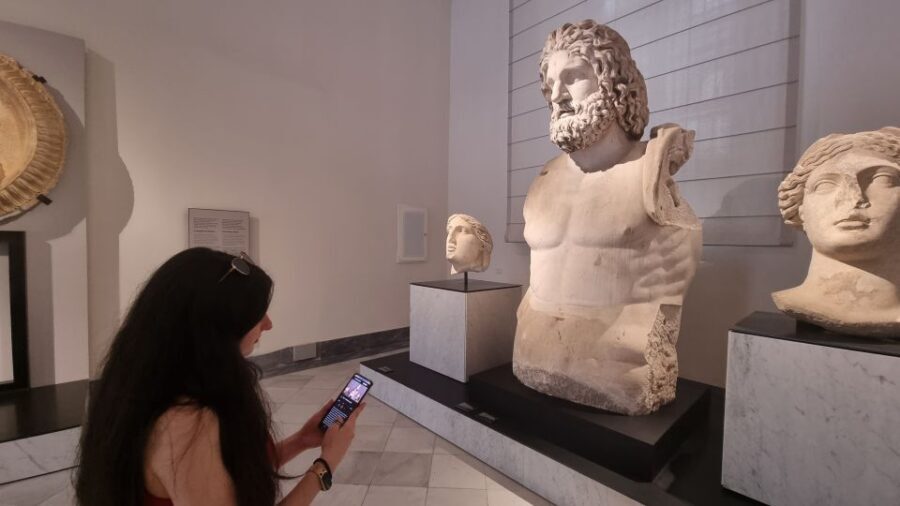
This setup fits some travel styles better than others.
You’ll like it if:
- You want flexibility and self-paced wandering, but still want direction.
- You like learning from audio that follows the museum’s actual organization.
- You travel with friends or a partner and prefer staying together without a group schedule.
- You want a budget-friendly way to cover big, high-demand rooms.
You might want a different plan if:
- You hate phone-based navigation or you don’t want to manage battery anxiety.
- You’re the type who needs an interactive map that you can search in real time (the included map is helpful, but not described as a full interactive tool).
- You want a tour that handles orientation for you from start to finish, because this one is truly self-guided.
Should you book the Naples National Archaeological Museum audio guide?
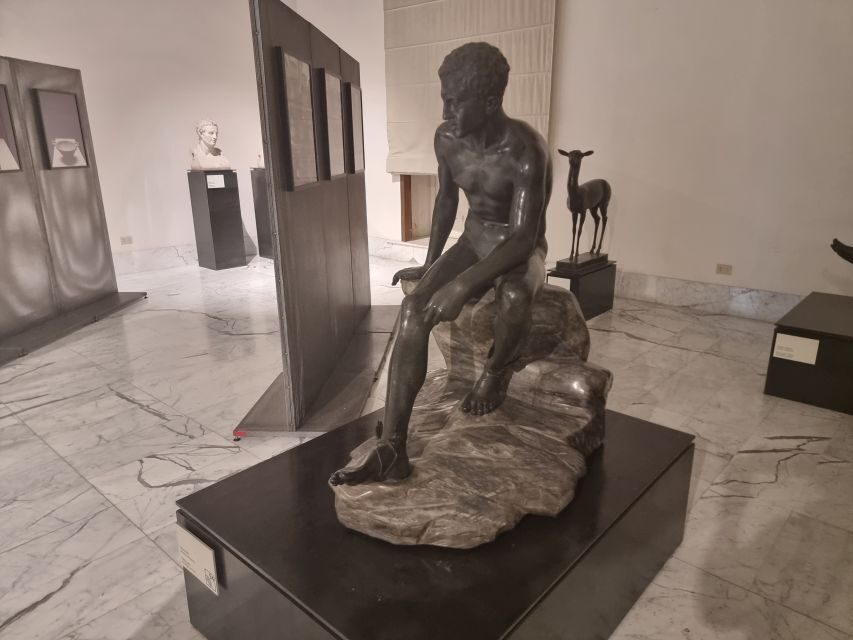
My take: book it if you’re visiting the National Archaeological Museum and you want your time to feel smarter for very little money. The combination of low cost, 85 points of interest, and coverage of the museum’s biggest-name works (including Hercules, Venus Callipigia, mosaics, Alexander, and the Egyptian collection) is exactly the kind of value that makes a big museum manageable.
Skip it—or rethink it—if you know you won’t download content ahead of time, or if your phone battery situation is unreliable. This guide is great, but it runs on your device, so you need that device ready.
FAQ
Do I need to buy an entry ticket separately?
Yes. The audio guide is included, but the museum entry ticket is not included.
Is there a meeting point?
No. This is a self-guided tour with no meeting point.
How long is the audio guide experience?
The duration is listed as 3 hours.
Can I start using the guide before I enter the museum?
Yes. You can start using it before you come into the museum.
Will it work offline?
Yes. It’s described as working offline, as long as you download the contents with good cellular signal or Wi‑Fi.
What app does the audio guide use?
It uses the Itguides app on your smartphone.
Which languages are available?
The guide is available in Italian, English, French, German, and Spanish.
Do I need to activate it online before I go?
Yes. It can only be activated online, and it is not the same as an audio guide available directly at the ticket office.