REVIEW · NAPLES
Naples: Hands-On Pasta Class Making Gnocchi & Tagliatelle
Book on GetYourGuide →Operated by Naples bay tour · Bookable on GetYourGuide
Gnocchi gets serious in two hours. This Naples hands-on class turns simple ingredients into pillowy gnocchi and fresh pasta you actually shape yourself. I love how active it is, not a sit-and-watch show, and I love the friendly, joke-filled energy chefs like Daniele bring to keep it moving. One thing to consider: the kitchen setting is practical and not wheelchair accessible, so if mobility is a concern, plan accordingly.
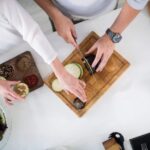
You’ll start with an easy win: tools, an apron, and a real workshop vibe from the first minute. The class is built around traditional technique—getting dough right, cutting neatly, and learning how texture and timing matter in Neapolitan cooking. You also get a sit-down finish with the pasta you made, plus an appetizer and a drink before the meal.
It’s set at the Naplesbay Cooking Lab in the historical center, a short walk from Duomo Cathedral. That matters because you can roll straight from sightseeing into cooking, then head back out with full energy and full stomach. The instructor can work in Italian, Spanish, French, or English, so language usually isn’t the problem.
In This Review
- Key points that make this class worth your time
- Naplesbay Cooking Lab: meeting near the Duomo and getting cooking fast
- The welcome rhythm: appetizer, drink, then serious dough work
- Potato gnocchi: how you get pillowy texture instead of sad dumplings
- Tagliatelle and ravioli: rolling, cutting, and filled pasta technique
- Homemade tomato sauce: San Marzano DOP, olive oil, basil, and timing
- Sitting down to eat: the best part is eating your own work
- Value check: does $41 deliver real Naples cooking?
- Who should book this pasta class (and who might skip it)
- Quick practical tips before you go
- Should you book this Naples Hands-On Pasta Class?
- FAQ
- How long is the Naples pasta class?
- Where do I meet for the class?
- What pasta will I learn to make?
- Is there a meal included?
- What drink is included?
- What languages are offered?
- Is it wheelchair accessible, and is there an age rule?
Key points that make this class worth your time
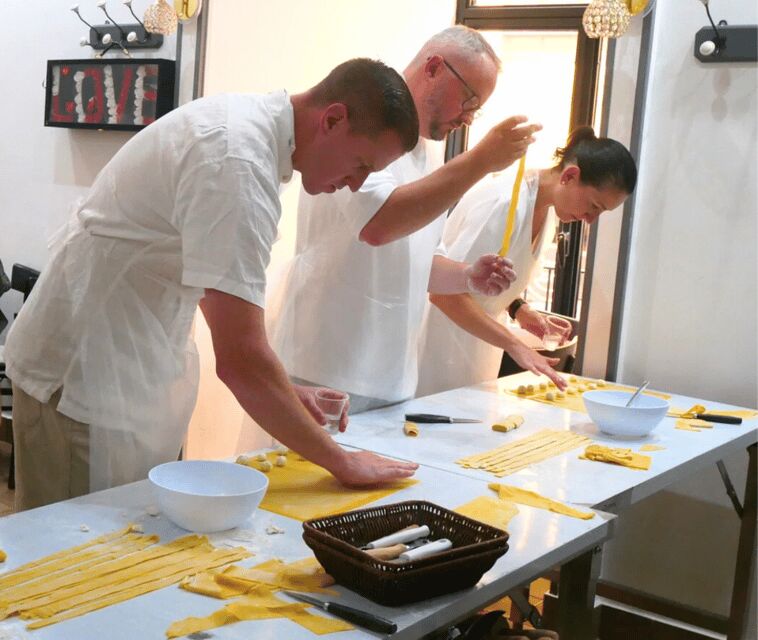
- Soft potato gnocchi from scratch using the kind of texture coaching that actually helps
- Hands-on pasta shaping with clear steps so you do the work, not just watch
- Two pasta types and two sauces so you taste more than one Neapolitan-style outcome
- Fresh tomato sauce made with quality ingredients like San Marzano DOP tomatoes
- Chefs keep the mood light; Daniele and Alex are specifically praised for humor and attentiveness
- Chef diploma souvenir plus an actual meal, not a tiny sample
Naplesbay Cooking Lab: meeting near the Duomo and getting cooking fast
Your day starts in the historical core at the Naplesbay Cooking Lab, just a short walk from the Duomo Cathedral area. That location is practical. You’re not spending half your trip on transit or hunting a distant address.
You’ll arrive, get oriented, and get kitted out with the basics: kitchen tools and an apron. A chef’s hat is included too, which sounds silly until you’re in the middle of shaping dough and you realize it keeps things tidy and focused.
The session runs for about two hours, which is a good length for pasta classes. Long enough to learn, short enough that you’re not burning your entire afternoon. It also means you can fit this between walking tours without turning the day into a food marathon.
If you’re traveling with kids, note that participants under 18 must be accompanied by a parent or legal guardian. And because it’s not wheelchair accessible, it’s best to think about the space and movement before you book.
You can also read our reviews of more tours and experiences in Naples
The welcome rhythm: appetizer, drink, then serious dough work
One of the smartest parts of this class is the pacing. You don’t jump straight into flour and stress. You start with an appetizer and a drink in the middle of the experience, giving you a reset before you eat what you make.
That appetizer-and-drink break matters because pasta dough has a learning curve. You’ll need a moment to breathe, ask questions, and get back into your hands when it’s time to knead, roll, cut, or shape.
The mood also seems designed to keep things relaxed. In particular, chefs like Daniele are described as engaging and funny, with explanations that stay clear instead of getting overly technical. That combination is a real win. You learn faster when the vibe isn’t stiff.
And since the instructor can teach in Italian, Spanish, French, or English, you’re less likely to feel lost when a key step gets explained. If you’re traveling with mixed language skills in a group, this is one of those details that quietly saves the day.
Potato gnocchi: how you get pillowy texture instead of sad dumplings
The star of the class is soft potato gnocchi. This is the part most people assume is magic or luck. Here, the chef walks you through what actually changes the texture: the potatoes, how the dough is handled, and the feel of the mixture as you work it.
You’re making gnocchi from scratch, which means you’re not just learning a recipe. You’re learning the logic behind it. Gnocchi is delicate. Overwork the dough and it can turn heavy. Handle it too loosely and it may not hold its shape.
The payoff is that you’re coached toward the kind of texture that’s light and tender, the kind that clings to sauce instead of fighting it. The class specifically emphasizes gnocchi that’s ideal for holding sauce, so you understand the reason for each step.
This is also where the hands-on format really earns its keep. When you shape the dough yourself, you feel the difference between too soft and just right. You stop guessing. You start knowing.
A practical bonus: if you’ve ever tried to cook gnocchi at home and had them turn into soft blobs, this is the course that teaches you what went wrong. Even if you forget every measurement, you’ll remember the feel.
Tagliatelle and ravioli: rolling, cutting, and filled pasta technique
After gnocchi, you move into fresh pasta shaping. The class includes tagliatelle, and the program also covers preparing another fresh pasta like ravioli. So you get a broader sense of how dough behaves for different forms.
For tagliatelle, you’ll mix and knead the dough, then roll it and cut it into long ribbons. The chef guides you through traditional tools and professional technique. That’s the difference between making pasta that looks right and pasta that actually works.
Here’s what I like about learning this in a Naples kitchen rather than at home: you get feedback in real time. If your sheet is too thick, too thin, or too uneven, you’ll see it quickly and you’ll adjust with the chef’s guidance.
For ravioli, the learning shifts. Filled pasta can be tricky because the dough needs to seal correctly and stay tender. You get a chance to handle dough differently than you did for noodles, and you also get another tasting experience at the end.
The class highlight also promises tasting two different pasta with two different sauces. So when you finish shaping, you’re not just done—you’re ready to compare outcomes like a mini food scientist.
And yes, the atmosphere helps. Multiple chefs are praised for keeping things moving without turning the lesson into a lecture. If you’re someone who learns best by doing, this setup fits you well.
Homemade tomato sauce: San Marzano DOP, olive oil, basil, and timing
Even if you nail the pasta, sauce is where the final grade happens. This class covers a homemade tomato sauce made from quality ingredients, including San Marzano DOP tomatoes, extra virgin olive oil, basil, and a touch of sea salt.
What you learn here is how simple ingredients can taste serious when the timing is right. The sauce gently cooks, and the kitchen fills with the kind of aroma that makes you understand why people talk about Italian food like it’s emotional.
Also, you’ll be tasting your pasta with sauce you helped prepare. That turns it into a feedback loop: you see how texture and shape affect how the sauce clings.
One more detail: the highlights mention two different sauces served with two pasta types. We know at least one is this tomato sauce. The other one is part of the program experience, and it’s a smart way to show range without blowing up the class length.

Sitting down to eat: the best part is eating your own work
After all the prep, you finally get to sit down and enjoy a meal based on what you made. You’ll eat the gnocchi and the fresh pasta you crafted, served with warm sauce. A glass of local wine is included, or you can get a non-alcoholic drink if you prefer.
This sit-down finish is more than a reward. It’s also part of the learning. When you taste right after your work, you connect hand skill to flavor and mouthfeel.
In the reviews, people specifically point out that the meal is a perfect ending, and you also get that full, happy group energy. It’s not just you and your cutting board. You share the experience with others in the class, which can make the time fly.
If Naples gives you rain, this class is a great plan. You stay indoors, warm, and busy. And when the group laughs during prep, the day tends to feel lighter even if the weather doesn’t cooperate.
Value check: does $41 deliver real Naples cooking?
At $41 per person for about two hours, this class isn’t just a snack. You’re paying for tools, ingredient work, chef instruction, and a full meal with drink support. That’s a lot to pack into a short timeframe.
Look at what’s included:
- kitchen tools and an apron
- chef’s hat
- chef-led hands-on pasta making
- making more than one fresh pasta type (gnocchi plus tagliatelle and ravioli in the program)
- an appetizer and a drink
- dinner or lunch with your pasta
- a chef diploma souvenir
- free luggage deposit
From a value standpoint, the meal and drink alone are usually the biggest swing factor on food experiences. Here, you’re also getting real technique coaching and a souvenir that makes it feel more like a workshop than a quick class.
The strongest value angle is confidence. When you learn texture and handling, you can recreate the results later. People mention wanting to redo recipes at home, and that’s the sign you didn’t just get fed—you got skills.
If you’re on a tighter budget, you might compare this to longer food tours. But if you want a hands-on, indoor, rainy-day friendly activity with a guaranteed meal, this price looks pretty fair.
Who should book this pasta class (and who might skip it)
This class is a great fit if you want:
- hands-on cooking rather than watching
- a short, structured activity in Naples’s historical center
- a realistic way to learn pasta basics you can repeat at home
- a chef-led experience in English or other European languages
It’s also ideal for pairs and small groups who want to do something memorable together and share the final meal.
You might consider skipping if:
- you need wheelchair access (the experience is not wheelchair accessible)
- you’re not comfortable in a working kitchen environment
- you’re looking only for sightseeing and want minimal cooking time
That said, even if you’re a beginner, the class format is built for learning by doing. Reviews mention clear explanations and a non-boring pace, with humor and attention from chefs like Daniele and Alex.
Quick practical tips before you go
A few things will make your class smoother:
- Wear comfortable clothes you don’t mind getting flour on.
- Tie back long hair.
- Bring curiosity. Ask questions when the chef shows the feel of the dough.
- If you’re planning other walking after, note that you’ll likely leave fed and satisfied. Shoes matter, but you won’t be running around much inside.
Also, because there’s a free luggage deposit, you can treat this as an anchor activity even if your day includes a lot of moving between stops.
Should you book this Naples Hands-On Pasta Class?
Yes, I’d book it if you want a hands-on Naples food experience that ends with a real meal and a clear learning payoff. The biggest strengths are the gnocchi you shape yourself, the chef-guided technique that keeps it from feeling too technical, and the overall sense of fun that makes the time fly.
Skip it only if you can’t manage a working kitchen space or you strongly prefer sightseeing over cooking. If you’re the type who wants to bring home something more than photos—like a pasta texture you can actually recreate—this is one of the best ways to spend a couple hours in Naples.
FAQ
How long is the Naples pasta class?
The duration is 2 hours.
Where do I meet for the class?
Meet at the Naplesbay Cooking Lab in Naples’ historical center, a short walk from Duomo Cathedral.
What pasta will I learn to make?
You’ll learn soft potato gnocchi and make fresh pasta such as tagliatelle, with the program also including ravioli.
Is there a meal included?
Yes. You’ll have lunch or dinner with the pasta you prepared, plus an appetizer and one drink during the experience.
What drink is included?
The class includes one alcoholic or non-alcoholic drink.
What languages are offered?
The instructor can teach in Italian, Spanish, French, and English.
Is it wheelchair accessible, and is there an age rule?
It is not wheelchair accessible. Participants under 18 must be accompanied by a parent or legal guardian.