REVIEW · ROME
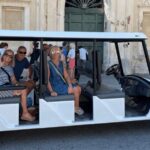
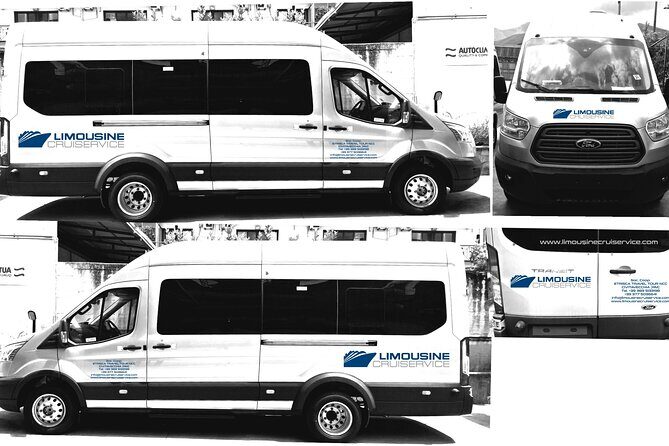
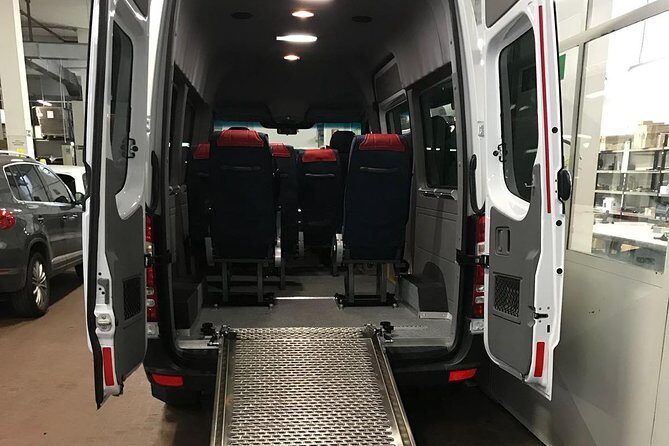
Minivan suitable for transporting disabled people with a wheelchair
Book on Viator →Operated by LIMOUSINE SERVICE DI MARIO SEPE · Bookable on Viator
Rome with a wheelchair should feel easy. This private shore excursion uses a wheelchair-friendly Mercedes minivan and drops you right by big landmarks like the Pantheon and Piazza Navona. I love the timed port pickup that keeps you aligned with your cruise schedule, and I love the live commentary that helps you understand what you’re seeing as you move between stops. One thing to watch: a strict dress code applies to churches and some museums, so pack smart.
The best part is that you can run a classic Rome highlights route or shape your own plan. You’ll be traveling in comfort with a driver/guide, and it’s a private tour, so it’s just your group. Expect a flexible day of about 4 to 10 hours, depending on how you pace the sightseeing.
In This Review
- Key Things That Make This Accessible Rome Tour Worth Your Time
- Wheelchair-Friendly Transport From Civitavecchia Port
- How the Timing Works With Your Cruise Schedule
- Rome Sightseeing Stops: What You’ll See and What to Expect
- Piazza Navona: A Big-Square Start
- The Pantheon: Fast Access to a Must-See
- Fontana di Trevi: Icon Photos Without the Wander
- Piazza di Spagna: Spanish Steps and a Classic Walk-Up Area
- Fori Imperiali: Seeing Ancient Rome’s Power Lines
- Chiesa di San Pietro in Vincoli: Michelangelo’s Moses
- What’s Included (and What You’ll Need to Plan Yourself)
- Price and Value: Is $1,573.28 Worth It?
- Dress Code Rules for Churches and Museums
- Getting the Most Out of a 4 to 10 Hour Rome Day
- Who This Tour Works Best For
- Should You Book This Accessible Rome Shore Excursion?
- FAQ
- Is this Rome tour wheelchair accessible?
- Where do we start?
- How long is the tour?
- Is it a private tour?
- Does it include transport and a guide?
- What about food and drinks?
- What ticket do I need?
- Do I need to dress a certain way?
Key Things That Make This Accessible Rome Tour Worth Your Time
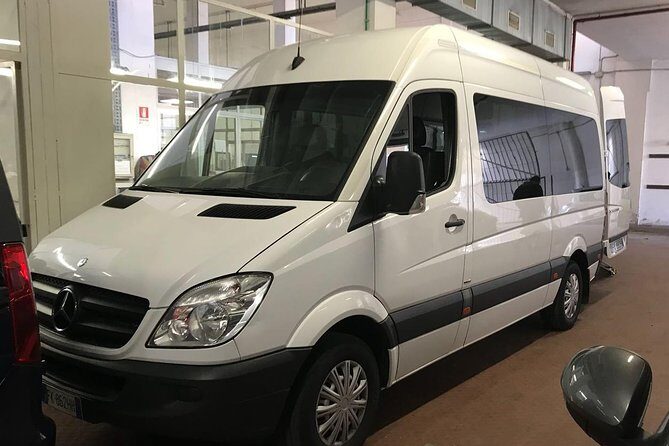
- Wheelchair-ready minivan for getting around without the usual taxi shuffle
- Port-to-city timing designed to bring you back to your ship before it sails
- Front-door drops at major stops like the Pantheon and Piazza Navona
- Live commentary on board so the city makes sense while you ride
- Private tour setup with only your group, no crowd jostling
Wheelchair-Friendly Transport From Civitavecchia Port
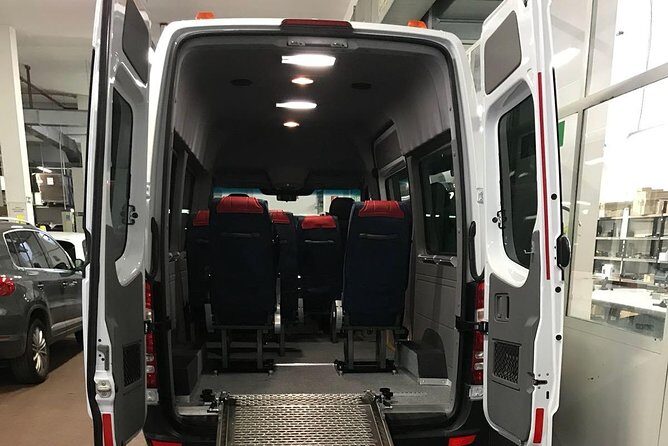
Starting at Civitavecchia port is a big deal. You skip the guessing game of taxis, lines, and whether a shared shuttle will actually work for your needs. Instead, your driver brings the day to you, and you head straight to Rome city center.
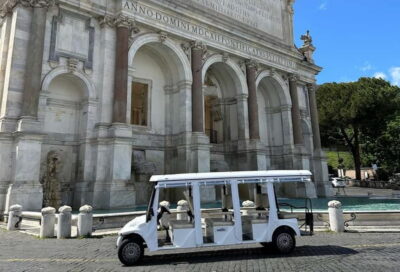
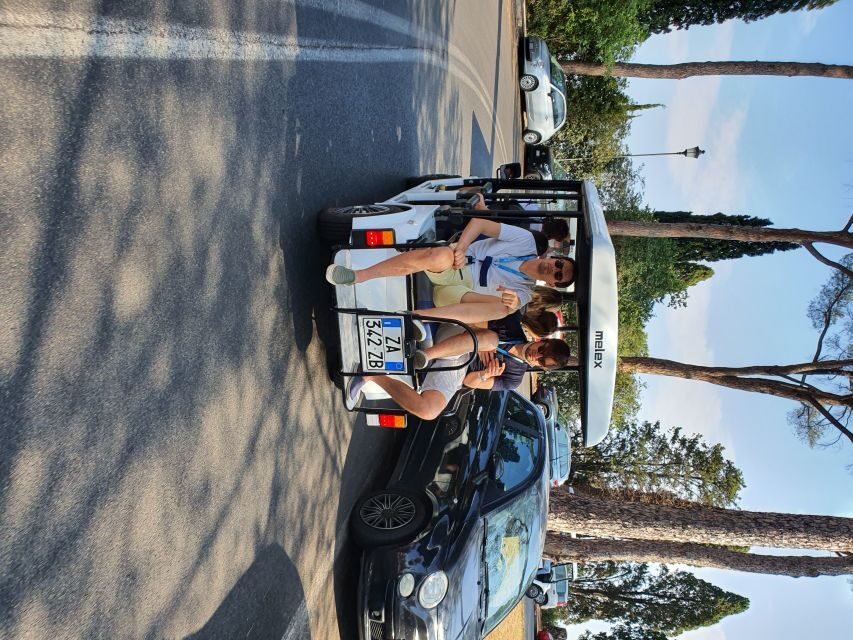
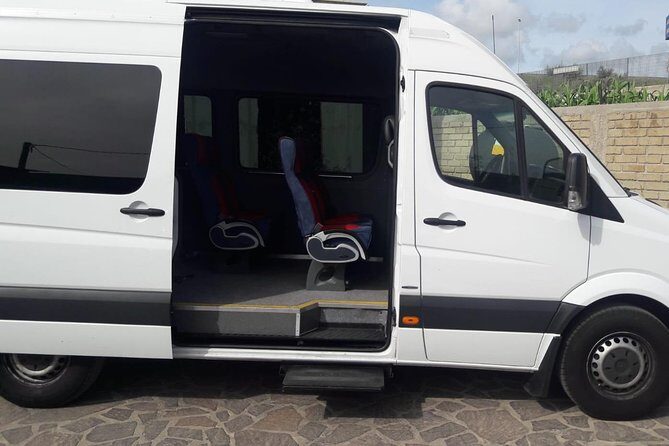
The vehicle is described as a spacious minivan designed to transport disabled people with a wheelchair. That matters because Rome sightseeing can turn into lots of small logistics: getting in and out, changing plans on the fly, and trying to keep ramps and routes workable. Here, the plan is built around accessible movement from stop to stop.
You’re also not stuck improvising once you arrive. This is set up as a private excursion with a driver/guide and live commentary during the ride, so you get context while you’re traveling between sights.
You can also read our reviews of more tours and experiences in Rome.


How the Timing Works With Your Cruise Schedule
If you’re on a cruise, time can feel like a bully. You want to maximize Rome without gambling your ship departure. This tour is designed around that reality: port pickup and drop-off are timed for your cruise schedule, so you return before your ship sails.
You enter the ship details when booking, and the service uses that to coordinate your transfer. If you’ve ever watched people race through Rome with no accessibility plan, you’ll appreciate having a structured timeline from the start.
The day also stays flexible. The tour duration is listed as approximately 4 to 10 hours, which gives you room to slow down for wheelchair pacing, longer photo stops, or breaks between major landmarks.
Rome Sightseeing Stops: What You’ll See and What to Expect
You’ll visit a classic collection of Rome landmarks, with stops positioned so you can get dropped directly in front of key sights. That front-of-the-building advantage is especially helpful when you’re managing wheelchair access and want to reduce awkward detours.
Here’s what your Rome route can include, in a practical order that fits a port day:
Piazza Navona: A Big-Square Start
Piazza Navona is one of Rome’s most recognizable squares. It’s easy to get your bearings because the space is open and you can take in the fountains and architecture from a manageable viewing area.
The nice thing here is approach and access. Being dropped close to the square means less time navigating from a far parking spot to the action.
If you want a slower start, Piazza Navona is perfect for that first “okay, we’re really in Rome” moment.
The Pantheon: Fast Access to a Must-See
The Pantheon is the kind of landmark that makes even first-timers go quiet. You’ll appreciate it more when you can just focus on the building, not the stress of finding where to enter.
This tour aims to drop you directly in front of the Pantheon. That’s a practical win for wheelchair users because it cuts out extra walking and reduces the need to backtrack if a route looks complicated.
Tip for your pacing: plan a little extra time here for photos and for taking in the scale. Rome’s buildings are impressive, but the Pantheon is one of the clearest “wow” stops on any itinerary.
Fontana di Trevi: Icon Photos Without the Wander
Trevi Fountain is famous for a reason. Even if you’ve seen pictures, the real thing has presence, and people gather because it’s a focal point in the city.
You’ll stop at Trevi on your route, giving you that chance to see it up close rather than just hearing about it. Because the tour is organized with transport between sites and drop-offs near attractions, you can avoid the long, draining stretches that sometimes happen when you’re navigating independently.
If your goal is iconic photos, Trevi is where you make the attempt. If your goal is less crowd stress, plan your timing in your own schedule once you’re on site.
Piazza di Spagna: Spanish Steps and a Classic Walk-Up Area
Piazza di Spagna is tied to the Spanish Steps, and it’s a great “Rome postcard” stop. It also works well for people who want a mix of viewing and short, controlled movement.
You’ll have a scheduled stop there as part of the route. Since you’re using a wheelchair-ready minivan and you’re not self-navigating between distant points, you can enjoy the area without turning the day into a long map-reading session.
Fori Imperiali: Seeing Ancient Rome’s Power Lines
Fori Imperiali is where ancient Rome starts to feel enormous. It’s not just one building; it’s a whole zone, and the scale can be a lot to take in if you’re tired.
This stop is included in your plan, and travel between stops is handled by the minivan. That’s important because it keeps the day moving while you still get the chance to see this side of Rome in a structured way.
Pacing note: for wheelchair users, any historic outdoor area can involve uneven ground or ramps and transitions. The tour’s value here is you’re not stuck alone figuring it out; your driver helps manage the flow between stops.
Chiesa di San Pietro in Vincoli: Michelangelo’s Moses
San Pietro in Vincoli is the stop that many people pick because it’s different from the obvious headline list. The church is associated with Michelangelo’s Moses, and that connection makes it a meaningful change of pace from the big squares.
This stop is on the route, and the experience is designed to keep you close to the site so you can focus on what’s inside and around the church.
One important constraint: dress code rules apply to places of worship. You’ll want knees and shoulders covered. If you forget this part, you risk being refused entry.
What’s Included (and What You’ll Need to Plan Yourself)
This excursion keeps the core logistics in-house. You get transport by air-conditioned minivan, a private tour, and a driver/guide with live commentary while you’re on the road. Port pickup and drop-off are part of the service, which is key for a cruise day.
What’s not included is food and drinks. So you’ll want to plan breaks that work for your group and your energy levels. If you’re spending a longer day, pack water if allowed and plan a simple snack strategy.
Also note that the tour is private, so it’s only your group. That typically makes accessibility easier because you’re not trying to coordinate with strangers while you manage boarding, timing, and stops.
Price and Value: Is $1,573.28 Worth It?
The listed price is $1,573.28 per group, up to 15 people. That might look steep at first, but it’s a private, accessible shore excursion with door-to-door transport coordination from Civitavecchia and guided commentary.
Here’s the value math that usually matters most: you’re paying for time protection and stress reduction. A cruise day has a hard deadline. When pickup and drop-off are timed for your ship and the route is planned, you avoid the common “we’ll figure it out” chaos that can waste hours.
Accessibility is the other big piece. Standard Rome plans often assume stairs, long walks, and flexible boarding. This is designed around a wheelchair-transport minivan, which can be the difference between a doable day and a day that breaks down into stressful detours.
The duration is listed as approximately 4 to 10 hours. If you use that time well—seeing Pantheon, Piazza Navona, Trevi, and more—you’re getting a concentrated Rome experience without turning it into a full-day puzzle.
One more practical note: the tour is booked on average 58 days in advance. That signals it’s popular for a reason. If your cruise departure dates are firm, I’d book early so you have the vehicle/access setup you need.
Dress Code Rules for Churches and Museums
This is one of the most practical details to get right.
A dress code is required for places of worship and selected museums. That means no shorts or sleeveless tops. Knees and shoulders must be covered for both men and women. If you don’t follow the rules, you may be refused entry.
For wheelchair users, this matters even more because you might not have an easy way to fix clothing on the spot. I’d pack a light layer that covers shoulders and bring a way to cover knees if needed. It’s a small step that protects your day.
Getting the Most Out of a 4 to 10 Hour Rome Day
Because the duration range is wide, your pacing plan matters.
Use the front-of-sight drop-offs to your advantage. Don’t try to cram every stop with maximum walking. Instead, treat the day as a sequence of “see, pause, reposition, repeat.” That approach works well with wheelchair travel because it reduces fatigue and keeps your group comfortable.
Also, lean on the live commentary. When you’re rolling from Piazza Navona to the Pantheon and then on to Trevi and beyond, it helps to know what you’re looking at. The commentary gives you context fast, so the city isn’t just scenery.
Finally, keep in mind that this is private, not a timed sprint with strangers. If you need more pause time for restrooms, accessibility breaks, or just a calmer pace, this format usually makes that easier.
Who This Tour Works Best For
This is a strong fit if you want a Rome highlights day without independent transport stress.
It’s especially well suited for:
- Wheelchair users or travelers with mobility needs who need accessible minivan transport
- Cruise passengers who want a port-to-city plan that returns before the ship sails
- Families or small groups who benefit from a private driver/guide and live commentary
- People who want classic landmarks like Pantheon and Trevi, plus a more interesting church stop at San Pietro in Vincoli
If your group already knows exactly how you’ll navigate accessible routes on your own, you could do it independently. But if you want less logistics and a smoother flow, this private setup is the point.
Should You Book This Accessible Rome Shore Excursion?
I’d book it if you want Rome in one organized day with accessible transport and minimal stress. The combination of wheelchair-friendly minivan service, port timing, and drops close to major sights is exactly what makes cruise-day Rome workable for many people.
I would not book it if your group hates dress-code rules or if you know you won’t be able to meet the shoulders-and-knees requirement. Also, if you’re looking for a long, leisurely multi-neighborhood walking tour with no vehicle movement, this format is more about smart sightseeing sequences than slow wandering.
If you match the format to your needs, this is a solid, practical way to see a lot of Rome without turning accessibility into a daily problem.
FAQ
Is this Rome tour wheelchair accessible?
Yes. The transport is described as a minivan suitable for transporting disabled people with a wheelchair.
Where do we start?
Pickup starts at Civitavecchia port.
How long is the tour?
Duration is listed as approximately 4 to 10 hours.
Is it a private tour?
Yes. It’s private, and only your group participates.
Does it include transport and a guide?
Yes. You get air-conditioned minivan transport, private vehicle service, a driver/guide, and live commentary on board.
What about food and drinks?
Food and drinks are not included.
What ticket do I need?
A mobile ticket is included.
Do I need to dress a certain way?
Yes. A dress code is required for places of worship and selected museums, with no shorts or sleeveless tops. Knees and shoulders must be covered to avoid refused entry.