Rome does wine right.
This is a smart, fun way to learn how to taste wine the way sommeliers do, not just sip it. You meet at Via dei Frassini, 42, and in about an hour you’ll sample multiple wines with homemade food pairings that make the flavors easier to spot. The whole setup feels relaxed, a bit off the main rush, and designed for questions.
What I like most is the teaching angle. Two hosts, Federico and Daniele, guide the tasting with wine history, traditions, regions, and production techniques, then show you what to look for as you taste. I also like that it’s private for your group, so you can slow down, ask, and actually talk instead of racing through a script.
One thing to consider: this is an efficient 1-hour experience, so if you’re looking for a long, sit-down dinner night, you may want to book dinner right after so the momentum keeps going.
In This Review
- Quick highlights
- A One-Hour Wine Lesson in a Local Corner of Rome
- Meet Federico and Daniele, the People Who Turn Sips Into Skills
- What You’ll Taste: Several Samples, Guided Like a Test You Can Pass
- Homemade Food Pairings: Charcuterie and a Vegetarian Option
- The Natural-Wine Angle and Why It Shows Up in the Lesson
- Why Private Works Better Than Big Group Tastings
- Getting There at 6:00 pm: A Simple Transit-Friendly Plan
- Value Check: Is $63.05 a Good Deal?
- Who Should Book This Tasting (and Who Might Skip It)
- Should You Book Local Wine Tasting in Rome?
- FAQ
- Where does the experience start?
- What time does it start?
- How long does the wine tasting last?
- Is this a private experience?
- What’s included in the tasting?
- Can I cancel for a full refund?
- Are service animals allowed?
- Is the meeting point near public transportation?
Quick highlights
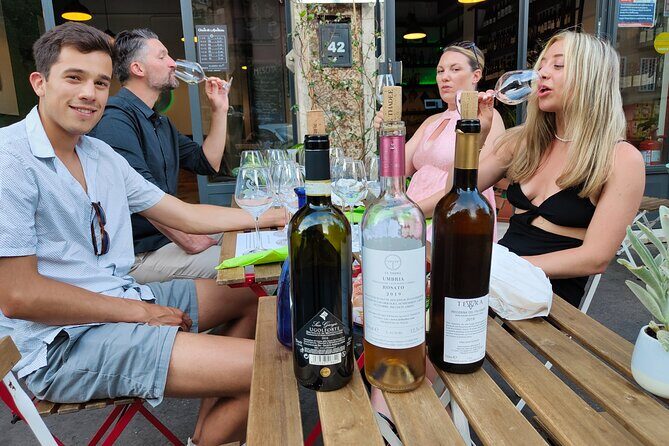
- Private, small-group feel with your group only, plus room to ask questions
- Federico and Daniele bring wine history, regions, and production techniques into the tasting
- Several wine samples paired with homemade food, including charcuterie and a vegetarian option
- Sommelier-style tasting practice so you learn how to evaluate what you’re drinking
- Natural wine talk shows up in the lessons and helps you understand what makes these wines different
- Easy evening plan: it starts at 6:00 pm near public transit
A One-Hour Wine Lesson in a Local Corner of Rome
The best Rome experiences often happen in the in-between places: not the postcard squares, not the late-night tourist traps. This tasting starts in a neighborhood setting around Via dei Frassini 42, near Piazza dei Mirti. It’s the kind of location where the vibe is casual and the focus stays on the table, not the theater.
The timing is also practical. With a 6:00 pm start and about 1 hour on the clock, you can fit this into your first or last evening without burning a whole day to it. You also end back at the same meeting point, which is handy if you’re trying to map out the rest of your night.
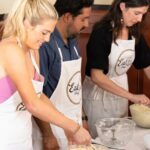
You’ll likely notice the format is built to keep you engaged. Instead of one glass and a shrug, the lesson is paced so you taste and talk through each wine. The food pairings are part of the teaching too, because pairing is where most people finally start to connect flavors to real words.
You can also read our reviews of more food & drink experiences in Rome


Meet Federico and Daniele, the People Who Turn Sips Into Skills
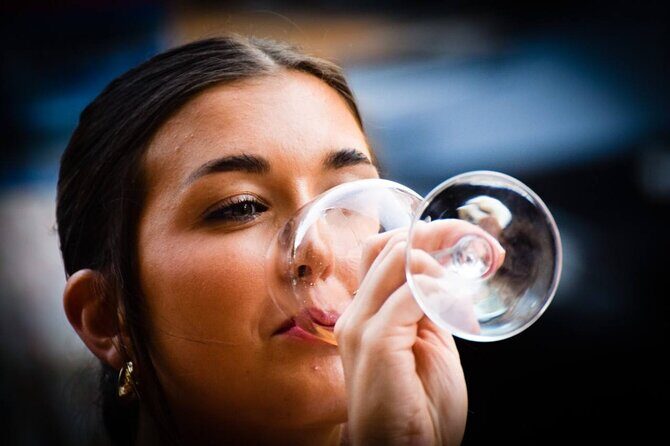
The biggest reason this tasting gets such strong marks is the way the hosts teach. Federico and Daniele are the names you’ll see again and again in the reviews, and that matches what you’ll experience in the moment: they explain with real enthusiasm and they answer questions in a way that feels human, not rehearsed.
Here’s the key shift you’ll feel: they’re not just telling you what a wine is. They’re showing you how to notice things. That’s where the sommelier approach kicks in. You learn a method for tasting, then you practice it across multiple samples. By the end, you’re not just impressed that the wine is good; you’re able to say why it tastes the way it does.
The teaching also connects the glass to Italy beyond the bar. You’ll hear about wine history, traditions, important producing regions, and production techniques. That context matters because it gives your brain categories to hold onto. When you understand where a style comes from and how it’s made, tasting gets easier the next time you’re standing in a wine shop.
A small bonus: English communication is part of the experience. Reviews repeatedly mention the hosts speak English well, which is important because wine education lives and dies on clarity. If you’re nervous about ordering wine in Italian, this is a great confidence boost.
What You’ll Taste: Several Samples, Guided Like a Test You Can Pass
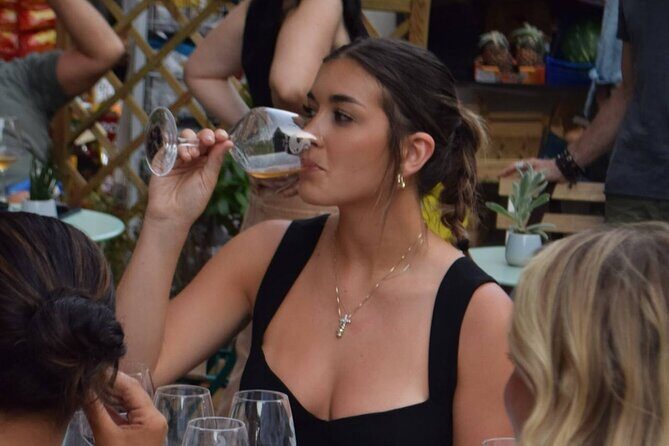
This isn’t a one-wine-and-out situation. The experience includes several wine samples, and the guiding principle is that you learn to evaluate what’s in your glass. In practice, that means you’ll be taught what to look for during tasting: how wine appears, how it smells, and how the taste changes as you pay attention.
The lesson rhythm is built for learning. Each sample comes with a pairing of homemade food, so you can compare how wine behaves next to salty, fatty, savory, or even plant-based flavors. That’s why pairing isn’t just a snack add-on here. It’s part of the tasting technique.
Some review details hint that the number of samples can flex upward, especially if the group wants to keep learning. One review mentioned they initially expected four wines but ended up tasting more, because the hosts wanted them to keep going and asked questions along the way. That’s a good sign: the hosts are tuned into whether your group is absorbing it and having fun.
If you love wine already, this structure can feel satisfying because you’re getting better at noticing nuance. If you don’t know much yet, you’ll still leave with a usable framework.
Homemade Food Pairings: Charcuterie and a Vegetarian Option
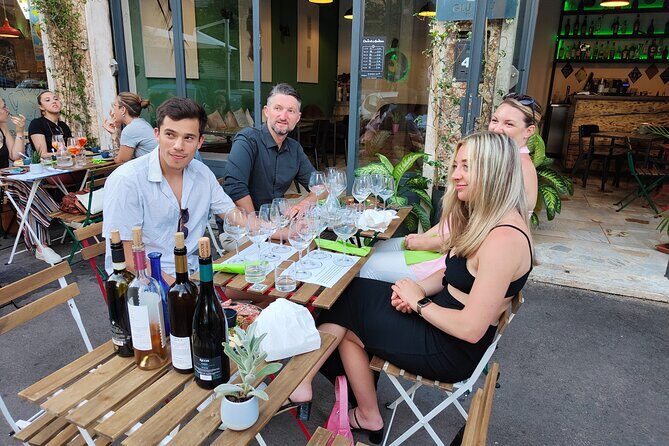
Wine tasting can feel theoretical unless food is involved. Here, you get homemade food pairings with the wines, and that’s a major value driver. Food gives immediate context. It also makes the whole experience more enjoyable, because you’re not stuck just smelling and sipping.
Charcuterie shows up in a big way. Multiple reviews mention delicious charcuterie boards, which makes sense: cured meats and cheeses are excellent for showing how wine acidity, tannins, and aromas interact with salt and fat.
There’s also a vegetarian path. One review specifically mentions a vegetarian platter if you prefer to pair the wines without meat. That’s worth noting because Rome has plenty of good food, but vegetarian options at tastings are not always consistent. In this case, it sounds like the organizers think ahead.
What I like about the approach: the food seems integrated into the lesson rather than thrown on at the end. When the pairings are deliberate, you learn faster because your senses have something concrete to work with.
The Natural-Wine Angle and Why It Shows Up in the Lesson
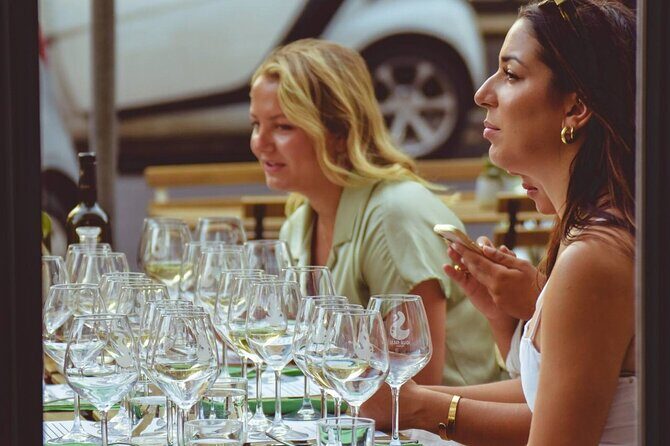
One theme you’ll hear from the reviews is that the hosts talk about the emergence of natural wines. You don’t need to be a natural-wine fanatic to appreciate this part. The point is usually understanding: what people mean by natural, how production choices can change flavor and character, and why opinions differ.
This is one reason the tasting feels more modern than some classic tastings. You’re not only living in “old-world” style stories. You’re also getting a handle on current trends and how they fit into Italian wine culture.
At the same time, the hosts connect the present to the basics: regions, traditions, and production techniques. That combo helps you avoid the confusion people sometimes feel when natural wine gets discussed only as a label. In this setting, you can treat it as a learning topic, not a debate.
You can also read our reviews of more wine tours in Rome

Why Private Works Better Than Big Group Tastings
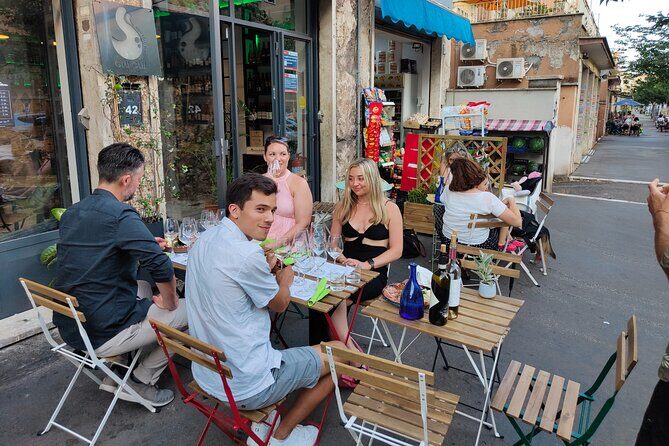
This is a private tour/activity, meaning only your group participates. That matters more than people expect. In a big group, questions get cut off and explanations get simplified. In a private format, the hosts can tailor pace and level to the people in front of them.
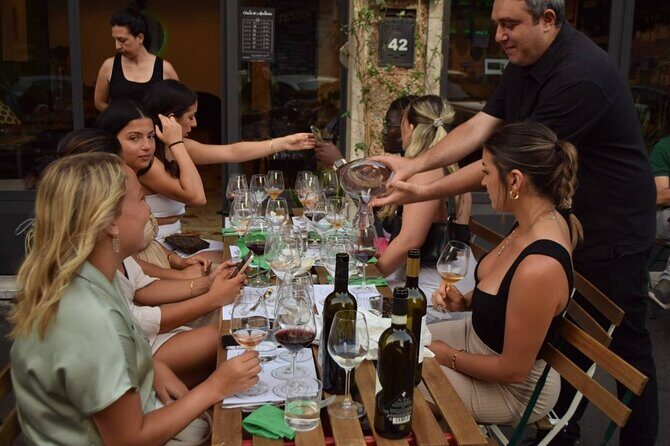
That’s also why the tasting tends to feel funny and relaxed, not formal and stiff. Reviews mention laughing, talking a lot, and staying after the tasting to continue conversations with snacks and a shared bottle. While you should still expect the main guided portion to run about an hour, the overall atmosphere can stretch if you’re enjoying the hosts and your group dynamic.
You also get a better chance to talk about what you like. If you’re the type who says, I usually drink red but I’m curious about something lighter, you can steer the conversation. That personal attention helps you get real takeaways instead of generic notes.
Getting There at 6:00 pm: A Simple Transit-Friendly Plan
You meet at Via dei Frassini, 42. It’s near public transportation, and one review gave a practical pointer: you can take metro line C. Even if you don’t use that exact route, it’s a relief to know you’re not stranded far from transit.
For the best experience, arrive a few minutes early. The meeting point is the anchor of the whole evening, and the tasting is short enough that running late can compress the fun part—your chance to settle in and ask questions.
This timing also works well because you’ll likely finish while the city is still lively but not fully late-night chaotic. That helps if you’re pairing the tasting with a nearby dinner plan.
Value Check: Is $63.05 a Good Deal?
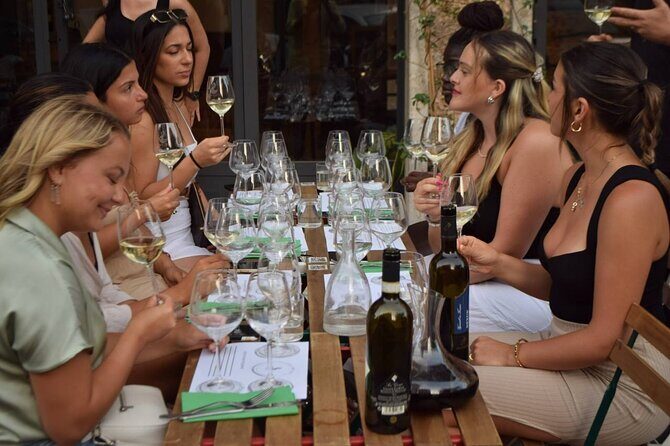
Let’s talk price honestly. At $63.05 per person, you’re paying for more than wine. You’re paying for guided tasting education plus homemade food pairings and private-group attention.
If you’ve done cheaper tastings before, you may remember being rushed, served a couple of pours, and left to figure out the rest. Here, the structure is different: you taste multiple samples, you’re taught how to evaluate, and the hosts bring in context like regions and production methods. That’s the difference between drinking and learning.
You’re also spending money on time. One hour is tight, but it’s efficient. It’s long enough to practice tasting and make comparisons, short enough to keep your evening flexible. If you value quality instruction and a food pairing, the price starts to make sense fast.
Another quiet value point: it’s mobile-ticket friendly and you get confirmation at booking. Less hassle means more mental energy for the tasting.
Who Should Book This Tasting (and Who Might Skip It)
This is a great fit if:
- You want to learn wine tasting skills, not just drink
- You care about Italian wine regions, production techniques, and traditions
- You want a private experience where you can ask questions
- You’d enjoy pairing wine with charcuterie or a vegetarian platter
You might skip it if:
- You only want a long dinner-style event and hate short time windows
- You’re looking for a massive tour that includes lots of sightseeing stops (this is focused on the tasting lesson)
Also, since service animals are allowed and most people can participate, it’s generally easy to plan around.
Should You Book Local Wine Tasting in Rome?
If you like the idea of turning wine into skills you can actually use again later, I’d book this. The standout value is the combination of private attention and hosts who guide you through tasting method, not just brand names. The homemade food pairings, plus the vegetarian option, make it feel like a real meal experience instead of a quick pour-and-go.
My practical recommendation: treat it like your “wine class” for the trip. Do it early enough that you can carry what you learn into buying wine later or ordering with more confidence at dinner.
FAQ
Where does the experience start?
The meeting point is Via dei Frassini, 42, 00172 Roma RM, Italy.
What time does it start?
The start time is 6:00 pm.
How long does the wine tasting last?
The duration is approximately 1 hour.
Is this a private experience?
Yes. It’s a private tour/activity, and only your group participates.
What’s included in the tasting?
You’ll taste several wine samples, and they are paired with homemade food.
Can I cancel for a full refund?
Free cancellation is available. You can cancel up to 24 hours in advance for a full refund.
Are service animals allowed?
Yes, service animals are allowed.
Is the meeting point near public transportation?
Yes, it’s near public transportation.