REVIEW · OSTIA ANTICA TOURS
From Rome to Ostia Antica
Book on Viator →Operated by Italy Rome Tour · Bookable on Viator
Ostia Antica feels like a shortcut to Rome’s past. This private tour gets you from central Rome to the preserved ruins fast, with pickup in your morning and an official guide at the site.
I love how Ostia was once Rome’s working seaport, then got stranded inland as the coastline changed, so the story lands in real geography. I also love the focus on everyday life—houses, kitchens or restaurant spaces, baths, shops—paired with the frescoes and mosaics that are still vivid after all these centuries.
The only catch is the outdoor setting: you’ll be walking around a large archaeological area, so plan for sun and water, especially if you’re going in summer.
In This Review
- Key things to know before you go
- Why Ostia Antica feels like a real city, not just ruins
- 8:30 am pickup: how this tour stays easy
- Your official guide’s 2–3 hours: what you’ll learn on the ground
- Entering Parco Archeologico di Ostia Antica with the right mindset
- Frescoes and mosaics: how to spot the best parts fast
- Baths, kitchens, and a sense of daily rhythm
- Making the most of a 4–5 hour window
- Price of $567.16 per person: value that depends on your priorities
- Who this tour is best for (and who should think twice)
- Should you book this Rome to Ostia Antica tour?
- FAQ
- How long is the Rome to Ostia Antica experience?
- What time does the tour start?
- Is pickup from Rome included?
- Are tickets included for Ostia Antica?
- How much guided time do I get at Ostia?
- Is lunch included?
- Can I cancel and get a refund?
Key things to know before you go
- Private pickup in Rome saves you from the headache of getting out there by public transport
- Official guided time (2–3 hours) helps you read the site instead of just wandering
- Admission is included, so you can spend your energy on the ruins, not ticket lines
- Ostia’s seaport story explains why it’s now about 3 km from the sea
- You can customize the pace since it’s only your group
Why Ostia Antica feels like a real city, not just ruins
Ostia Antica sits just outside Rome, close to the modern suburb of Ostia. The name is Latin for mouth, which matters because this was the mouth area of the River Tiber—Rome’s “gateway” to sea trade.
One of the coolest things about this site is the way its history explains its layout. Ostia used to be Rome’s harbor, but due to silting and a drop in sea level, the harbor area shifted over time. The result is that the ancient city now lies about 3 km from the sea, which gives you a built-in storyline for how a place can change without being erased.
What I like most is that Ostia still shows you a full working town: homes, shops, and public buildings. You’re not stuck with just one monument to admire. Instead, you start to see how daily life functioned—where people ate, bathed, shopped, and moved through civic spaces.
You can also read our reviews of more tours and experiences in Rome.



8:30 am pickup: how this tour stays easy
Public transportation to archaeology sites can be a puzzle. This tour cuts the stress by arranging round-trip transportation from the center of Rome with private logistics.
The morning start is 8:30 am, which is a smart choice for two reasons: you get to the ruins while the day is young, and you reduce the time you’ll spend in transit without a guide’s context. Since the tour is designed as a 4–5 hour experience, the schedule stays tight enough to feel efficient, but not so rushed that you’re sprinting.
You’ll also have a driver who speaks English, which helps if you want to ask quick questions on the way in. Even small travel commentary can make a difference—especially when you’re learning how a place like Ostia fits into Rome’s larger system.
Your official guide’s 2–3 hours: what you’ll learn on the ground
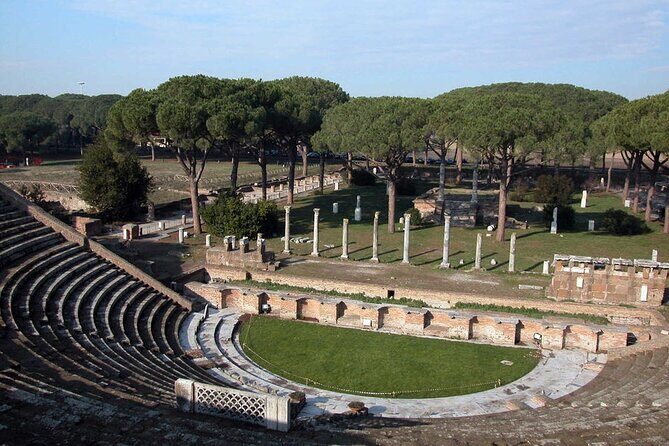
The heart of the experience is the guided visit at Parco Archeologico di Ostia Antica. You get an official tour guide for about 2–3 hours, and admission is included—so once you’re there, you can focus on understanding what you’re seeing.
This matters because Ostia can feel overwhelming if you show up with only a brochure. A good guide helps you connect the dots: Roman empire life, the city’s importance, and how the seaport economy shaped what got built. It also helps you spot what’s worth lingering over, like the best-preserved areas where you can actually make out details.
I’m especially drawn to tours that talk about how ordinary people lived. Ostia delivers that. During the guided time, you should expect attention to features tied to daily routines—spaces like kitchens or restaurant areas and public bath settings. Those kinds of stops turn the ruins from scenery into a place with habits and schedules.
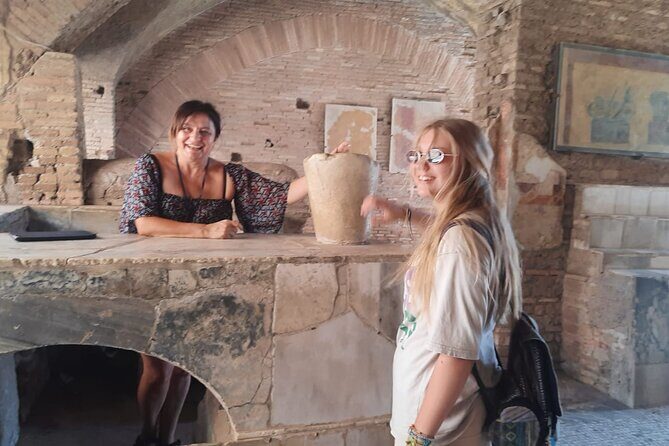
If you can, ask who will be leading your group. One guide named Nadia has been praised for being personable and strong at explaining what you’re looking at. Another driver name that comes up in the same context is Luca, and that matters if you prefer a smoother, more informed ride between Rome and the site.
Entering Parco Archeologico di Ostia Antica with the right mindset
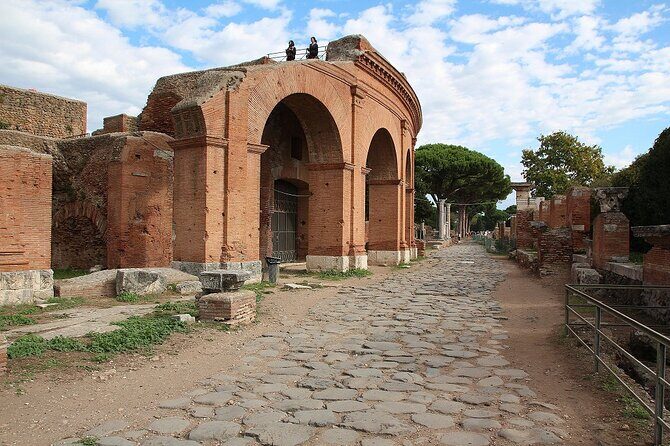
When you arrive at the archaeological area, try to picture the city’s original purpose. Ostia wasn’t an isolated vacation town. It functioned as Rome’s seaport and a key link for goods and people coming by river and then onward by sea.
That’s why the “mouth” detail isn’t just a fun translation. It’s a map clue to the logic of the place. You’re seeing a city that was built around river access, trade, and movement. Over time, the silting and sea-level changes shifted the harbor’s usefulness, and that’s part of why the site didn’t keep its former role.
The tour is paced to cover the highlights in a few hours, which is ideal if you want depth without losing your whole day. Ostia is large, but you’re not expected to see everything. Instead, you’re guided through the most meaningful stops, so you leave with a coherent story—not a jumble of photos.
Frescoes and mosaics: how to spot the best parts fast
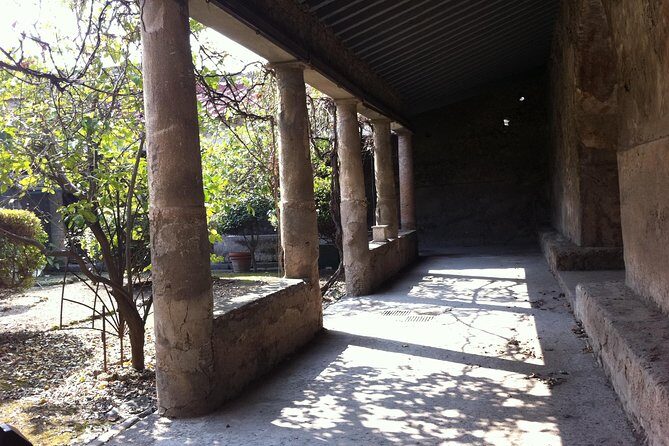
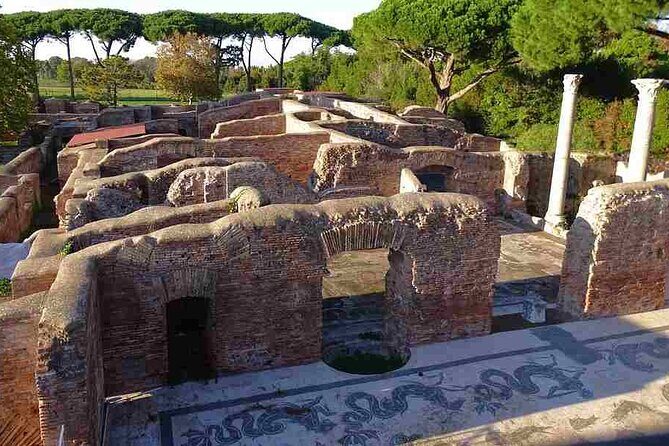
Ostia is famous for excellent preservation. That shows up in two big ways: frescoes and mosaics and the sense that rooms and public areas still hold their structure.
Here’s what helps you enjoy this faster: don’t rush past decorative work just because you think you’ve seen mosaics before. Spend a little extra time in the areas where floors and walls are still intact enough that you can make out patterns and scenes. When preservation is that good, you’re not only looking at art—you’re reading branding, status, and everyday taste from centuries ago.
The site also includes public buildings and spaces connected to daily life. That’s where the mosaics and frescoes stop being “pretty extras” and start feeling like part of how residents marked spaces for work, eating, bathing, and social life.
If you’re touring with a group, the private format helps. You can lean into what you personally care about most—more visual art, more daily-life spaces, or more context about Ostia’s rise and decline.



Baths, kitchens, and a sense of daily rhythm
A lot of ancient sites focus on temples and big state monuments. Ostia gives you something different: the feel of a city with routines.
During your guided time, you should expect time spent on spaces that reflect everyday behavior. Kitchens or restaurant-like areas let you imagine meals, staff, and commerce. Baths help you understand how public life and personal hygiene blended in Roman culture.
This is one of the most praised elements of the experience: it’s not just seeing a single standout structure. You get a more complete city impression, which is a big part of why Ostia can feel bigger than people expect.
If you like history but hate feeling lost, this is a great match. A good guide translates what’s in front of you into how people used the buildings.
Making the most of a 4–5 hour window
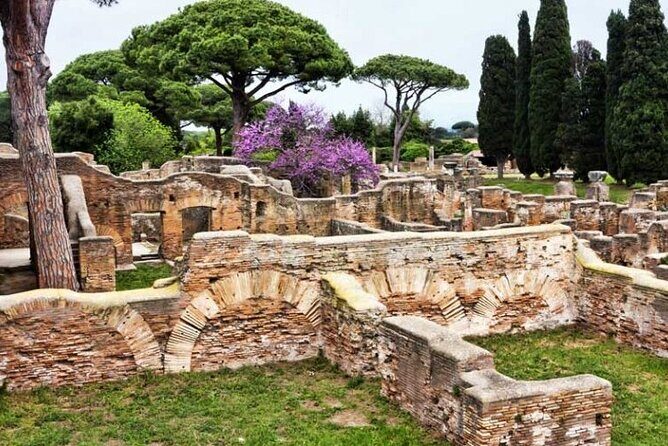
This tour is designed to fit into a half-day plan. It’s approximately 4 to 5 hours total, with about 2–3 hours of official guiding and the archaeological admission included.
That time box is actually your friend. Ostia is a place where you can easily over-plan and end up tired and underinformed. With this schedule, you’ll likely get a complete overview of the highlights rather than chasing every corner.
Because it’s private, you can also adjust how long you linger. If your group needs a breather, you can slow down. If you’re history-focused and energized, you can aim for more detail in the rooms and building types that interest you most.
One practical note: since this is outdoors and sun can be intense, bring water, and plan for heat with sun protection. A simple tip that has come up more than once is wearing a hat and using sunscreen in summer. You’ll enjoy the mosaics more when you’re not dehydrated.
Price of $567.16 per person: value that depends on your priorities
At $567.16 per person, this is not a budget day trip. So you need to be honest about what you’re buying.
Here’s what you are getting: round-trip private transportation from Rome, an English-speaking driver, an official guide for roughly 2–3 hours, and Ostia scavi tickets included. There’s also the convenience of a mobile ticket.
What that means in real terms is reduced friction. You’re not spending time figuring out which connections work, what schedules match your energy, or how to manage timing with ticket entry. If your goal is a smooth morning and a guided walkthrough that helps you understand what you’re seeing, the price can start to make sense.
Where the value improves is when the tour fits your group style. If you’re traveling together and can benefit from group discounts, you’ll feel the cost more comfortably. If you’re solo, you may decide the price is worth it mainly for the “no hassle” factor and the guided interpretation of a big site.
Also, lunch isn’t included. That’s not a deal-breaker, but it’s a cost you should plan for. If you’re trying to keep a strict daily budget, add the meal to your calculations.
Who this tour is best for (and who should think twice)
This private Rome to Ostia Antica tour works best if you:
- Want a guided visit that explains how Ostia functioned during the Roman empire
- Don’t want to wrestle with public transport logistics for a tricky day trip
- Enjoy everyday-life history, like kitchens or restaurant spaces and baths, not only grand monuments
- Like the idea of a private pace, where your group can focus on what interests you
It might be less satisfying if you:
- Only care about photos and don’t want to pay for guided context
- Are comfortable planning transport and timing yourself and walking through the site without a guide’s interpretation
- Are trying to pack this into a schedule where lunch is hard to manage, since lunch isn’t included
Should you book this Rome to Ostia Antica tour?
If you want Ostia Antica to feel like a complete city with a clear story, this tour is a strong choice. The combination of pickup, an official guide for most of the time on-site, and included admission means you spend the day seeing and understanding instead of figuring things out.
I’d especially recommend it if you’ve got limited time in Rome and you want a morning escape that’s efficient and well structured. With the heat tip in mind—water, hat, sunscreen in summer—you’ll be positioned to enjoy the details instead of just surviving the sun.
If you’re the kind of traveler who likes to take your time with mosaics and the architecture of daily life, the private format helps you do that without feeling rushed. Book it when guided learning and easy transport are priorities for your trip plan.
FAQ
How long is the Rome to Ostia Antica experience?
It’s about 4 to 5 hours total.
What time does the tour start?
The start time is 8:30 am.
Is pickup from Rome included?
Yes, pickup is offered, along with round-trip transportation from the center of Rome.
Are tickets included for Ostia Antica?
Yes. Ostia scavi tickets are included, and you’ll have a mobile ticket.
How much guided time do I get at Ostia?
You’ll have an official tour guide for about 2 to 3 hours at Ostia Antica.
Is lunch included?
No, lunch is not included.
Can I cancel and get a refund?
No. This experience is non-refundable and cannot be changed for any reason.