REVIEW · ROME
Rome: Doria Pamphilj Gallery Private Tour
Book on GetYourGuide →Operated by Rome Guides · Bookable on GetYourGuide
Great art in a real private palace.
This Rome private tour gives you a focused, guided look at the Doria-Pamphilj Gallery’s collection, walking you through major works tied to Caravaggio, Titian, Velazquez, and Raphael. I loved the way you study paintings in chronological order across the palace wings, and I especially liked the chance to see Velazquez’s Portrait of the Pope Innocenzo X up close.
One consideration: this tour isn’t recommended for limited mobility, and wheelchair access isn’t supported. Also, plan to travel light since no luggage or large bags are allowed inside.
In This Review
- Key things you’ll like right away
- Where This Private Doria-Pamphilj Tour Really Shines
- Getting In: Meeting Point, Tickets, and First Impressions
- Inside the Palazzo Doria Pamphilj: A Gallery Built for Wandering
- The Chronological Route: Why “Order” Makes the Art Click
- Titian’s Salome with the Head of John the Baptist: Drama You Can Read
- Caravaggio’s Early Works: Intensity Without the Noise
- Velazquez’s Portrait of the Pope Innocenzo X: The Face That Hits Back
- Raphael, Tintoretto, Bernini, and the Wider Cast
- The Mirrors Gallery Photo Moment: Fun, But With Style
- How Much Time Do You Really Need in a 2-Hour Tour?
- Value for Money: Is $135.94 Worth It?
- Who This Tour Fits Best (And Who Might Skip It)
- Booking Tips That Actually Help
- Should You Book This Tour?
- FAQ
- How long is the Rome Doria Pamphilj Gallery private tour?
- What does the tour cost?
- Is this tour private or shared with others?
- Which languages are available?
- Are entry tickets included?
- Where do I meet my guide?
- Is hotel pickup included?
- What are the main artworks I can expect to see?
- Can I take luggage into the gallery?
- Is the tour suitable for wheelchair users?
Key things you’ll like right away
- Chronological viewing helps you track how styles and ideas changed across centuries
- Caravaggio early works like Rest on Flight to Egypt and Penitent Magdalen get real context
- Titian and Velazquez highlights include Salome with the Head of John the Baptist and Innocenzo X
- A local guide brings the stories of the artists and the palace collection to life
- Gallery of the Mirrors gives you a memorable photo moment
Where This Private Doria-Pamphilj Tour Really Shines
If you care about how paintings are built and why they mattered, this is a smart way to see Rome’s art. The Doria-Pamphilj Gallery sits inside the Palazzo Doria Pamphilj, and the collection is spread across four wings, so you’re not stuck staring at one room and hoping for the best.
What makes the experience feel special is the pacing and structure. You don’t just look and move on. You’ll follow a guided path that lays out works in chronological order, so you can actually see artistic changes over time. That’s a big deal with Renaissance and Baroque art, where style shifts can be subtle unless someone points them out clearly.
And you’ll get the best kind of guide experience: a local who talks through what you’re seeing. In one of the most enthusiastic reviews I read, the guide Vincenzo was singled out for telling stories in a vivid, enjoyable way. That matches the spirit of this tour: you’re meant to understand the works, not just collect photos.
You can also read our reviews of more tours and experiences in Rome.



Getting In: Meeting Point, Tickets, and First Impressions
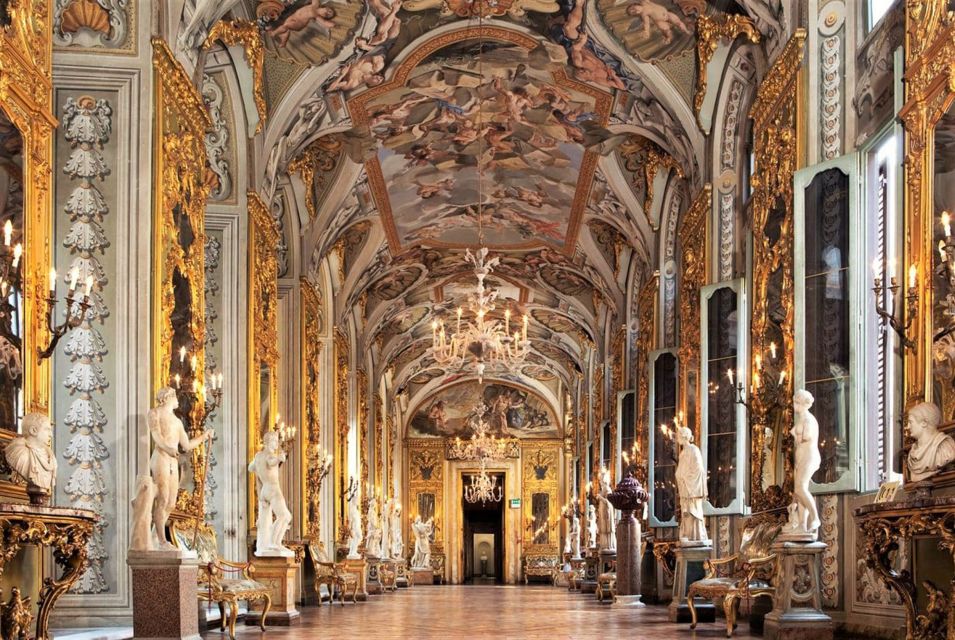
Plan to arrive about 15 minutes early. Your guide will hold a sign with the tour name, and they’ll give you your entry tickets. It’s not a hotel pickup tour, so you’ll want to get yourself to the meeting point on time and then focus on the art once you’re there.
The tour also runs for 2 hours, so it has a good rhythm: enough time to cover major artists and key works without turning into a marathon. If you tend to read every label in a museum, this is still doable because your guide is steering the attention toward the most important pieces.
One practical note: since luggage or large bags aren’t allowed, travel with a small bag only. That keeps the experience smooth and helps you avoid stress while entering.
Inside the Palazzo Doria Pamphilj: A Gallery Built for Wandering
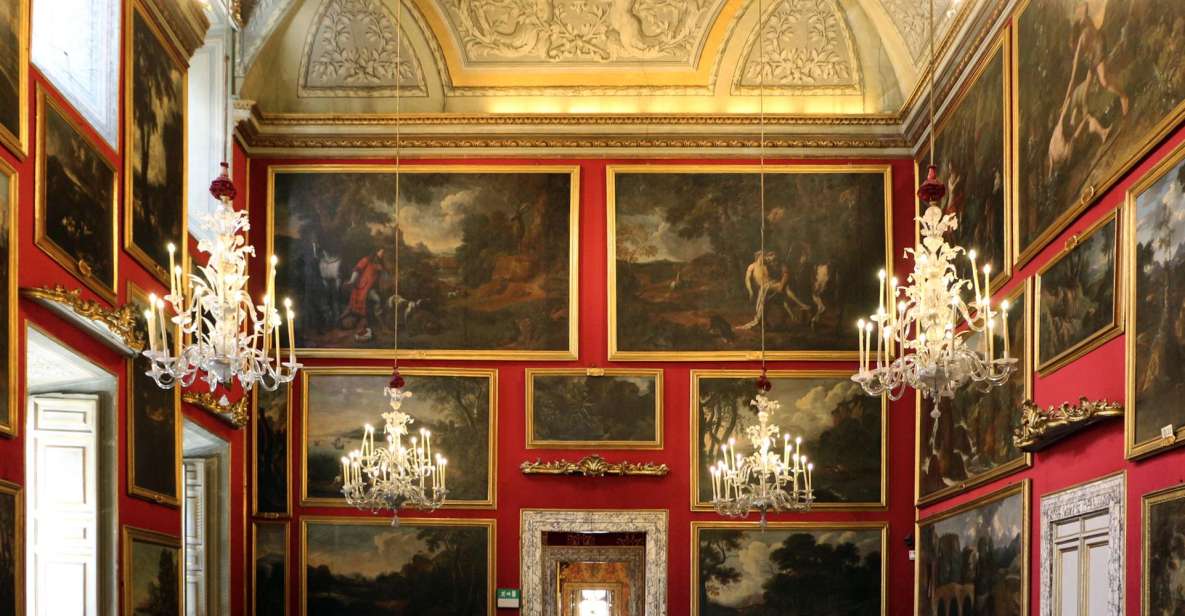
The Doria Pamphilj Gallery isn’t presented like a single, modern “must-see” route. It’s housed in a noble palace, and the collection spreads through four wings. That matters because the space influences how you experience the paintings—rooms have different moods, lighting feels different, and the way you move changes what you notice.
When your guide takes you through the wings, you’ll see works arranged from floor to ceiling and presented in a chronological sequence. The result is that you start thinking like the collection’s owner(s) might have: not just, which artists are famous, but how the collection tells a story through time.
This is also where a private guide pays off. In a larger group, you often spend time waiting, or you miss explanations while trying to keep up. Here, you have a tighter, calmer flow.
The Chronological Route: Why “Order” Makes the Art Click
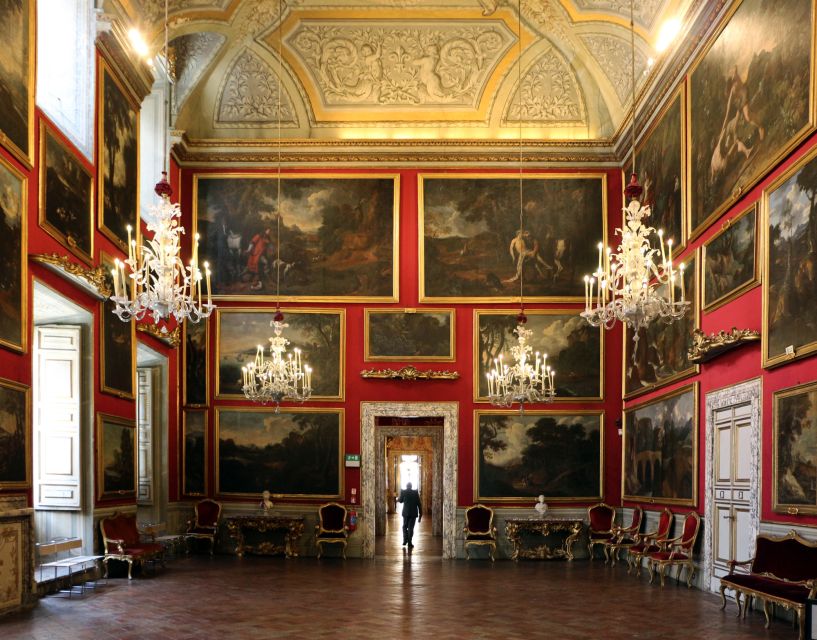
You might think chronology means you’ll get a timeline lecture. Instead, it usually works better than that. As you move through the palace rooms, the guide helps you notice how Renaissance composition and realism evolve into later Baroque drama and emotional intensity.
Chronological order is especially helpful for the big-name artists on this tour. You’re not just being handed famous titles; you’re seeing how ideas shift from one period to another. And when you’re comparing painters like Titian, Raphael, Caravaggio, and Velazquez in sequence, you can pick up patterns faster.
If you’re the type who likes art but gets lost in museum noise, this structure is a relief. You’ll spend your energy looking at the paintings, not guessing what matters most.
Titian’s Salome with the Head of John the Baptist: Drama You Can Read
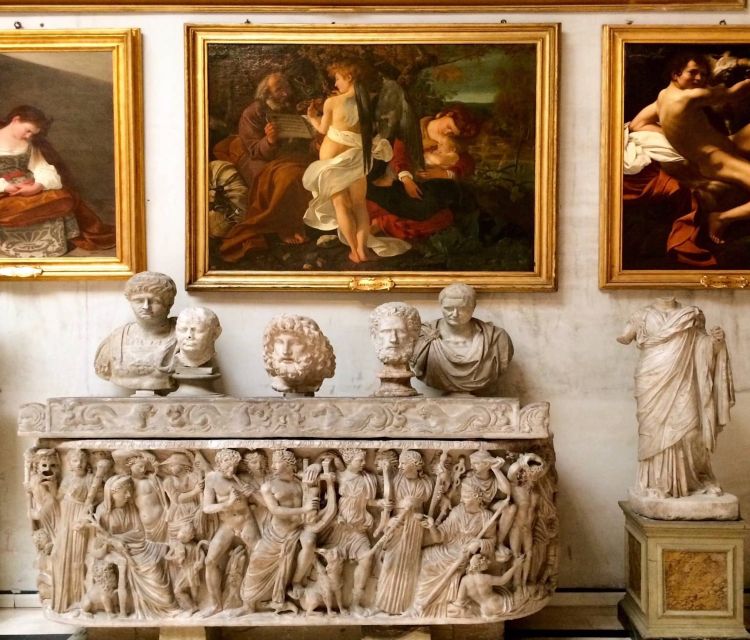
Titian’s Salome with the Head of John the Baptist is one of the central works included on this tour. It’s the kind of painting that rewards careful looking because it packs story, emotion, and composition into a single frame.
With a guide, you don’t just see a subject—you start reading the picture. You’ll likely get help focusing on how the scene is staged and how Titian’s approach to color and form carries the mood of the moment.
This is also a great “anchor” work because it sets the tone for what comes later. You can feel how art in this era moves toward stronger contrast, higher emotional stakes, and a clearer sense of theatrical narrative.



Caravaggio’s Early Works: Intensity Without the Noise
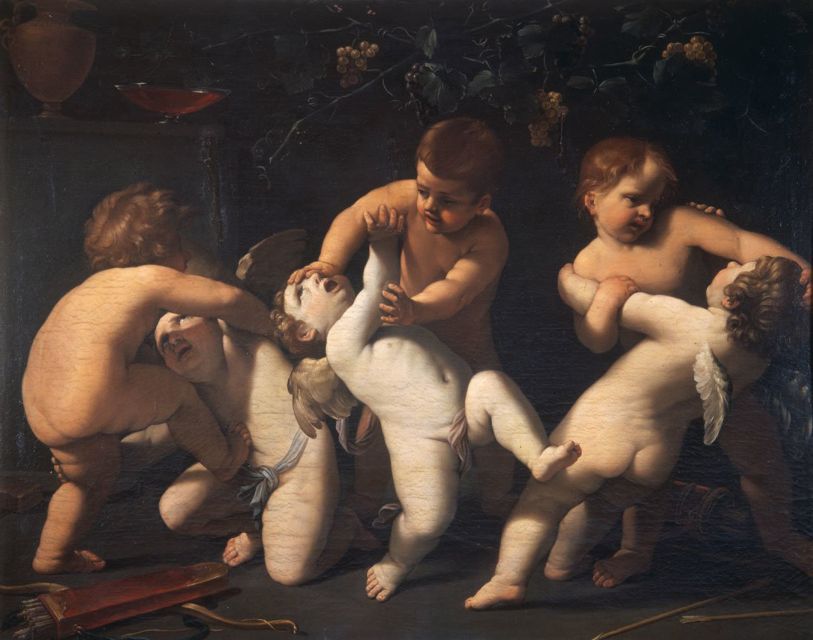
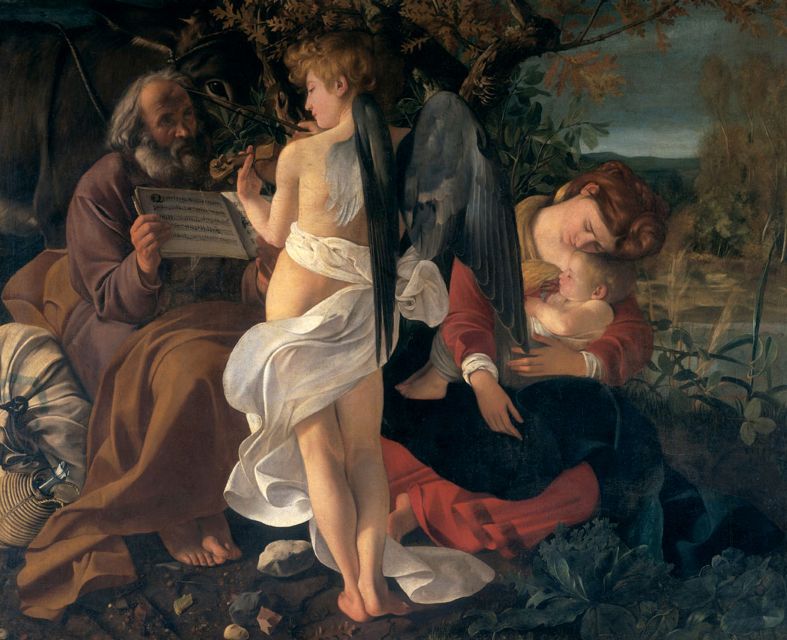
Caravaggio is often associated with dramatic lighting and tough emotion, but on this tour you get something more interesting: two early Caravaggio works—Rest on Flight to Egypt and Penitent Magdalen.
Seeing these pieces as part of a guided, chronological walk helps you understand them in context. Early Caravaggio doesn’t arrive out of nowhere; it grows out of earlier artistic traditions and then starts pointing toward his later impact. When your guide frames the “before” and the “on the way,” the paintings feel less like a random hit list and more like a turning point.
The best way to enjoy Caravaggio is to slow down. Let your eyes rest on faces, hands, and the tension in posture. A good guide will nudge you there, and you’ll come away feeling like you actually “decoded” a scene rather than just admired it.
Velazquez’s Portrait of the Pope Innocenzo X: The Face That Hits Back
If you want one painting that can dominate a room, you’ll want to focus hard on Velazquez’s Portrait of the Pope Innocenzo X. This tour specifically calls it out, and for good reason.
Portraits like this work because you can sense the psychology. You’re looking at authority, but also at the human layer behind it. With guidance, you can pay attention to how the painter builds presence—through expression, stillness, and the way figure and gaze interact.
This is a standout stop because it’s not just about fame. You’ll leave with a stronger sense of how portraiture served power and image-making in its time.
Raphael, Tintoretto, Bernini, and the Wider Cast
Beyond the headline names, this tour also includes other major figures. You should expect to see works connected to Raphael, Tintoretto, Bernini, and additional painters, including Flemish masters.
What I like about this mix is that it prevents “one-artist thinking.” Even if you’re mainly chasing Caravaggio or Titian, the surrounding artists add contrast. Raphael helps with balance and clarity, Tintoretto can bring movement and theatrical pacing, and Bernini adds a different angle on how drama and realism travel across media.
In a private tour, you can ask yourself a better question: not only which artist is famous, but how the gallery’s selection shows a network of tastes. That makes the collection feel intentional.
The Mirrors Gallery Photo Moment: Fun, But With Style
At some point, you’ll have a chance to enjoy the Gallery of the Mirrors and take a photo. This isn’t just an Instagram detour. Mirror galleries in palaces are all about light, reflection, and spectacle, and it changes how you experience the space.
Even if you skip extra photos, it’s worth taking a moment to step into that effect. It breaks the “painting-only” rhythm and gives you a visual memory of the palace setting itself.
How Much Time Do You Really Need in a 2-Hour Tour?
A private tour that lasts 2 hours is a smart compromise. You get a guided path through major rooms and key works, but you don’t feel trapped like you do on super-long museum days.
That said, you’ll still need to be comfortable with pace. This is not the kind of tour where you can wander off and linger for ten minutes per painting. You’re going to a curated focus, and your guide will keep momentum.
If you’re someone who loves stopping for long, detailed looking, you can still do it—but you’ll want to choose a few “linger paintings” in your head (for me, it would be the Caravaggio pair and Innocenzo X).
Value for Money: Is $135.94 Worth It?
At $135.94 per person for a private 2-hour guided experience, this is priced like a quality art-focused tour. The real question isn’t only cost. It’s what you get for that time.
You’re getting:
- Entry tickets included
- A private local guide
- A structured walkthrough across multiple wings with major artists
- A focus on specific works (not random art browsing)
Compared to paying separately for audio tours and then spending extra time trying to understand what you’re looking at, this private format saves you mental energy. You also get a guided explanation tailored to the works in front of you, which is hard to replicate with self-guided museum browsing.
If you’re traveling with just a couple of people and you like art enough to want context, the price often feels fair. If you’re mainly in Rome for sightseeing hits and you’re not particularly into art details, you might prefer a broader, less targeted museum tour.
Who This Tour Fits Best (And Who Might Skip It)
This is a great match for art lovers who want clear explanations and don’t want to guess. It’s especially good if you’re interested in Renaissance and Baroque connections and you like the idea of seeing famous artists inside an old palazzo setting.
You’ll likely enjoy it if:
- You want a private guide rather than a big group experience
- You’re curious about specific artists and major paintings
- You want a structured way to see the collection across multiple wings
It’s less ideal if:
- You have mobility limitations (it’s not recommended, and wheelchair use isn’t supported)
- You need large bags or luggage (not allowed)
- You prefer slow, self-directed wandering above all
Booking Tips That Actually Help
Do this tour when you want art to be the center of the day. Pick a time when you’re not rushed and you can focus for the full 2 hours.
Also, go in with one mental goal: choose two or three paintings you want to “connect with” rather than trying to treat every work the same. A guided tour works best when you let the guide lead your attention.
Finally, remember it’s a live guide experience with English and Italian options. If you’re choosing based on language comfort, pick what makes you able to follow explanations without effort.
Should You Book This Tour?
Yes, if you want a private, art-centered Rome experience that gives you context—not just a checklist. The combination of major names (Caravaggio, Titian, Velazquez, Raphael), the chronological approach across the palace, and the standout Portrait of the Pope Innocenzo X make this a tour with clear payoff.
Skip it if you need wheelchair-friendly access or if you’re traveling with lots of luggage. If you’re comfortable with a guided pace and you’re genuinely curious about how these artists and styles connect, this is a strong value way to see the Doria Pamphilj collection.
FAQ
How long is the Rome Doria Pamphilj Gallery private tour?
The tour lasts 2 hours.
What does the tour cost?
The price is $135.94 per person.
Is this tour private or shared with others?
It’s a private group tour.
Which languages are available?
The live guide offers English and Italian.
Are entry tickets included?
Yes. Entry tickets are included, and your guide provides them at the start.
Where do I meet my guide?
Arrive 15 minutes before the activity starts. Your guide will hold a sign with the tour name.
Is hotel pickup included?
No. Hotel pickup and drop-off are not included.
What are the main artworks I can expect to see?
You can expect works by artists including Raphael, Titian, Caravaggio, Velazquez, and others, with specific highlights such as Titian’s Salome with the Head of John the Baptist, Caravaggio’s Rest on Flight to Egypt and Penitent Magdalen, and Velazquez’s Portrait of the Pope Innocenzo X.
Can I take luggage into the gallery?
No. Luggage or large bags are not allowed.
Is the tour suitable for wheelchair users?
No. It’s not suitable for wheelchair users, and it’s not recommended for people with limited mobility.