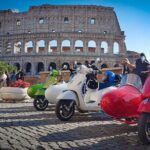
REVIEW · SCOOTER RENTALS
For Females Travelers: Authentic Roman moped tour
Book on GetYourGuide →Bookable on GetYourGuide
Rome is easier to read when you’re moving. This authentic moped tour gives you a local-led way to hit major sights in about 2 hours, starting at Piazza del Popolo and rolling through classic neighborhoods and viewpoints you’d miss on foot. I especially like the scooter perspective for photos and the mid-tour coffee pause at Sant’Eustachio, which keeps the pace human. One consideration: this tour is not for everyone if you’re uncomfortable with scooter riding or prefer slow, quiet sightseeing.
The experience is built around stops that actually help you understand the city, not just tick off landmarks. You’ll get brief photo stops plus short visits (so you’re not stuck in one spot forever), and a guide who can talk culture while you ride. In the best-case scenario, your guide brings it to life in a personal way; I’ve heard a guide named Giorgia was entertaining, informative, and felt like hanging out with a friend. If you want a very slow pace or lots of museum time, you’ll probably find the site windows tight.
In This Review
- Key highlights to look for
- Piazza del Popolo: your best launch point in Rome
- Sant’Eustachio coffee break: why it’s more than a caffeine stop
- Piazza Navona to the Pantheon: photos on the way to meaning
- Sant’Ignazio di Loyola and the in-between streets that tell the real story
- The Colosseum and Arch of Constantine: fast access, big payoff
- Vatican City and Castel Sant’Angelo: ending with two massive perspectives
- How the scooter ride works (and what to wear)
- Price and value: what $106 really buys you
- Who should book this moped tour, and who should skip it
- Should you book the Authentic Roman Moped Tour?
- FAQ
- How long is the moped tour?
- Where is the meeting point?
- Is a helmet included?
- What’s included in the price?
- Are entrance fees included?
- What sites are included on the route?
- What languages is the guide?
Key highlights to look for
- Piazza del Popolo start makes the whole route feel instantly connected
- Sant’Eustachio coffee stop breaks up the ride in the middle
- Ten+ major sights including the Pantheon and Colosseum, with time for photos
- Guide support for photos/video so you don’t miss the shot
- Less walking, more seeing for women who want a social, guided day without overdoing it
Piazza del Popolo: your best launch point in Rome
You meet outside Bar Rosati at Piazza del Popolo, and that matters. This square sits where multiple “Rome vibes” overlap: grand architecture, big sightlines, and an easy sense of direction for your route. Even before you start sightseeing, you’re positioned to orient yourself in Rome fast.
From here, the moped takes over. Instead of grinding through the city block by block, you move like locals do in everyday life: quick hops, short stretches, and constant glimpses of streets you’d never notice if you were walking with your nose in a map. For solo women, this also adds an element of comfort—your guide is right there, and you’re not navigating everything alone.
Quick practical note: the tour provides a helmet, but you still need to wear comfortable, secure shoes and pants or shorts that feel stable while seated.
You can also read our reviews of more tours and experiences in Rome
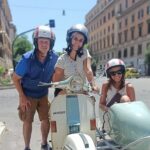

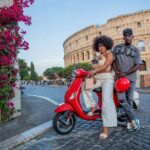
Sant’Eustachio coffee break: why it’s more than a caffeine stop
At the middle point of your tour, you’ll pause for coffee at Sant’Eustachio (about 10 minutes). This is one of those small choices that upgrades the whole experience. Sitting down for a quick espresso break does three useful things:
First, it refreshes you before the final run of “wow” stops. Second, it gives you a chance to steady your body after the ride and reset your camera. Third, it’s a cultural moment. Coffee in Rome is part of daily rhythm, not just a treat, and having it on a guided route helps you connect the city’s pace to your own.
The fact that it happens during the tour is smart. You don’t lose your momentum to an early lunch plan or end up skipping a break just to “make time.” It’s short, yes, but it’s exactly timed.
Piazza Navona to the Pantheon: photos on the way to meaning
You’ll ride to Piazza Navona next (about 20 minutes in the scooter portion). Even if you’ve seen Navona in photos, it hits differently when you arrive as part of a route. You notice the edges of the piazza, the flow of people, and the way the square frames street life.
Then you go to the Pantheon for a photo stop and a visit (about 20 minutes). The Pantheon is one of those sights where timing and approach matter. If you were walking from far away, you’d likely arrive tired or rushed. Here, you arrive with the right kind of energy: enough time to step in, look up, and then head back out without feeling like you missed the window.
The trade-off is also clear. You only get a short window inside. So if you want long, slow photo sessions, plan to treat the tour visit as your first look. Think of it as “get oriented and feel the scale,” then you can return later for a deeper visit.
Sant’Ignazio di Loyola and the in-between streets that tell the real story
After the Pantheon, you’ll stop at the Church of Sant’Ignazio di Loyola for photo stop and visit (around 10 minutes). This is a great inclusion because it’s not always the top headline for first-time Rome lists. But it fits the tour’s style: quick, meaningful stops that show you Rome’s personality beyond the biggest poster sites.
This church stop also helps you understand why your route is doing what it’s doing. Rome isn’t just one monument after another. It’s a city of layers—big landmarks, then smaller spaces that explain the city’s taste in art, design, and faith.
You’ll also spend time riding through key stretches between major stops (including a short scooter ride segment). The point isn’t only movement; it’s the chance to see the city’s geography. You start to connect areas like Piazza Venezia / Vittoriano and the surrounding layers around the Imperial Forums through the way you’re carried from one viewpoint to the next. There’s even a brief photo moment built into the schedule that helps you catch the Forum area at the right time, without turning it into a half-day detour.
The Colosseum and Arch of Constantine: fast access, big payoff
The Colosseum stop is a photo stop and visit (about 15 minutes). Yes, that’s short. But it’s the kind of short that works if your goal is seeing it for real without spending hours trying to beat crowds or losing the day to transit and waiting.
Because you’re arriving by scooter, your time feels “clean.” You’re not wasting energy walking long distances just to reach the viewpoint. You can get right to what matters: the scale, the setting, and the sense of drama in the space.
Right after (with additional quick photo timing), you’ll also reach the Arch of Constantine for a photo stop (around 5 minutes). This is a smart pairing because it adds context. The Colosseum is the headline. The arch is the connective tissue. You get the feeling of an ancient Rome layout that still influences how people move through the area today.
The only drawback here: if you love reading details on-site or want to spend extra time photographing from multiple angles, you may wish you had more than 15 minutes. Use this stop as your “get your bearings” session. You’ll understand what to look for when you return later.




Vatican City and Castel Sant’Angelo: ending with two massive perspectives
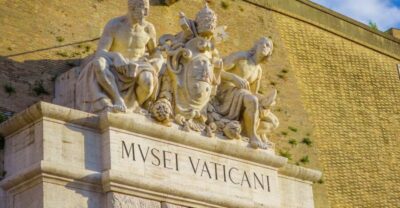
As you ride into the final stretch, you’ll reach the Vatican City area for a photo stop and visit (about 20 minutes). The tour is designed so you don’t just see the outside. You also get a chance to experience the space long enough to understand why it’s such a magnet for the world.
From the route, you can connect the Vatican area with other landmarks you’ve already seen. You start thinking about Rome as a set of linked power centers and sightlines, not as a disconnected set of points on a map. That’s where the moped route really earns its keep.
Then you’ll handle Castel Sant’Angelo with a scooter ride segment (about 20 minutes). Castel Sant’Angelo is one of those places where photos don’t always do justice until you see the area from the perspective of motion—how it frames river views and how the city funnels people toward it.
Your tour closes back at Piazza del Popolo. That loop helps you feel like you covered a coherent part of Rome rather than zigzagging randomly.
How the scooter ride works (and what to wear)
This is a guided moped tour, so your comfort matters almost as much as your sights. The tour gives you a helmet, but you should still show up ready for sitting and moving.
What helps most:
- Comfortable, secure shoes (you’ll be stepping on and off frequently at stops)
- Pants or shorts that won’t ride up or shift while seated
- A plan for photos: you’ll take pictures at each location, and the guide can help with capturing footage. That’s a real benefit if you don’t want to juggle your camera while also managing the scooter logistics.
If you’re prone to motion discomfort, consider that there are multiple scooter segments throughout. The total ride time is split across the route, and the sightseeing stops are short enough that you keep moving often. It’s not a slow, walking-heavy tour—so match it to your energy level.
The total time runs around 2 hours, though you should expect closer to 2.5 hours in practice. That extra time is normal for photo stops, short visits, and the coffee pause.
Price and value: what $106 really buys you
At $106 per person for roughly two hours, this isn’t a bargain tour—it’s more like paying for a shortcut through Rome with a local pilot and built-in moments that reduce hassle.
Here’s where the value comes from:
- Local guide + route logic: the tour doesn’t just transport you; it explains what you’re looking at and helps you connect locations.
- Multiple major sights in one shot: you cover ten important places without spending your whole day walking between them.
- Coffee included: the Sant’Eustachio stop is a real add-on, not just a random stand-in.
- Photo support: the guide helps you capture footage, which is time you’d otherwise spend fumbling with your phone on the scooter stops.
The biggest “value trade” is also clear: entrances are not included, and most site visits are short. You’re paying for access, guidance, and the moped perspective—not for deep, hours-long entry experiences.
If you’re the type who wants to hit top sights quickly and get a local explanation while reducing walking, this price starts to make sense. If you want long museum time and paid entry attractions, you’ll likely need extra spending on top.
Who should book this moped tour, and who should skip it
This tour is a great match if you’re:
- A solo woman who wants local conversation and an easier way to cover big sights
- Someone who likes photos and viewpoints but doesn’t want your day eaten by transit and walking
- You prefer short visits plus context, then you return later for a slower follow-up
It’s also been described as safe and fun, with guides who bring energy and personalization. One highlight I took seriously from the experience details I’ve heard: a guide named Giorgia was praised for feeling like a friend while still covering the basics of Rome.
Skip this tour if:
- You’re pregnant
- You use a wheelchair
- You’re traveling with children under 18
- You weigh over 209 lbs (95 kg)
Also be honest with yourself about scooter comfort. This is not a walking tour with optional sightseeing. You’re seated, moving, and switching locations by scooter, and you should feel good doing that.
Should you book the Authentic Roman Moped Tour?
I’d book it if your Rome goal is: see major landmarks fast, learn the story in real time, and enjoy a guided day that feels social rather than stressful. The moped format makes the sightseeing feel efficient without turning it into a rushed checklist, especially with coffee at Sant’Eustachio and short but purposeful stops at places like the Pantheon and Colosseum.
Don’t book it if you need lots of time inside attractions or you want a slow, feet-on-stone kind of experience. The windows are brief, and entrances aren’t included—so plan to use this tour as your orientation day, then build a second day around the places that pull you in.
FAQ
How long is the moped tour?
The tour is listed at about 2 hours, but you should expect it to run around 2.5 hours in practice.
Where is the meeting point?
You meet outside Bar Rosati at Piazza del Popolo, 5.
Is a helmet included?
Yes. A helmet is provided.
What’s included in the price?
The tour includes a helmet, a coffee stop at Sant’Eustachio, and photo stops at the locations.
Are entrance fees included?
No. Entrance fees to attractions are not included.
What sites are included on the route?
You’ll stop at major places including Piazza del Popolo, the Pantheon, Piazza Navona, the Colosseum, the Arch of Constantine, Castel Sant’Angelo, and areas in/around the Vatican City and Saint Peter’s Square, plus the Imperial Forums and Vittoriano/Piazza Venezia.
What languages is the guide?
The live guide speaks Italian and English.
If you want, tell me your travel dates and whether you’ll do any other big-ticket tickets (like timed museum entries). I can suggest a simple 2-day plan around this so you’re not duplicating or missing the most important things.