REVIEW · HISTORICAL TOURS
Exploring Rome’s Rich Heritage: Pantheon and Jewish Ghetto
Book on GetYourGuide →Operated by CheckandGo Tours · Bookable on GetYourGuide
Rome’s story is right in front of you. This tour links two huge landmarks—the Pantheon and the Jewish Ghetto—so you move through centuries of Roman art, religion, and power without feeling like you’re hopping randomly. I like that it starts with a proper, guided look inside one of the best-preserved ancient monuments, and I also like the way the route turns from classical Rome to the streets of the Jewish community.
One thing to keep in mind: the group walks between several outdoor stops, and the Pantheon has strict dress rules (no shorts, no short skirts, no sleeveless tops), so plan clothes before you go.
In This Review
- Key things to know before you go
- Why Pair the Pantheon with the Jewish Ghetto
- Meeting at Piazza della Rotonda 2: Getting Oriented Fast
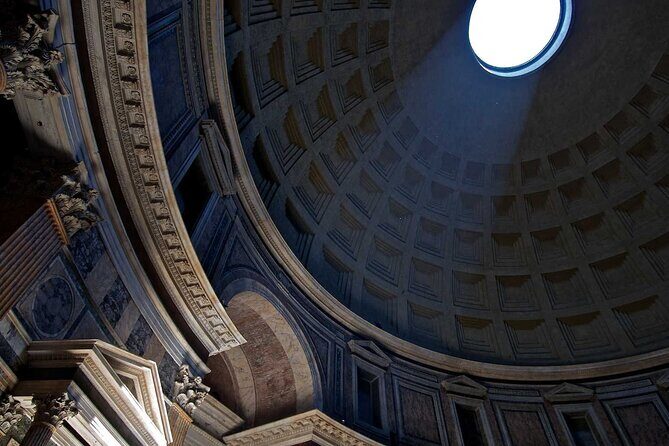
- Entering the Pantheon: Dome Engineering Meets Everyday Light
- Piazza della Minerva: Bernini’s Elephant and a Quick Reality Check
- Largo di Torre Argentina: Julius Caesar’s Assassination Site
- Piazza Mattei and Via del Portico d’Ottavia: Walking the Jewish Ghetto
- How the Tour Works: Headsets, Group Pace, and Dress Rules
- Value for the Price: What $42.59 Gets You in Real Time
- Who This Tour Fits Best (and Who Might Want a Plan B)
- Should You Book This Pantheon + Ghetto Tour?
- FAQ
- How long is the Pantheon and Jewish Ghetto guided tour?
- Where does the tour start?
- Does the tour include skip-the-line entry to the Pantheon?
- What languages is the live guide available in?
- What is included in the price?
- What is not included?
- What should I bring with me?
- Are there clothing requirements for the Pantheon?
- Is the tour refundable if my plans change?
Key things to know before you go
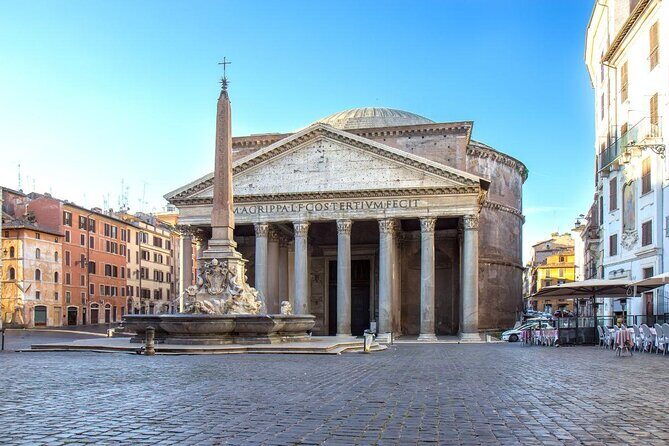
- Pantheon skip-the-line using a separate entrance, plus headsets so you can hear clearly.
- Two guided experiences in one: Pantheon + Jewish Ghetto, both with a live guide.
- Bernini’s Elephant and Obelisk stop at Piazza della Minerva.
- Largo di Torre Argentina includes the archaeological area tied to Julius Caesar’s assassination.
- Portico of Ottavia is the tour’s cultural finale at the edge of the ghetto area.
Why Pair the Pantheon with the Jewish Ghetto
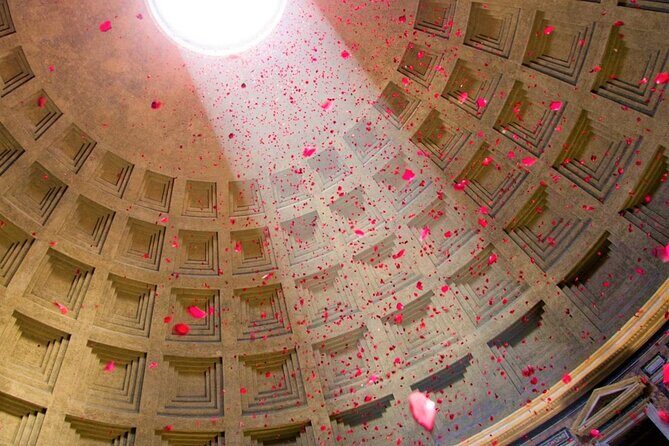
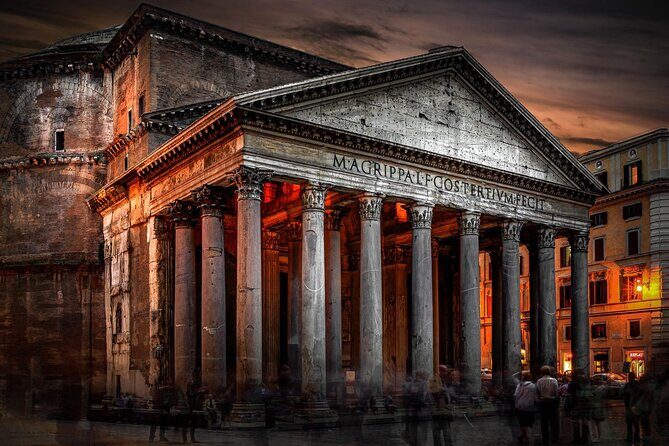
This is the kind of tour that makes Rome feel connected instead of chopped into stand-alone sights. The Pantheon is all about Roman engineering and the way power shaped belief—massive dome, that open oculus, and a building that began as a temple for all gods. Then, walking onward into the Jewish Ghetto area, you see how later centuries layered culture, identity, and politics into the same city grid.
The value for you is not just seeing two famous places. It’s understanding how they talk to each other. A single hour in the Pantheon is impressive, but a tour that also walks you through the ghetto streets helps you notice Rome as a living archive. You don’t just collect photos—you pick up real context about art, religion, and government.
Also, you get a strong “guided clarity” factor. Instead of wandering and guessing, your guide connects symbols and locations. In one past run, the guide Maria impressed people by explaining Pantheon history and curiosities in a simple but complete way, then making the walk through the ghetto feel purposeful rather than like a detour.
You can also read our reviews of more historical tours in Rome



Meeting at Piazza della Rotonda 2: Getting Oriented Fast
The tour meets at Piazza della Rotonda, 2, which puts you right where you want to be—near the Pantheon’s front area and easy to reach on foot from central sights. The activity ends back at the meeting point, so you’re not left stranded across town after the last stop.
Timing matters on this route. You’re looking at about 2 hours total, with guided time inside the Pantheon and guided stops at key squares and street areas. Because the schedule is tight, you’ll want to arrive a few minutes early so you can start smoothly instead of losing time at the start.
One practical plus: the tour includes headsets. That’s a big deal in crowded areas. Rome can get loud, and without headsets you end up straining to hear small details. With them, your guide’s story stays accessible, especially when you’re moving between stops.
Entering the Pantheon: Dome Engineering Meets Everyday Light
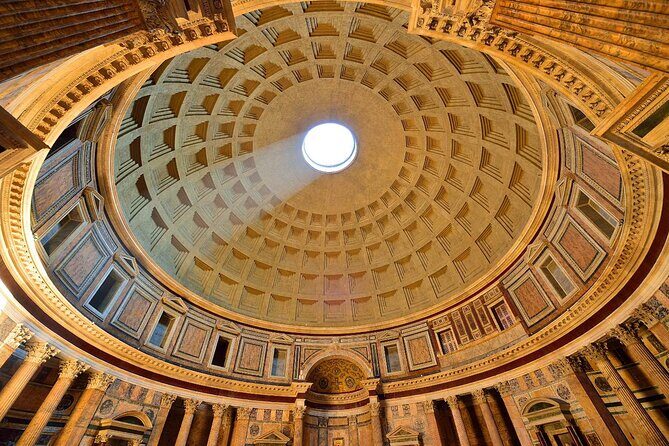
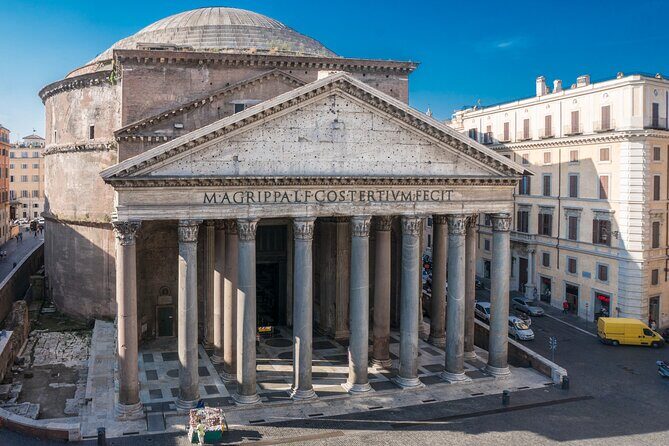
Your first guided stop is the Pantheon itself. You’ll get skip-the-line access via a separate entrance, and then your guide takes you through what makes this building feel so timeless. The tour time inside is about 45 minutes, long enough to take in the big structure without feeling rushed.
Here’s what you’ll look for as you move around:
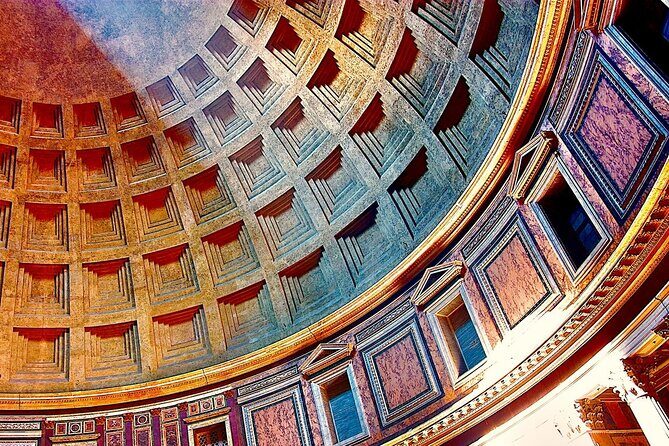
- The massive domed ceiling
- The oculus in the center, which lets natural light spill into the interior
That oculus effect isn’t just a neat architectural detail. It’s part of why people keep describing the Pantheon as almost theatrical. On a guided tour, you get the meaning behind the look: light becomes a kind of clock and a kind of symbol, and the interior feels different depending on the time of day.
You’ll also cover the Pantheon’s identity shift over time. It was originally built as a temple for all gods, and now it serves as a final resting place for notable figures, including the Renaissance artist Raphael and the kings of Italy. This is exactly where a guide helps you: without context, you might just see monuments. With context, you understand the building as a long-term political and artistic statement.
Piazza della Minerva: Bernini’s Elephant and a Quick Reality Check
After the Pantheon, the walk continues to Piazza della Minerva. This stop is short but meaningful because it connects Roman-era Rome with later layers of art and politics. The highlight here is Bernini’s Elephant and Obelisk sculpture.
Even if you’re not a serious sculpture person, this is a useful “break” from the weight of the Pantheon dome. You get to reset your eyes and then come right back to history with a different kind of reference point. A guide’s job is to keep these stops from feeling random, and that’s what makes Piazza della Minerva work in the flow of the day.
Look at the details the way your guide points them out. The point isn’t only that the sculpture is famous—it’s that Rome repeatedly reuses and reinterprets symbols. You’re seeing how a city that started with Roman temples also learned to speak later in the language of Renaissance and Baroque artistry.
Largo di Torre Argentina: Julius Caesar’s Assassination Site
Next comes Largo di Torre Argentina, an archaeological area where the history tied to Julius Caesar’s assassination comes into focus. This is one of those Rome locations where you’re physically near layers of the past—so the story feels less like textbook trivia and more like place-based history.
This stop is also a practical rhythm change. It’s a reminder that Rome didn’t just build monuments for beauty. It built, fought, and governed—and those events left traces you can stand beside.
If you care about the intersection of art and politics (and most people who come to the Pantheon do), this is a crucial stop. It helps you connect themes: the Pantheon’s religious-political role in ancient Rome, and the later power struggles that shaped the city’s trajectory. Your guide will likely frame this as a key turning-point moment, and it makes the walk through the rest of the route feel more grounded in real consequences.






Piazza Mattei and Via del Portico d’Ottavia: Walking the Jewish Ghetto
Then the tour moves into the center of the Jewish Ghetto area, with stops around Piazza Mattei and Via del Portico d’Ottavia. This is where the tour earns its name, because it shifts from “big famous buildings” to the everyday streets where communities lived.
You’ll spend time with a guided approach rather than just being dropped into a neighborhood. That matters, because the ghetto streets can be easy to treat like a photo stop. A good guide helps you slow down mentally and understand what you’re seeing: architecture, street layout, and the way place shapes memory.
Your final guided area is the Portico of Ottavia. It’s a strong closing note because it connects the ghetto walk to a sense of long-term heritage. It also gives you a clear endpoint at a recognizable structure, instead of ending mid-street.
One detail worth noting: the tour’s route is designed so you don’t only hear history—you also physically trace the geography tied to it. That’s often the difference between a sightseeing day and a day you actually understand.
How the Tour Works: Headsets, Group Pace, and Dress Rules
This is a live-guided tour in Spanish and English, and it includes headsets so you can hear the guide clearly even when you’re surrounded by other groups. The pace is friendly for most people, but you should expect walking between stops. Also, keep in mind the Pantheon’s timing can shift if there are anticipated closures, postponed openings, masses, concerts, or other events. That doesn’t mean it fails—it means the Pantheon portion can vary.
Dress rules at the Pantheon are strict enough to matter for your day:
- No shorts
- No short skirts
- No sleeveless tops
- No hemline above the knees
- No vests
These rules are for both men and women.
So before you go, do a quick clothing check. It’s easier than getting stuck outside and losing time. And bring a passport or ID card. The tour information also specifies that children should have their passport or ID card as well.
One more practical note: the activity lists wheelchair accessible, but it also says it’s not suitable for wheelchair users and not suitable for people with mobility impairments. That’s contradictory, so if that applies to you, you’ll want to confirm directly with the provider before booking.
Value for the Price: What $42.59 Gets You in Real Time

At $42.59 per person for about 2 hours, the price isn’t just about paying for a guide. You’re paying for three things that help you maximize limited vacation time in Rome:
- Skip-the-line Pantheon entry via a separate entrance
- 45 minutes of guided time inside the Pantheon (not just a quick look)
- Guided walking time through the ghetto area
Most solo visitors spend more time waiting or figuring out what to look for. Here, your guide does the heavy lifting: architecture cues inside the Pantheon, then interpretive context as you walk toward the Portico of Ottavia area.
What’s not included is also important. There’s no hotel pickup/drop-off and no food or drinks. So if you’re planning lunch, think ahead and either eat before you start or leave time after. Also, because you’ll have a compact schedule, you may not want to build this into a day where you’re also trying to squeeze in long museums.
Who This Tour Fits Best (and Who Might Want a Plan B)
This tour is best for you if you want two things:
- You want Rome’s most famous ancient interior (Pantheon) explained clearly
- You want to understand the Jewish Ghetto area in a guided, place-based way, not just as a photo route
It’s a smart fit for couples, first-timers, and anyone who feels lost when they stand in front of a famous building without knowing what matters.
It may feel less ideal if you:
- Need very low walking days (because you’re moving between multiple outdoor stops)
- Are sensitive to strict dress rules and don’t want to adjust clothing plans
- Rely on mobility support and need clear confirmation about accessibility (since the info is inconsistent)
Also, if you’re purely after “free time wandering,” a 2-hour structured route might feel a little fast. But if you want your time to count, this format is efficient.
Should You Book This Pantheon + Ghetto Tour?
I’d book this if your priorities are clarity and context. The combo of skip-the-line Pantheon access, guided time inside the monument (with that oculus and the building’s evolution from temple to burial place), and then a guided walk through the Jewish Ghetto area gives you a better understanding of Rome than treating each landmark separately.
If your biggest goal is to save time and still come away with real meaning, this is strong value at $42.59 for a tight 2-hour window. Just do two things before you commit: wear Pantheon-appropriate clothes, and if accessibility is a concern, confirm details with the provider since the information is mixed.
FAQ
How long is the Pantheon and Jewish Ghetto guided tour?
The tour duration is listed as 2 hours.
Where does the tour start?
It starts at Piazza della Rotonda, 2.
Does the tour include skip-the-line entry to the Pantheon?
Yes. It includes skip-the-line tickets to the Pantheon through a separate entrance.
What languages is the live guide available in?
The live tour guide is available in Spanish and English.
What is included in the price?
Included are Pantheon skip-the-line tickets, headsets, a guided tour of the Pantheon, and a guided tour of the Jewish Ghetto.
What is not included?
Hotel pickup and drop-off, and food and drinks are not included.
What should I bring with me?
You should bring a passport or ID card. The tour also notes that children need a passport or ID card.
Are there clothing requirements for the Pantheon?
Yes. Shorts, short skirts, vests, and sleeveless tops are not allowed, and hemlines must not be above the knees.
Is the tour refundable if my plans change?
Yes, it offers free cancellation up to 24 hours in advance for a full refund.