REVIEW · FOOD
Eat Like a Roman – Traditional Food, Local Market & History
Book on GetYourGuide →Operated by Roma Eat · Bookable on GetYourGuide
Rome has a tastier side.
This 3-hour daytime food walk is built around over 20 tastings plus story-driven history, so you’re not just eating, you’re learning how Rome stays Rome. I like that it mixes classic stops (cheeses, cured meats, pizza, gelato) with behind-the-scenes access like a VIP visit to the oldest pasta shop area, and I also like the pace that keeps moving without turning into a marathon. One thing to consider: it takes place rain or shine, so comfy shoes matter.
The best part is the way it connects food to place. You’ll start with a coffee lesson in a local bar where the cornetti are homemade by a 70-year-old nonna, then you’ll hit the biggest farmers market in Italy and taste your way through Roman staples like mozzarella, prosciutto, aged cheeses, and hot supplì. A possible drawback: if you’re vegan, this isn’t set up for you.
In This Review
- Key highlights you’ll feel in your stomach (and remember later)
- What Eat Like a Roman Is Really Like (in 3 hours)
- Start with coffee and homemade cornetti from Rome’s nonna
- The biggest farmers market in Italy: how families run Rome
- Roman street food to cheese heaven: supplì, aged bites, and more
- Organic olive oil and a 1915 bakery: where Rome teaches flavors
- VIP access to the first pasta shop: pasta-making over a century old
- Apulian street food stop and local wine break
- Gelato chosen by the Pope: the sweetness finale you’ll talk about
- Rooftop 360° Rome view and a Vatican-district walk off the main tracks
- Included extras that make the day feel complete
- Price and value: $79.30 for a 3-hour Rome food education
- Who this tour suits best (and who should rethink it)
- Should you book Eat Like a Roman?
- FAQ
- How long is Eat Like a Roman?
- What does Eat Like a Roman cost?
- What language is the live guide speaking?
- Is the tour suitable for vegans?
- Is the tour wheelchair accessible?
- Does it run in bad weather?
- Can I cancel for a full refund?
- Can I reserve now and pay later?
Key highlights you’ll feel in your stomach (and remember later)
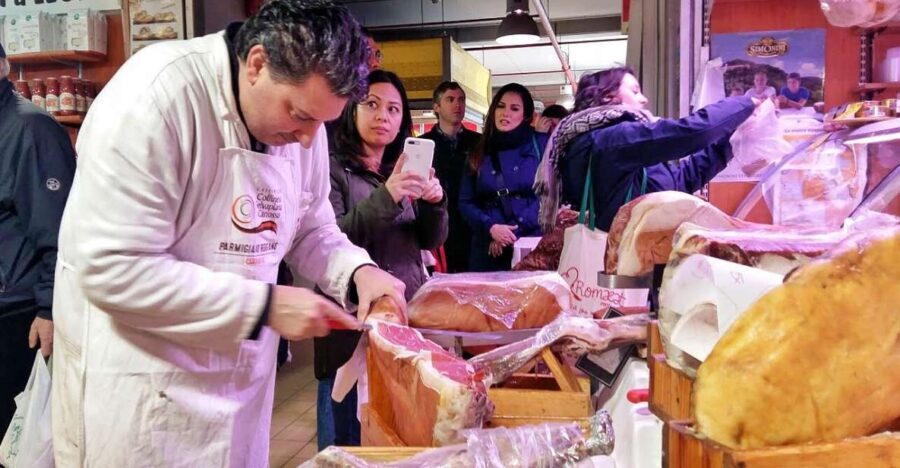
- Biggest farmers market in Italy, with family-run stall stories as you taste
- VIP access inside Rome’s oldest pasta shop, where you learn pasta-making practices that have lasted over a century
- Pope-favorite gelato stop, in a tiny place that specializes in the good stuff
- Oldest bakery of the area (opened in 1915) and a crunchy pizza moment
- 360° rooftop view of Rome, plus an off-the-beaten-path walk through the Vatican district
- Organic olive oil tasting, noted as awarded best in the world in 2018
What Eat Like a Roman Is Really Like (in 3 hours)
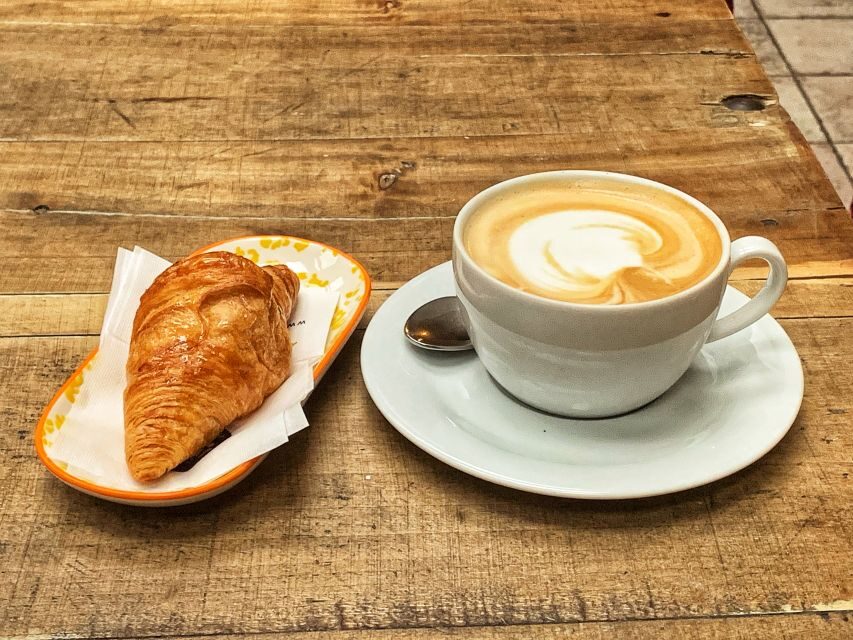
This tour is basically a guided crash course in Roman eating habits—structured like a food map, timed like a city walk. You’ll bounce between local shops and markets, tasting repeatedly, so by the end you don’t just know what Rome serves. You understand how vendors think: ingredients first, tradition second, and speed only because the day keeps moving.
The value is in the combination. For one set price, you get multiple guided tastings (more than 20) plus special access that’s hard to replicate on your own: the pasta shop visit and the day’s “off-path” feel near the Vatican area. If your goal is authentic food without hunting menus and getting lost, this does that well.
The main “watch-outs” are practical, not dramatic. You’ll be walking and eating frequently, and it’s rain or shine. Bring the kind of shoes you’d wear for a long afternoon, not your “pretty but slippery” ones.
You can also read our reviews of more food & drink experiences in Rome

Start with coffee and homemade cornetti from Rome’s nonna
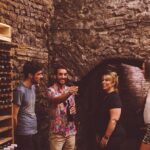
Your morning begins like Rome often does: with coffee and pastries, not with museums. You’ll become a coffee expert in a local bar where the cornetti are homemade—with love, and with a real nonna behind them. The charm here is that it’s not a scripted tasting of generic pastries. It’s about how households and long-time bar traditions shape what people buy every day.
This is also a smart pacing trick. By starting with something warm and simple, you set yourself up for the market portion later. If you’re worried about food touring being overwhelming, this first stop helps you ease in.
One small consideration: pastry + coffee early means you’ll want to keep drinking water and pace yourself for the tastings ahead. It’s easy to overdo sweets when your brain thinks it’s still in snack mode.
The biggest farmers market in Italy: how families run Rome
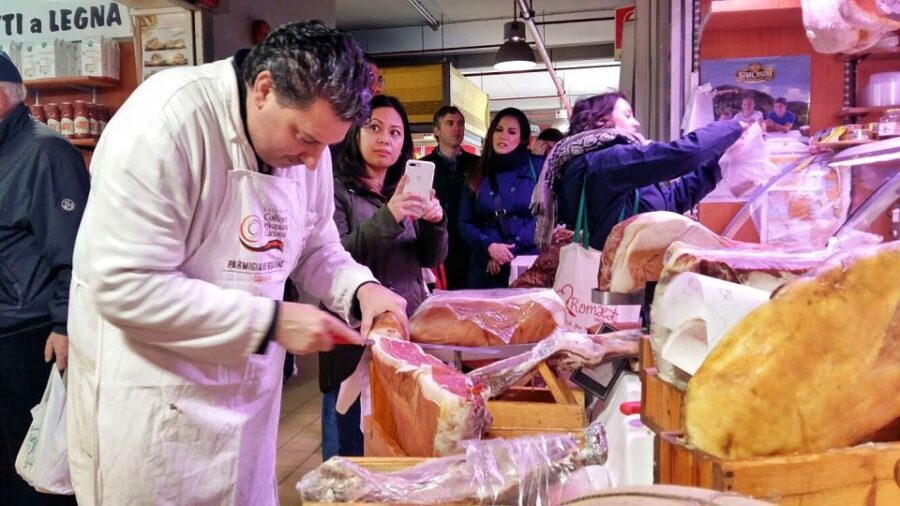
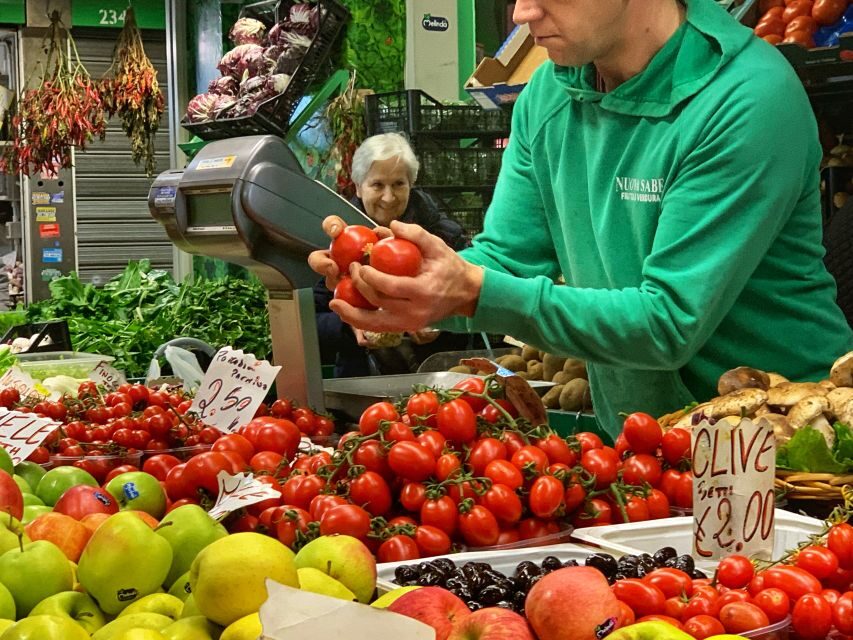
Next you move into what the tour calls the biggest farmers market in Italy. This is where you shift from “tourist tasting” to “local habit tasting.” You’ll behave like real Romans: wandering, asking questions, and learning the rhythm of stall life.
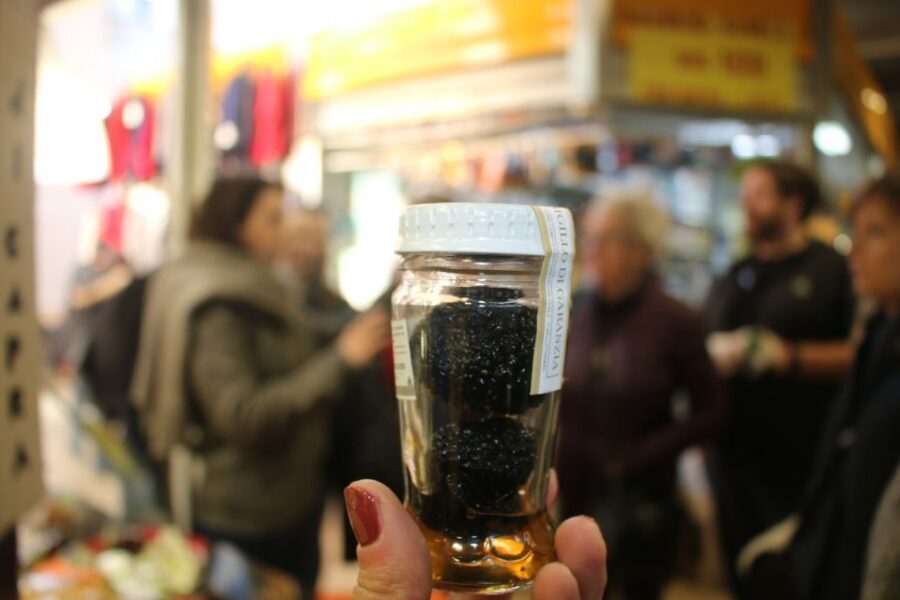
The story element matters here. You’ll meet partners in local shops owned by the same families for generations, and you’ll discover secrets and traditions tied to the stalls. That context changes how you taste cheeses and cured meats, because you start noticing differences you’d otherwise miss—salt levels, aging styles, and what “best” means to the vendor.
Mozzarella, prosciutto, aged cheeses, and supplì are central during this stretch. Supplì in particular hits like Roman comfort food: fried, crunchy, and meant to be eaten hot. If you’re the type who usually orders one thing and calls it done, this portion may convert you fast.
The drawback? Market stops can mean more standing and busy foot traffic. If you need frequent sit-down breaks, plan on taking micro-pauses during transitions.
Roman street food to cheese heaven: supplì, aged bites, and more
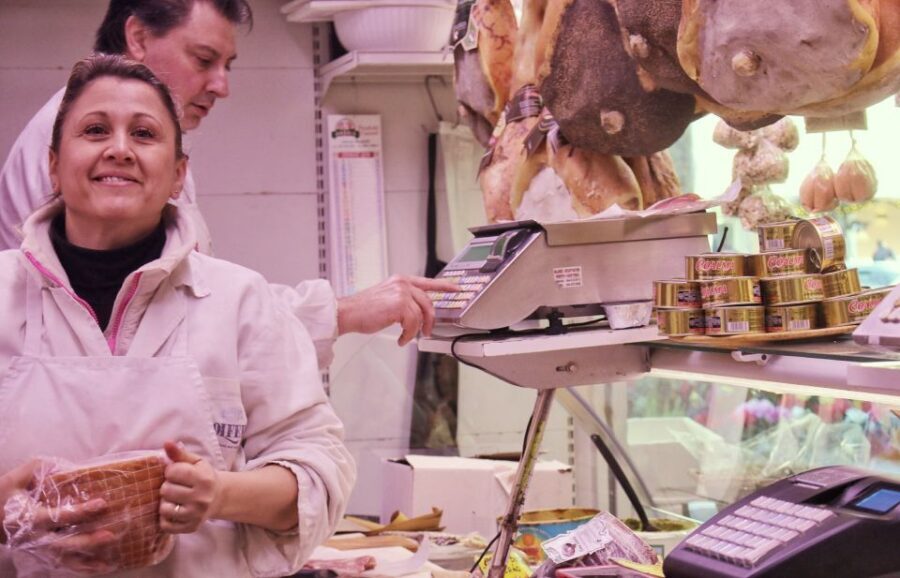
After the market, the tasting list keeps stacking up with Roman classics. This is where the tour earns its name. You get that day-to-day Rome lineup: supplì (street food king), mozzarella, prosciutto, and aged cheeses—plus other tastings timed to keep you moving.
What I like about this approach is the balance of textures. You’re getting creamy cheese, salty cured meats, and fried crunch. That mix makes the experience feel like a real meal, not like a parade of small samples with no theme.
Also, the way the guide ties each taste to what locals expect helps you avoid the common food-tour problem: tasting a lot but learning almost nothing. You’ll leave knowing what to look for next time you’re in a shop or market.
If you dislike fried foods, you’ll still get other options, but supplì is part of the core experience. Consider that before booking if frying is a dealbreaker.
Organic olive oil and a 1915 bakery: where Rome teaches flavors
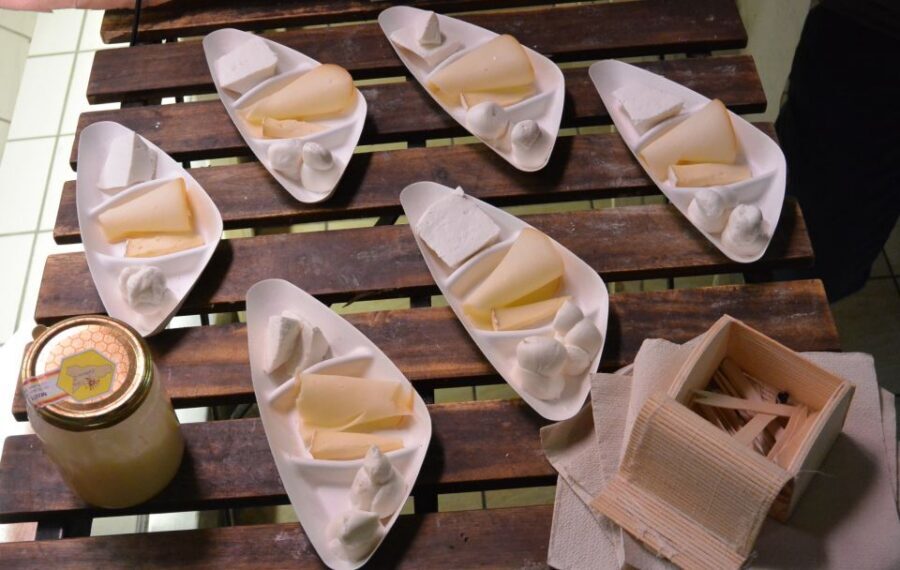
One of the best “food-nerd” stops is the olive oil tasting. You’ll try an organic olive oil that’s described as awarded best in the world in 2018. Even if you’re not trying to become an olive-oil judge, tasting it with guidance helps you understand the difference between oil that’s fine and oil that’s exceptional.
Then comes pizza at an oldest-bakery type of place: you’ll spot a crunchy pizza in the bakery opened in 1915. That’s not a random history flex—it’s a reminder that Rome’s everyday food comes from long-running ovens and habits, not from trendy hype.
A practical note: bakery smells can make you hungry for more even after you’ve already eaten a lot. It’s normal. Just keep your pace steady so you still enjoy the gelato later.
You can also read our reviews of more tours and experiences in Rome



VIP access to the first pasta shop: pasta-making over a century old
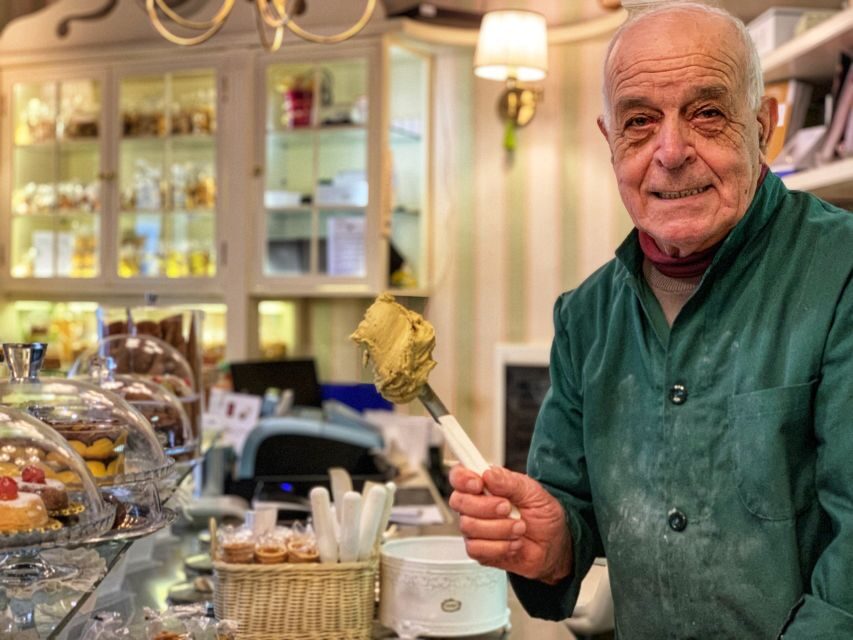
This is a headline moment. You’ll have exclusive VIP access inside the first pasta shop opened in Rome, and you’ll learn how they make pasta after more than one century.
Why this matters: pasta can feel like a generic Italian souvenir dish—something you think you already get. But watching the process (and hearing the methods) reframes it. You start understanding why certain pastas hold sauce differently, why shape matters, and why “fresh” isn’t just a buzzword.
In a walking tour, VIP access is also value. It’s not just another tasting counter. It’s a proper peek into a craft that has lasted, and it gives the day a memorable anchor point.
If you’re short on patience for shop visits, this still works well because it’s tied to tasting knowledge. You’re not just standing around waiting for the guide to finish a story.
Apulian street food stop and local wine break
After the pasta shop, the tour shifts from Roman comfort to a street-food-style stop connected to Apulia. You’ll visit an Apulian street food shop and drink a local wine. This is a nice change of pace—like adding a different chapter to the same book.
I like this break because it prevents the day from feeling one-note. You’re still in the food-tour groove, but you’re not repeating the exact same flavor family.
Potential consideration: if you avoid alcohol, confirm whether you can skip the wine portion while still enjoying the tastings. The tour includes wine as part of the stop, but the data provided doesn’t spell out substitution details—so it’s smart to ask ahead.
Gelato chosen by the Pope: the sweetness finale you’ll talk about
Then you go sweet. The tour includes an amazing real gelato stop in a tiny hidden place, elected by the Pope as his favorite gelateria. Even if you’re not the “Pope-approved” type, you’re still getting a specific gelato destination with a strong reputation.
Why this stop lands: the gelato is timed after salty and savory foods, so the flavors make sense together. You’ll finish the day with something satisfying, not just something to fill the gap between tastings.
One more reason to pay attention: gelato quality is noticeable in texture—how it melts, how dense it feels, and how clean the flavor tastes. With all the earlier tastings, you’ll be in a better position to tell the difference.
Rooftop 360° Rome view and a Vatican-district walk off the main tracks
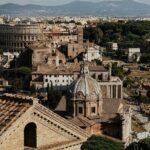
You end on a high note: a rooftop with a stunning 360° view of Rome. This is where you get your bearings fast—Rome as a whole city, not just a string of food stops. A viewpoint also helps you reset your appetite and camera roll, because you’re not just walking; you’re looking up at the scale of what you’ve been moving through.
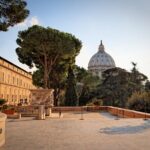
The walk also heads into the Vatican district, but totally off the beaten path. That phrasing matters: it suggests you’re not doing the same obvious stroll. You’re seeing the area as a neighborhood, not just a postcard edge.
Practical tip: rooftops can mean wind and cooler temperatures than street level. Bring a layer you can manage easily.
Included extras that make the day feel complete
The tour includes the food and wine tastings, plus a Roman guide who speaks fluent English. You also get an organic cotton totebag, which is a small but useful touch—handy for holding napkins, a light jacket, or a few market purchases if you choose to pick anything up.
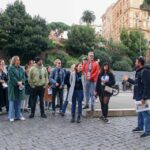
The guide quality is a big deal here. The reviews highlight a guide named Greta as knowledgeable and especially patient, with a willingness to welcome questions. That matters on a food tour, because the best moments often come from what you ask: how to taste, what to compare, and why one vendor does something differently.
Price and value: $79.30 for a 3-hour Rome food education
At $79.30 per person for about 3 hours, the price only feels fair if you understand what you’re buying. You’re not paying for a single meal. You’re paying for:
- a guided walk that strings together more than 20 tastings
- wine included at one stop
- access to special places like the first pasta shop in Rome area
- a guide who connects food to local stories and context
If you tried to build this yourself, you’d spend time chasing vendors, figuring out opening hours, and paying for comparable tastings without the VIP access. The tour compresses all that into one planned afternoon.
Where the value might not fit is if you only want one or two foods and hate walking. But if you’re the type who likes to sample and learn, you’ll likely feel good about the cost.
Who this tour suits best (and who should rethink it)
This experience is a strong match for:
- first-timers in Rome who want an authentic food route without planning every stop
- people who enjoy market energy and learning the why behind what they’re eating
- anyone who wants standout access, especially the VIP pasta shop piece
It may not be ideal for:
- anyone avoiding meat/dairy-heavy foods, since the tour includes mozzarella, prosciutto, aged cheeses, and supplì
- people who need full vegan options, because it’s not suitable for vegans
- visitors who struggle with standing and rain-day walking, since it runs rain or shine
Should you book Eat Like a Roman?
If you want to eat your way through Rome with real context, I’d book it. The day is built around the strongest parts of Roman food: markets, cheese-and-cured-meat tastings, fried supplì, pizza and gelato, plus that big craft stop at the pasta shop. Add the rooftop 360° view and an off-path walk near the Vatican district, and it becomes more than a snack session.
Book this especially if you love structured wandering—taste, ask questions, learn, repeat—without turning into a museum day. Just make sure you’re comfortable walking for a few hours and that you’re good with the meat-and-cheese lineup.
FAQ
How long is Eat Like a Roman?
The tour lasts 3 hours.
What does Eat Like a Roman cost?
It costs $79.30 per person.
What language is the live guide speaking?
The guide speaks English.
Is the tour suitable for vegans?
No, it is not suitable for vegans.
Is the tour wheelchair accessible?
Yes, the tour is wheelchair accessible.
Does it run in bad weather?
Yes, the tour takes place rain or shine. Wear comfortable clothing and shoes suitable for walking.
Can I cancel for a full refund?
Yes. You can cancel up to 24 hours in advance for a full refund.
Can I reserve now and pay later?
Yes. You can reserve now and pay later to keep plans flexible.