REVIEW · MUSEUMS
Exclusive Vatican Museum and Sistine Chapel Group Tour
Book on Viator →Operated by Whats In Italy Tours · Bookable on Viator
Rome’s art power combo.
This group tour is built for the Vatican Museum’s scale, where the galleries stretch for miles and hundreds of rooms could eat an entire day. You get a guided pass through the biggest visual hits, ending in the Sistine Chapel, with an art-focused historian to connect the dots across the collections. Vatican Museums meets Sistine Chapel in one efficient route.
Two things I really like: first, you spend real time on the set pieces that shape how you understand the Vatican—think the Gallery of Maps, Gallery of Tapestries, and the candelabras that make the museum feel almost theatrical. Second, you’re not stuck guessing your way through: the tour includes an expert historian guide, and for larger groups you also get quality headsets so the story comes through clearly.
One consideration: even with special entrance access, you still have to go through security checks, and those can slow things down at busy times. Also, you’ll need to follow the dress rules (shoulders and knees covered) and use the cloakroom for large bags and umbrellas.
In This Review
- Key things to know
- First: what you’re really paying for with this Vatican tour
- Meeting point and the reality of check-in inside the Vatican
- Stop 1: Vatican Museums highlights without the museum marathon
- Gallery of Maps: where cartography becomes politics
- Gallery of Tapestries: texture, technique, and status
- Gallery of Candelabras: dramatic objects, not just décor
- Pinecone Courtyard and the Pigna statue photo stop
- Stop 2: Raphael Rooms into the Sistine Chapel ceiling world
- Raphael Rooms: the lead-in you’ll be glad you had
- Sistine Chapel: Creation of Adam and Last Judgment under one roof
- Group size, headsets, and how to make the pacing work for you
- Price and value: is $39 a fair deal for the Vatican?
- What can go wrong, and how to plan around it
- Who this tour suits best (and who should rethink it)
- Should you book this Vatican Museums and Sistine Chapel group tour?
- FAQ
- Where does the tour start?
- What time does the tour run?
- What’s included in the price?
- Is St. Peter’s Basilica included?
- Do I need to bring a certain type of clothing?
- Are photos allowed?
- Do I need to check bags at the cloakroom?
Key things to know
- Special entrance setup helps you avoid the usual chaos right at entry, but security screening can still add waiting time
- Guided route that hits the major rooms without trying to do everything across 1,400+ rooms
- Photo-friendly stops include time for pictures in the Pinecone Courtyard near the Pigna statue
- Sistine Chapel timing with guided context gets you under Michelangelo’s ceiling paintings with guidance, not a checklist
- Max group size of 20 keeps the pace more human than the typical large group feed
First: what you’re really paying for with this Vatican tour
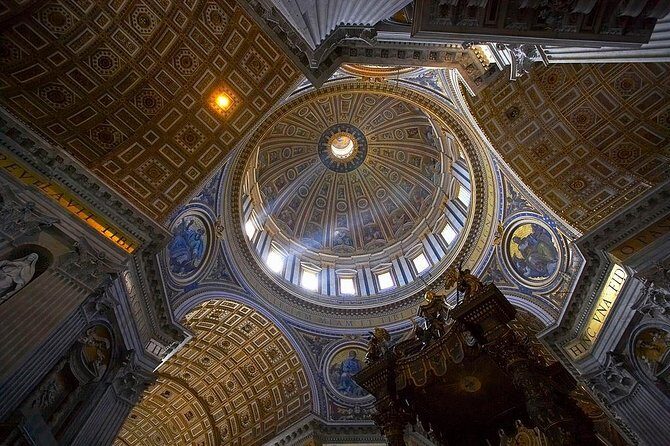
For $39, you’re mostly paying for three things: (1) timed guided access through the Vatican Museums, (2) included entry to both the Vatican Museums and the Sistine Chapel, and (3) a historian guide who can turn art into stories you can actually remember.
The Vatican is big enough that self-guided time can become more about logistics than looking. So instead of sprinting between rooms, you get a structured route that prioritizes the works and spaces most people come for. You’ll also avoid the common frustration of wandering until you finally stumble onto the “right” gallery.
The tour runs about 2 hours to 2.5 hours, which matters because it fits well into the evening plan on a Rome itinerary—especially if you’re already doing sights earlier in the day. The start time listed is 5:15 pm, and the tour ends back at the meeting point.
You can also read our reviews of more museum experiences in Rome



Meeting point and the reality of check-in inside the Vatican
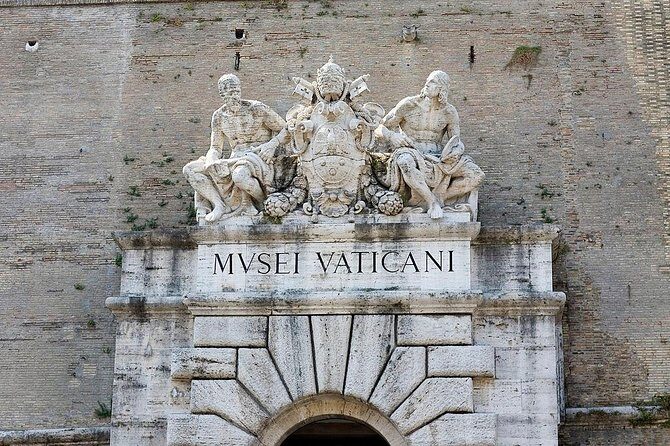
You meet at Giulio Cesare – Circuito Cinema, Viale Giulio Cesare 229, near public transportation. That’s convenient because you’re not stuck relying on a taxi for the last hop.
Here’s the part to take seriously: security checks are mandatory, and the tour operator notes that delays can happen even when your tickets have priority access elements. Translation: plan to arrive a bit early and expect the guide to start the introduction while people are clearing security. If you’re hoping for a zero-wait experience, this is the Vatican—so think “reduced friction,” not “miracle.”
Also keep in mind:
- Flash photography isn’t allowed in the chapel areas.
- Large bags, backpacks, and umbrellas need to be checked at the cloakroom.
- Shoulders and knees must be covered.
If you’re traveling with kids or you hate the idea of waiting, this is still worth considering because the tour structure keeps you moving once you’re inside. But it’s smart to go in with flexible expectations around security timing.
Stop 1: Vatican Museums highlights without the museum marathon
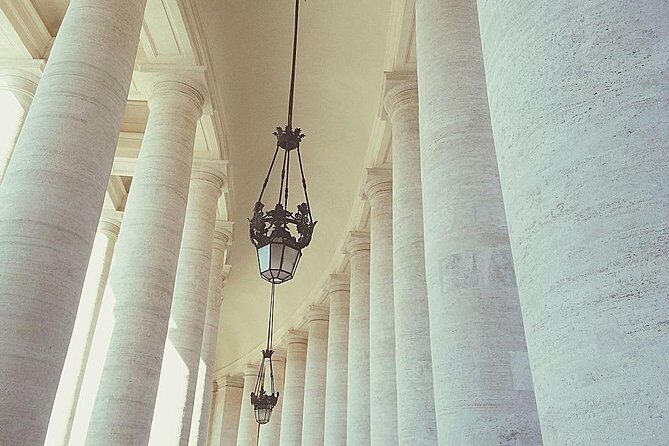
The Vatican Museums are massive—so massive that the museum is often described as running for miles through hundreds of rooms. This tour doesn’t try to “cover everything.” Instead, it uses guidance to point you toward spaces where the art and the symbolism are easiest to grasp fast.
Gallery of Maps: where cartography becomes politics
You’ll pass through the Gallery of Maps, a room that feels almost like a visual lesson. Maps here aren’t neutral. They’re tied to power, belief, and who the Church wanted the world to look like. With a guide speaking through the galleries, you get context that you’d normally miss if you just read labels at random.
Gallery of Tapestries: texture, technique, and status
Next comes the Gallery of Tapestries. The point isn’t only to appreciate the craftsmanship—though you will notice the detail. It’s also to understand why these kinds of artworks mattered in a royal religious court setting: they signal wealth, prestige, and the Vatican’s reach.




Gallery of Candelabras: dramatic objects, not just décor
You’ll also see the Gallery of Candelabras, which can be surprisingly fun. It’s easy to treat objects like this as background scenery, but with commentary you start noticing how lighting, scale, and design create an atmosphere that supports the Vatican’s sense of theater.
Pinecone Courtyard and the Pigna statue photo stop
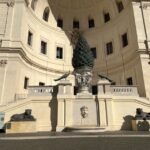
At about an hour into the visit, you’ll pause for photos in the Pinecone Courtyard to see the Pigna statue, associated with Donato Bramante. This matters because it gives you a breath of open space in the middle of the museum’s indoor maze, and it’s a solid location to reset before you move into the more intense visual experience ahead.
What can be a drawback here: depending on crowd flow and security timing, the tour can feel a little compressed in the early part. The upside is that even with a faster pace, you’re guided toward meaningful rooms rather than aimless wandering.
Stop 2: Raphael Rooms into the Sistine Chapel ceiling world
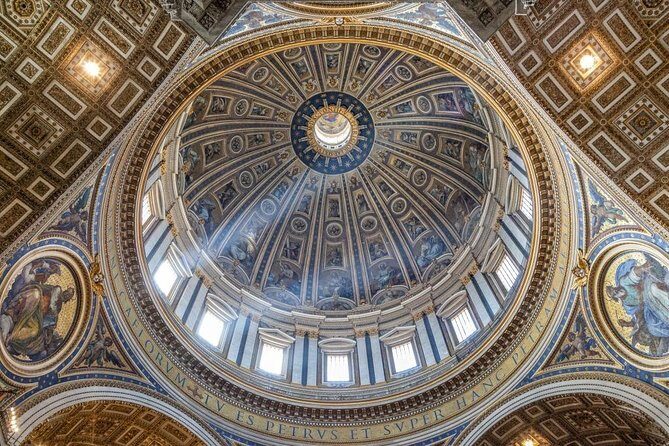
Once you’re done with the museum galleries, the tour moves you through the Raphael Rooms and then into the Sistine Chapel. This transition is one of the smartest parts of the itinerary because you don’t go straight from gift-shop-level bustle into the most iconic ceiling in the world. You get moved through a sequence that builds momentum.
Raphael Rooms: the lead-in you’ll be glad you had
The Raphael Rooms can easily blur together if you’re trying to read everything yourself. With a guide, you get the bigger idea: these spaces were designed to impress, and the artwork is doing serious work in terms of theology, knowledge, and authority. Even if you only catch a few details, the guide’s framing makes the chapel feel even more powerful.
Sistine Chapel: Creation of Adam and Last Judgment under one roof
Then comes the payoff: the Sistine Chapel, the pope’s personal place of worship and a highlight of any Vatican visit.
Here’s what you’ll be watching for:
- Michelangelo’s The Creation of Adam on the ceiling, which dominates your field of view once you look up
- The Last Judgement, a colorful mural that covers a wall and can feel overwhelming in the best way
This is where the historian guide earns their keep. You’ll still be stunned by the art, but the guided context helps you notice the structure—how scenes connect and how the compositions push emotion and meaning. If you’ve ever felt like a famous artwork is just a postcard until you see it in person, this is the fix.
One practical note: even when the tour includes entry and guidance, you’re still in a venue with strict rules. If you’re sensitive to standing and looking up for long periods, you might want to pace yourself in your viewing. The guide can help you decide where to focus first.
Group size, headsets, and how to make the pacing work for you
This tour caps at 20 travelers. That’s a sweet spot for the Vatican. Big enough to run efficiently, small enough that you’re not constantly separated from the group in a crowd stampede.
If your group is larger, the tour includes quality headsets so you can hear the guide clearly. That’s not a luxury detail—it changes how much you actually get out of the galleries. In a place where stone walls and noise bounce around, good audio means you can listen without craning your neck or giving up.
Pacing is another factor. The museum is built to be navigated slowly, but your tour is time-boxed. Your best strategy is to pick what you want most: the Maps and Tapestries vibe, or the chapel wow-factor. The itinerary aims to give you both, but it won’t feel like a museum stroll. For most people, that’s a win.
Price and value: is $39 a fair deal for the Vatican?
$39 sounds almost too low for Vatican Museums plus Sistine Chapel admission. The key is what’s included: entry for both sites, an expert historian guide, and headsets for bigger groups.
Even without “skip-the-line” as a blanket promise, the tour offers a special entrance approach that aims to remove the worst bottlenecks after you meet the group. The included entry matters too. In this part of Rome, the cost adds up fast when you start buying separate tickets for everything you want to see.
The value angle for me is simple: this isn’t buying time to see fewer things. It’s buying guidance to see the most meaningful things in the least confusing way. If you’re the type who loves reading labels and wandering slowly, you might prefer a self-guided day. If you want to avoid decision fatigue and still see the big hits, this is a solid setup.
What can go wrong, and how to plan around it
Nothing about the Vatican is fully predictable, even when you have priority access ingredients. Here are the biggest real-world friction points you should plan for:
- Security screening delays: mandatory and sometimes slow, even with special entrance arrangements
- Closures or schedule changes: the operator says they must follow Vatican rules, and you won’t always control last-minute changes
- Instructions and meeting clarity: some people report issues with finding the meeting point due to lack of obvious signage. So arrive early, use the exact meeting address, and keep your confirmation info handy.
- Time sensitivity near closing times: on days when the Vatican closes earlier than normal, timing matters a lot. A tour that’s already packed may feel rushed if you get delayed at entry.
On the human side, the tone of the experience can vary based on the guide and group flow. One guide named Jessica was specifically praised for strong English and for making the experience fun while staying educational. That’s the kind of guiding you want to hope for with any art tour here.
Also remember: flash photography is not permitted, and big items need cloaking—so don’t show up with an adventure backpack if you can avoid it.
Who this tour suits best (and who should rethink it)
This works best for you if:
- You want the major Vatican sights without planning a complex route
- You like having context while you look at art
- You can handle a timed tour pace and some security waiting
- You prefer a group size capped at 20 rather than a giant herd
It may be less ideal if:
- You want to spend hours in one room or go at your own rhythm
- You hate crowds and long indoor queues, even if they’re shorter than usual
- You’re expecting a full Vatican day, including everything from St. Peter’s Basilica (this tour does not include it)
A smart pairing: do St. Peter’s Basilica separately if it’s on your list. You’ll get a better experience because you won’t feel squeezed between two major Vatican anchors.
Should you book this Vatican Museums and Sistine Chapel group tour?
If your goal is to see the Sistine Chapel ceiling and hit the most important museum rooms with a guide, this is a strong pick for the time and price. The included admissions and the historian guidance are the main reasons it feels like value, and the max group size helps keep the experience manageable.
Book it if you can follow the dress code, travel with a bag you can cloak, and go in expecting security screening. Skip it if you only want totally self-paced freedom, or if you’re planning a day where you can’t absorb delays.
If you want a practical Rome win—see the masterpieces, understand what you’re looking at, and keep your schedule intact—this tour is the kind of shortcut that actually improves the day.
FAQ
Where does the tour start?
The tour starts at Giulio Cesare – Circuito Cinema, Viale Giulio Cesare 229, 00192 Roma RM, Italy.
What time does the tour run?
The listed start time is 5:15 pm, and the duration is approximately 2 hours to 2 hours 30 minutes.
What’s included in the price?
Admission to the Vatican Museums and the Sistine Chapel is included, along with an expert historian guide. For big groups, quality headsets are provided.
Is St. Peter’s Basilica included?
No. St. Peter’s Basilica is not included in this experience.
Do I need to bring a certain type of clothing?
Yes. Shoulders and knees must be covered.
Are photos allowed?
Flash photography is not permitted.
Do I need to check bags at the cloakroom?
Yes. Large bags, backpacks, and umbrellas must be checked in at the cloakroom.