REVIEW · GUIDED
Domus Tiberiana and The Ruins of Ancient Rome Guided Tour
Book on Viator →Operated by Rome guided tours · Bookable on Viator
Roman ruins, neatly packaged into one walk. This guided route pulls you through three different slices of ancient Rome: the public heart at the Roman Forum, the legendary beginnings on Palatine Hill, and the recently reopened imperial rooms of Domus Tiberiana. It’s the kind of tour that helps you stop seeing ruins as random stones and start reading them as a city.
I really like two things about this experience. First, you get a professional guide, not just a self-guided audio loop, which matters when you’re trying to connect locations to real Roman life. Second, the admission tickets are included, so you’re not juggling paperwork while you’re standing in front of big-ticket sites.
One thing to consider: this is a walking tour on a dense, high-demand route. If crowds build up, you might lose some momentum, so bring patience and plan the rest of your day with a little breathing room.
In This Review
- Key highlights you’ll feel on the ground
- Why this 2.5-hour ruins route fits Rome without stealing your whole day
- Roman Forum: the political, religious, and commercial center you can finally picture
- Palatine Hill: from the Romulus story to the feeling of Rome’s oldest layers
- Domus Tiberiana: the reopened imperial palace you’ll want to see before everyone else
- Small group, real guide time: how the max-20 format affects your experience
- Tickets and value: what you’re actually paying for at $100.05
- Logistics that matter: start/end points, morning timing, and pacing
- Who should book this guided ruins tour
- Should you book this tour?
- FAQ
- How long is the guided tour?
- What are the three stops on the tour?
- Are admission tickets included?
- Is transportation included?
- What is the meeting point and where does the tour end?
- How big is the group?
- Do I need good weather?
- Are tips included in the price?
Key highlights you’ll feel on the ground
- Three major stops in about 2.5 hours so you keep your afternoon free
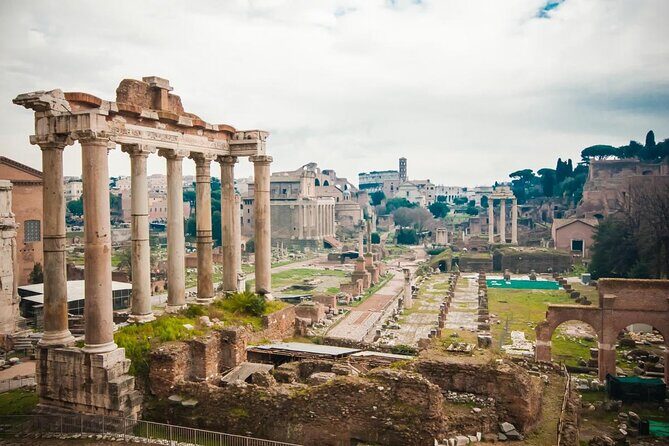
- Roman Forum guided time focused on the civic heartbeat of the city
- Palatine Hill for the founding legend tied to the city’s earliest story
- Domus Tiberiana reopened in September 2023 after a 50-year closure
- Small group cap of 20 for a more manageable walking pace
Why this 2.5-hour ruins route fits Rome without stealing your whole day
Rome can gobble up time fast. This tour is short enough to be a smart morning plan, yet long enough to give you context at each stop. You’re out there for about 2 hours 30 minutes, hitting three key areas with separate guided segments.
I like that the pacing is built around entry points with actual time blocks. Stop 1 runs about an hour at the Roman Forum, Stop 2 is another hour on Palatine Hill, and Stop 3 is a shorter visit (about 30 minutes) to Domus Tiberiana. That structure helps you avoid the common Rome problem where you spend 20 minutes sprinting and 10 seconds looking.
The tour also ends in the Roman Forum area. That’s useful because it keeps you central after the guided portion, so you’re not suddenly far from everything you might want to see next.
You can also read our reviews of more guided tours in Rome

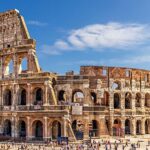
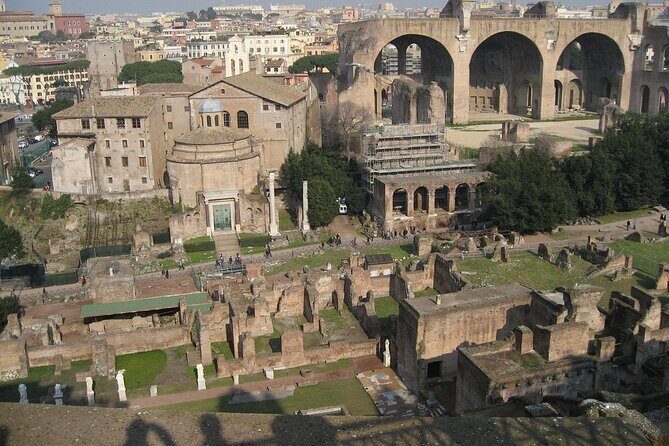
Roman Forum: the political, religious, and commercial center you can finally picture
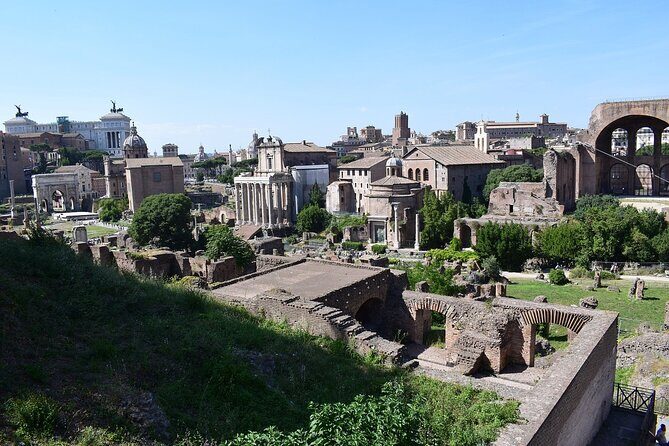
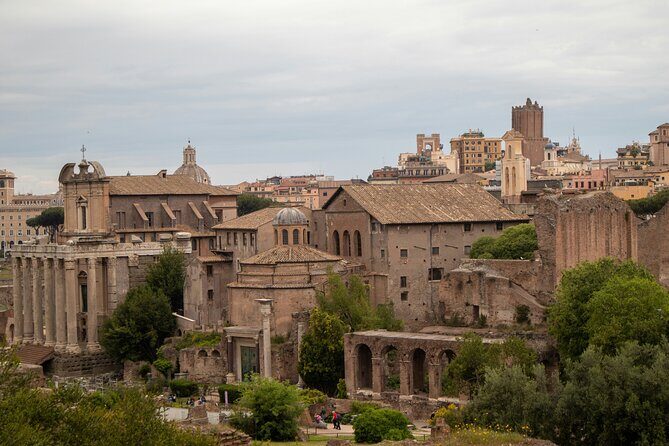
The Roman Forum is where Rome stops being a name on a map and starts feeling like a living machine. The guide-led walk focuses on the Forum as the core of Roman social, political, and economic life—where commerce and trade, political rallies, military parades, and sacred ceremonies all overlapped.
What makes this stop click is the way the details are framed. Instead of just saying buildings were important, the route connects the Forum to what people did there day to day. If you’re the type who gets more out of ruins when you have a mental storyline, this is the strongest place on the tour for that effect.
There’s also a specific angle built into the description: you’ll hear about the sacred ceremonies of the Vestal Virgins. That kind of topic is gold because it turns stone structures into the setting for real Roman beliefs and routines.
Practical note: the Forum area can be crowded, and any big-site route may involve waiting at entry points. If you’re sensitive to lines, aim for a morning departure and keep your expectations calm and realistic.
Palatine Hill: from the Romulus story to the feeling of Rome’s oldest layers
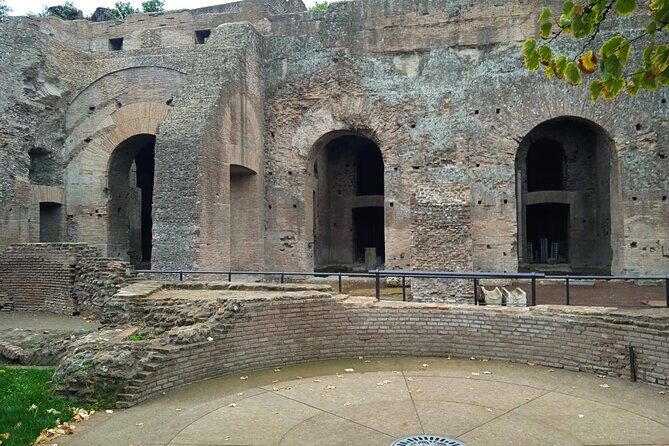
Palatine Hill is famous for a reason: it sits at the crossroads of legend and archaeology. You’ll visit for about an hour, with the guide explaining why it’s tied to the founding story—especially the idea that Romulus chose this spot to found Rome. The hill is also described as one of the most ancient parts of the city, sometimes treated as an early nucleus of the empire.
I like how Palatine Hill adds a different mood to the tour. The Roman Forum is public and civic; Palatine is more origin-story and power symbolism. Even if you already know the names, the guided explanation helps you understand why Romans cared about this place so much.
Another reason this stop works: it gives you room to look and re-orient. When you’re standing on Palatine, it’s easier to picture how Rome expanded outward from its earliest nucleus—so the rest of your city walk afterward makes more sense.
If you’re short on energy, the hill’s terrain is something to respect. The tour lists a moderate physical fitness level, so make sure you’re comfortable walking on uneven ground and moving at a steady pace.
Domus Tiberiana: the reopened imperial palace you’ll want to see before everyone else
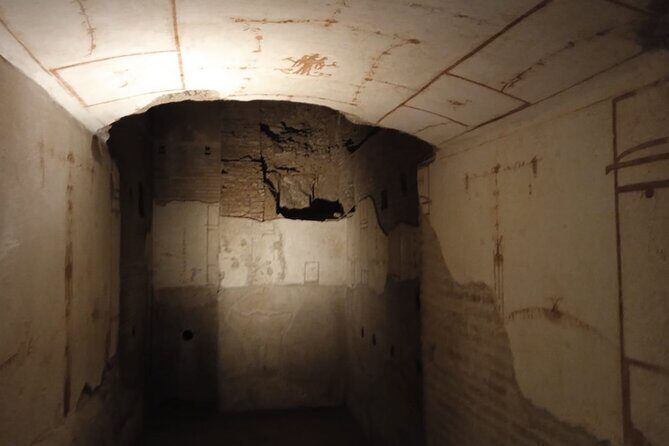
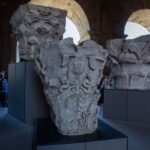
Domus Tiberiana is the surprise payoff of this tour. You’ll spend about 30 minutes here, and it’s a site with a big storyline: it was closed for 50 years and reopened to the public in September 2023. After delicate restoration work, the area opened again with a new exhibition path designed to help you understand what you’re seeing.
This stop is all about imperial life. The Domus Tiberiana is described as one of Rome’s most important archaeological sites tied to Emperor Tiberius, and it’s referred to as the first Imperial Palace in Rome. Even in a short visit, that framing matters, because it changes your job from sightseeing to interpretation: you’re trying to read the layout as a residence tied to power.
I also appreciate that the description emphasizes the new exhibition path. A reopened site can feel unfinished if it’s just raw ruins, but here the goal is to guide you through the history and help you connect the spaces to the bigger Roman story. For many people, this is where the tour feels fresh, because Roman ruins can start to blur together unless you have a specific theme.
One small caution: the time here is shorter than the other stops. If you love museums and exhibitions, you may want to budget extra time later on your own, since the guided piece is intentionally brief.
Small group, real guide time: how the max-20 format affects your experience
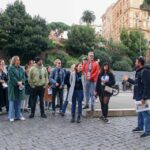
This tour caps at 20 travelers, which is a meaningful detail. In Rome, group size can determine whether you’re stuck behind someone’s camera forever or actually moving with the guide’s rhythm. A smaller group usually means you’re better positioned to hear directions and follow explanations without constant crowd jostling.
The tour is also led by a professional guide, which is the heart of the value here. Without that guidance, the Forum and Palatine can feel like you’re walking through a textbook illustration. With a guide, you get the context that turns names and dates into something you can picture.
That said, guide styles vary. One review you might find in the wild complained about the guide being dull and sticking to basic descriptions. I can’t predict how any specific guide will speak on your day, but you can help yourself by going in ready to ask mentally: what’s the daily life connection here, and how does this spot link to the larger story of Rome?
If you’re the type who learns best through clear structure, this tour’s stop-by-stop flow is a plus. It gives you three separate chances to reset your attention.

Tickets and value: what you’re actually paying for at $100.05
The price is listed at $100.05 per person for a roughly 2.5-hour guided walk covering three stops. That sounds straightforward, but the real value question is what’s included.
You get a professional guide, plus all fees and taxes, and—crucially—admission tickets for each stop. That matters because major Roman sites can involve separate ticketing steps. Bundling those into one paid experience helps reduce friction and keeps your time more predictable.
You do not get transportation included. So if you’re coming from farther neighborhoods, you’ll want to plan how you’ll reach the meeting point on your own.
Also, tickets are described as group tickets. That means you can’t rely on buying one-off tickets for each stop separately as part of this booking. If you like to manage everything yourself, this is the kind of experience where you’ll want to accept that the tour is the ticketing path.
When I judge value in Rome, I look at three things: (1) how many major sites you see, (2) whether tickets are handled for you, and (3) whether you get guided interpretation. This tour scores well on all three because it stacks Roman Forum + Palatine Hill + Domus Tiberiana into one guided package.
Logistics that matter: start/end points, morning timing, and pacing
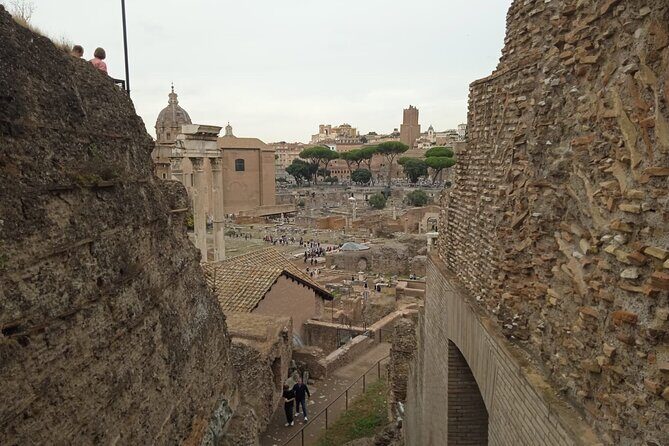
The tour meets at 00184 Rome and finishes in the Roman Forum area at 00186 Rome. That matters if you’re planning a meal afterward, because you’ll likely still be near the center of your Rome day.
The booking notes also say the tour runs with numerous morning departures. Morning is usually your friend in Rome: it’s cooler, crowds can be slightly more manageable, and you keep your afternoon open for slower wandering or additional sightseeing.
The tour also notes you should have moderate physical fitness. That’s your signal that you’ll be walking and moving through uneven, historic ground. Keep your pace comfortable and don’t let pride push you into rushing.
And you’ll want good weather. The experience is described as requiring good weather, and if it’s canceled for poor conditions, you’ll be offered a different date or a full refund. That’s an easy thing to respect when you’re planning your week.
Who should book this guided ruins tour
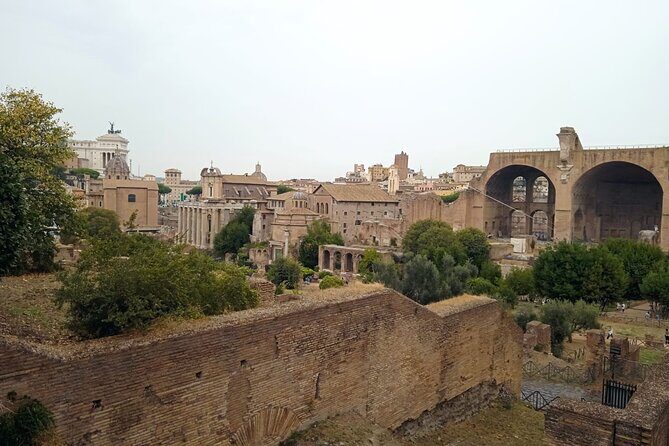
This tour is a strong fit if you want structure. If you like knowing what you’re looking at—Forum politics, hill origins, and a specific imperial palace—this tour gives you that spine.
It’s also a good choice if you’ve got limited time. Two and a half hours lets you cover three major landmarks without turning your entire day into a forced march.
You’ll probably enjoy it most if you:
- like guided context more than reading everything on your own
- want a manageable group size (max 20)
- prefer morning plans and finishing centrally afterward
If you’re the type who hates any walking in crowds or needs extremely flexible pacing, you may find the dense central sites frustrating. In that case, consider whether a slower self-guided plan would fit you better.
Should you book this tour?
I’d book it if you want a guided, ticketed route that hits the Roman Forum, Palatine Hill, and the reopened Domus Tiberiana without turning your day into chaos. The biggest win is interpretation: the guide helps you connect civic life, founding legend, and imperial residence in one coherent walk.
I’d think twice if you’re highly line-sensitive or if you’ve had bad experiences with tour guides who speak in a way that doesn’t click for you. The time blocks are fixed, and at busy Rome sites, some waiting can happen.
For most people trying to see real Roman power, belief, and daily life in a short window, this is a smart, central bet—especially because Domus Tiberiana is newly reopened and adds something you can’t always guarantee on older Rome itineraries.
FAQ
How long is the guided tour?
It lasts about 2 hours 30 minutes.
What are the three stops on the tour?
You’ll visit the Roman Forum, Palatine Hill, and Domus Tiberiana.
Are admission tickets included?
Yes. Admission tickets are included for all three stops, and the booking uses group tickets.
Is transportation included?
No, transportation is not included.
What is the meeting point and where does the tour end?
The tour starts at 00184 Rome and ends at the Roman Forum area, 00186 Rome.
How big is the group?
The tour has a maximum of 20 people.
Do I need good weather?
Yes. The experience requires good weather, and if it’s canceled due to poor weather you’ll be offered a different date or a full refund.
Are tips included in the price?
No, tips are not included.