REVIEW · MUSEUMS
Da Vinci Museum: Discover a World of Genius in the Heart of Rome
Book on Viator →Operated by Museo Leonardo da Vinci · Bookable on Viator
Leonardo’s machines live inside a basilica. This museum packs hands-on reconstructions of his ideas into a tight, easy stop in central Rome, inside the Basilica Santa Maria del Popolo. Pre-book your admission and you can get into the displays without the usual time sink.
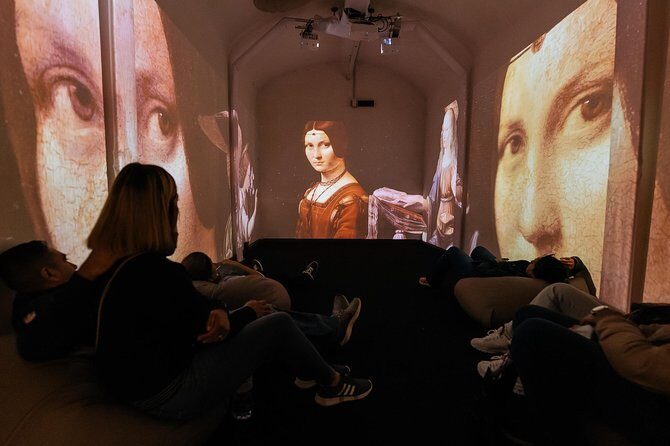
I love how the museum connects Leonardo’s mind across fields: invention, anatomy, art, and engineering. I also like the mix of life-size models, readable studies, and multimedia explanations that help you understand what you’re looking at, not just admire it. One thing to consider: it is a small museum, so you’ll likely be done in about 1 to 2 hours, and it’s not a place built around original masterpieces.
In This Review
- Key things you will notice right away
- Inside Basilica Santa Maria del Popolo: where the Da Vinci museum fits
- What you’ll see: machines from codices, art studies, and anatomy
- The “aha” part: models that explain the thinking
- Originals vs. replicas: what to expect
- How the visit flows in 1–2 hours (and how not to rush it)
- A smart approach: start with the interactive first
- Watch for pacing issues
- Audio guide and interactive screens: worth the extra €3?
- If you hate holding a handset
- VR and other add-ons
- The big value question: does $14.38 feel fair?
- Best time to go and what to do right after Piazza del Popolo
- Practical details that can save you frustration
- Restrooms
- Renovation visibility
- Staff support
- Who should book this and who might skip it
- Should you book the Museo Leonardo da Vinci tickets?
Key things you will notice right away
- Pre-booked admission helps you save time at the entrance
- Machines built from Leonardo’s codices show how his ideas worked
- Art and science stay linked through examples like Vitruvian Man and the Last Supper
- Hands-on sections make this fun for families and curious adults
- Self-guided pacing means you can slow down where you want
- Audio is optional but useful, and costs extra
Inside Basilica Santa Maria del Popolo: where the Da Vinci museum fits
The Museo Leonardo da Vinci is tucked inside one of the most convenient spots in the area: Basilica Santa Maria del Popolo, in Piazza del Popolo. That matters because you’re not committing to a big detour. You’re basically adding a focused museum visit to an already happening walking area.
It also helps that this stop is easy to pair with nearby highlights. The museum is described as a short walk from places like the Spanish Steps and Villa Borghese, which is exactly how I like city sightseeing to work: a grab-and-go activity you can slot between bigger sights.
One more practical note: this is an English-offered experience, and you’ll be doing it at your own pace. The venue is also small enough that you won’t feel like you’ve been dropped into a marathon.
You can also read our reviews of more museum experiences in Rome



What you’ll see: machines from codices, art studies, and anatomy

This museum’s whole pitch is that Leonardo da Vinci wasn’t just an artist. He was an inventor and a relentless observer. The displays are built to make that idea tangible.
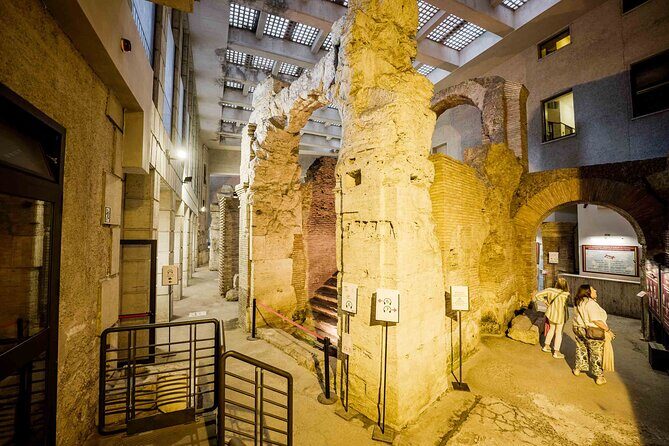
You’ll spend your time with reconstructions and interpretive exhibits tied to Leonardo’s own notebooks and studies. The museum highlights include machines crafted from Leonardo’s codices, plus studies of his famous Renaissance works. You can expect references and themes connected to the Last Supper, the Vitruvian Man, and the Sforza equestrian sculpture.
The “aha” part: models that explain the thinking
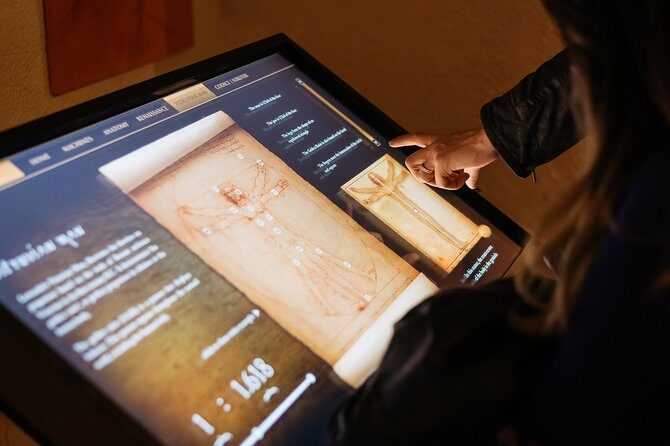
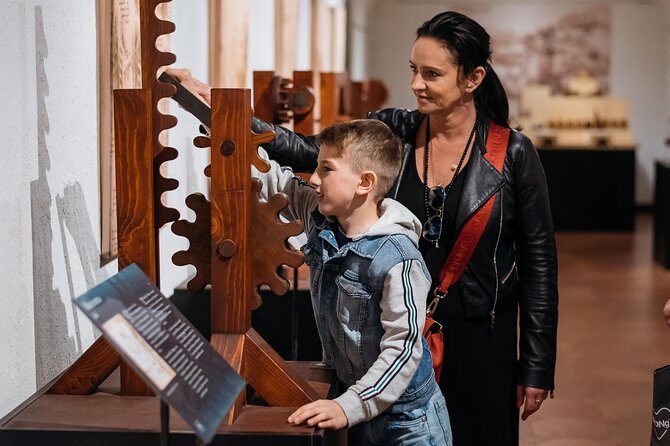
What makes these exhibits work is that they aim to show the logic behind the inventions. Several interactive and hands-on elements let you manipulate versions of Leonardo’s concepts. In plain terms: instead of staring at a diagram and guessing how it would function, you get a chance to work it out.
Some exhibits also include anatomical sketches and materials that focus on his research into the human body. If you’ve ever wondered how someone can be both an artist and a scientist in the same lifetime, this is the kind of museum that tries to answer that question with physical examples.
Originals vs. replicas: what to expect
A recurring point in the reviews is that you won’t be seeing originals in the traditional museum sense. You may find lots of replicas or recreations, plus references to Leonardo’s work. That’s not automatically a bad thing here, because the museum seems designed for understanding how ideas turn into machines and visuals.
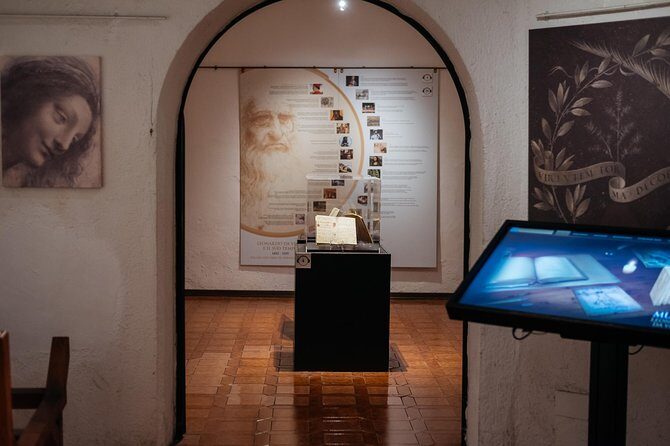
If your must-see list is limited to seeing the real notebook pages up close, you might want to temper expectations. The venue does mention a small set of actual notebook pages in a case, but the general feel is reconstructed and educational rather than a gallery of rare artifacts.
How the visit flows in 1–2 hours (and how not to rush it)
Plan for a short visit, roughly 1 to 2 hours. The museum is small, and most people finish without feeling like they sprinted to beat anyone. That short duration is a big value driver. You can do it even if your day already includes major sights.




A smart approach: start with the interactive first
If you’re the type who learns by doing, begin with the hands-on machines and interactive sections early. Reviews mention you can experiment with some of Leonardo’s inventions and manipulate parts, which makes the rest of the museum easier to follow.
After that, move into the art and science sections. The museum’s use of films and multimedia is there to explain the stories behind what you’re seeing, so it’s worth giving those a chance before you move on.
Watch for pacing issues
Because this is a self-guided layout, you may run into displays that feel less organized than you’d like. One review noted the exhibits may not appear in a perfect order. You can solve this in two ways: either let it be a wandering kind of experience, or use your own checklist approach by focusing on the big themes (machines, art, anatomy) in whatever order they appear.
Audio guide and interactive screens: worth the extra €3?
The admission ticket includes entry, but the audio guide is not included. It’s available to purchase for about €3 per person.
Should you get it? If you like context, it can help. Multiple reviews mention that the audio guide is helpful and adds extra information. One review even praises the audio guide as excellent. Another points out the exhibits may not match the audio perfectly in every moment, so don’t treat it like a perfect GPS.
If you hate holding a handset
One of the more honest critiques is that the audio handset can get annoying. If you’d rather read than hold something, you might skip it and rely on the English descriptions and visuals. On the other hand, if you want guided storytelling, consider buying it and committing to the extra cost as part of your value calculation.
VR and other add-ons
There’s also mention of a virtual reality experience. One review calls it overpriced and notes there was only one VR setup, leading to a line. If you really care about VR, plan for the possibility of waiting. If you don’t, don’t let it slow you down.
The big value question: does $14.38 feel fair?

At $14.38 per person, the main reason this feels like a good deal is that your ticket already includes admission. You’re not paying extra just to get into the building, and you’re getting a focused visit that can fit into nearly any itinerary.
It also helps that reviews talk about quick entry with no lines and easy voucher redemption. When a ticketed museum is straightforward at the door, you keep more of your day for walking and exploring.
That said, there are two value trade-offs to think through:
- Audio is extra (about €3), so your final cost may be a bit higher.
- The museum is small. If you were expecting a huge, multi-floor museum with lots of originals, you may feel like you could have spent your time elsewhere.
I’d frame it like this: it’s priced for a short, smart, educational stop. If that matches your goals, it’s good value.
Best time to go and what to do right after Piazza del Popolo
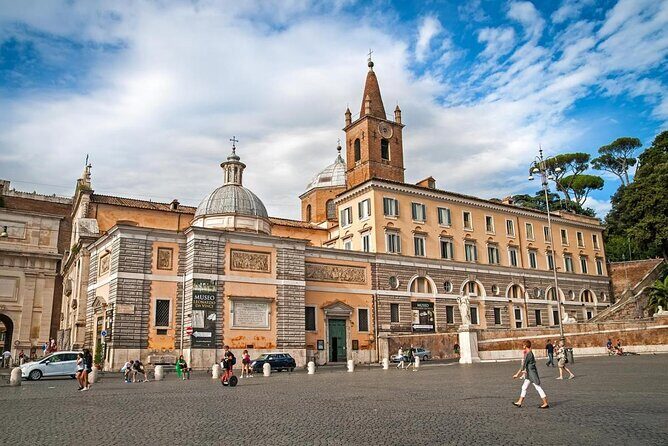
One of the best practical advantages is location. You can end at Piazza del Popolo and keep moving without changing zones.
Some reviews suggest going at night when it’s quieter. That’s a strong strategy here, because a small museum gets more comfortable when the pace slows down and you can take your time with the interactive models.
Then you can cross the road and wander Piazza del Popolo for shops and restaurants. One review even recommends carbonara at a restaurant by the Canova hotel in the piazza. You can treat the museum as the thinking stop, then switch to food and people-watching.
If you’re doing a day around the Spanish Steps or Villa Borghese, this museum can be the connector piece. You’ll finish in time to keep your walking loop going.
Practical details that can save you frustration
This museum is inside a basilica setting, so it can feel warmer than you expect. One review specifically advises taking water. I’d follow that advice, especially if you’re doing it on a hot Rome day.
Restrooms
Plan for limited facilities. A review notes there are no restroom facilities in or around the museum. If you’re going with kids or if you’re sensitive to timing, it’s smart to handle bathroom needs before you enter.
Renovation visibility
Another review notes that the church above the museum was covered up for renovation at the time of their visit. You might still get value from the museum exhibits, but if you’re hoping to see everything above, it’s worth keeping expectations flexible.
Staff support
Most reviews are positive about friendly, helpful staff. That’s not a small detail. In a self-guided museum, knowing you can ask a question and get help makes the whole visit smoother.
Who should book this and who might skip it
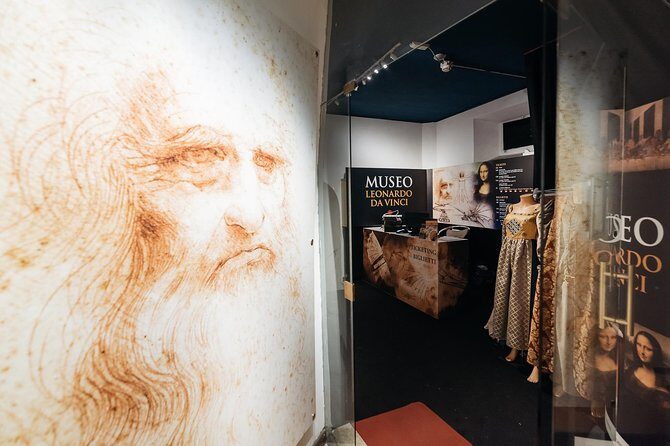
Book this if you like:
- Hands-on science and art connections
- Short museum stops you can finish without stress
- Families with older kids who enjoy machines and drawings
- People who want a quieter alternative to big, crowded mega-museums
Skip or reconsider if:
- You specifically want original Leonardo artworks in a traditional gallery format
- You need a very long museum experience (this is mostly a 1 to 2 hour visit)
- Bathroom access is a must for your group
Should you book the Museo Leonardo da Vinci tickets?
Yes, if you’re looking for a compact, good-value Rome stop that explains Leonardo’s ideas with physical models and readable context. The combination of pre-booked admission, hands-on reconstructions, and the art-to-invention storyline makes it worth the time for most people.
I’d especially recommend booking if you’re already near Piazza del Popolo, the Spanish Steps, or Villa Borghese and want something smarter than a quick photo stop. Just go in with the right expectations: it’s an educational experience with recreations, not a blockbuster museum of original treasures.