REVIEW · POMPEII
Best of Pompeii & Herculaneum: Private Tour with an Archaeologist
Book on Viator →Operated by Tours with an archaeologist · Bookable on Viator
One day, two ruins, one brainy guide.
This private tour strings together Pompeii and Herculaneum, both UNESCO sites, so you see how Romans lived in both a busy city (Pompeii) and a more domestic, compact setting (Herculaneum). I like that the guide focus stays on day-to-day life—what people ate, worked, shopped for, and talked about—so the stones feel human, not just dramatic.
My favorite part is the private archaeologist angle: you get real answers to real questions. In past tours, guides like Roberto have handled tough questions about both the eruption day and everyday routines of Pompeiians, and Giada has been described as funny, kind, and great at guiding you through what you’re seeing. The other thing I really like is the mix of “big public” spaces in Pompeii with the more personal, decorated interiors in Herculaneum—so you get variety without feeling rushed through everything.
The main consideration is simple: entrance fees and optional costs add up. The tour price doesn’t include the park admission (listed at €40 per person), and if you add lunch or private transport, your budget will climb. Also, this experience needs good weather, and changes can happen if conditions are poor.
In This Review
- Key takeaways before you go
- Two UNESCO parks, one clear theme: how Romans actually lived
- Where Pompeii takes you first: public buildings and street-level Roman life
- Theaters: entertainment as a daily habit
- Thermal baths: where routines met culture
- The Forum area: civic life and the city’s decision-making vibe
- The Lupanare: the famous brothel stop
- Herculaneum’s sweet spot: private houses, shops, and decorated rooms
- Private houses: frescos, mosaics, and stucco you can actually picture
- Shops and everyday buying: bakery and thermopolium
- The private archaeologist factor: the Q&A that makes ruins make sense
- Time, pacing, and meeting points that keep the day smooth
- Your start and finish locations
- Group size and ticket type
- Weather matters
- Price and value: what you’re paying for (and what you still need to budget)
- What you should bring and how to make the visit easier
- Who this tour fits best
- Should you book this Pompeii and Herculaneum private archaeologist tour?
- FAQ
- How long is the Pompeii and Herculaneum private tour?
- What’s included in the tour price?
- Are the entrance fees included?
- Can I add lunch or private transportation?
- Where do we meet and where does the tour end?
- What happens if the weather is bad?
Key takeaways before you go
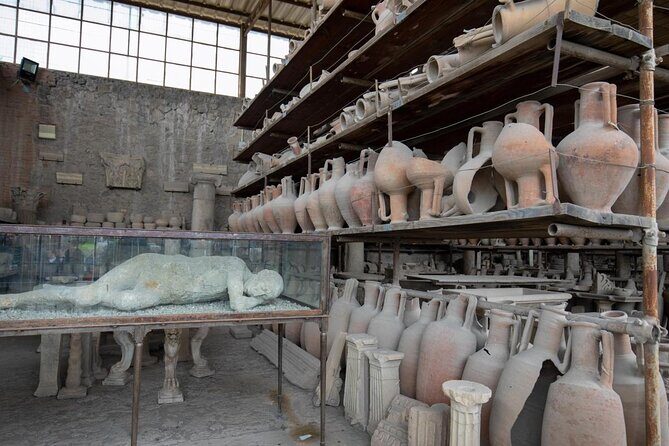
- Two UNESCO sites in one tour: Pompeii’s public world and Herculaneum’s private, decorated spaces
- Private pace with an archaeologist: ask questions and get explanations tied to what you see
- Pompeii highlights include public buildings like theaters, thermal baths, and the Forum area
- Herculaneum highlights focus on private homes, shops, and decorated rooms (frescos, mosaics, stucco)
- A practical meet-and-end plan: you start in Pompeii and finish at Herculaneum’s park
- Plan for admissions: the €40 per person entrance fee is not included
Two UNESCO parks, one clear theme: how Romans actually lived
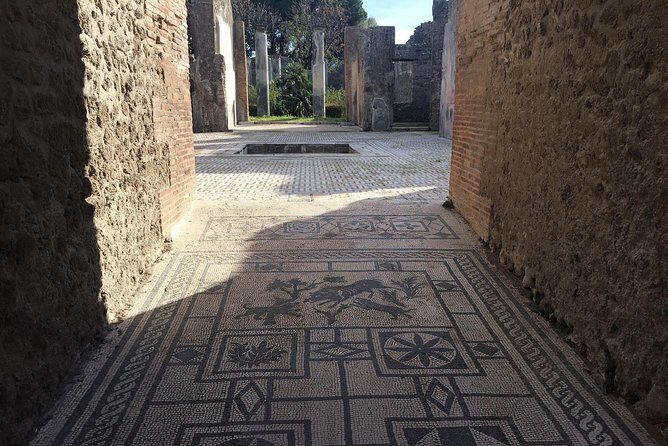
If you’ve ever visited a big ruin and thought, Okay… but what did normal people do there, this is the fix. The tour is built around the daily rhythm of Roman life, not just the disaster story. You’ll spend around 2 hours in Pompeii and about 1.5 hours in Herculaneum, so it’s long enough to feel the scale, but not so long that you’re stuck in museum-mode the whole time.
The value here is the pairing. Pompeii gives you the “public and social” side: places where crowds gathered, businesses operated, and people went for baths and performances. Herculaneum, though smaller, is famous for interiors and well-preserved decoration—frescos, mosaics, and stucco—so you can picture homes, shops, and the look-and-feel of everyday spaces.
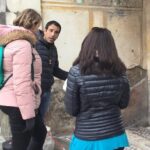
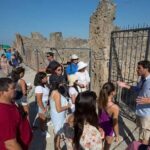
Because it’s private (only your group), the archaeologist can adjust the pace to your interests. If you want more time near a specific building or you’re curious about a specific trade or space type, you’re not stuck with a rigid script meant for 30 people.
You can also read our reviews of more private tours in Pompeii


Where Pompeii takes you first: public buildings and street-level Roman life
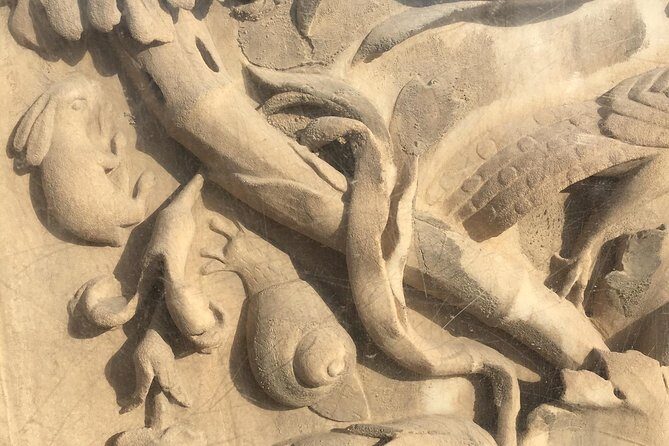
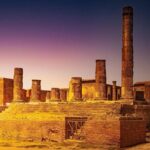
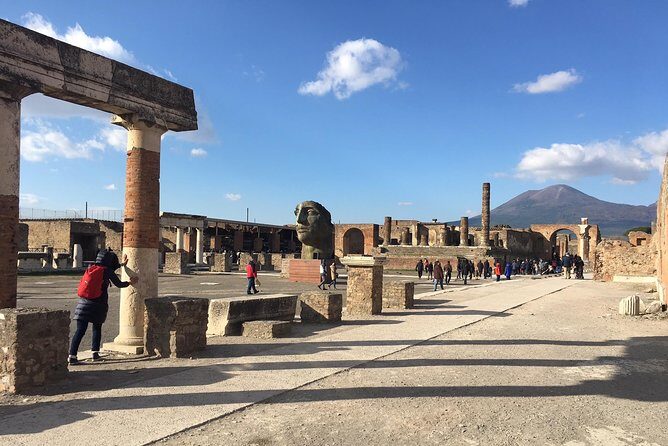
Your Pompeii time is focused on the highlights that explain how the city functioned. Expect to see public buildings and key areas such as theaters, thermal baths, and the Forum and its surroundings. This is the part that helps you understand Pompeii as a living city—how people socialized, how they spent leisure time, and how civic life worked.
Theaters: entertainment as a daily habit
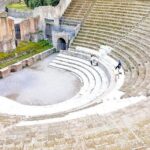
In Roman cities, theaters weren’t occasional luxuries. They were part of how people spent time, talked, and stayed connected. When you stand in these spaces, it helps to have an expert guide because the “what you’re looking at” becomes clearer: where spectators sat, how the space was used, and why the setting mattered.
Thermal baths: where routines met culture
Baths were more than hygiene. They were a social hub. Seeing the thermal bath area with an archaeologist helps you translate ruins into a routine you can actually imagine—people coming in, moving through different zones, and using the space as a meeting point. It’s one of those places where archaeology turns from objects into a schedule.
The Forum area: civic life and the city’s decision-making vibe
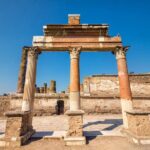
The Forum and its surroundings are where you get the city’s “center of gravity.” Even if you don’t know the Roman system going in, the guide can walk you through what the space represents and why it mattered. You’ll come away with a better sense of how public spaces shaped everyday behavior.
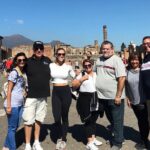
The Lupanare: the famous brothel stop
Yes, you’ll also see the Lupanare—Pompeii’s well-known brothel. It’s not a side quest. It’s part of understanding the full spectrum of city life, including businesses that served urban demand. If you’re a little uncomfortable, that’s normal. Still, it’s historically relevant, and a guide can keep it factual and grounded in how the site functioned.
Practical note: Pompeii is big, and the tour gives you about 2 hours here. That’s enough to cover the big blocks without sprinting nonstop, but you should expect some walking and sun exposure.
Herculaneum’s sweet spot: private houses, shops, and decorated rooms
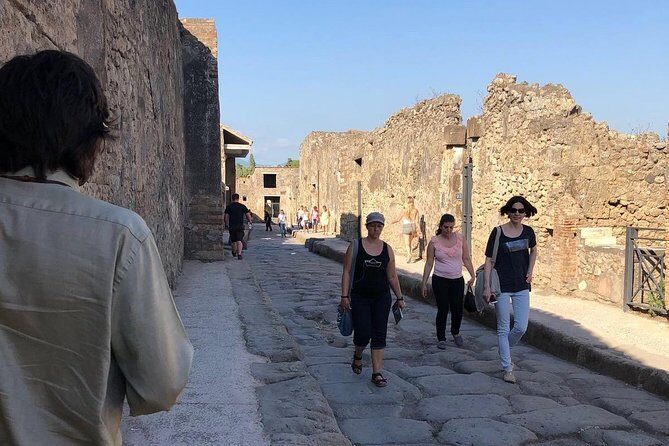
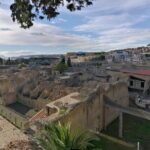
Then you shift gears. Herculaneum feels different because the focus is more domestic and commercial—more “who lived here and what did they see every day?” Less emphasis on huge crowds, more on homes and the decorated details that made private life feel specific.
Private houses: frescos, mosaics, and stucco you can actually picture
At Herculaneum, you’ll see private houses decorated with frescos, mosaics, and stucco. These details are the reason so many people want to visit Herculaneum in the first place. Pompeii tells you about public life; Herculaneum helps you visualize interiors—how rooms looked, how walls were treated, and how decoration signaled taste and status.
This is where having an archaeologist really helps. When you know what you’re looking at—materials, placement, typical design choices—the decoration stops being background art and becomes evidence of everyday preferences.
Shops and everyday buying: bakery and thermopolium
The stop also includes shops like a bakery and a thermopolium (a kind of snack and drink place). These details matter because they show that the city’s survival depended on routine businesses, not just monumental buildings. You’ll get a grounded feel for how people ate and bought food, not just what elite Romans might have done.
Practical note: The Herculaneum portion is about 1 hour 30 minutes. It’s a good length for soaking in the decorated spaces without turning the visit into a blur.
The private archaeologist factor: the Q&A that makes ruins make sense
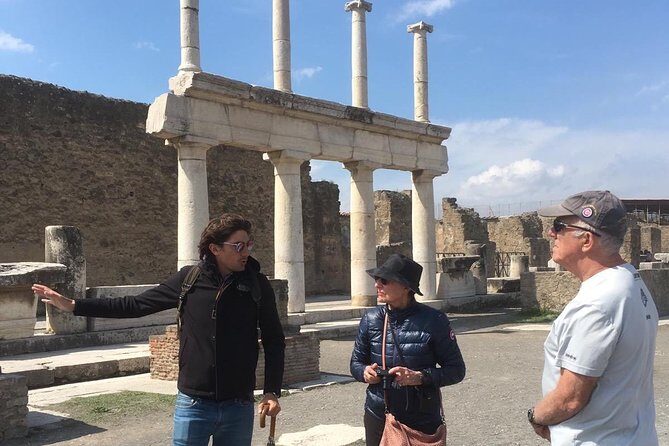
A guide can either recite dates—or make you see what’s in front of you. From what’s been shared about past guides (including Roberto and Giada), the standout quality is how well they handle questions and explain things in a way that fits the site.
Here’s what that means for you on the ground:
- You can ask why certain rooms or spaces are arranged the way they are.
- You can connect a building you’re standing in to everyday behavior (baths, entertainment, shopping, housing).
- If you’re curious about the eruption and what happened that day, you’ll get answers that connect the big event to the lived experience of the people who were there.
One practical upside: because it’s your group only, you’re not stuck waiting your turn for explanations. You can keep the conversation going as you walk.
And yes, there’s a real-life bonus: Giada has been described as recommending a great pizza place afterward. So even if your day is about archaeology, don’t be shy about asking your guide for a simple dinner plan when you’re done.
Time, pacing, and meeting points that keep the day smooth
The tour runs about 4 to 5 hours total. That time window is doing real work: it’s enough to meaningfully cover two parks, but not so long that you lose your focus halfway through.
Your start and finish locations
You start at Piazza Esedra, 10/13, 80045 Pompei NA, Italy. You end at the Archaeological Park of Herculaneum, Corso Resina, 187, 80056 Ercolano NA, Italy. That means your logistics are slightly “one-way” across the two sites, so plan your next stop accordingly.
Group size and ticket type
It’s listed for up to 8 people, and it’s offered in English. You’ll also get a mobile ticket. The private setup keeps the experience feeling more tailored, and the small group size makes it easier to hear explanations as you move.
Weather matters
The tour requires good weather. If it’s canceled due to poor conditions, you’re offered a different date or a full refund. So if you’re traveling with flexibility, keep an extra day in mind when possible.
Price and value: what you’re paying for (and what you still need to budget)
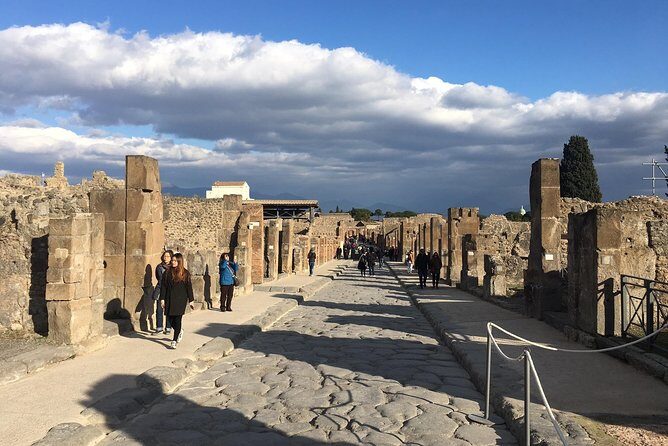
The price is $720.91 per group (up to 8) for 4 to 5 hours. That’s not cheap at first glance, but you’re buying two things that group pricing can struggle to deliver: a private setting and a specialist archaeologist at both parks.
Here’s how I think about value with this kind of tour:
- If you were doing it solo, you’d still pay for entrance tickets and you’d likely spend time wandering without the guidance that turns ruins into answers.
- If you’re a small group (friends or family), the cost spreads, and you get a truly personalized experience rather than “follow the leader” pacing.
Now the non-negotiables:
- Entrance fees are not included: €40.00 per person for the archaeological parks.
- Lunch is optional: a light lunch break is listed at 20 euros per person.
- Private transportation is optional: listed from 350 euros with a professional driver.
So your realistic spend becomes the tour fee + park admission + any optional add-ons you choose. If you’re staying nearby and can get yourself between sites comfortably, you can often skip the driver and keep the day simpler.
What you should bring and how to make the visit easier
This is archaeology outdoors, across two sites, with walking. Pack smart so you’re not paying the tourist tax later:
- Water (especially if you’re there on a hot day)
- Sun protection
- Comfortable shoes for uneven ground
- A light layer if evenings cool down
Also, go in with at least a couple of questions. The best part of a private archaeologist is not just seeing stones—it’s using the guide’s expertise to answer the “why” behind what you’re looking at.
Who this tour fits best
This is ideal if you want more than photos. You’ll get the most out of it if you:
- Like to understand how daily life worked in the past
- Want a guide who can explain what you’re seeing as you walk
- Prefer a small private group pace over big-group tours
- Are interested in both Pompeii’s public spaces and Herculaneum’s decorated interiors
If you’re the type who wants to rush, skim, and just hit the must-sees, you might feel the time limit. But if you enjoy learning and you like asking questions, the format is a strong match.
Should you book this Pompeii and Herculaneum private archaeologist tour?
I’d book it if you care about context—how people lived, worked, shopped, entertained themselves, and used spaces like baths and homes. The private format, combined with an archaeologist who can answer questions (and guides like Roberto and Giada who have been praised for explanation and warmth), makes this more than a standard highlight loop.
I’d hesitate if budget is your top priority, because the entrance fees (€40 per person) plus optional lunch and optional private transport can push your total higher. Also, if your travel dates are rigid and weather is unpredictable, remember this experience depends on good weather.
If you want a day that feels both structured and human—two UNESCO sites with guidance that actually helps you look—you’ll likely enjoy this one.
FAQ
How long is the Pompeii and Herculaneum private tour?
It runs about 4 to 5 hours total, with approximately 2 hours in Pompeii and 1 hour 30 minutes in Herculaneum.
What’s included in the tour price?
The tour includes a local expert archaeologist as your private guide. You’ll also receive a mobile ticket. Entrance fees and optional items like lunch or private transport are not included.
Are the entrance fees included?
No. You’ll need to pay €40.00 per person for entrance to the Pompeii and Herculaneum archaeological parks.
Can I add lunch or private transportation?
Yes. A light lunch break is optional at 20 euros per person, and private transportation is optional with a professional driver from 350 euros.
Where do we meet and where does the tour end?
You meet at Piazza Esedra, 10/13, 80045 Pompei NA, Italy. The tour ends at Archaeological Park of Herculaneum, Corso Resina, 187, 80056 Ercolano NA, Italy.
What happens if the weather is bad?
This experience requires good weather. If it’s canceled due to poor weather, you’ll be offered a different date or a full refund.