REVIEW · PRIVATE
Baths of Caracalla Exclusive Private Guided Tour and Tickets
Book on GetYourGuide →Operated by Tour in the City - Travel Agency Rome - · Bookable on GetYourGuide
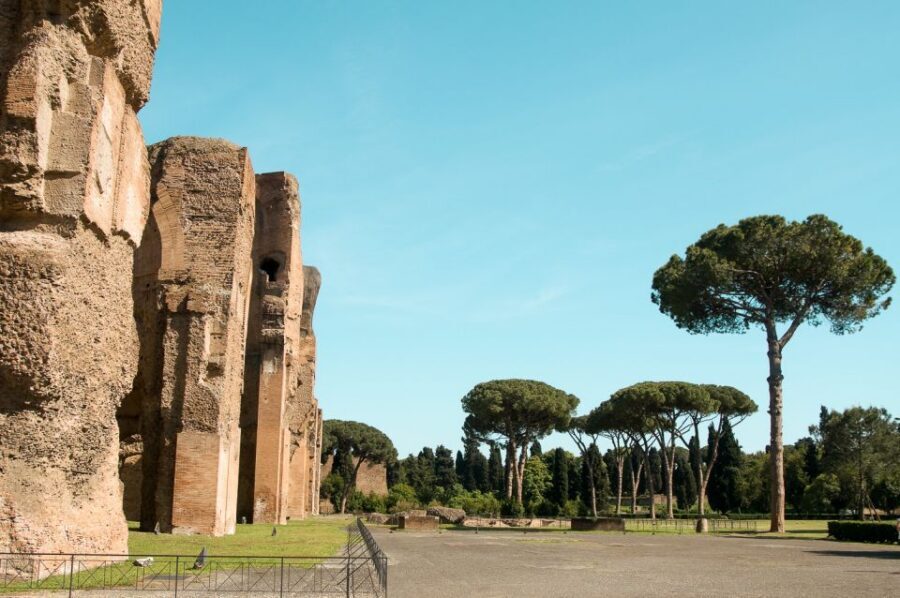
Caracalla’s baths still feel like a machine. This private visit takes you into the second largest public baths of Ancient Rome, built in 212–217 AD under Septimius Severus and Caracalla. You’ll get a skip-the-ticket-line entrance and an English-speaking guide who explains what you’re actually looking at, not just dates.
I especially love the way an art historian guide connects the ruins to everyday life. You’re not only seeing colossal stonework; you’re learning how Romans used this place as more than a bathroom stop. Built to hold up to 1,500 people at a time, the complex also included a library, gym, and public gardens.
The main drawback is simple: there’s moderate walking, so you’ll want comfortable shoes and a realistic pace. Also, the site is a ruin—expect steps and uneven ground even on a well-run tour.
In This Review
- Key things you’ll appreciate on this Baths of Caracalla tour
- Why the Baths of Caracalla are worth your time (even in a city of ruins)
- Starting at Viale delle Terme di Caracalla: quick logistics that actually matter
- The art historian guide: what you gain beyond a standard ticket
- Walking the complex: vaulted rooms, porticoes, and scale you can feel
- The heating system and Roman engineering you can spot in person
- Mosaic floor fragments: the detail that rewards your attention
- How this tour fits with other Rome sights
- Price and value: what $191.45 gets you (and what to consider)
- Who this Baths of Caracalla private tour suits best
- The bottom line: should you book this private Caracalla tour?
- FAQ
- How long is the Baths of Caracalla exclusive private guided tour?
- What language is the tour guide?
- Is this a private tour?
- Where do I meet the guide?
- Does the price include tickets?
- Do I skip the ticket line?
- How much walking is involved?
- What should I wear or bring?
- Is it wheelchair accessible?
- What’s not allowed during the visit?
- Can I get a refund if my plans change?
Key things you’ll appreciate on this Baths of Caracalla tour
- Art historian storytelling that turns ruins into routine: bathing, exercise, reading, and social life
- Best-preserved Roman bath areas you can visually follow, even without a background in architecture
- Parts of the heating system that show how Roman “hot” worked in practice
- Colossal vaulted rooms and porticoes that make the scale feel real, not just theoretical
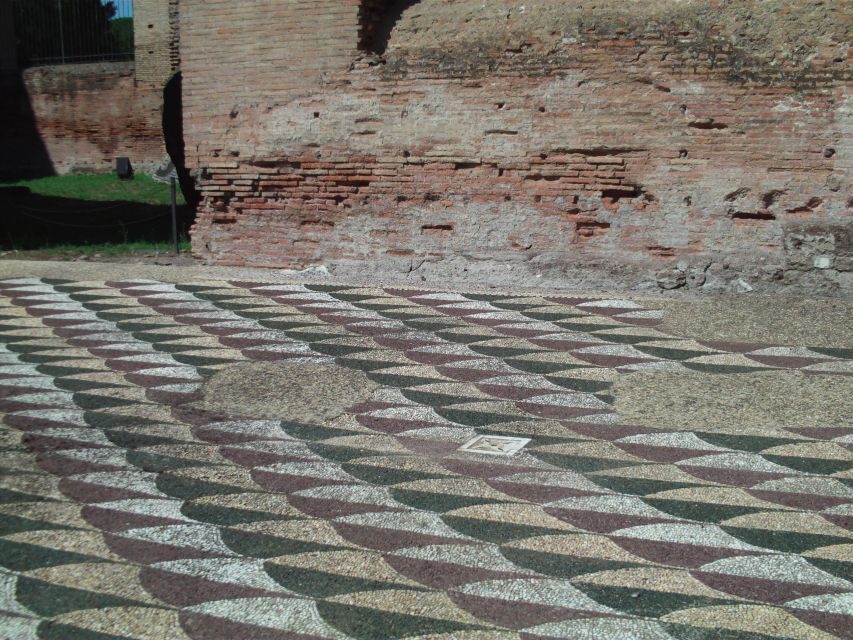
- Fragments of original mosaic floors that reward slowing down for details
- Private pacing in a shorter visit window, so you don’t get herded like a landmark stop
Why the Baths of Caracalla are worth your time (even in a city of ruins)
Rome gives you a lot of “big stone” to look at, but the Baths of Caracalla hit a different note. They were built between 212 and 217 AD, during the reigns of Septimius Severus and Caracalla, when Roman power showed up in public architecture. And since this was the second largest bath complex in the city, the scale makes you feel how serious the Romans were about public life.
What I like about this site is that it’s not just one room. The complex was designed like a full-day destination: bathing plus exercise, plus cultural space in the form of a library, and even public gardens. When you see the remains as a system—movement between spaces, changing temperatures, and areas for different activities—it stops being a collection of ruins and becomes a functional venue.
A private format matters here. In a general entry, you might wander and connect dots slowly. With a guide shaping the story for you, the site starts to make sense fast: what each area was for, why certain parts were engineered the way they were, and how the bath complex fit into Roman social rhythms.
You can also read our reviews of more tours and experiences in Rome



Starting at Viale delle Terme di Caracalla: quick logistics that actually matter
This tour meets at the entrance to the Baths of Caracalla on Viale delle Terme di Caracalla and returns right back to the same meeting point. That sounds minor, but in Rome it’s a big deal: less time figuring out where to go, more time inside the site.
The tour duration is listed as 1.5 hours, while the guided visit stop notes a 2-hour guided tour. In practice, plan for roughly that window and keep your schedule flexible around it. Baths tours often run “longer than expected” because the best-preserved parts deserve a slow look.
You’ll also want to dress for walking. Smart casual is suggested, and comfortable walking shoes are the real requirement. Bring your passport or ID card—it’s listed, and you don’t want that last-minute scramble at the entrance.
The art historian guide: what you gain beyond a standard ticket
This isn’t a “here’s the view, take a photo” tour. The value is in the interpretation. You’ll have a private art historian tour guide speaking English, with a private walking tour format that stays focused on what you’re seeing.
The guides are praised for strong historical and architectural framing. In the feedback connected to this experience, names like Emilio, Evy, and Justine come up for the same reason: they help you picture how the baths worked as a daily environment, and they do it with specifics instead of vague commentary.
That matters because baths can feel confusing at first. You’re looking at fragments, walls, and vaulted spaces. A guide helps you read the site like an architect: where the heating system was routed, what the layout suggests about crowd flow, and why certain areas remain more intact than others.
If you’re visiting Rome and trying to understand the Roman Empire beyond the headline attractions, this kind of guide-led context is one of the fastest ways to level up your visit.
Walking the complex: vaulted rooms, porticoes, and scale you can feel
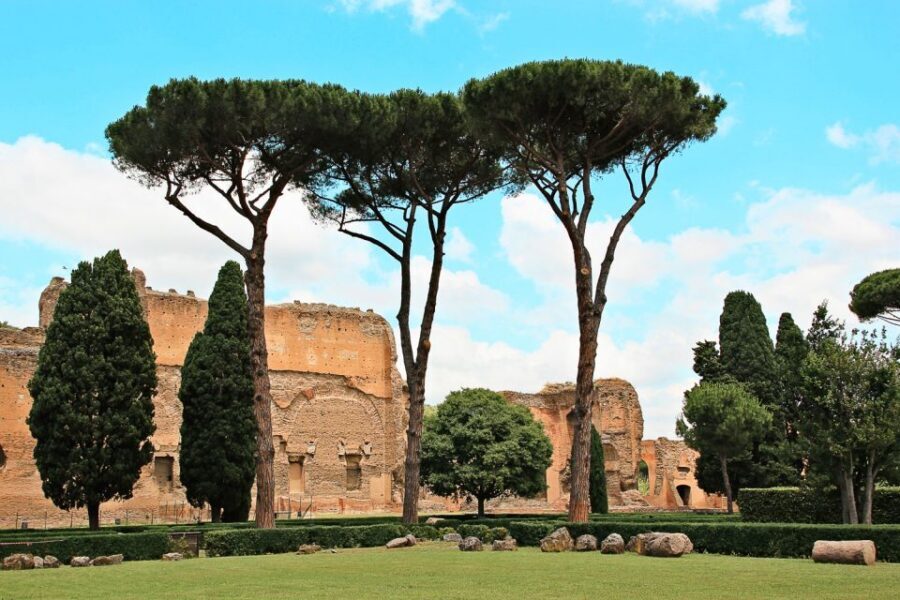
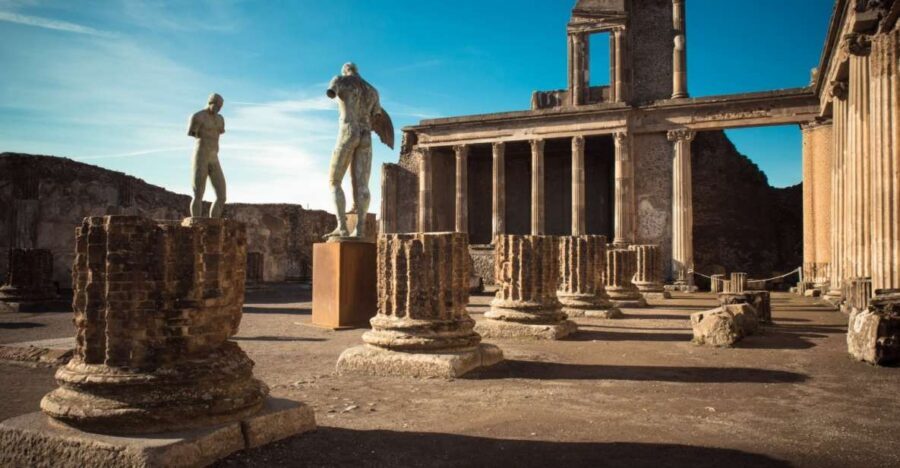
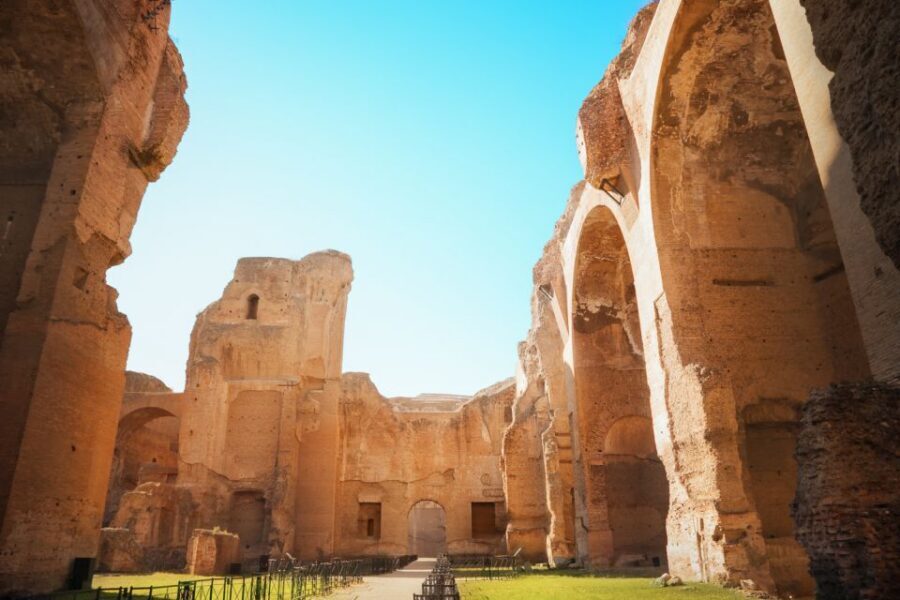
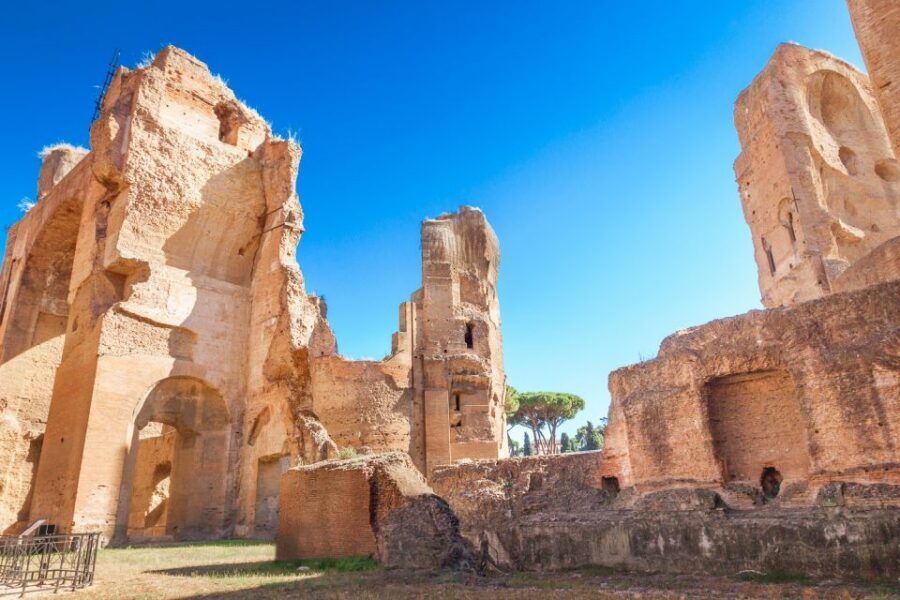
Once you’re inside, you’ll focus on the remains of the second largest public baths of Ancient Rome—and the important word is remains. The complex is partly broken, but it’s also one of the best-preserved bath sites in Rome, which is why it works so well on a shorter private tour.
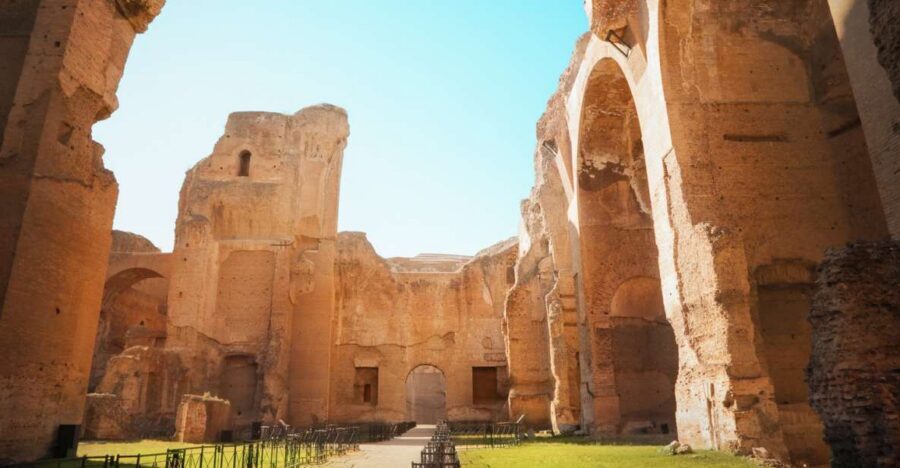
You can expect to see imposing vaulted rooms and porticoes. Those vaulted forms weren’t decorative. They were part of how Romans covered large interior spaces efficiently while managing light and movement. In other words, this isn’t only about what’s left; it’s also about how Roman builders solved big problems.
A private tour makes it easier to notice “how you would actually move.” You’ll follow a guided path through the site instead of guessing where to look next. That’s especially useful here, because bath complexes were designed like mini-cities: you’d never just linger in one spot the way you might in a modern museum.
One small caution: the tour requires moderate walking, and ruins don’t offer a smooth, flat surface. If you’re prone to tired legs on uneven ground, pace yourself and bring water (you can’t rely on food or drinks being available as part of the tour).
The heating system and Roman engineering you can spot in person
One of the most tangible parts of the Baths of Caracalla experience is seeing the heating system remains. This is where the Roman Empire stops feeling abstract.
Baths required temperature control, and Roman engineering made that possible. Even if you’re not an expert, you can learn what to look for as you move through the site. The guide helps connect the visible fragments to the idea of hot and warm spaces, and how those spaces were served behind the scenes.
This is one reason I think the tour is a strong value. Many guided tours at major ruins tell you what happened historically. Here, you get both history and engineering logic, with real, visible clues. It’s practical archaeology: you’re learning how a system functioned and why that system needed certain structures.
If you like hands-on learning—architecture, infrastructure, or Roman daily life—this part is your payoff.
You can also read our reviews of more guided tours in Rome




Mosaic floor fragments: the detail that rewards your attention
Bath floors were artistic, not just functional, and Caracalla has fragments of the original mosaic floors that you can still recognize as part of the bigger design. Mosaics weren’t random decorations; they helped define spaces and signal quality.
On a ruins visit, it’s easy to rush past the “small stuff.” A good guide keeps you from doing that. When you slow down for mosaic fragments, you start noticing patterns and placement: what areas likely mattered most, and how the bath complex balanced luxury with mass public use.
This is also where your brain shifts from “spot the ruins” to “understand the experience.” You start thinking about what it meant to walk across these floors, how the visual environment would feel, and how people’s daily routine included aesthetic details.
How this tour fits with other Rome sights
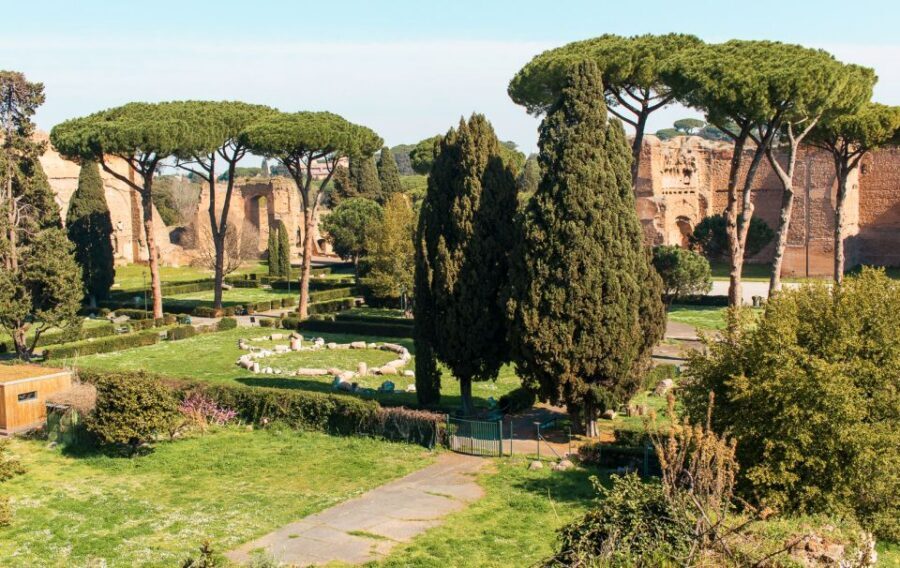
The Baths of Caracalla are a great companion stop for people who are already visiting other ancient Rome landmarks. The scale and function overlap with what you might see elsewhere—public buildings, crowd life, and Roman civic planning—but Caracalla does it through a more intimate lens.
For example, if you’re also spending time around the Forum and other central sites, this tour gives you a complementary story: not just politics and power, but how everyday Romans spent time. With the baths, you’re watching the Roman Empire work on a human level—social time, exercise, cultural routines.
It’s also a helpful change of pace. When your schedule includes multiple outdoor ruins, having a guide-directed path makes the day feel less chaotic. You’ll get clearer connections between sites, and the baths become part of a bigger picture instead of a separate box you tick.
Price and value: what $191.45 gets you (and what to consider)
At $191.45 per person, this isn’t the cheapest way to see the Baths of Caracalla. But it’s priced like a genuinely tailored experience.
Here’s the value math that matters:
- Private guide: You’re not sharing explanation time with strangers. You can ask questions and keep the pace aligned with your group.
- Tickets and entrance fees included: You’re paying for entry and a guide’s time together, rather than layering on extra costs.
- Skip the ticket line: Time savings in Rome is real, especially on popular attractions.
There’s also a key condition: a minimum of 2 people per booking is required. So if you’re traveling solo, this may not be the right fit unless you can pair with someone. If you are traveling as a couple or family, the private format usually feels worth it faster—because the guide can adjust explanations to how your group learns.
The other consideration is the time window. With an approximately 1.5–2 hour guided experience, you’re not doing a full, slow excavation tour. Instead, you’re getting the most meaningful parts highlighted with guided context. If you prefer a longer independent wander, you may still enjoy Caracalla later on your own, but the private tour is built for focused understanding.
Who this Baths of Caracalla private tour suits best
This tour fits well if you want more than photos and basic labels.
You’ll likely love it if:
- You enjoy art and architecture and want the “why” behind what you see
- You want Roman daily life explained clearly, with a guide who can connect the dots
- You’re traveling with family and want an English guide who can tailor pacing (the experience is described as suitable for the whole family)
There’s one more practical point to sort out before you commit. The information includes both wheelchair accessible and a note saying it’s not suitable for wheelchair users. If you or someone in your group uses a wheelchair, don’t assume. Ask the provider for confirmation about the exact route and what can be accommodated.
For anyone with limited mobility or anyone who hates uneven surfaces, it’s also smart to consider the moderate walking requirement. Bring comfortable shoes and plan for a steady pace.
The bottom line: should you book this private Caracalla tour?
I’d book this tour if you want the Baths of Caracalla to make sense fast. The combination of skip-the-ticket-line access, a private art historian guide, and focused attention on major features like vaulted rooms, porticoes, heating system remains, and mosaic fragments is a strong way to get real understanding in a short window.
Skip it only if you’re the type who prefers to wander at your own pace with minimal guidance and you don’t care much about how Roman engineering and daily routine worked. Otherwise, this is a high-value, meaning-rich experience that turns a powerful ruin into a place with purpose again.
FAQ
How long is the Baths of Caracalla exclusive private guided tour?
The activity is listed as 1.5 hours. The guided visit portion is also described as about 2 hours, so plan for roughly that time on site.
What language is the tour guide?
The live tour guide provides the tour in English.
Is this a private tour?
Yes. This is a private group tour with a private walking tour format.
Where do I meet the guide?
You meet at the entrance to the Baths of Caracalla on Viale delle Terme di Caracalla, Rome.
Does the price include tickets?
Yes. Tickets and entrance fees are included.
Do I skip the ticket line?
Yes. The tour includes skip-the-ticket line entry.
How much walking is involved?
There is a moderate amount of walking involved.
What should I wear or bring?
Bring your passport or ID card and wear comfortable walking shoes. The suggested dress code is smart casual.
Is it wheelchair accessible?
The information includes wheelchair accessible, but it also includes a note that it is not suitable for wheelchair users. You should confirm route details with the provider before booking.
What’s not allowed during the visit?
The tour notes that weapons or sharp objects, luggage or large bags, and walking frames are not allowed.
Can I get a refund if my plans change?
The activity states free cancellation up to 24 hours in advance for a full refund.