REVIEW · ROME
Basilica of Santa Maria Maggiore Tour
Book on Viator →Operated by ROMAETRAVEL · Bookable on Viator
Two hours, one legendary church.
This guided visit to Basilica di Santa Maria Maggiore is a smart way to see why Romans call it a major stop on the religious-and-art map. I like that you’re not just looking at pretty walls; you’re getting the story behind the 5th-century Byzantine interiors and the basilica’s big role in papal Rome.
What I especially like is the focus on the basilica’s signature devotion, Salus Populi Romani, and the art connections that make it feel like a sister stop to the Sistine Chapel vibe. A potential drawback: you’re dealing with a strict dress code (no shorts, no sleeveless tops; knees and shoulders covered), and if you want maximum time for quiet wandering, a 2-hour schedule can feel a bit fast.
In This Review
- Key Points I’d Highlight Before You Go
- Santa Maria Maggiore: Rome’s Marian Major Basilica in Two Hours
- Entering the Basilica: How a Guide Changes What You Notice
- The Byzantine Interiors: Your Main Visual Payoff
- Salus Populi Romani: The Devotional Heart You Should Actually Seek
- Rome’s Other Sistine Chapel: Pope Sixtus V and the Art Program Feel
- The Papal Residence Story: Why This Church Wasn’t Just for Worship
- Timing and Pacing: What Two Hours Feels Like in Real Life
- Dress Code and Practical Comfort: The Rules That Affect Your Entry
- Meeting Point, Pickup, and Where the Tour Ends
- Price and Value: Is $173.39 Worth It?
- Who This Tour Suits Best (and Who Might Skip It)
- Should You Book This Basilica Tour?
- FAQ
- How long is the Basillica of Santa Maria Maggiore tour?
- What time does the tour start?
- Where do I meet the group?
- Is hotel pickup included?
- What does the tour cost?
- Is there a live guide?
- Is admission included?
- What’s the group size limit?
- What language is the tour in?
- What are the dress requirements?
- Can I get a full refund if I cancel?
Key Points I’d Highlight Before You Go
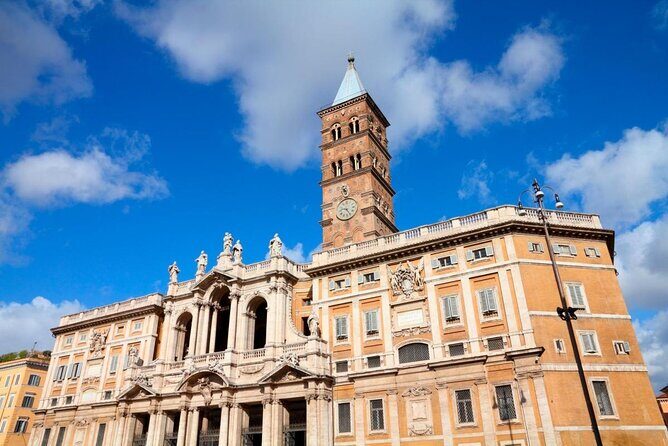
- Small group (max 14) keeps the pacing readable and questions possible
- Pickup within the Aurelian Walls saves you from the sidewalk shuffle
- Byzantine interiors from the 5th century are the real visual anchor
- Salus Populi Romani connects devotion to history and papal ritual
- Pope Sixtus V art themes give you a reason to look up (and not just at the door)
- Dress-code enforcement is real, so plan your outfit
Santa Maria Maggiore: Rome’s Marian Major Basilica in Two Hours
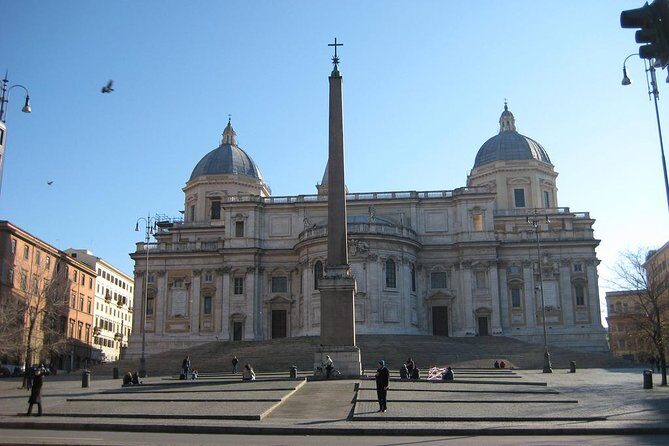
Santa Maria Maggiore has a particular superpower in Rome: it’s both ancient and still active. This is a major papal basilica, and it’s also the largest Catholic Marian church in the city. That combination matters because it means you’ll see artwork that wasn’t made for tourists first—it was made for worship, power, and public devotion.
On this tour, you’ll get a guided path that’s designed to make the building legible fast. Instead of wandering and guessing, you learn what you’re looking at and why it was important when it was created. The result is that the basilica feels like a living document, built up over centuries, not a static monument.
One of my favorite parts of the setup is the scale of the group. With a maximum of 14 people, the guide can actually move the conversation along, and you’re not stuck behind a wall of shoulders trying to hear over a speaker system.
You can also read our reviews of more tours and experiences in Rome.



Entering the Basilica: How a Guide Changes What You Notice
You’ll start at Piazza della Repubblica, 48 and meet your group for a 2:00 pm departure. Then, if your hotel is within the Aurelian Walls, pickup is included. That matters because Santa Maria Maggiore is a central church, but Rome traffic and walking distances can turn a short visit into a long one if you’re on your own.
Once inside, the guide helps you “read” the place. Santa Maria Maggiore is one of the Patriarchal Basilicas of Rome, and it’s also noted for keeping its original structure—then getting enhanced over time. That detail is more than trivia. It explains why the basilica can feel both cohesive and layered: you’re seeing the results of centuries of additions, refurbishments, and changes in style and emphasis.
You’ll also get the kind of orientation that makes the rest easier: where to look first, what themes to spot, and what to ignore if you’re short on time. That’s the difference between admiring a church and understanding why it looks the way it does.
The Byzantine Interiors: Your Main Visual Payoff
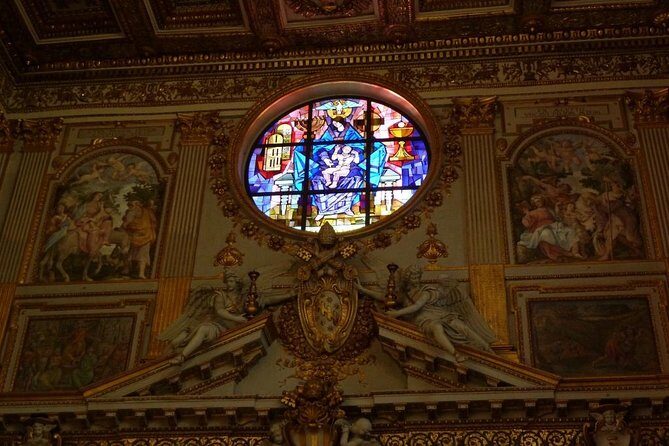
Santa Maria Maggiore’s big moment is its Byzantine interior art, including elements dating to the fifth century. This is the part that often stops people mid-step, because it’s not only decorative. The designs are meant to guide your eye toward sacred themes and communicate status and belief.
A lot of churches have “pretty.” Santa Maria Maggiore has “designed.” The guide will point out the visual logic, so you can understand what the mosaics and interior programs are doing. You don’t have to memorize names and dates. You just need to know what you’re seeing, and a good guide makes that simple.
Also, you’ll get a heads-up about where key details can hide in plain sight. One of the most interesting specifics you may catch is how some chapels handle contrast—like seeing devotional imagery in materials that feel unusual, such as black marble used for angels/cherub details rather than the more expected lighter stone. It’s the kind of detail that’s easy to miss without a guide saying, look right there.
Salus Populi Romani: The Devotional Heart You Should Actually Seek
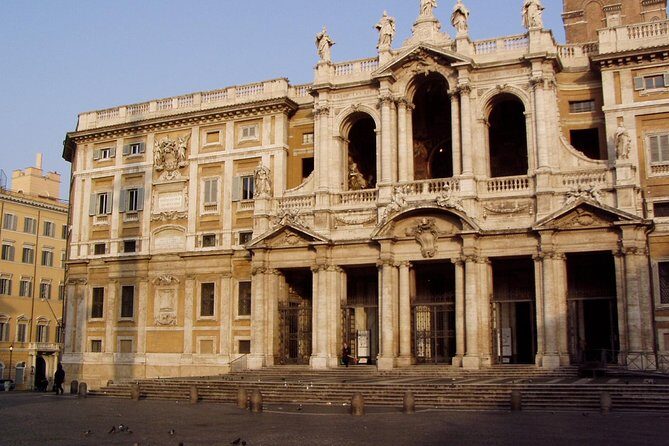
If you only remember one thing from this tour, make it Salus Populi Romani. This basilica enshrines the revered image of the Blessed Virgin Mary as the help and protectress of the Roman people. That framing is important because it keeps the visit from becoming purely aesthetic.
There’s also a clear historical marker tied to the image. You’ll learn that Pope Gregory XVI granted a canonical coronation on 15 August 1838, backed by a papal bull titled Cælestis Regina. Even if you don’t care about formal religious terms, you should care about what this tells you: this devotion wasn’t a small local thing. It was significant enough to be officially recognized and celebrated.
A guided tour helps you understand why a specific image can matter so much. You’ll see the basilica’s role as a public religious site, not just a place where people quietly pass through. That context turns your photos from snapshots into meaning.
Rome’s Other Sistine Chapel: Pope Sixtus V and the Art Program Feel
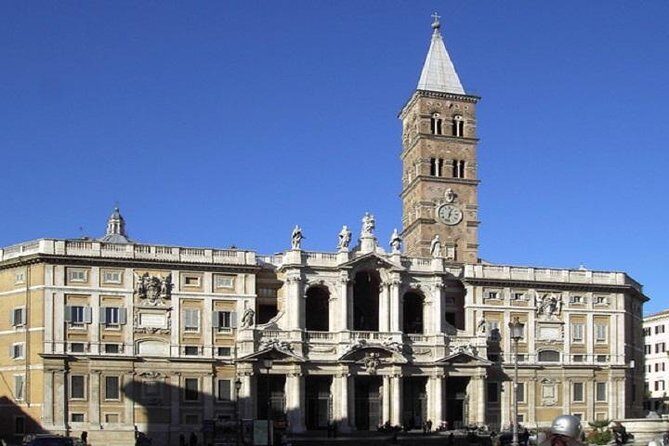
Santa Maria Maggiore is often described as having a kind of Sistine Chapel energy, and your guide will connect the dots to art associated with Pope Sixtus V. The “why” here is practical: when you know an artwork’s theme and purpose, you start noticing patterns—who is depicted, what scenes are emphasized, and how the artwork communicates doctrine and authority.
You should expect to see wall and ceiling storytelling that links religious narratives to the basilica’s mission. The effect is that the church becomes a visual scripture, not only a building for worship. One of the highlights is being shown how scenes from the Old and New Testament show up in the artistic programs, so you know what you’re looking at instead of guessing.
The guide’s job here is to help you not just admire the artistry, but spot the storyline. That’s why a guided format works well for this particular basilica. Self-guided visits can be good, but Santa Maria Maggiore rewards a bit of structure.



The Papal Residence Story: Why This Church Wasn’t Just for Worship
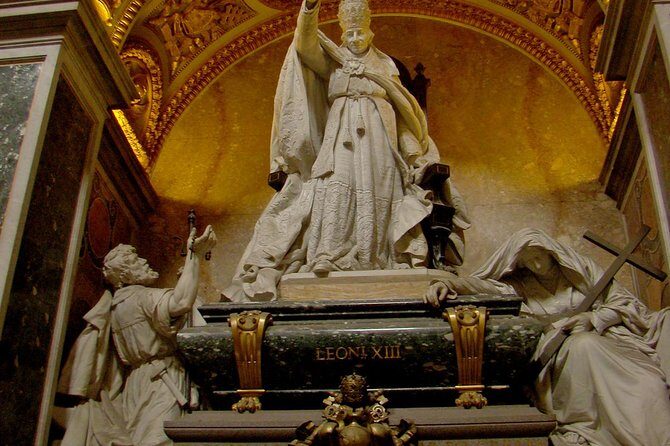
This tour also covers the political and personal side of the basilica. You’ll hear how Santa Maria Maggiore was used as a papal residence in the 1300s. That changes your lens immediately. When you understand a place served as a residence, you imagine different rooms, different rhythms, and different kinds of activity beyond prayer.
It also helps explain why you can find so much evidence of status inside. Churches of that era weren’t only religious spaces; they were part of governance and public influence. The guide will connect those dots so you understand what it means that popes were tied to the basilica in more than symbolic ways.
One particularly interesting detail you may encounter is that some notable figures are buried here. For example, the tomb of Borromini (spelled Boromini in one account) has been mentioned as a point to watch for during the visit. If your taste runs to art history and the human stories behind it, that kind of detail makes the tour feel more personal.
Timing and Pacing: What Two Hours Feels Like in Real Life
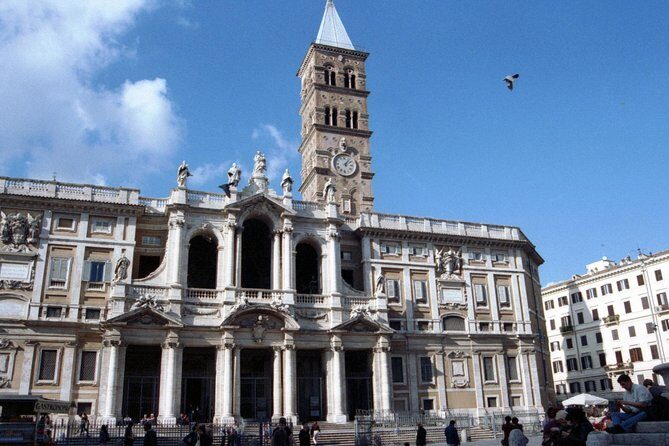
The tour runs for about 2 hours. That’s a decent amount of time to cover the big beats: interior highlights, the devotional centerpiece, and the papal-and-art context. Still, it’s not a slow museum-style crawl. It’s a guided orientation with time for looking.
This is where your expectations matter. If you want a long, deeply conversational session that lets you linger in every chapel, you might find the pace on the brisk side. If you prefer a structured walk where you get the meaning without getting buried in details, two hours is about right.
One thing to keep in mind is weather. Rome can swing fast between warm and cold, and a church visit can feel chilly in winter even if the building is active and cared for. I’d plan to bring a light layer so you’re not doing outfit gymnastics while trying to appreciate mosaics.
And yes, your guide can only do so much outdoors before it gets uncomfortable. The best strategy is to focus your energy on the interior program once you’re inside.
Dress Code and Practical Comfort: The Rules That Affect Your Entry
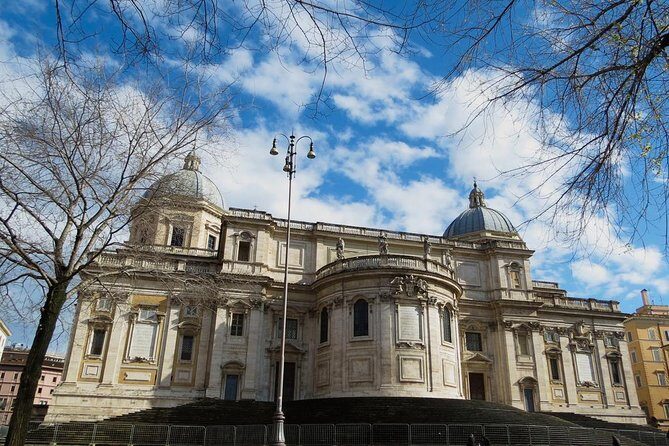
Read this part twice and save yourself stress. Santa Maria Maggiore has a dress code for worship spaces. No shorts. No sleeveless tops. Your knees and shoulders must be covered for both men and women.
If you don’t match that, you risk being refused entry. That’s not a “maybe” situation. So pick your outfit with a simple rule: shoulders covered, knees covered. A light scarf or a thin shawl can be a lifesaver, but it must actually cover.
Also, wear comfortable shoes. Even if you’re not doing a long walk across Rome, the experience depends on moving between points inside the basilica while paying attention to details. Good shoes make it easier to enjoy the art instead of thinking about your feet.
Meeting Point, Pickup, and Where the Tour Ends
Logistics are part of the quality of a tour. This one starts at Piazza della Repubblica, 48. Pickup is included only for accommodations within the Aurelian Walls. If your hotel isn’t clearly within that area, the operator says to email them with your hotel or B&B details so they can confirm.
The tour ends back at the meeting point. That’s a nice, low-friction finish if you’re planning lunch or an afternoon stroll afterward.
Also note the small-group limit and the fact that the tour is offered in English, which helps you get full value from the guide’s explanations. And since there’s a mobile ticket, you don’t have to hunt for paper confirmation when you’re standing outside.
Price and Value: Is $173.39 Worth It?
At $173.39 per person, this isn’t a bargain-basement church stop. But it’s not just a ticket either. The price includes live guide time, small group size (up to 14), and pickup within a defined area, plus a mobile ticket setup.
Here’s how I’d judge the value. If you’re the type of traveler who wants the stories behind the mosaics—why certain images were crowned, why papal leadership mattered here, how the art links to major popes—then this price can make sense because you’re paying for interpretation and time-saving logistics.
If you’re more of a grab-your-own-audio-guide and wander type, you may feel like you could do Santa Maria Maggiore independently. In that case, you’ll need to bring your own structure—otherwise you’ll see plenty and understand less.
For me, the sweet spot is this: if you want guided priority access to meaning in a short time window, the cost starts to feel reasonable. If you want maximum free time to browse quietly with zero schedule pressure, you may not love the fixed 2-hour framing.
Who This Tour Suits Best (and Who Might Skip It)
This is a strong fit for first-timers to Rome who want a meaningful church visit without spending hours organizing the day. It’s also a good match if you care about Christian art themes, the role of the popes, and why Santa Maria Maggiore is treated as a major Marian site.
It’s especially good for people who get overwhelmed by huge churches. With a guide, you don’t have to decide where to look first. You follow a plan and learn what matters.
On the other hand, if you’re extremely sensitive to pacing—if you need lots of time to sit and read every inscription—then the 2-hour timing could feel too short. And if the dress code is hard for your plans that day, you’ll want to modify your outfit early.
Should You Book This Basilica Tour?
I’d book it if you want a guided, efficient way to see why Santa Maria Maggiore is considered a major player in Rome’s church and art story. The combination of Byzantine interiors, the Salus Populi Romani devotion, and the Pope Sixtus V art connections gives you multiple reasons to pay attention the entire time.
I’d skip it if you’re strictly budget-focused and happy to go at your own speed with no interpretation. Also reconsider if you know your schedule can’t handle a structured 2-hour visit, or if you don’t want to deal with the knees-and-shoulders requirement.
Bottom line: this tour makes Santa Maria Maggiore easier to enjoy. You get the key ideas, and then you can decide what you want to revisit on your own after the tour ends.
FAQ
How long is the Basillica of Santa Maria Maggiore tour?
It runs for about 2 hours.
What time does the tour start?
The start time listed is 2:00 pm.
Where do I meet the group?
The meeting point is Piazza della Repubblica, 48, 00184 Roma RM, Italy.
Is hotel pickup included?
Pickup is included for accommodations within the Aurelian Walls. If your hotel is outside the list, you’re instructed to email the operator with your accommodation details to confirm.
What does the tour cost?
The price is $173.39 per person.
Is there a live guide?
Yes. The tour includes a live guide.
Is admission included?
The admission ticket is free.
What’s the group size limit?
This experience has a maximum of 14 travelers.
What language is the tour in?
The tour is offered in English.
What are the dress requirements?
You must cover knees and shoulders. No shorts or sleeveless tops are allowed, and you risk refused entry if you don’t comply.
Can I get a full refund if I cancel?
Yes. You can cancel up to 24 hours in advance for a full refund.