REVIEW · OSTIA ANTICA TOURS
Ancient Ostia Private Tour Led By An Archaeologist
Book on Viator →Operated by Archaeology in Rome - Archeoguidaroma · Bookable on Viator
Ostia Antica feels like a time machine. This private tour trades Rome crowds for Ostia Antica, one of the best-preserved Roman towns near the city, often compared to the Pompeii of Rome. You’ll get an expert guide to explain what you’re standing in—street life, public spaces, and the way the city worked.
I especially like the on-the-ground walking format: you’ll follow the main spine of the city along the Decumanus Maximus, then connect it to major public buildings like the theater and baths. I also like that the admission ticket is included, so you spend your energy on sights instead of admin. The archaeologist leading the tour is a big part of the appeal—guides such as Francesca are known for clear, passionate explanations.
One consideration: at about 4 hours, the route is packed with major highlights. If you prefer very slow pacing or lingering for lots of photos, you may want to know ahead of time that you’ll move through several key zones in a set schedule.
In This Review
- Key things to know before you go
- Ostia Antica in 4 hours: what makes this tour work
- The value equation: what you’re paying for at $297.93 per person
- Getting to Ostia Antica without losing the day
- Stop by stop at Ostia Antica: what each place teaches you
- Parco Archeologico di Ostia Antica: setting the stage
- Decumanus Maximus: the main street you can actually follow
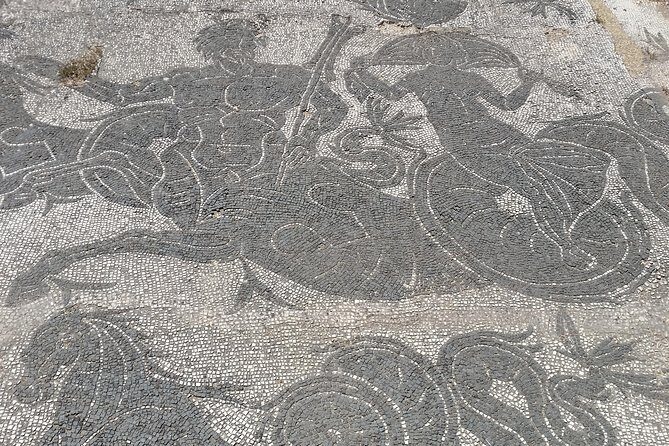
- Baths of Neptune: Roman leisure and civic routine
- Theater: public entertainment with city importance
- Square of the guilds: work, commerce, and community
- Forum: the civic center
- Capitolium: religion and power in one zone
- Baths of the Forum: more daily life, same central gravity
- Thermopolium: quick food and street-level culture
- Admission included: use the time wisely
- Who will enjoy this most (and who might not)
- The guide factor: what “archaeologist-led” really changes
- Practical planning tips for your Ostia day
- Should you book this private Ostia Antica archaeologist tour?
- FAQ
- How long is the Ostia Antica private tour?
- Is the entrance ticket to Ostia Antica included?
- Where do we meet for the tour?
- Is this tour private or shared?
- How far in advance should I book?
- How do I get to Ostia Antica from Rome?
- Can I cancel and get a full refund?
Key things to know before you go
- Archaeologist-led, not a lecture: you’ll get context while you’re actually looking at the ruins
- Main-street walking through Decumanus Maximus: it helps the whole city feel connected
- Big-ticket Roman sights in one loop: Baths of Neptune, theater, forum areas, and more
- Admission ticket included: easier value math at about $297.93 per person
- Private tour format: only your group participates, so you can ask more focused questions
- Meeting at Porta S. Paolo: handy if you’re staying on the east side of central Rome
Ostia Antica in 4 hours: what makes this tour work
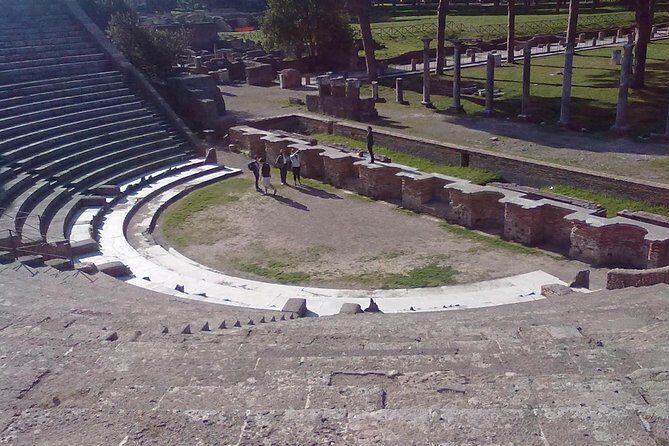
Ostia Antica is one of those places that makes Roman history feel usable. Instead of fragments in a museum, you get entire spaces: streets with logic to them, public buildings that show how people gathered, and ruins that still read like a city. The key advantage here is that you’re not just looking—you’re learning what those places were for as you move from one area to the next.
This tour also has a practical rhythm. It’s designed as a focused circuit inside the Parco Archeologico di Ostia Antica, with stops that build understanding. You start with the central layout, then branch out to the most recognizable buildings of everyday Roman life. That matters, because Ostia is big enough that a self-guided visit can feel like a checklist. A good guide turns it into a story you can walk through.
And yes, the “Pompeii of Rome” comparison is useful. Ostia Antica is repeatedly praised as one of the best-preserved Roman town sites, and that preservation is exactly what makes a guided visit pay off. The streets and architectural remains still hold enough structure that you can visualize how life worked there.
You can also read our reviews of more private tours in Rome



The value equation: what you’re paying for at $297.93 per person
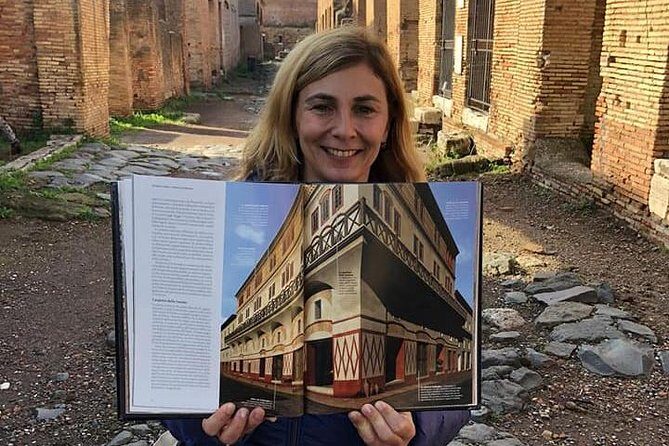
At $297.93 per person, this is not a budget outing. The upside is that the price is aligned with what you’re getting: a private, archaeologist-led experience with a curated route and the admission ticket included.
Here’s how I think about the value. You’re paying for three things that self-guided visits often lack:
- Time saved on figuring out what matters most inside the site
- Expert explanations tied directly to what you’re seeing
- The ability to ask questions at the moment something clicks (or doesn’t)
If your priority is learning—really learning—this is where the money can feel justified. If your priority is simply walking around ruins at your own pace, you might decide you don’t need a specialist guide.
So the right fit comes down to you. Are you excited by street layout, public buildings, and the “how did they use this place?” questions? If yes, this tour can feel like smart spending rather than just paying for access.
Getting to Ostia Antica without losing the day
The good news: Ostia Antica is easy to reach from Rome. It’s described as only a 35-minute train ride away. That’s a big deal. You don’t have to plan an entire day of travel just to see one site, and you can keep your Rome sightseeing schedule intact.
This tour starts and ends at the meeting point near Porta S. Paolo (00153 Rome). That also helps you avoid the stress of coordinating multiple end locations. The tour is designed to bring you back to the same place.
Timing-wise, you’re looking at about 4 hours total. That makes it a strong choice for a day when you want something “Roman” but less crowded than the core sights. You’re basically choosing a Roman city neighborhood outing, not adding another marathon attraction.
Stop by stop at Ostia Antica: what each place teaches you
This is a guided walk with distinct highlights, and each one has a job in the overall story of the city. Here’s what to expect from the route, plus how to get the most out of it.
Parco Archeologico di Ostia Antica: setting the stage
You begin at Parco Archeologico di Ostia Antica, the archaeological park that covers the town site. At the start, you’ll want to get your bearings fast, because Ostia is easier to understand when you know how the main pathways and central public zones connect.
The benefit of an archaeologist leading the way here is that you don’t just hear facts. You get context about the city’s layout and the logic of what you’re about to see. That’s how the rest of the stops land with meaning.




Decumanus Maximus: the main street you can actually follow
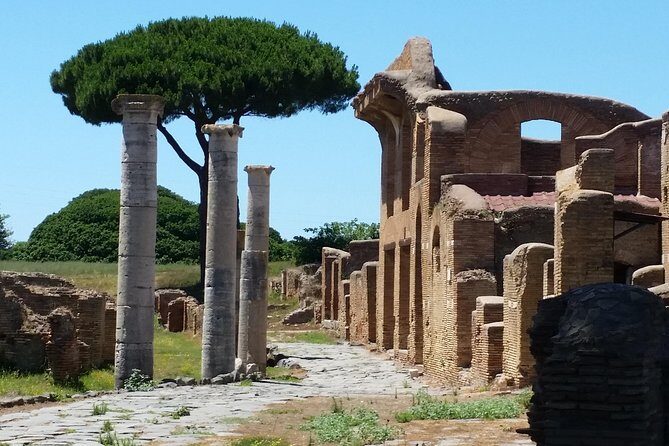
Next comes Decumanus Maximus, the main thoroughfare of the ancient town. This is one of the best spots for learning because a main street is where you can connect building purposes to daily routines. Markets, movement, gathering—this is where the city’s pulse would have been.
When you walk it with the guide, pay attention to how the street functions as a connector. Even in ruins, the placement of key buildings along or near the main route tells you how people would have moved through their day.
A practical tip: wear comfortable shoes. You’re on foot through a major outdoor site, and the best way to understand Ostia is to actually walk it rather than speed through.
Baths of Neptune: Roman leisure and civic routine
The Baths of Neptune are a major Roman highlight, because bath complexes weren’t just about hygiene. They were social spaces tied to daily life, status, and civic routine.
With a specialist guide, you’ll get more than “this was a bath.” The real value is understanding how baths fit into the broader city—where people met, how public spaces worked, and how architecture supported routines.
If you like architecture with a social purpose, this stop usually delivers. It’s also a strong example of how Roman engineering and design show up in everyday life.
Theater: public entertainment with city importance
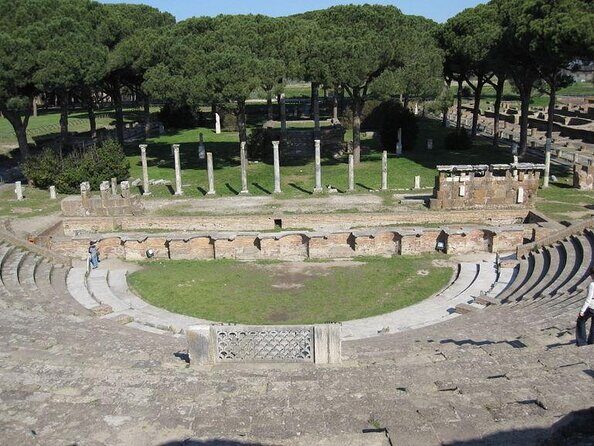
The route then includes the Theater. A theater tells you something important about a city: public entertainment mattered, and the city planned for it.
This is also where a guide’s skill really helps. Ruins can look “cool” from far away, but when someone explains how a theater functions and what it meant in the urban layout, you start seeing it as civic infrastructure rather than just another structure.
If you’re curious about Roman culture beyond politics and warfare, you’ll appreciate this stop. It gives a more human angle to the city.
Square of the guilds: work, commerce, and community
The Square of the guilds points toward how Ostia organized labor and commerce. Guilds imply structured groups—people linked by trade and craft—meeting and operating within a shared urban framework.
This is one of the stops that tends to feel especially satisfying if you like the economic side of history. You can connect it back to the idea of a real town, not a staged ruin. The guide’s explanations matter here because the “why” is what turns stones into meaning.
Forum: the civic center
Next is the Forum, the heart of civic life in Roman towns. Forums were not just places to speak; they were where decision-making, commerce, and public life blended together.
When you stand in forum-like spaces, you’ll want to watch the scale and the flow. A good guide helps you see how people would have used the space and how other buildings supported it.
Capitolium: religion and power in one zone
The route includes the Capitolium. A capitolium area signals the blend of religion and civic authority. In many Roman contexts, worship and governance are woven together, and Ostia’s remains reflect that.
If you’re interested in how Roman belief systems shaped public space, this is a stop that can make the city feel coherent. It’s not random; it’s placed with purpose.
Baths of the Forum: more daily life, same central gravity
You’ll also visit the Baths of the Forum, which is a good reminder that Roman civic centers weren’t only for meetings. They were surrounded by services and everyday conveniences.
This stop can be a “aha” moment: the forum pulls people in, and the baths keep them there as part of routine. That’s the kind of connection you miss when you only read about the site and don’t walk it.
Thermopolium: quick food and street-level culture
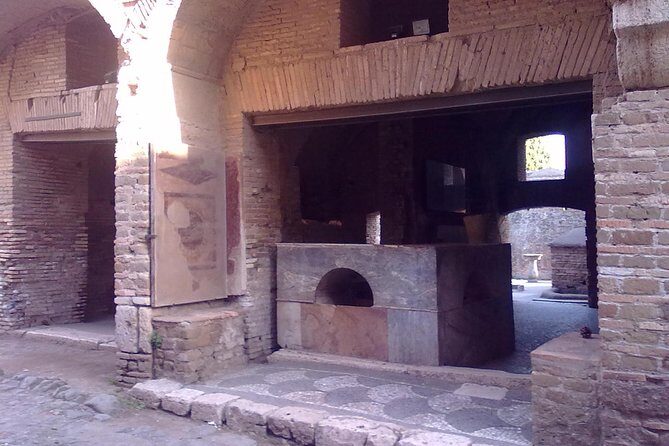
Finally, you’ll see the Thermopolium, a type of street-side food outlet. This is where Ostia can feel surprisingly modern. You’re looking at the kind of place where people grabbed something hot and kept moving.
A guide’s archaeology background helps here, because thermopolia aren’t just interesting objects. They show daily behaviors—where people spent time, what kinds of services existed, and how the city fed its own rhythm.
Admission included: use the time wisely
Because admission ticket is included, you can treat this as a straight guided experience rather than squeezing in pre-booking steps. In a site like Ostia, that matters. You’ll want time inside, not waiting around outside.
Who will enjoy this most (and who might not)
This tour fits best if you want expert interpretation and you like seeing how cities work, not just what they looked like. It’s also a great match if you’re short on time in Rome but still want a Roman experience that feels less crowded.
It may not be ideal if you:
- Prefer total freedom over a planned route
- Want to spend much longer in one area (the tour runs about 4 hours)
- Are looking for something budget-first rather than learning-first
For couples, friends, and small groups who want private attention, the “only your group participates” format can be a big quality upgrade. It also helps if you have specific questions about Roman streets, public buildings, or daily routines.
The guide factor: what “archaeologist-led” really changes
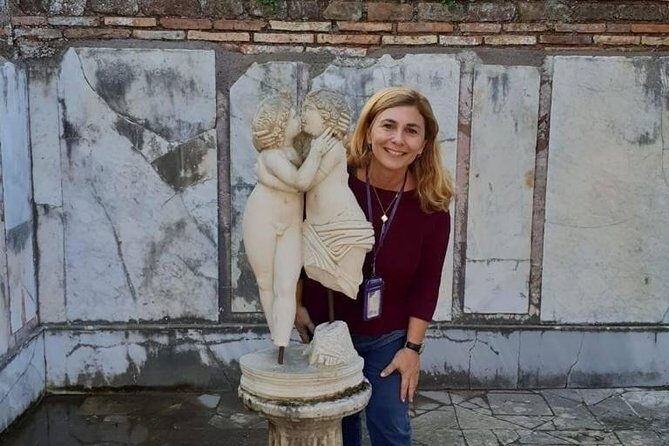
The standout theme in the tour’s reputation is the guide approach. In particular, archaeologist guides like Francesca are praised for being both passionate and fun, with lots of information tied to the sites you’re seeing.
That combination matters more than people realize. A tour can be knowledgeable and still feel dry. Here, the expert background is what keeps explanations grounded, and the enthusiasm is what keeps you paying attention.
You should expect the route to feel like a guided walk with meaning. If you’re someone who likes to understand what you’re looking at, this is the kind of guide style that helps the ruins click into place.
Practical planning tips for your Ostia day
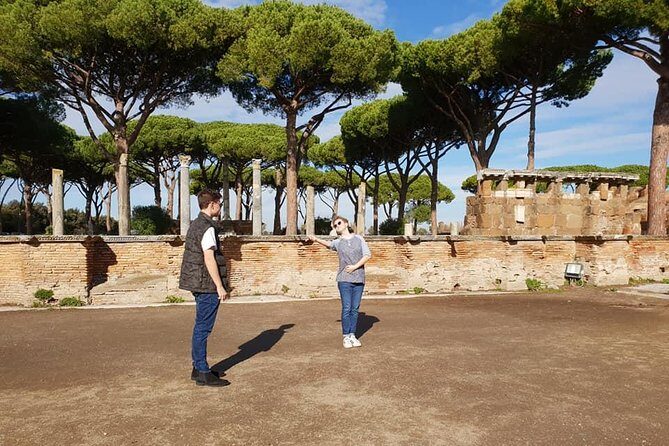
Here are a few things that help you get more out of a 4-hour private site visit:
- Wear comfortable shoes you can trust outdoors
- Bring a light layer, especially if the day shifts cool or windy
- Expect a walkable route with multiple stops, not a single-point visit
- If you care about photos, plan for some slow moments only where the guide pauses for key explanations
Also, remember the meeting point is near Porta S. Paolo. If you’re staying elsewhere in Rome, map your route to that side of town ahead of time so you don’t arrive stressed.
Should you book this private Ostia Antica archaeologist tour?
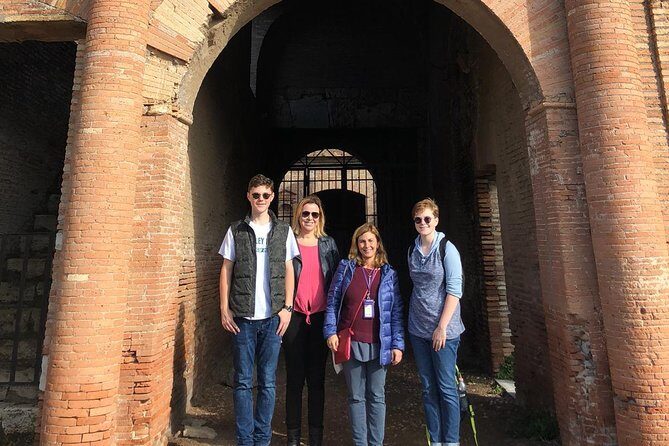
Book it if you want a Roman town experience with expert context, and you’re willing to pay for private attention and included admission. At about $297.93 per person, the best-case value is when you use the time to learn: street layout, civic spaces, and the everyday rhythm shown through baths, theater, forum buildings, and a thermopolium.
Skip or reconsider if you’d rather explore at your own speed and you don’t feel you need an archaeologist’s interpretation. Also, if you tend to spend very long periods in one spot, the set 4-hour structure may feel limiting.
My take: if Ostia Antica is on your “must see” list, this is the kind of tour that helps you see more than ruins. It helps you see how a real city functioned.
FAQ
How long is the Ostia Antica private tour?
The tour runs for about 4 hours.
Is the entrance ticket to Ostia Antica included?
Yes. Admission ticket is included with the tour.
Where do we meet for the tour?
The tour meets at Porta S. Paolo, 00153 Rome.
Is this tour private or shared?
It’s private. Only your group participates.
How far in advance should I book?
On average, this tour is booked 95 days in advance.
How do I get to Ostia Antica from Rome?
Ostia Antica is described as about a 35-minute train ride from Rome.
Can I cancel and get a full refund?
Yes, you can cancel for a full refund up to 24 hours before the experience’s start time.