REVIEW · 3-HOUR EXPERIENCES
3 hour Golf Cart tour of Rome with Gelato
Book on Viator →Bookable on Viator
This is the smart way to start Rome. The hotel pickup in a golf cart keeps you from wasting time crossing the city on foot, and the included gelato snack is a nice bonus that actually breaks up the sightseeing. I also like the way a guide like Onofrio connects the dots as you pass the famous spots.
Two more things I like: you get a smooth, low-effort loop through top landmarks, and you’re in good hands with an English-speaking guide for the story side. One consideration: key entrances are not included, and many stops are photo-stop length, so plan extra time if you want to go inside (and buy those tickets).
In This Review
- Key things to know
- Golf Cart Rome With Gelato: A fast, friendly overview
- Hotel Pickup in a Golf Cart: How you save time
- Pantheon Exterior to Trevi Coin Toss: The center-city loop
- Pantheon: dome first, history second (mostly from the outside)
- Piazza Navona: fountains and a great walking pause
- Piazza Colonna: a fast hit with big symbolism
- Trevi Fountain: coin toss, but manage the crowds
- Piazza di Spagna: Spanish Steps time, plus nearby fountain views
- Quirinale Palace viewing plus the Colosseum approach
- Quirinale Palace (Quirinale): Italy’s political home base
- Colosseum from the outside: still iconic, tickets separate
- Altare della Patria, Isola Tiberina, and Trastevere: softer moments after big monuments
- Altare della Patria (also called the monument in the Victorian Ala Brasini complex)
- Isola Tiberina: a tiny island break on the Tiber River
- Trastevere: cobblestones, cafes, and medieval street vibes
- Terrazza del Gianicolo: your payoff view
- Gelato and snacks: why this break matters
- Price and ticket math: what you’re really paying for
- Guide style and small-group pace (Onofrio is the name to remember)
- When to book and what to plan around it
- Who this Rome golf cart tour fits best
- Should you book this tour of Rome with gelato?
- FAQ
- How long is the Rome golf cart tour with gelato?
- Where do I meet the guide?
- What’s included in the price?
- What tickets are not included?
- How many people are in the group?
- Is the tour offered in English?
- Can most travelers participate?
- What happens if the weather is poor or I need to cancel?
Key things to know
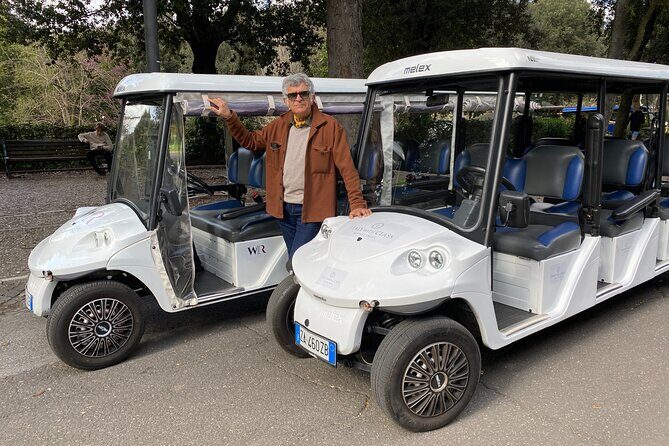
- Small group (max 7) means you’re not trapped in a huge bus crowd
- Hotel pickup happens 5 minutes before the start time, within golf cart range
- Gelato/snacks are included, so you can cool down without hunting for dessert
- Pantheon and Colosseum tickets aren’t included, so budget for entry if you want it
- Outside-focused viewing is built in, especially for the Pantheon and Colosseum
Golf Cart Rome With Gelato: A fast, friendly overview
This is a Rome tour built for momentum. In about 3 hours, you roll past the places most first-timers want to see, without doing the classic cardio tour that leaves you Googling ibuprofen in your hotel bathroom.
What makes it work is the mix: major sights, short stops, and real explanations. You’ll get enough detail to understand why each place matters, and enough time to get photos without feeling like you’re being herded.
Also, the included Italian ice cream matters more than it sounds. Rome days can get long and warm, and having a planned snack stop helps you stay in the moment instead of chasing calories and shade.
You can also read our reviews of more tours and experiences in Rome

Hotel Pickup in a Golf Cart: How you save time
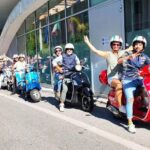
The pickup rule is simple. Your guide collects you about 5 minutes before the tour starts at your hotel, as long as it’s within golf cart range.
That single choice changes the whole experience. Instead of meeting at some far-off point and then walking while everyone else gets ready, you start where you already are. It’s especially helpful if you’re arriving from the train, carrying a day bag, or you just want your vacation to feel easy.
Golf cart touring also helps with pacing. You’ll still walk a bit near the sights, but the heavy lifting—crossing streets, moving between squares, and getting to viewpoints—is handled for you.
Pantheon Exterior to Trevi Coin Toss: The center-city loop
This first stretch hits a lot of the postcard Rome you probably pictured before you arrived. It’s also where the “outside viewing” style helps. You get to see the landmarks clearly without getting stuck in long entry lines you didn’t plan for.
Pantheon: dome first, history second (mostly from the outside)
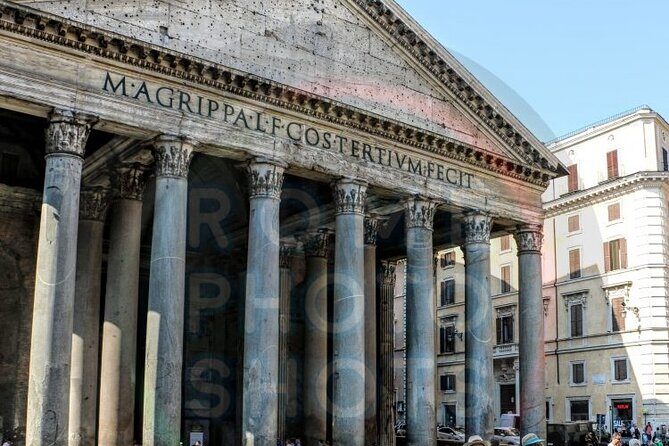
Your tour starts at the Pantheon, with a look from the outside for about 20 minutes. You’ll notice the famous dome and the big eye in the roof, the oculus, which is the kind of detail that instantly tells you this is not a normal building.
Important practical note: the Pantheon ticket is not included (cost listed at €7). If you want to go inside, you’ll need to budget and time for that yourself. But even staying outside, this is a strong opener because the architecture does most of the talking.
Piazza Navona: fountains and a great walking pause
Next is Piazza Navona for about 20 minutes. You’re in one of Rome’s classic baroque showpieces, with three famous fountains and the famous Fountain of the Four Rivers by Gian Lorenzo Bernini.
This stop is also a good reality check on how time works in the city. It can look effortless from the cart, but the square gets busy, so arrive with your “quick photos then people-watch” mindset. The tour layout makes that easy.






Piazza Colonna: a fast hit with big symbolism
Then it’s Piazza Colonna for around 5 minutes. The star is the Column of Marcus Aurelius, a reminder that Rome’s power wasn’t just political—it was also carved in stone and lined up for public viewing.
This is a short stop, but it’s useful. In a tight tour like this, tiny pauses at meaningful spots help you connect the larger monuments you’ll see later.
Trevi Fountain: coin toss, but manage the crowds
You’ll spend about 20 minutes at Trevi Fountain. The story focus is great here: myth, marble drama, and the tradition of tossing a coin to help guarantee your return.
The practical part: Trevi is always busy, so don’t plan on a slow, quiet moment. Work fast: choose a photo angle, take it, then enjoy the atmosphere for a bit before moving on.
Piazza di Spagna: Spanish Steps time, plus nearby fountain views
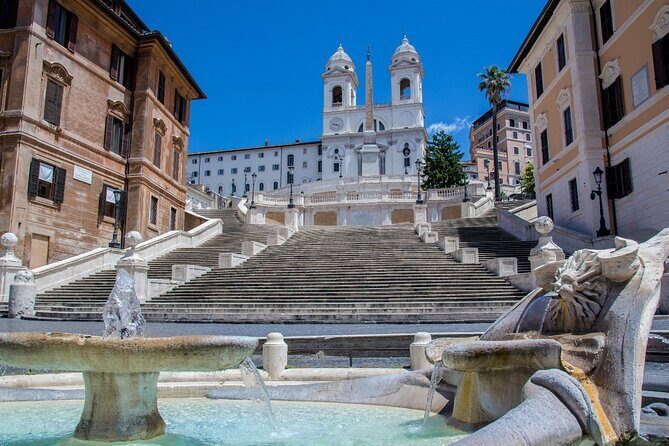
You get about 30 minutes at Piazza di Spagna, where the Trinità dei Monti Staircase and the Barcaccia Fountain are the headline acts. This area is also a mix of history and modern Rome shopping energy, which makes it a good “switch gears” moment in your day.
If you’re the type who wants to linger on stairs and shop windows, this is one of the best places in the loop for that. The timing gives you enough time to browse without feeling like you’re missing the next stop.
Quirinale Palace viewing plus the Colosseum approach
After the squares, the tour shifts into big-power Rome. You’ll feel the change in scale: larger structures, wider views, and monuments that were built to impress.
Quirinale Palace (Quirinale): Italy’s political home base
There’s a stop for the Quirinale, the historic palace that serves as the official residence of the President of the Italian Republic. The tour frames it as a look into political and cultural life, with grand architecture and surrounding gardens.
You won’t get a deep museum visit here based on the tour format, but it’s still a worthwhile add. It gives you perspective. Rome isn’t only ancient ruins and fountains; it’s also modern state identity living inside historic walls.
Colosseum from the outside: still iconic, tickets separate
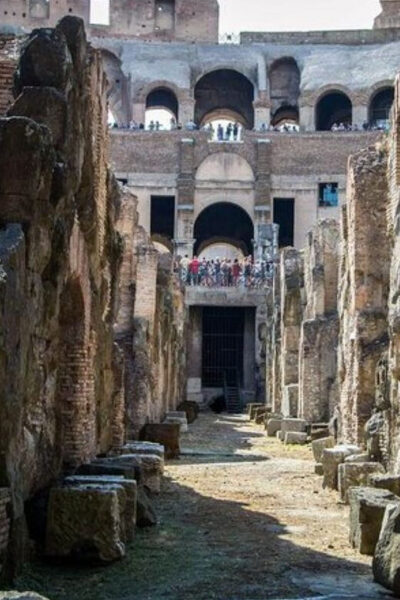
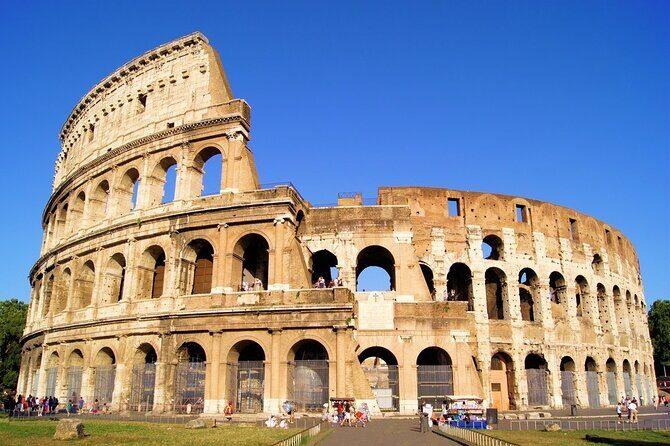
Next is the Colosseum for about 30 minutes, with viewing from the outside. You’ll get the basic shape, the scale, and the idea of how it worked as a stage for gladiators and public spectacles.
Budget note: Colosseum tickets are not included (the listing starts at €15). If you want to go inside, treat the tour as your introduction, not your full Colosseum day. The outside look is still excellent for orientation, especially if this is one of your first activities in Rome.
Altare della Patria, Isola Tiberina, and Trastevere: softer moments after big monuments
The tour doesn’t end on pure spectacle. It also adds a little calm and texture, which is exactly what you want before your feet start complaining.
Altare della Patria (also called the monument in the Victorian Ala Brasini complex)
You’ll spend around 10 minutes at the complex known as the Altare della Patria. The tour explains it as a monument tied to Italian national unity and identity.
This stop is short, but it helps you shift from ancient Rome toward Italy as a nation-state. You’ll also likely notice the views over surrounding areas, which is part of why this site is so photogenic.
Isola Tiberina: a tiny island break on the Tiber River
Then comes Isola Tiberina for about 5 minutes. It’s a small historic area connected to the city by ancient stone bridges, with Basilica of San Bartolomeo nearby.
This is one of the quickest “reset” stops in the whole day. The timing is tight, so use it to step in for a quick look, grab photos, and absorb the river calm before the next neighborhood.
Trastevere: cobblestones, cafes, and medieval street vibes
Next is Trastevere for around 15 minutes. You’ll walk a bit through narrow, cobbled streets and see the medieval feel that makes this neighborhood a favorite.
Even with a short stop, you get the idea: this is where you’ll want to return later for dinner or a second look around. The tour won’t turn into a full food crawl, but it points you toward where the best “Rome-at-walking-speed” happens.
Terrazza del Gianicolo: your payoff view

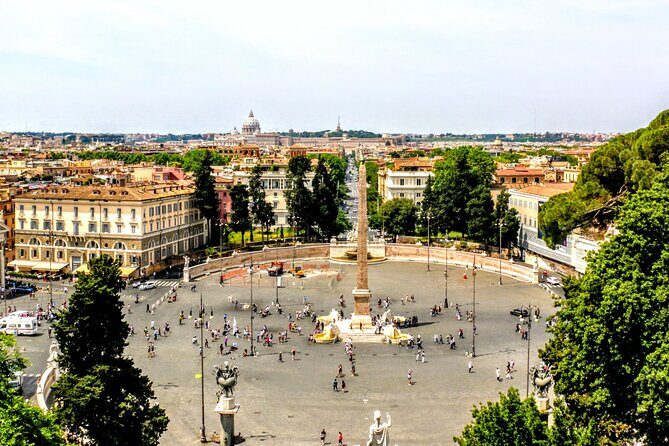
Your last stop is Terrazza del Gianicolo for about 20 minutes. This viewpoint is known for sweeping views across the city, including the dome of St. Peter.
This is the kind of stop where the bus-style version of Rome fails. Here, you end with a clear sense of scale. You’ll look back over the city you just saw and suddenly understand how all those landmarks fit into one map.
If you can time it for later in the day, even better. The tour description points to sunset emotions, and the Janiculum viewpoint is one of the best places in Rome to make that feel real.
Gelato and snacks: why this break matters
The tour includes snacks Italian ice cream, and that’s not just a cute marketing line. It helps in three practical ways:
1) It gives you a scheduled refresh so you don’t “accidentally” lose 45 minutes buying dessert in a hurry.
2) It keeps energy steady during a stop-and-go route.
3) It turns a 3-hour tour into something memorable, not only a list of landmarks.
If you’re picky about gelato flavors, you’ll likely have choices at the gelato stop. But either way, the fact that it’s included makes the value easier to calculate.
Price and ticket math: what you’re really paying for
The price is $167.01 per person for about 3 hours. What you’re getting for that price is not just “a person talking while you ride.” You’re paying for:
- Private transportation in a golf cart
- Hotel pickup within golf cart range
- A guided route that connects landmarks in an efficient circuit
- Included gelato/snacks
Now for the budget reality check: some major entrances cost extra. The listing specifically notes:
- Pantheon ticket starting at €7
- Colosseum ticket starting at €15
- Vatican tickets starting at €20 (not included)
And there’s a key detail in the tour style: several stops are designed as from-the-outside viewing. So you may not need entrance tickets to enjoy the experience, but you’ll want them if your goal is full interior visits.
A simple planning idea: treat this tour as your “first big orientation pass.” After that, you choose which sites are worth the extra time and ticket cost.
Guide style and small-group pace (Onofrio is the name to remember)
This is one of those tours where the guide can make or break your day. The praise here is very consistent: people loved the friendly, clear explanations and the fact the route felt tailored.
The name you’ll see connected to this tour is Onofrio. I also saw mention of Riccardo in guide praise. Either way, the common thread is storytelling that stays practical: what you’re looking at, why it’s famous, and what to notice in a quick stop.
You’ll also appreciate the small group size: maximum 7 travelers. That matters at places like Trevi Fountain and Piazza Navona, where space is tight and crowds can slow everything down.
One more smart tip pulled from real experience: if you have other booked tours later, it can help to tell your guide early. A couple of examples show the guide adjusting the route to avoid overlapping stops, which saves you time and ticket money.
When to book and what to plan around it
A lot of people book this tour about 57 days in advance on average. If you’re traveling during high season or you’re choosing a specific day, that advance booking habit is worth copying.
Also, this experience requires good weather. If conditions are poor, the operator should offer a different date or a full refund.
Finally, take it early if you can. A golf cart tour works best when it gives you the mental map for your later wandering. You’ll know which places you want to revisit on foot and which ones you can admire from the outside and move on.
Who this Rome golf cart tour fits best
This tour is a great fit if you want a fast, guided highlights route without the full-day walking.
It also tends to suit:
- First-time Rome visitors who want orientation
- Families or couples who want an easier way to see lots of sites in limited time
- People who prefer asking questions rather than reading a guidebook on the move
- Travelers who want a gentler pace in warm weather (the golf cart helps)
Service animals are allowed, and the tour notes that most travelers can participate. That’s a good sign if you’re deciding based on comfort and logistics.
Should you book this tour of Rome with gelato?
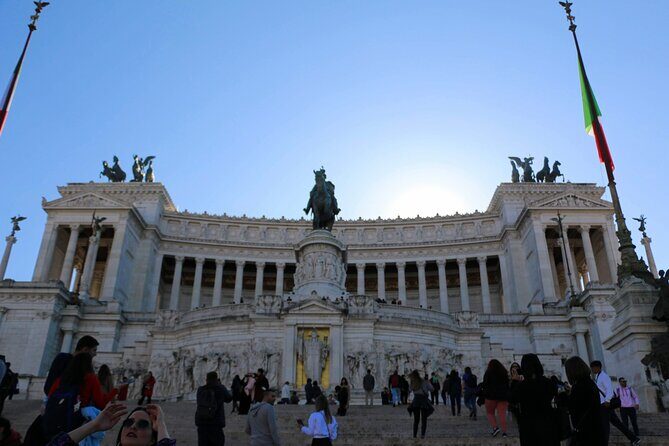
If your goal is to see the big names—Pantheon, Piazza Navona, Trevi Fountain, Spanish Steps, the Colosseum exterior, Trastevere, and Janiculum views—then yes, I’d book it. The value is strongest when you treat it as your first Rome pass and then build the rest of your trip around what you liked most.
Don’t book it expecting long museum visits or a guaranteed inside look at everything. Tickets for the Pantheon and Colosseum aren’t included, and the tour is structured around quick, guided viewing. If you want deep interior time at the biggest sites, plan separate entries after this tour.
If you’re the type who likes to arrive, get your bearings fast, and then wander with confidence, this is a very sensible way to start.
FAQ
How long is the Rome golf cart tour with gelato?
The tour lasts about 3 hours.
Where do I meet the guide?
You get picked up 5 minutes before the tour start time at your hotel, as long as it’s within golf cart range.
What’s included in the price?
It includes private transportation and snacks (Italian ice cream).
What tickets are not included?
Pantheon tickets (starting at €7) and Colosseum tickets (starting at €15) are not included. Vatican tickets are also not included (starting at €20).
How many people are in the group?
The tour has a maximum of 7 travelers.
Is the tour offered in English?
Yes, it’s offered in English.
Can most travelers participate?
The tour notes that most travelers can participate.
What happens if the weather is poor or I need to cancel?
You can cancel for a full refund up to 24 hours in advance. The experience requires good weather, and if it’s canceled due to poor weather you should be offered a different date or a full refund.