REVIEW · 3-HOUR EXPERIENCES
10 Wonders of Rome in 3 hours
Book on GetYourGuide →Operated by Lock Your Tour · Bookable on GetYourGuide
Rome moves fast, and this tour matches it. In just 3 hours you’ll cover Rome’s biggest headline sites on foot, with real context at each stop and handy photo moments along the way. I like that the route is built around what you can see from street level, so you’re not stuck waiting around with museum tickets, and the guide keeps you engaged with questions as you go (guides like Joseph, Isuf, and Drita are specifically praised for that style). One thing to think about: it’s not a slow stroll—expect 5.46 km of walking and 136 steps.
The payoff is that you get a broad sweep of Rome’s layers in one go: emperors, grand monuments, working religious spaces, fountains, and views. I also appreciate the practical coffee break, because Rome is best enjoyed with caffeine in hand, not only sightseeing photos. The possible drawback is fitness and health: it’s not suitable for kids under 11 or anyone with heart or respiratory issues, and it’s not wheelchair-friendly.
In This Review
- Key highlights you’ll feel right away
- The sweet spot: ten wonders, three hours, 5.5 km
- Start at Via del Monte Oppio and get on track fast
- Colosseum photo stop: seeing the scale without a ticket line
- Via dei Fori Imperiali: a straight shot through imperial Rome
- Piazza Venezia and the Vittoriano: a monument you can’t ignore
- Trevi Fountain and the Gregorian University corridor
- Hadrian’s Temple area: small stop, memorable feeling
- Pantheon from outside: a church that still works
- Spanish Steps: 136 steps worth it
- The café break for real Roman rhythm
- A secret viewpoint near Villa Borghese Park for the final hit
- Price and value: what you pay for and what you skip
- Comfort, fitness, and who this is not for
- Guides like Joseph, Isuf, and Drita make it feel interactive
- Should you book 10 Wonders of Rome in 3 Hours?
- FAQ
- How long is the tour?
- Where is the meeting point?
- What does the tour cost?
- What’s included in the price?
- Are monument tickets included?
- How much walking is involved?
- Is the tour wheelchair accessible?
- What language is the tour guide?
- Is there food or espresso included?
Key highlights you’ll feel right away
- Ten wonders in three hours, including the Colosseum exterior and a Pantheon church stop from outside
- A Via dei Fori Imperiali walk that shows Mussolini’s grand straight-line vision
- Two espresso moments built into the route for a real Roman rhythm
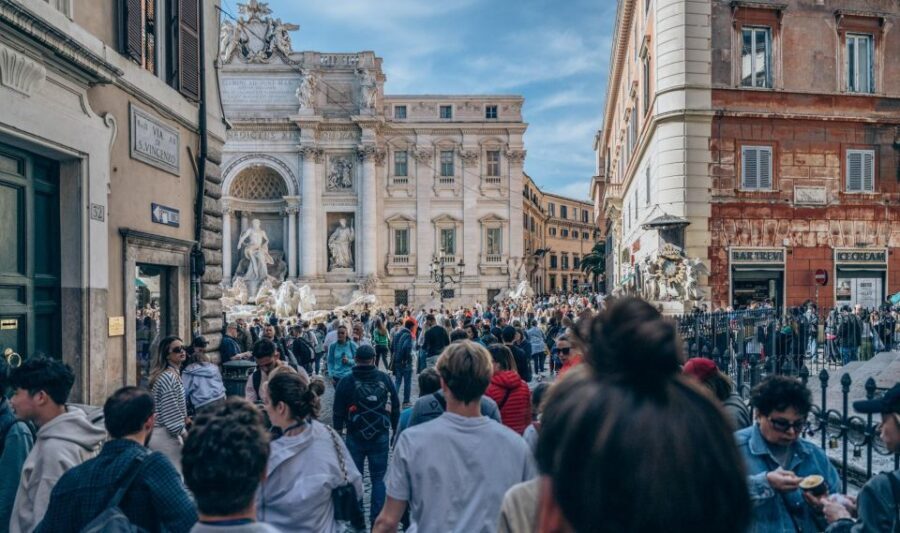
- Trevi Fountain and Piazza di Pietra area stops that balance photos with orientation
- A secret viewpoint near Villa Borghese Park designed for skyline moments
- Street-level sightseeing only, which keeps the pace brisk and the schedule reliable
The sweet spot: ten wonders, three hours, 5.5 km

This is a short-visit tour built for day-one Rome. At $47 per person, you’re paying for time saved and sense made. Ten famous stops in 3 hours is efficient, and the guide’s job is to connect what you’re seeing to why it matters.
The walking distance—about 5.46 km—is totally doable if you wear comfortable shoes and keep moving. The biggest fitness note is the 136 steps (you’ll feel it most with the Spanish Steps). If you’re used to city walking, this will feel like a purposeful training walk with sights attached. If you’re not, plan a gentle day before and a slower day after.
You’ll also learn the difference between seeing Rome quickly versus seeing Rome well. This tour aims for both: you get broad coverage now, then you can return later for the sites that grab you.
You can also read our reviews of more tours and experiences in Rome



Start at Via del Monte Oppio and get on track fast

Your meeting point is Via del Monte Oppio 3, 00184 Roma RM. The guide is scheduled to arrive at least 10 minutes early, so you’ll have time to find the group and settle your pace before you hit the first big landmark.
Look for the guide in front of the red house, identifiable by a Lock Your Tour flag or umbrella. This matters more than it sounds. Rome’s streets can feel like a puzzle when you’re new, and the first few minutes decide whether your tour feels smooth or stressful.
Once you’re grouped up, the tour starts with the Colosseum area and moves through the historic core in a logical flow. The point isn’t to cross Rome randomly—it’s to see a lot without zigzagging yourself into exhaustion.
Colosseum photo stop: seeing the scale without a ticket line
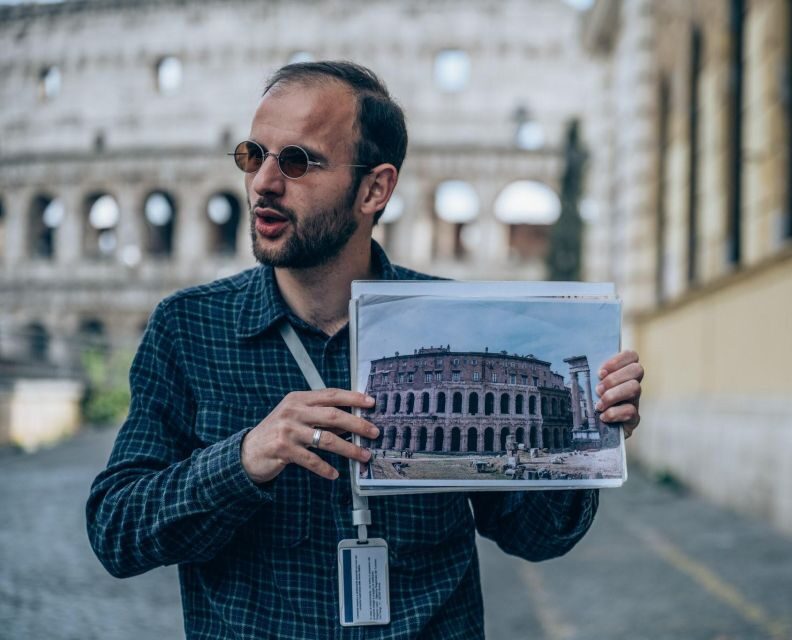
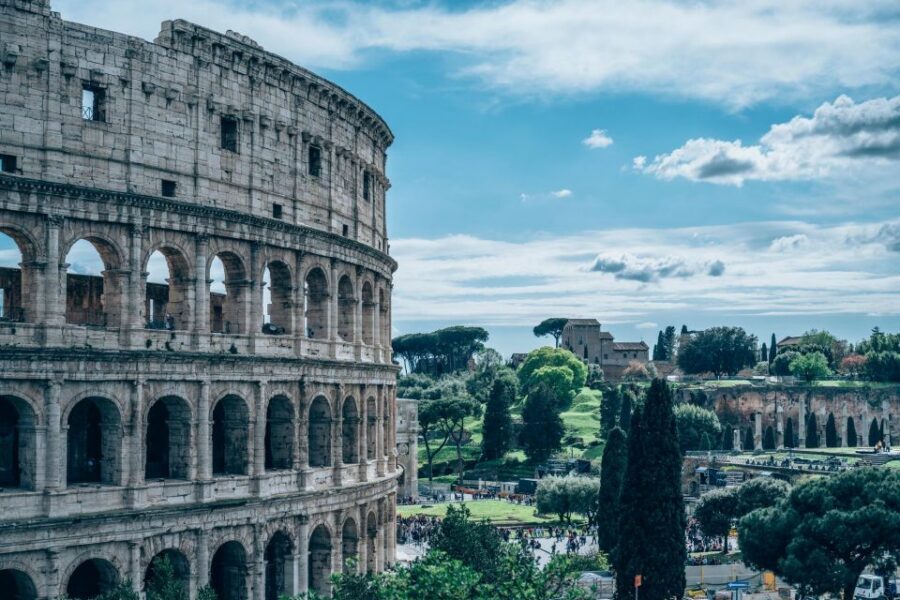
The first major moment is the Colosseum—about a 14-minute stop. You’ll get a photo moment, a guided look, and a guided explanation, all with the key idea that you can appreciate scale even from the outside.
The Colosseum is famous for a reason, but outside it can still be hard to interpret at first glance. Your guide helps you connect details to Roman priorities: spectacle, power, and engineering. You’ll also learn how to look, not just where to point your camera.
Because the tour includes no monument entry, you’re not waiting in lines for tickets. That helps keep the pace realistic for a 3-hour tour. The tradeoff is simple: you’re admiring from the outside, so if you want interior access or deep museum-style time, you’ll need a separate plan.
Via dei Fori Imperiali: a straight shot through imperial Rome

After the Colosseum, you’ll walk along Via dei Fori Imperiali for about 9 minutes, with scenic views and guided context. This is where the route gets interesting. You’re seeing a grand, straight corridor shaped by the way later rulers wanted Rome to look.
Mussolini’s influence shows up in the feel of the street: it’s wide, monumental, and built for an easy view corridor. If you’ve ever looked at old Rome photos and wondered why some angles look so dramatic, this is the kind of roadway that creates those sightlines.
You don’t need to love architecture to enjoy this segment. It’s a “get oriented” walk that helps you understand how different eras changed Rome’s layout, not only what ancient Romans built.
Piazza Venezia and the Vittoriano: a monument you can’t ignore
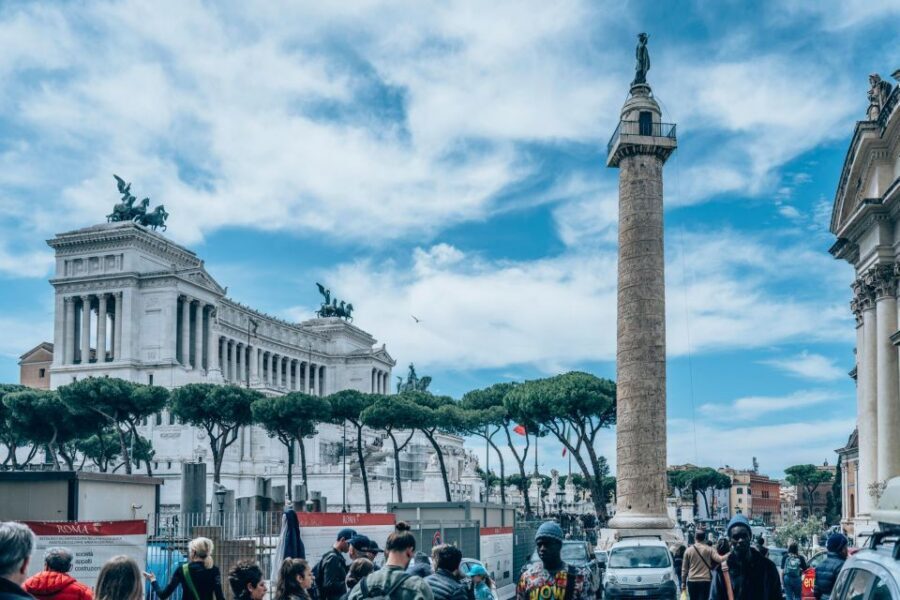
Next comes Piazza Venezia, including time for the Altar of the Fatherland (also called the Vittoriano). You’ll have about 15 minutes for photos, plus guided sightseeing.
This stop is more than postcard stuff. The Vittoriano is a symbolic monument, and your guide will point out what makes it politically and historically meaningful. It’s one of those sites where your brain starts asking questions—exactly the point, because it pushes you to think beyond the marble.
You’ll also pass through the area around Piazza Venezia for additional short orientation time. The benefit here is practical: you’ll learn the geography of the core so your future self doesn’t feel lost when you wander back.






Trevi Fountain and the Gregorian University corridor
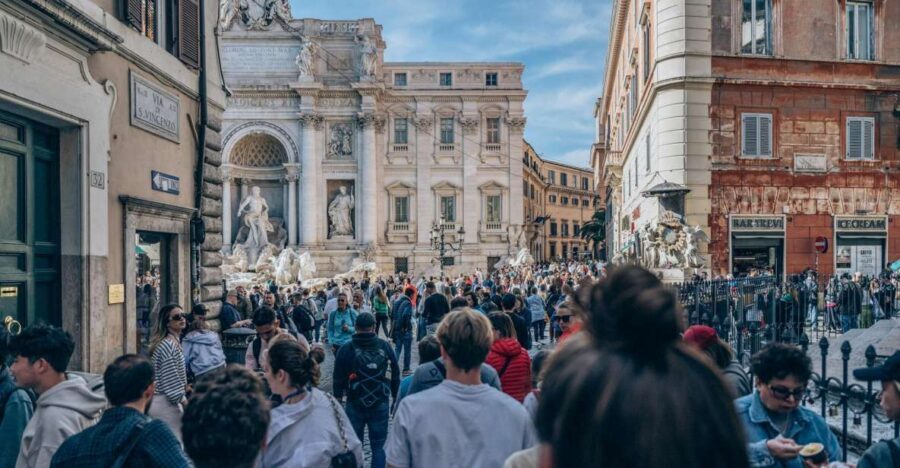
Trevi Fountain is next, with about 15 minutes for photos and guided explanations. The fountain is famous, yes. But what makes this stop work is timing and context. You’re not only staring at the water and stone—you’re learning how it fits into Rome’s identity.
You’ll also pass by the Pontifical Gregorian University, described here as the first university founded by Jesuits. Even if you never study architecture or religion, that bit of context helps you see Rome as living history, not just ruins and selfies.
One key detail from the tour style: you’ll be guided toward the easiest viewing moments. That’s huge in a place like Trevi, where crowds can make you feel like you’re fighting for space. A good guide reduces that stress.
Hadrian’s Temple area: small stop, memorable feeling
After Trevi, the route heads toward Piazza di Pietra, where the charm of Hadrian’s Temple is the surprise. You’ll spend about 7 minutes around the Temple of Hadrian and guided walking.
This is a good example of what a short tour can do well. Big-name landmarks get the spotlight, but smaller historic corners can deliver the most “wow” per minute. Your guide helps you notice the details that make the structure feel special, instead of letting it blend into the background.
You’ll also pass by Marcus Aurelius Column for a short guided sightseeing moment (about 5 minutes). These quick stops add up. They’re how you start seeing Rome as a connected system, not ten unrelated stops.
Pantheon from outside: a church that still works
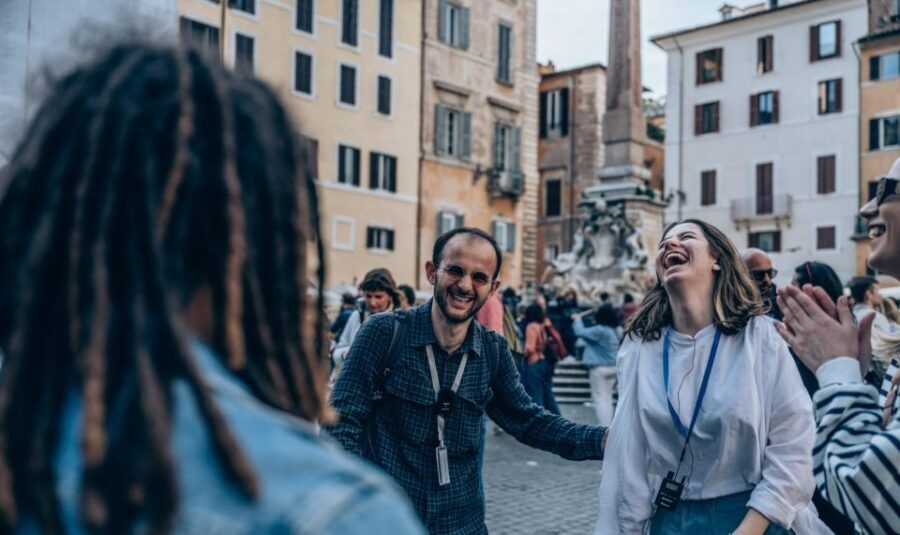
The Pantheon is one of the best stops for understanding how Rome keeps functioning. You’ll spend about 15 minutes here, with guided time while you walk and look.
This is the moment where you’ll appreciate the practical detail that the Pantheon continues to function as a church. Even without entering, you’ll see why it has staying power: Rome doesn’t only preserve the past. It uses it.
Your guide helps you look at the building with the right questions in mind: why this space feels so solid, why the proportions hit so hard, and why visitors keep returning even after they’ve “seen it.”
Again, you’re observing from outside here. That’s not a flaw for this tour. It’s the reason you can fit it into three hours without turning the day into a ticket-line marathon.
Spanish Steps: 136 steps worth it
The Spanish Steps segment is where you’ll feel the “walking tour” part of the tour. You’ll climb and explore for about 8 minutes, plus there’s a coffee moment attached to the stop.
You’ll learn what makes the Spanish Steps unique and elegant, and you’ll also get the classic romantic atmosphere that made them famous in the first place. But the real value is that you see them with orientation. You’re not just climbing for photos; you’re learning how the steps connect streets, viewpoints, and city life.
If your legs need a breather, this is where it helps that the route includes time for Italian espresso. The goal is to keep your energy up so you can enjoy the final view, not survive it.
The café break for real Roman rhythm
You’ll stop at a local café for coffee and tea (about 5 minutes) during the walk. Later, there’s also coffee associated with the Spanish Steps segment.
This small break changes the whole tone of the tour. Rome walking can get relentless if you never stop. A quick espresso break also gives you a chance to recharge before the last stretch, especially if the steps and crowds have already tested your patience.
And yes, the idea is to try authentic Italian espresso rather than a generic caffeine grab. It’s a simple pleasure that makes the tour feel more like Rome and less like a checklist.
A secret viewpoint near Villa Borghese Park for the final hit
The tour ends with a panoramic viewpoint labeled as a secret spot near Villa Borghese Park. It’s about 7 minutes of sightseeing time, designed for scenic moments that can align with sunset or sunrise depending on the timing.
This is the ending move I like best on short tours: you’ve spent the morning learning the monuments, then you close with the city’s bigger picture. From a viewpoint, the distances finally make sense. Suddenly you can see how the historic core connects to the rest of Rome.
It’s also a morale boost. After 5.46 km of walking and 136 steps, you earn a payoff that doesn’t require tickets.
Price and value: what you pay for and what you skip
At $47 per person for a 3-hour guided walk, the value comes from two things: a tight route and curated context. You’re paying for the guide to turn famous facades into readable stories.
What you get included is practical:
- An official tour guide
- A guided walking tour of iconic landmarks
- Photo opportunities
- A panoramic view
- Wi‑Fi
What you don’t get:
- Entry to monuments and museums
- Meals and beverages (though you do have scheduled coffee/tea stops)
So here’s the deal: this tour is about seeing and understanding fast. If you want to go inside the major sites, you’ll need add-on tickets elsewhere. But if your priority is getting oriented and choosing what to explore next, this is a smart use of time.
Also, the tour has a strong satisfaction track record, with a 5-star average across 47 bookings. That usually signals you’re buying a well-run guide-led experience, not just a route marker.
Comfort, fitness, and who this is not for
This tour involves about 3.4 miles of walking and 136 steps. You’ll be on your feet most of the time, moving between monuments and photo stops.
Because monuments are mostly admired from the outside, you’re not choosing between stairs and elevators—you’re choosing whether your body can handle steady walking plus a steps-heavy Spanish Steps finish.
It’s also not suitable for:
- Children under 11
- Wheelchair users
- People with heart problems
- People with respiratory issues
If any of these apply, you’ll be happier with a gentler option that reduces walking or includes easier access.
For everyone else, my advice is simple: bring comfortable shoes, and don’t plan a late-night sprint the day after. This is one of those tours where your feet remember it.
Guides like Joseph, Isuf, and Drita make it feel interactive
A walking tour can go one of two ways: you either drift and memorize facts, or you stay awake and engaged. This experience aims for engagement.
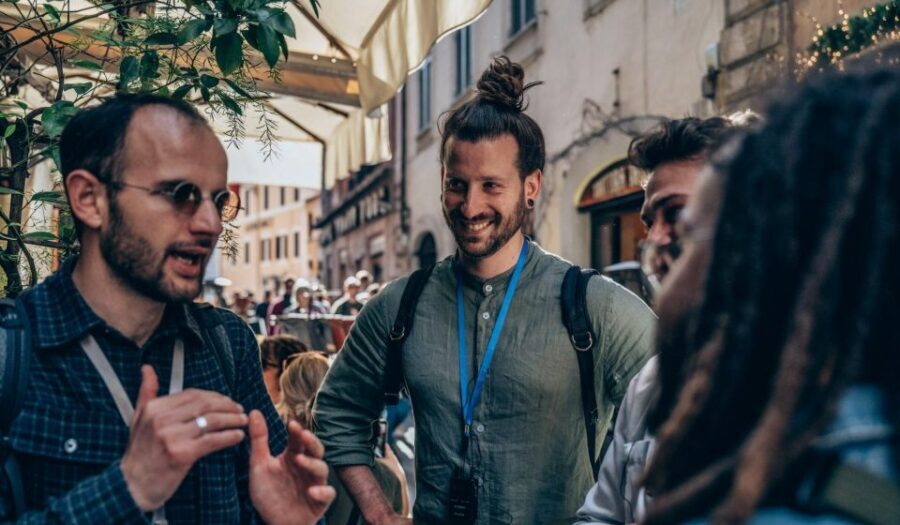
In particular, guides such as Joseph, Isuf, and Drita are praised for being energetic and interactive—asking questions during the walk and keeping the group involved. That matters because Rome is full of information. If you’re not nudged to process it, the tour can blur together afterward.
I like that your guide also shares the easiest ways to navigate busy areas. Even when you’re not entering monuments, you still want smart guidance on where to stand and how to move through packed spaces.
Should you book 10 Wonders of Rome in 3 Hours?
Book it if you want:
- A day-one Rome overview that hits major icons fast
- A guided route that helps you look better at what you’re seeing
- A tour with photo stops, quick espresso breaks, and a final viewpoint near Villa Borghese Park
- A plan that keeps things moving without monument entry tickets
Skip it if you:
- Need wheelchair access or you want very low walking
- Want long museum-style time inside major sites
- Have health concerns that make steps and sustained walking risky
If you’re deciding between a long deep-dive day and a quick orientation run, this one is the practical choice. It’s a tight circuit through Rome’s legends and symbols, finished with a view that makes the whole city click.
FAQ
How long is the tour?
The tour lasts 3 hours.
Where is the meeting point?
Meet at Via del Monte Oppio 3 – 00184 Roma RM. The guide arrives at least 10 minutes early and you should look for a red house with a Lock Your Tour flag or umbrella.
What does the tour cost?
The price is $47 per person.
What’s included in the price?
You get an official tour guide, a walking tour of iconic landmarks, photo opportunities, a panoramic view, and Wi‑Fi.
Are monument tickets included?
No. Entry to monuments and museums is not included, and monuments are admired from the outside.
How much walking is involved?
Expect about 5.46 km (3.4 miles) of walking, including 136 steps.
Is the tour wheelchair accessible?
No. The tour is not suitable for wheelchair users.
What language is the tour guide?
The tour is in English.
Is there food or espresso included?
Meals aren’t included, but the tour includes short stops for coffee, tea, and espresso.