REVIEW · MUSEUMS
VIP semi-private Vatican Museum and Sistine Chapel Tour
Book on Viator →Operated by Roman Safari · Bookable on Viator
Late-day Vatican hits different. You get the big-name sights—Vatican Museums and the Sistine Chapel—with a guide who gives the meaning behind what you’re seeing, not just a list of titles. I like the timing here: late afternoon means the crowds feel more manageable. I also like the small-group setup, capped at 14 people, so you can actually ask questions instead of whispering them into your scarf. Admission tickets are included too, so you’re not doing surprise math at the door.
One note before you go: it can still be hot and crowded inside, even later in the day. This tour helps, but it doesn’t erase Rome’s summer heat or the Vatican’s popularity.
In This Review
- Key Points I Think Are Worth Your Time
- Why Late Afternoon Works at the Vatican
- Tour Length, Group Size, and How the Pace Feels
- Meeting Point and Where You Finish (So You Don’t Chase the Clock)
- Vatican Museums: From Vatican Hill Roots to the Gallery of Maps
- Sistine Chapel Silence: What Your Guide Sets Up Before You See Michelangelo
- St. Peter’s Square: Swiss Guards, the Fortified Wall, and Basilica Views From Outside
- The Real Value: An Art Historian Guide That Helps You Ask Better Questions
- Price Check: Why $91.73 Can Be Good Value Here
- Who This Tour Suits Best (And Who Should Consider Another Option)
- Tips to Make This Tour Feel Easier
- Should You Book This VIP Vatican + Sistine Tour?
- FAQ
- How long is the VIP Vatican Museums and Sistine Chapel tour?
- What does the tour include for admissions?
- Is St. Peter’s Basilica included inside the tour?
- What time of day does the tour run?
- How big is the group?
- Where do I meet the guide?
- Where does the tour end?
- Do I get a mobile ticket?
- Can I cancel if my plans change?
- Is the tour near public transportation?
Key Points I Think Are Worth Your Time
- Late-afternoon start for a calmer feel than peak midday
- Small group (max 14) so questions and pauses aren’t a problem
- Tickets included for Vatican Museums and Sistine Chapel
- Art historian commentary that explains what you’re looking at before you get there
- Sistine Chapel silence rules handled with briefing so you know what to expect
Why Late Afternoon Works at the Vatican
The Vatican is famous for two things: world-class art and long lines. Late afternoon doesn’t magically delete either one, but it often makes the day feel less chaotic. The tour is designed to run later, so you’re arriving after most people have already made their round through the main halls.
In practice, that means you can focus on details instead of constant jostling. You’re also building momentum: you’ll move from the wider museum spaces into the stricter, quieter zone of the Sistine Chapel. That shift matters. When you already spent time in the museum with context, the Sistine Chapel stops being a random stop and starts feeling like the climax of the story.
If you’re the type who likes to look and not just take photos, this timing is a big deal. It gives your eyes a chance to reset between rooms.
You can also read our reviews of more private tours in Rome


Tour Length, Group Size, and How the Pace Feels
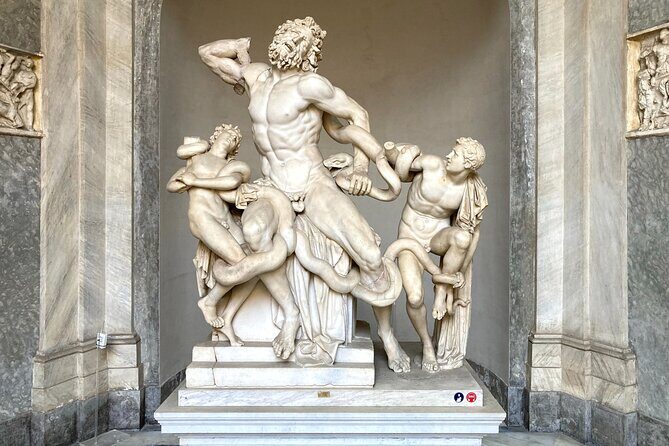
This is a 2 hours 45 minutes tour, with three main stops. The group size tops out at 14, which keeps the walkways from turning into a slow-moving conga line. The pacing is also built in: the museum portion is long enough to matter, while the Sistine Chapel is brief enough that you’re not standing there waiting for the next instruction.
You’ll get a mobile ticket, so you can keep everything on your phone. That’s handy in a place where you’ll be moving a lot and checking directions often.
Also pay attention to one timing detail: St. Peter’s Basilica is closed by the time you reach the square, so your visit there is about orientation and history, not a full inside tour. That’s not a trick. It’s a heads-up so your expectations match the schedule.
Meeting Point and Where You Finish (So You Don’t Chase the Clock)
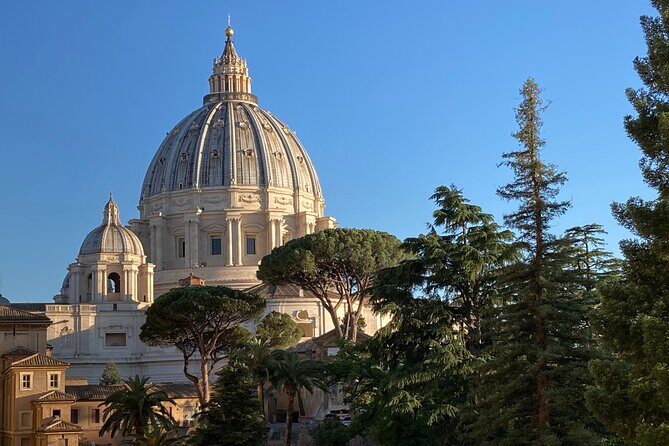
You start at B&B The Right Place, Via Tunisi, 4, 00192 Roma RM, Italy. From there, the tour route takes you into Vatican City, ending at the Sistine Chapel area (Sistine Chapel, 00120, Vatican City).
This matters because the ending point means you’re not crossing the city in reverse afterward. You’re already where you likely want to continue exploring on your own—or where you can step back out to the rest of Rome.
One more practical point: the start location is marked as near public transportation. Rome is much easier when you don’t fight your way in and out by foot more than you have to.
Vatican Museums: From Vatican Hill Roots to the Gallery of Maps
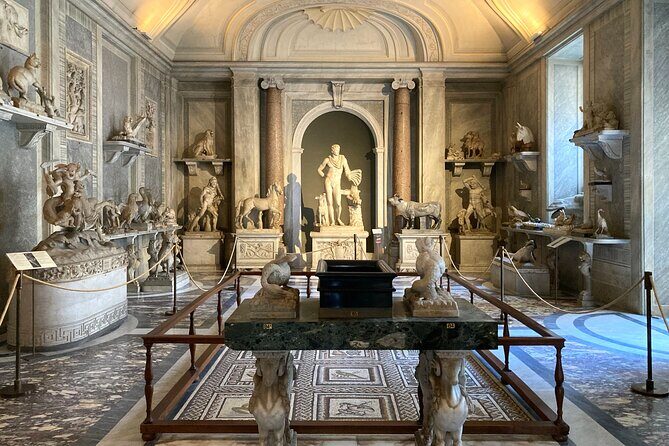
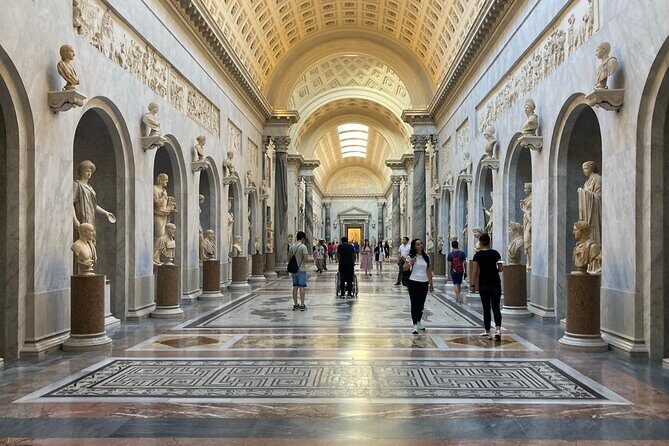
The museum portion is about 2 hours, and it’s the heavy-hitter stop. You’re going with an expert art historian guide, and the goal is to connect the Vatican’s past to the art rooms you’ll see.
What I like about this approach is that it prevents the usual museum problem: seeing gorgeous things but not knowing why they’re here. You’re told the Vatican’s origins and how ancient religious practices were tied to this hill long before the modern Vatican identity took over. You’ll also hear how, in Roman times, the Apostle Peter’s story connects to the site’s later meaning, including the account of his crucifixion ordered by Emperor Nero.
Then you move into the art highlights:
- Classical sculptures, which help you notice how later artists borrowed from older styles
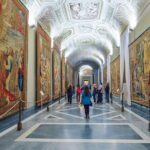
- Renaissance tapestries, which give you a sense of court taste and power
- The Gallery of the Maps, a signature room that turns geography into something people once treated like art and propaganda at the same time
The description also hints you’ll learn about papal palace apartments—you may get a peek at what makes those spaces significant as well. Even without being exhaustive, this kind of framing helps you understand why the museum is more than a storage room for masterpieces.
Possible drawback here: the Vatican Museums can feel crowded and hot. So I’d go in with a mindset of short bursts. Look, listen, then move. Your guide’s pace helps with that.
Sistine Chapel Silence: What Your Guide Sets Up Before You See Michelangelo
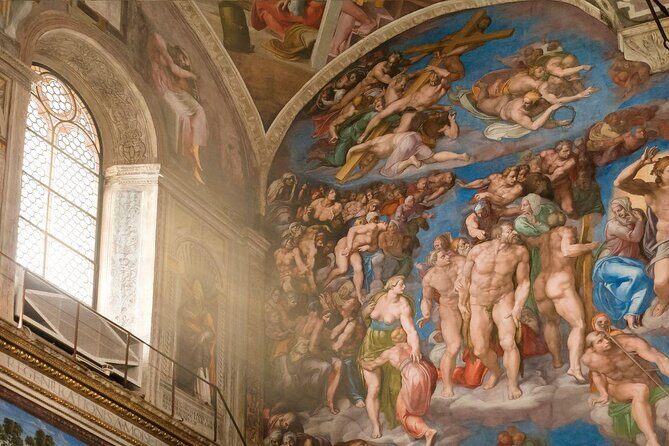
The Sistine Chapel stop is about 15 minutes, and it comes with a strict rule: absolute silence inside this place of worship. That rule isn’t just for etiquette. It changes how you experience the space.
Before you enter, the guide’s job is to prepare you. I really value that. Without context, you might stare at the ceiling and enjoy it—then walk out still not sure what you just saw. With context, you know what to look for, and the chapel becomes a structured story instead of a single wow moment.
You’ll see Michelangelo’s ceiling and the Last Judgment. You’ll also hear about the papal conclave—specifically the famous moment when white smoke rises from a chimney, signaling that cardinals have elected a new pope.
One thing the small-group format supports is that you can ask questions before the silence moment makes talking impossible. That’s where guides can really earn their keep: they help you understand the imagery so you can spend your limited time actually absorbing it.
And yes, the silence can feel intense at first. But it also helps the art land.
You can also read our reviews of more tours and experiences in Rome



St. Peter’s Square: Swiss Guards, the Fortified Wall, and Basilica Views From Outside
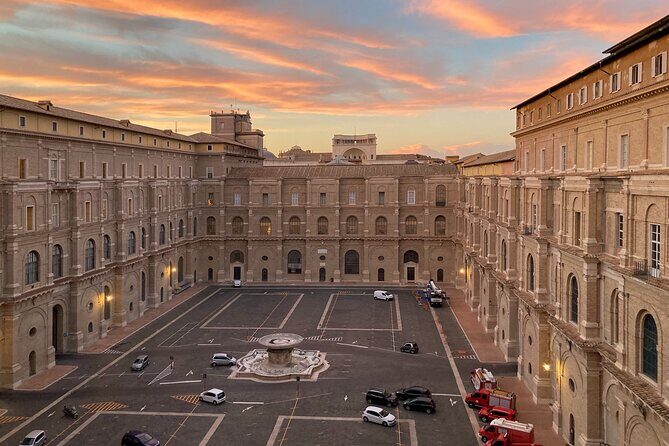
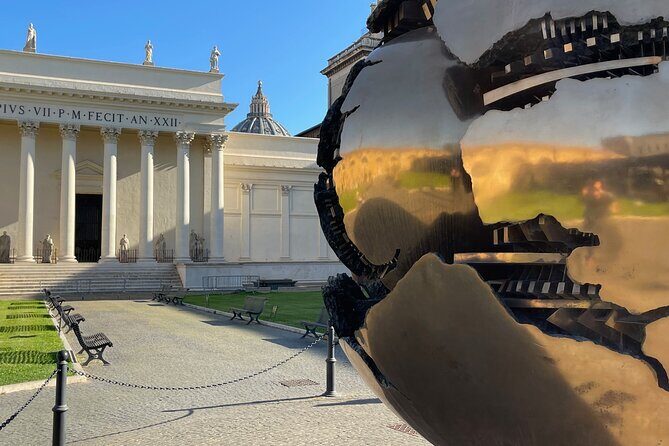
After the chapel, you’ll walk to St. Peter’s Square for about 20 minutes. This is a short stop, but it’s not random. It’s about setting the Vatican in a bigger frame: how power, architecture, and symbolism show up in the site you’re standing in.
On the way, you’ll notice the fortified wall around Vatican City, and you’ll likely spot the Swiss Guards on duty at the Vatican’s main gate. Those details do more than decorate the scene. They remind you this is a sovereign enclave with its own rules and defense history—very different from the open public feeling of much of Rome.
From the square, you’ll admire St. Peter’s Basilica from outside. The key detail: the basilica is closed by this time, so you won’t be doing an inside visit. Your guide will still give you an introduction about the origins, history, and what you might see if you were able to go in.
That outside orientation is useful. Even if you return later (or plan a separate basilica visit), you’ll know what you’re looking at and why it matters.
The Real Value: An Art Historian Guide That Helps You Ask Better Questions
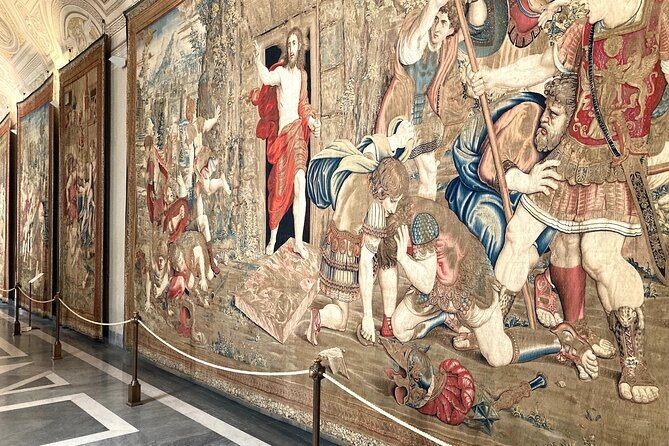
One of the strongest parts of this tour is the way the guide uses commentary to turn the sites into something you can read. In other words, you’re not stuck with a silent checklist.
In the museum, the guide connects scenes and objects to meaning—how older traditions shaped what later artists did, and how the Vatican’s story influenced what got preserved and displayed. In the Sistine Chapel, the guide helps you understand what you’re seeing so the visuals don’t blur together.
A review example you can take seriously: people praised the guide’s ability to give stories about pairings and status. That kind of explanation matters because it teaches your eyes a method. Instead of asking what everything is, you start asking why those choices were made.
If you love art and architecture, you’ll probably appreciate that the guide doesn’t treat the Vatican like a theme park stop. You’re given context, and you get time to ask questions during the tour.
Price Check: Why $91.73 Can Be Good Value Here
At $91.73 per person, you’re paying for three things: access, expertise, and time saved. The big one is that entry/admission for the Vatican Museums and the Sistine Chapel is included.
That’s the practical part. It reduces decision fatigue and avoids last-minute upsells. It also means you’re spending your brainpower on the art rather than on ticket counters and figuring out what costs what.
Then there’s the timing and group size. The tour runs late afternoon/evening, lasts about 2 hours 45 minutes, and keeps the group to 14 max. That’s not just comfort. It’s value because it helps you get more attention from the guide and more time inside the spaces that matter.
If you’re traveling with a schedule that’s tight, paying for a guided format can be worth it. The Vatican is huge, and even a small reduction in confusion can save you a surprising amount of effort.
One more point: this tour is often booked about 87 days in advance on average. If you’re serious about your dates, I’d treat that as a sign to plan early rather than wait for last-minute prices.
Who This Tour Suits Best (And Who Should Consider Another Option)
This tour is a strong fit if you:
- love art, architecture, and culture
- want clear context before seeing the big masterpieces
- prefer a small group where you can ask questions
- like a late-day schedule that avoids the worst peak feel
It’s also a good pick if you’re not trying to conquer every room in the museum on your own. The Vatican Museums are enormous. This tour gives you meaningful highlights without demanding that you personally memorize the Vatican’s entire floor plan.
If you’re hoping for a long inside visit to St. Peter’s Basilica, this isn’t that. The basilica is closed by the time you reach St. Peter’s Square, and the stop is about views and orientation.
Tips to Make This Tour Feel Easier
Here are a few practical moves that match what you’ll be dealing with:
- Dress for heat. Even late afternoon can feel warm once you’re moving through big stone interiors.
- Bring a plan for thirst. The tour keeps you walking, and St. Peter’s Square is an open space.
- Save your questions. Ask them during the museum portion so you’re not stuck waiting once the Sistine Chapel silence rule takes over.
- Pace your attention. When the museum gets busy, focus on one or two areas at a time. Your guide’s context will make those moments click.
And one small mental hack: treat the Vatican Museums as the setup, the Sistine Chapel as the climax, and St. Peter’s Square as the epilogue.
Should You Book This VIP Vatican + Sistine Tour?
I’d book it if you want a guided, late-day Vatican visit that includes museum and chapel admission, keeps the group small, and gives you real context. The combo of art historian commentary plus included tickets is the kind of value that makes a hectic place feel manageable.
I’d skip it only if you’re mainly after a long, inside basilica visit. This schedule ends with St. Peter’s Square and an introduction from outside, not a full basilica entry.
One more reason to feel comfortable booking: there’s free cancellation up to 24 hours before the start time. That flexibility is useful if your Rome plans shift.
FAQ
How long is the VIP Vatican Museums and Sistine Chapel tour?
It runs for about 2 hours 45 minutes.
What does the tour include for admissions?
It includes entry/admission for the Vatican Museums and the Sistine Chapel.
Is St. Peter’s Basilica included inside the tour?
By the time you reach St. Peter’s Square, St. Peter’s Basilica is closed, so you get an introduction from the square rather than an inside visit.
What time of day does the tour run?
Tours run in the late afternoon and evening for a quieter experience.
How big is the group?
The tour has a maximum of 14 travelers.
Where do I meet the guide?
The meeting point is B&B The Right Place, Via Tunisi, 4, 00192 Roma RM, Italy.
Where does the tour end?
The tour ends at the Sistine Chapel, 00120, Vatican City.
Do I get a mobile ticket?
Yes, the tour uses a mobile ticket.
Can I cancel if my plans change?
You can cancel for a full refund up to 24 hours before the experience starts.
Is the tour near public transportation?
Yes, it’s listed as being near public transportation.