REVIEW · MUSEUMS
Vatican Museums & Sistine Chapel VIP small group tour(max 10 pax)
Book on Viator →Operated by Rome Tour · Bookable on Viator
Your Rome day in Vatican City can feel tight or fun. This tour is built to make it feel like fun. You get VIP, small-group entry into the Vatican Museums and Sistine Chapel, with a guide focused on just your group (up to 10 people), plus practical perks like bottled water and a complimentary Vatican map.
I like that you’re walking through the museum highlights without wasting time at the general ticket crowds, and you’re getting the kind of commentary that helps you connect the art to the bigger story. One thing to keep in mind: St. Peter’s Basilica guidance isn’t always guaranteed. In Jubilee Year 2025, connecting doors sometimes close, and in that case the guide may not be able to take your group through the Basilica and there are no refunds.
In This Review
- Key things that make this VIP Vatican tour worth your time
- Why a VIP group of up to 10 changes the Vatican experience
- Getting there and entering fast: the Piazza del Risorgimento start
- Vatican Museums: how the big names fit together in a 2.5-hour block
- Pio-Clementino and classic sculpture context
- The Gallery of the Candelabras
- Gallery of Geographical Maps: when art becomes data
- Gallery of Tapestries: Renaissance art up close
- Raphael Rooms: the bonus if they’re open
- Sistine Chapel in 15 minutes: enough time to see the ceiling and the wall scenes
- What you should focus on first
- Why the short stop works
- St. Peter’s Basilica: ticket included, but don’t count on a guided walk-through
- The $215.69 price: what you’re really paying for (and what you’re not)
- Pace and comfort: what a 3-hour Vatican run feels like
- Guides and communication: why reviews highlight the human factor
- Who should book this VIP Vatican Museums and Sistine Chapel tour
- Should you book this VIP Vatican & Sistine Chapel tour?
- FAQ
- How many people are in the VIP group?
- How long is the Vatican Museums and Sistine Chapel tour?
- What language is the guide?
- What’s included with the entry tickets?
- Is St. Peter’s Basilica included in the tour?
- What is the main meeting point?
- Where does the tour end?
- What should I budget for that is not included?
- Do I need to be very fit to join?
- Is the tour refundable if plans change?
Key things that make this VIP Vatican tour worth your time
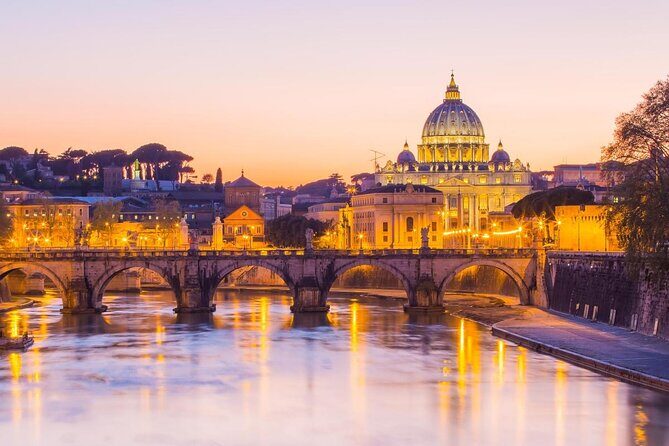
- Skip the general lines with prebooked entry, so you start seeing instead of queueing
- Small group size (max 10) keeps the pace and questions more manageable
- Bottled water + Vatican map are included perks that actually help on-site
- Major Vatican Museums stops like Pio-Clementino, candelabras, maps, tapestries, plus Raphael Rooms if open
- Sistine Chapel timing (short but focused) for Michelangelo’s ceiling and the wall frescoes
- St. Peter’s is ticketed, but not always guided during Jubilee closures
Why a VIP group of up to 10 changes the Vatican experience
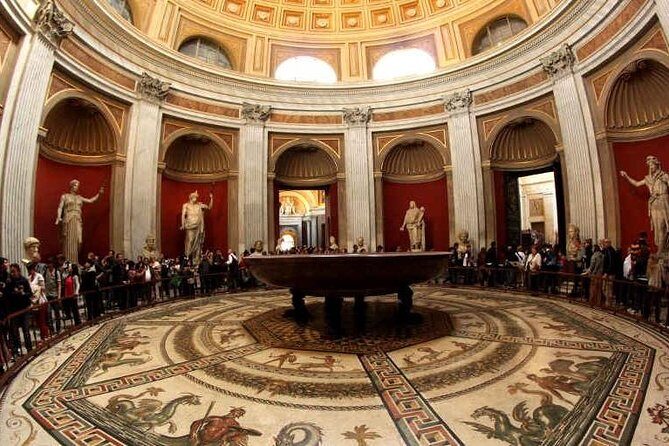
The Vatican can be a study in contrasts: jaw-dropping art and, at the same time, long lines, packed halls, and people trying to photograph the same spot from the same angle. A VIP small group helps because you move as a unit instead of getting swallowed by the bigger flow.
With a max of 10 people, your guide can actually steer the visit. That matters because the Vatican Museums are not one museum; they’re a chain of themed spaces. If you don’t know what you’re looking at, it’s easy to drift. In a smaller group, you get help keeping the “what am I seeing and why does it matter?” thread alive.
I also appreciate the practical side. Bottled water is included, which sounds minor until you’re standing under bright museum lighting for hours. A complimentary Vatican map is useful too, especially if you want to reconnect the buildings in your head after the tour ends.
The other big advantage is attention. This isn’t a free-for-all where one guide tries to manage a huge group and a hundred different needs. You’ll get closer guidance and a better chance to ask simple questions like what you should focus on first.
You can also read our reviews of more tours and experiences in Rome

Getting there and entering fast: the Piazza del Risorgimento start
You start at Piazza del Risorgimento in Rome, and the tour ends at the Vatican Museums exit. That routing is handy because you’re not trying to backtrack through crowded corridors when you’re already tired.
The meeting point also works well if you’re using public transportation since it’s described as near transit. Even if you’re staying close, the Vatican area can slow you down with foot traffic, security lines, and people stopping constantly for photos.
Here’s the key logistics win: you have a prebooked entry. Security is still obligatory, because of course it is, but you’re bypassing the general ticket sales line. For a place like this, saving time at the entrance is not a luxury. It’s the difference between seeing the museum spaces at your best energy level and feeling like you’re rushing to catch up.
Vatican Museums: how the big names fit together in a 2.5-hour block
You’ll spend about 2 hours 30 minutes inside the Vatican Museums. That time constraint shapes what you’ll do: you’re not trying to see everything. Instead, you’re guided through the Museum’s best-known “story zones,” where you can actually understand what you’re looking at.
Here’s what that feels like on the ground.
Pio-Clementino and classic sculpture context
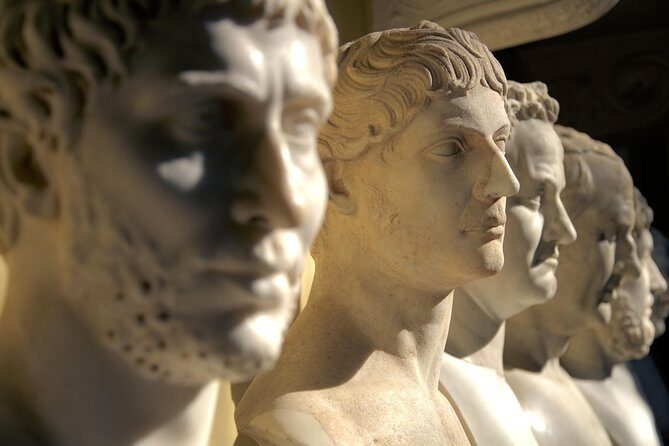
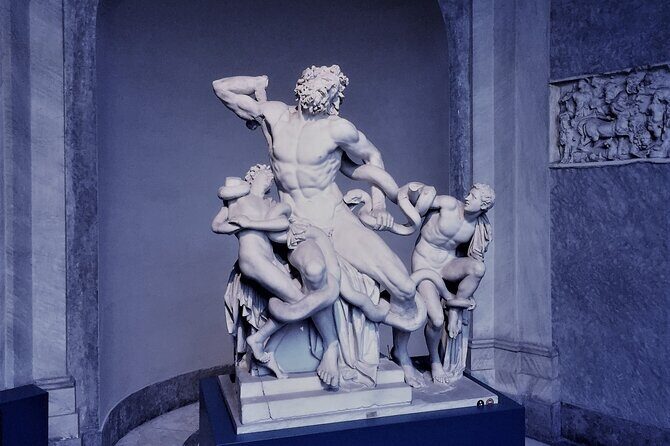
The Pio-Clementino Museum is one of the best places to get oriented. You see classical sculpture masterpieces that help you understand why later Renaissance and Baroque artists kept referencing antiquity. Without context, the statues can look like another room of marble. With a guide, the shapes, themes, and artistic goals start to click.
The Gallery of the Candelabras
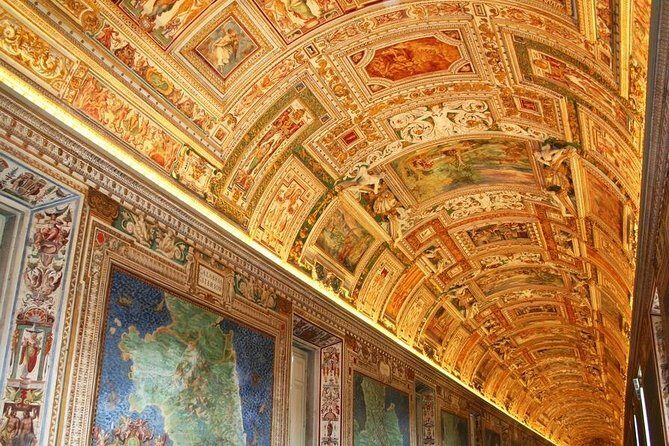
In the Gallery of the Candelabras, the architecture and decorative elements matter as much as the art. This is a room where the space itself is part of the show. I like stops like this because they prevent the visit from becoming only a list of famous artworks. You get a sense of how the Vatican designed movement and mood through rooms.
You can also read our reviews of more museum experiences in Rome



Gallery of Geographical Maps: when art becomes data
The Gallery of the Geographical Maps is one of those spaces that can surprise you. It’s not just pretty. It’s an example of how the Vatican era treated knowledge and worldview as something worth displaying.
If you enjoy history that feels grounded and practical, this is a good room to pay attention in. The guide’s job here is to connect the visual spectacle to what it was meant to communicate.
Gallery of Tapestries: Renaissance art up close
The Gallery of the Tapestries focuses on Renaissance-era storytelling in fabric. Tapestries can be underrated when you only think about paintings. Here, you start noticing details: the textures, the way scenes are built, and why tapestries were valuable beyond decoration.
Raphael Rooms: the bonus if they’re open
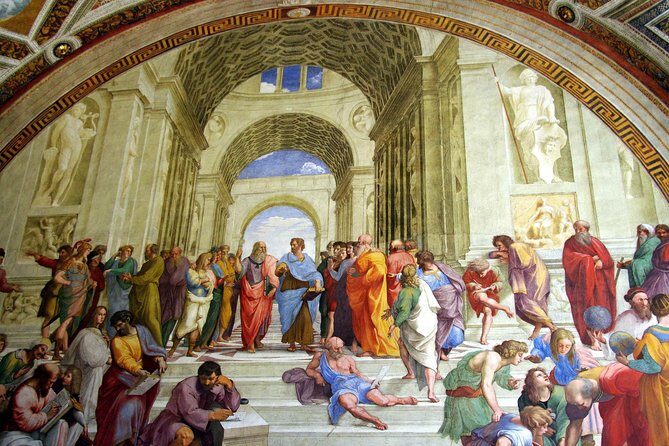
You may visit the Raphael Rooms if they’re opened. Even if you’re not a die-hard art fan, these rooms are a reason to plan ahead. If they’re accessible on the day you go, they add a big emotional and artistic payoff.
If they aren’t open, the tour still covers other major museum areas. Still, it’s worth knowing that some “big hit” rooms can depend on what’s operational that day.
Sistine Chapel in 15 minutes: enough time to see the ceiling and the wall scenes
After the museums, you move to the Sistine Chapel for about 15 minutes. That is short by museum standards, but it’s also smart. The Chapel rewards focus, not wandering.
What you should focus on first
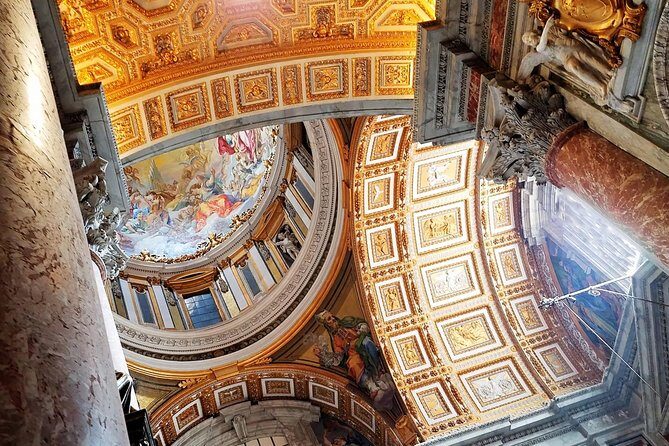
Start by looking up at Michelangelo’s ceiling, the part most people come for. Then, let your eyes come back down to the wall frescoes, including scenes tied to Moses and Jesus.
The guide helps you understand what you’re seeing so it doesn’t become a blurry museum photo session. You’ll likely hear the stories tied to key images, including the famous Creation of Adam moment where God reaches toward Adam.
Why the short stop works
In a longer visit, you’d be tempted to keep seeking the perfect viewpoint. In a short stop, you’re more likely to actually look at art details instead of constantly moving.
This is also where the pace of a small group helps. You’re guided through a short, purposeful window, rather than stuck in a long flow where the crowd keeps changing the view every few seconds.
St. Peter’s Basilica: ticket included, but don’t count on a guided walk-through
This part is where you need to plan with open eyes.
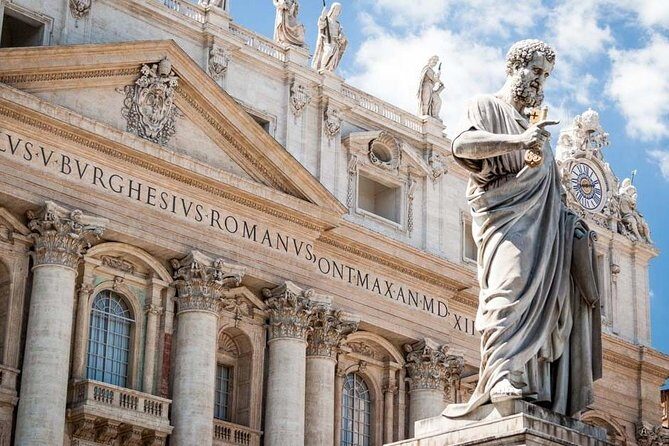
You do have entrance ticket for St. Peter’s Basilica included. But there’s a catch: due to Jubilee Year 2025, the connecting doors between the Sistine Chapel area and St. Peter’s Basilica are sometimes closed. If that happens, the guides may not be able to take your group through the Basilica, and no refunds are issued in that situation.
So what should you do with that information?
- Treat St. Peter’s as a possible win, not a guaranteed finish. The ticket is included, but the route might be out of the guide’s control.
- If your heart is set on the Basilica, consider building flexibility into the rest of your day. You might want time afterward to enter on your own if you’re not guided in.
Also note the tour listing indicates the Basilica piece is not guided under these closure conditions. That can change the “story” part of your visit. You may get the chance to go inside, but you might not get the same paced commentary that you had in the Museums and Chapel.
The $215.69 price: what you’re really paying for (and what you’re not)
At $215.69 per person for about 3 hours, this is not a budget tour. But it’s also not paying extra for a fancy hat and a megaphone.
You’re paying for:
- Prebooked, line-bypassing entry so you spend your time watching, not waiting
- A guide for a small group (max 10) which changes the quality of the explanations
- Admission tickets included for the Vatican Museums and the Sistine Chapel experience, plus St. Peter’s Basilica entrance
- Bottled water and a Vatican map as included perks
What’s not included is straightforward: tips and transportation. That’s typical, but it matters for real budgeting. Add in what you’ll likely pay for getting there and any gratuity you choose to give.
One more pricing angle: the tour is on average booked about 20 days in advance. That tells me it’s a popular option and also a sign that the value comes from timing. If you wait too long, you might end up paying more or giving up the small-group format.
If you’re comparing to DIY, the biggest trade is time. DIY can save money, but only if you’re confident navigating entry systems and you don’t mind spending a chunk of your day stuck in lines.
Pace and comfort: what a 3-hour Vatican run feels like
This is a 3-hour experience with a moderate physical fitness level requirement. That doesn’t mean you need athlete stamina, but you should be ready for:
- walking through multiple large museum areas
- moving at a guided pace
- standing long enough to see major pieces when your group stops
Also remember that museum lighting is bright and indoor air can feel dry. Bottled water helps, and it’s smart to wear something breathable.
The route ends at the Vatican Museums exit, so you should be okay with finishing inside the Vatican area rather than heading straight back to your hotel immediately.
Guides and communication: why reviews highlight the human factor
This tour lives or dies on the guide. In a small group, the guide’s style shapes the whole day: what they emphasize, how they keep momentum, and how clearly they explain what you’re seeing.
English is listed, but one important consideration from real experiences is that accents can vary. The guide may be excellent and still be challenging to follow if you’re sensitive to heavy accents. If English comprehension is a priority for you, it’s smart to note this possibility and plan to ask your guide to repeat or clarify when needed.
On the positive side, I love when a guide can keep you moving while still pointing out the right details. Some guides have been described as efficient and very organized, even when the site is crowded. That combination is what makes the VIP approach feel worth it.
Who should book this VIP Vatican Museums and Sistine Chapel tour
This is a strong fit if:
- you want skip-the-line entry and less time in queues
- you prefer a small group over a big herd
- you care about understanding what you’re looking at, not just checking boxes
- you’re traveling with family or friends who will appreciate a clear pace and easy logistics
It might be less ideal if:
- you need a guaranteed, fully guided St. Peter’s Basilica experience (Jubilee closures can stop that)
- you’re comfortable doing some things on your own if the route changes
- you’re extremely budget-focused and you’re okay spending time navigating entry lines
Should you book this VIP Vatican & Sistine Chapel tour?
I’d book it if you want a high-control day: smaller group, prebooked entry, and a guide to connect the dots through the Vatican Museums and Sistine Chapel. The included tickets plus bottled water make the price feel less like a markup and more like you’re buying back your time.
If St. Peter’s Basilica is your absolute must-see, go in with a flexible mindset. The ticket is included, but guided access can depend on Jubilee Year closures. If you’re prepared for that, this tour becomes a very efficient way to see the Vatican’s biggest hits without turning your day into a line-watching marathon.
If you tell me your travel dates and how important St. Peter’s is to your group, I can help you decide whether this format matches your plan.
FAQ
How many people are in the VIP group?
The group size is capped at a maximum of 10 travelers.
How long is the Vatican Museums and Sistine Chapel tour?
The tour duration is about 3 hours (approximately).
What language is the guide?
The tour is offered with an English-speaking guide.
What’s included with the entry tickets?
The tour includes entrance ticket(s) for the Vatican Museums and the Sistine Chapel experience, and it also includes an entrance ticket for St. Peter’s Basilica.
Is St. Peter’s Basilica included in the tour?
You receive an entrance ticket for St. Peter’s Basilica, but the guide may not be able to take your group through the Basilica in some Jubilee Year 2025 situations when connecting doors are closed.
What is the main meeting point?
The meeting point is Piazza del Risorgimento, Rome RM, Italy.
Where does the tour end?
The tour ends at the Vatican Museums exit (Vatican City).
What should I budget for that is not included?
Tips and transportation are not included.
Do I need to be very fit to join?
The tour notes a moderate physical fitness level, since you’ll be walking through museum spaces.
Is the tour refundable if plans change?
No. The experience is non-refundable and cannot be changed for any reason.