REVIEW · PHOTOGRAPHY SESSIONS
Unique Rome, Churches, Angels and Art Photo Tour and Workshop
Book on Viator →Operated by RomePhotoFuntours Giulio D'Ercole · Bookable on Viator
Rome’s churches make perfect photo class. This 4-hour church-focused photo tour turns iconic interiors into shootable scenes, led by RomePhotoFuntours Giulio D’Ercole. You’ll move through standout places like Santa Maria Maggiore and St. Peter’s Basilica with a small group (max 4) and hands-on instruction, so you’re not just sightseeing.
Two things I especially like: the emphasis on real camera skills (composition and settings, with patient coaching) and the way the itinerary targets famous art you can photograph in multiple ways. You’ll go after details that range from Caravaggio paintings to the Moses statue in San Pietro in Vincoli, not only the big-picture views. One practical drawback: the dress code is strict for churches and selected museums (knees and shoulders covered, no shorts or sleeveless), and two stops (Santi Apostoli and San Pietro in Vincoli) have admission that is not included.
In This Review
- Key things to know before you go
- Why this Rome churches photo tour feels different
- The route in 4 hours: from Santa Maria Maggiore to St. Peter’s
- Basilica di Santa Maria Maggiore: Caravaggio and long interior lines
- Chiesa di Sant’Ignazio di Loyola: ex-voto altars and sculptural drama
- Chiesa di Santa Maria Sopra Minerva: organ pipes, frescoes, and the square
- St. Peter’s Basilica: square views, Swiss guards, and big interior art
- Santi Apostoli: the chapel underneath and Roman fresco moments
- San Pietro in Vincoli: Michelangelo’s Moses in an austere setting
- What Giulio’s coaching actually means for your photos
- Tickets, dress code, and what to pack (so you don’t lose time)
- Price and value: what you’re paying for at $216.74
- Who should book this tour (and who should rethink it)
- Should you book this Rome churches photo tour?
- FAQ
- How many people are in the group?
- Is admission included?
- What dress code do I need for the churches?
- What if I don’t have a camera?
- Is the tour suitable for beginners at photography?
- What if the weather is bad?
Key things to know before you go
- Max 4 people per booking: easier attention and more time to try shots without feeling rushed
- A professional photographer as instructor: Giulio guides both where to stand and how to shoot
- Free admission at the first four stops: you can plan your money with less guesswork
- St. Peter’s Basilica plus square views: you get both exterior scenes and interior masterpieces
- Michelangelo and Canova show up: Moses in San Pietro in Vincoli, plus major sculpture work inside St. Peter’s
- Camera rental available: Nikon gear and tripods can be rented for 50 euros per kit (cash)
Why this Rome churches photo tour feels different
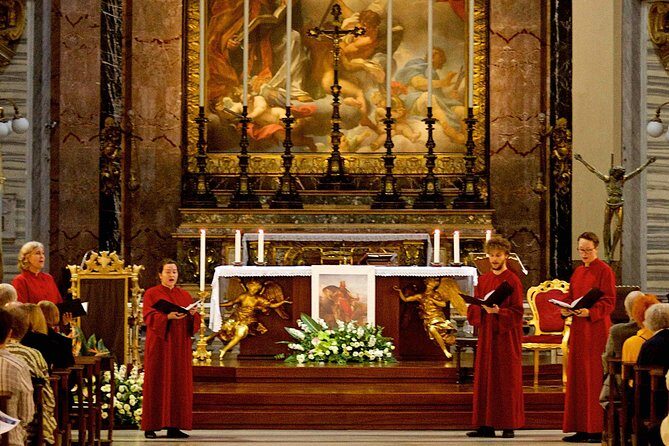
If you’ve ever stood in a church and thought, I have no idea what to point my camera at, this tour is built for that moment. Rome is gorgeous, but church interiors can be dark, crowded, and full of competing details. With a pro guide you’re not guessing—you’re learning how to turn a complicated space into photos that actually read.
This is also a smart “small-group Rome” format. With only up to four people, you’ll get more than quick pointers. You can ask questions, reset your settings, and try again when a nave view or fresco detail looks better from a slightly different angle.
One more reason I like it: it’s not only “look at the art.” It’s also “shoot the art.” The stops are chosen for ornament, sculpture, and photo opportunities, including times to photograph outside fronts and inside interiors.
You can also read our reviews of more photography tours in Rome
The route in 4 hours: from Santa Maria Maggiore to St. Peter’s
Think of this tour as a concentrated morning (or early session) through central Rome’s most photo-friendly religious sites. The schedule is tight, so timing matters: you’ll spend anywhere from 20 minutes to about 1 hour at the biggest anchor locations. You’ll likely walk between sites, and you’ll want comfortable shoes because church floors and stone steps are part of the deal.
Also, your camera gear and your own pace will shape how much you catch. The best results come when you’re willing to pause, reframe, and try settings when light changes inside. If you’re moving slowly because you’re analyzing every detail, that’s great. Just know the tour time is finite.
Below is how each stop works and what you should look for.
Basilica di Santa Maria Maggiore: Caravaggio and long interior lines
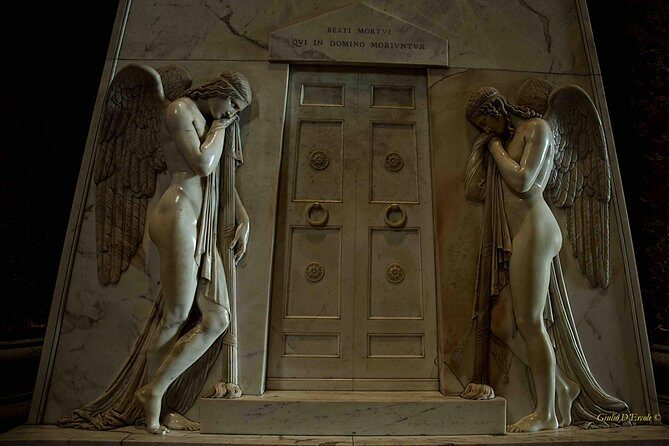
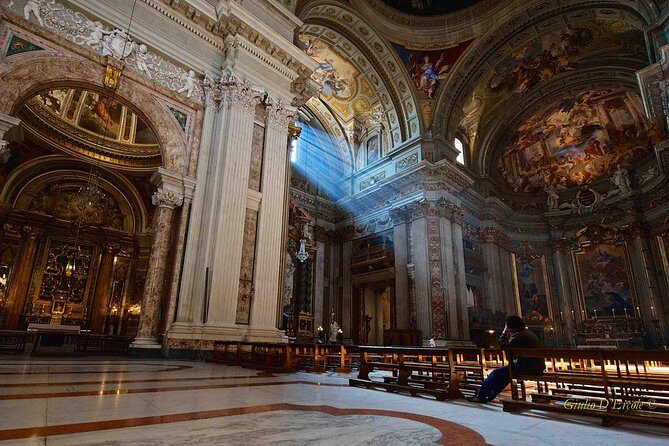
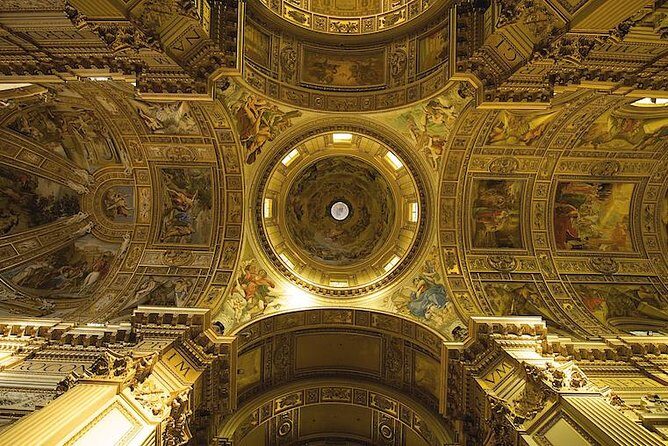
Santa Maria Maggiore is a classic Rome stop for a reason. You’ll photograph it outside and inside, then focus on major art: Caravaggio paintings plus frescoes and sculptures. This is the kind of church where composition matters, because you can either copy a postcard view or learn how to use the architecture—those long lines that pull your eye toward the altar area.
Practical photo idea: when you’re inside, look for contrast points. In many churches, the brightest areas tend to be near entrances or above altars. Your settings (and your choice of angle) can make the difference between a flat-looking photo and one with depth.
Admission at this stop is free, and you’ll have about 30 minutes, so it’s one of your best chances to test your camera and settle into the tour’s shooting rhythm.
Chiesa di Sant’Ignazio di Loyola: ex-voto altars and sculptural drama
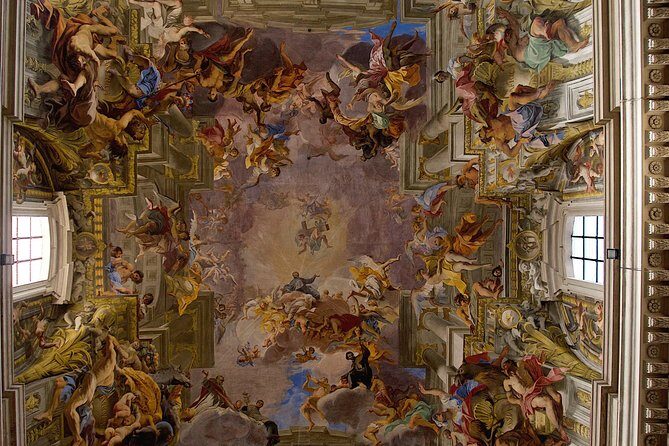
Next comes Sant’Ignazio di Loyola, where the main photo theme is texture and small storytelling details. You’ll photograph sculptures, frescoes, altars, ex-voto displays, and paintings. Ex-voto pieces can be tricky—small subjects can get lost in a wide interior. Here, the goal is usually to find a tighter frame that lets the story read.
This stop is shorter—around 20 minutes—so you’ll want to decide quickly what you’re chasing: big sculptural forms, or smaller artistic details. If you hesitate too long, the best light might move on.
Admission is free at this stop too, which helps keep the tour cost predictable.
Chiesa di Santa Maria Sopra Minerva: organ pipes, frescoes, and the square
Santa Maria Sopra Minerva adds a different flavor. You’ll start with the square outside the church, then move into the building to photograph frescoes, naves, pipe organs, and paintings. The exterior square gives you a chance to get your bearings and shoot a context view. Then the interior gives you a second chance to work on details and vertical lines.
Pipe organs are a great “practice subject” for church photography because they involve both shape and hierarchy—arches, levels, and repeated elements. You’ll often find better results by shooting from a position that lets the lines lead into the main nave space.
This is also a 20-minute stop, and admission is listed as free.
You can also read our reviews of more tours and experiences in Rome




St. Peter’s Basilica: square views, Swiss guards, and big interior art
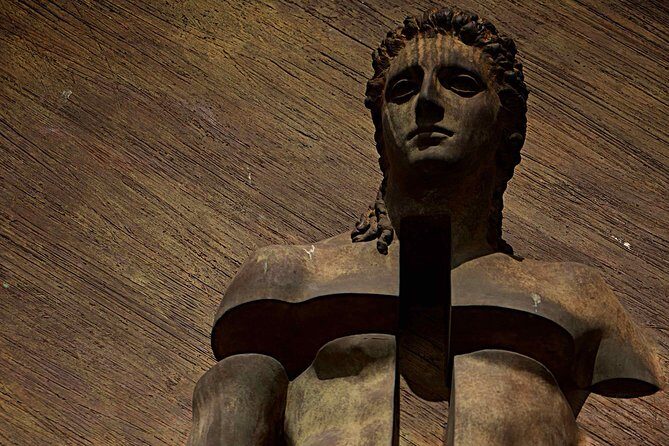
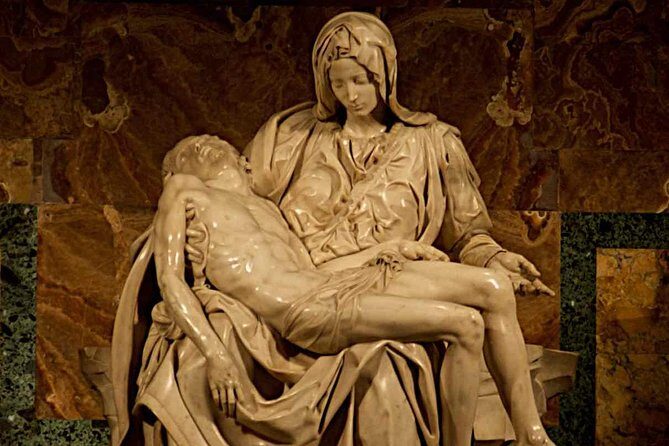
St. Peter’s is the heavyweight in this tour. You’ll photograph St. Peter’s square, including Swiss guards and fountains, then head inside St. Peter’s Basilica for a longer shoot time—about 1 hour. Inside, the art targets are specific: Michelangelo’s and Canova’s sculptures and major masterpieces, plus frescos, altars, and detailed religious artwork.
This is where the instruction part really pays off. St. Peter’s can make beginners panic: it’s huge, the ceiling is high, and light can change fast. A good guide helps you choose angles that don’t turn into visual clutter.
Two practical tips to bring into your own shooting here:
- Before you shoot, decide your “photo job.” Are you showing scale, spotlighting sculpture detail, or capturing a wall of religious artwork?
- Expect to reposition. Even a small step to the left or right can change how the lines converge and how much glare you get on stone surfaces.
Admission is free for this stop in the tour plan.
Santi Apostoli: the chapel underneath and Roman fresco moments
Santi Apostoli is the surprise “different Rome” stop. You’ll photograph the basilica with an extra twist: there’s an original Christian chapel underneath, where apostles Jacob and Philip are buried. That under-chapel element can create a more atmospheric feel for photos, compared with the more open, bright spaces elsewhere.
This is also your 20-minute checkpoint for Roman frescos. Even if you’re not doing super-tight close-ups, this stop can reward you with frames that feel historic and layered—perfect for someone who wants more than one standard church photo.
One important consideration: admission at this stop is not included, so budget time and money accordingly.
San Pietro in Vincoli: Michelangelo’s Moses in an austere setting
San Pietro in Vincoli is a great example of why church photography can be more than Baroque drama. The church appearance is described as austere, different from many of Rome’s more ornate Renaissance and Baroque interiors. That plain look can actually help your photography, because you can highlight one major masterpiece without fighting five competing focal points.
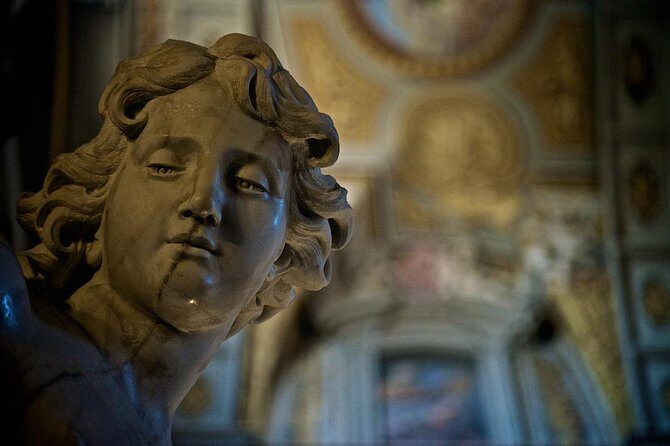
Here, the big target is Michelangelo’s The Moses. This stop is designed for photos with focus—details matter more than sweeping views. If you’re the kind of person who loves sculpture textures and expressive figures, you’ll probably spend your time working the statue from a few angles to capture different parts of its form.
Time is about 20 minutes, and admission is not included.
What Giulio’s coaching actually means for your photos
The guide isn’t only there to point at locations. Giulio’s teaching approach centers on making you understand what to change and when. From beginner to more experienced shooters, people get a real sense of camera control because the coaching is hands-on, and tips are repeated until they click.
If you’re new to photography, this matters a lot. Churches punish auto modes with tricky lighting. You’ll likely be pushed toward manual-style thinking: control your exposure instead of letting the camera guess. That’s how you get consistent results when you move from bright doorways into darker naves.
Composition coaching also shows up in practical ways:
- where to stand to reduce distractions
- how to frame long interiors so lines don’t just fall straight down
- how to capture both big art and small details without turning the photo into a messy collage
And yes, there’s also local context. Giulio is Roman, and the historical and artistic storytelling helps you notice what to photograph in the first place. That turns church time from random wandering into a focused hunt for images.
Tickets, dress code, and what to pack (so you don’t lose time)
Let’s be blunt: the dress code can make or break your experience. Places of worship and selected museums require shoulders and knees covered—no shorts or sleeveless tops are usually allowed. You may risk refused entry if you don’t follow it, so plan clothing that works for walking and indoor standing.
Pack smart for indoor light:
- A camera and fully charged battery (church interiors can drain power fast)
- A lens you’re comfortable using for both details and wider angles
- Something light to cover up if your outfit barely meets the requirement
If you don’t have a camera, you’re not automatically out of luck. The tour offers Nikon gear and tripods for 50 euros per kit, paid in cash. Also, there are souvenir photos you can purchase later, but those are not included.
One more note: the tour is near public transportation, which is useful because you’ll want an easy way back once you’re done.
Price and value: what you’re paying for at $216.74
At $216.74 per person for about 4 hours, you’re buying more than access to churches. You’re paying for a working photographer to guide the most valuable part of your time: choosing the right angles and camera settings in real conditions.
The value improves because:
- the group is limited to 4 people
- instruction is integrated into the route, not tacked on at the end
- the itinerary includes major-name sites like St. Peter’s Basilica and Michelangelo-related work
You also get a few “budget-friendly” breaks. Admission is listed as free for the first four stops. Only Santi Apostoli and San Pietro in Vincoli have admission not included, so you’re not surprised by extra costs at every step.
This one is also popular enough that it’s often booked around a month ahead. If your dates are fixed, don’t wait until the last minute.
Who should book this tour (and who should rethink it)
This tour is a good match if:
- you want church art and architecture photos, not just general sightseeing
- you like structured instruction, especially if you’re trying to move beyond fully automatic settings
- you enjoy detail work: frescoes, sculpture, altars, and small visual stories
It may not be ideal if:
- you have medium to severe back problems (the tour involves walking and standing)
- you have medium to severe heart complaints or other serious medical conditions that might cause uneasiness or pain
- you’re hoping to wear basic casual summer clothes without adjusting for dress code rules
If you’re coming with someone who doesn’t want to photograph, arrangements can be considered for non-photographing partners or children, so it doesn’t have to be a solo trip within the trip.
Should you book this Rome churches photo tour?
If your dream Rome photo set includes ornate interiors, iconic art, and a coach who can help you actually capture it, then yes, book it. The mix of major sites (Santa Maria Maggiore, St. Peter’s Basilica) and “sculpture focus” stops (Moses in San Pietro in Vincoli) gives you variety without wasting time.
I’d only hesitate if dress code is a dealbreaker for you, or if you know standing and walking for several stops will be uncomfortable. Otherwise, this is a straightforward way to turn Rome’s most photogenic interiors into better photos with less guesswork.
If you want a church photo session where the guide is also the teacher—and where you leave with images you’re proud of—this is one of the better ways to spend a morning in Rome.
FAQ
How many people are in the group?
The tour has a maximum of 4 travelers per booking, which helps keep the pace calm and allows more individual attention during photo coaching.
Is admission included?
Admission is free at the first four stops (Santa Maria Maggiore, Sant’Ignazio di Loyola, Santa Maria Sopra Minerva, and St. Peter’s Basilica). Admission for Santi Apostoli and San Pietro in Vincoli is not included.
What dress code do I need for the churches?
You’ll need knees and shoulders covered for places of worship and selected museums. Shorts and sleeveless tops are usually not allowed, and entry refusal is possible if you don’t follow the rules.
What if I don’t have a camera?
If you have no camera, you can rent Nikon gear plus tripods for 50 euros per kit, payable in cash.
Is the tour suitable for beginners at photography?
Yes. The tour is built around instruction from a professional photographer guide, so if you’re working on learning settings and composition, you should feel supported.
What if the weather is bad?
The tour requires good weather. If it’s canceled due to poor weather, you’ll be offered a different date or a full refund.