REVIEW · VATICAN TOURS
Tour Squares of Rome and Vatican
Book on Viator →Operated by RomaTourGratis · Bookable on Viator
Rome changes fast when you walk.
This tour stitches together Rome’s major eras and the most photo-stuffed places into one guided route, with stops that range from the Pantheon area to the Baroque fountains and finally St Peter’s Square. I especially love the way you move from Imperial Rome to Renaissance-Baroque storytelling through landmark sights like the Trevi Fountain and the Bernini world. One drawback to watch for: it’s priced very low, and I’ve seen at least one real booking mix-up where someone thought they’d paid for a ticket and the rest of the group didn’t—so read your voucher carefully before you meet up.
What makes this route work is the pace and focus. You’re not doing museums all day in one giant slog—you’re getting guided connections between the monuments you recognize and the details you usually miss. Also, the group stays small (up to 30), and it’s built for an easy start at a central fountain stop, with a mobile ticket format so you’re not scrambling for paper.
If you’re the type who likes your sightseeing in chapters—rather than random wandering—this is a strong fit. Just be ready for a lot of iconic spots packed into limited time slices, so comfortable shoes and a steady walking rhythm matter.
In This Review
- Key Highlights You’ll Care About
- Getting Your Bearings at Piazza Barberini’s Fontana del Tritone
- Into Imperial Rome: Pantheon, Stadium Ruins, and the Castel Road
- Why the Pantheon stop matters
- Stadium ruins and Castel Sant’Angelo
- What can feel challenging here
- The Papal Golden Time: Michelangelo and Bernini in Plain Sight
- How this section pays off for you
- The Fountain Run: Trevi, Triton, Four Rivers, Neptune, and Piazza Navona’s Moor
- Why fountains are easier with a guide
- Practical reality check
- Reaching St Peter’s Square: Vatican Finale and Sunday Angelus
- Sunday bonus: Angelus blessing
- Mobile Tickets, Small Group Size, and Why That’s Good Value
- About the price: $17.44 per person
- What Could Go Wrong: Ticket Confusion and Pace
- Who This Tour Fits Best (and Who Should Skip It)
- Should You Book Squares of Rome and Vatican?
- FAQ
- How long is the tour?
- Where does the tour start?
- Where does the tour end?
- Is there a mobile ticket?
- How big is the group?
- Does it include Pantheon entry?
- Is it available on Sundays for the Angelus?
- Is free cancellation available?
- Are service animals allowed?
- Is it near public transportation?
Key Highlights You’ll Care About
- Pantheon entry as part of the route, not just a look from outside
- Imperial-to-Baroque storytelling across multiple Rome eras, with Michelangelo and Bernini named in context
- Fountain circuit: Trevi, Triton, Four Rivers, Neptune, and the Piazza Navona Moor
- Domitian Flavio Stadium ruins and Castel Sant’Angelo included in the flow
- Finish at St Peter’s Square, and on Sundays you can end with the papal blessing at the Angelus
Getting Your Bearings at Piazza Barberini’s Fontana del Tritone
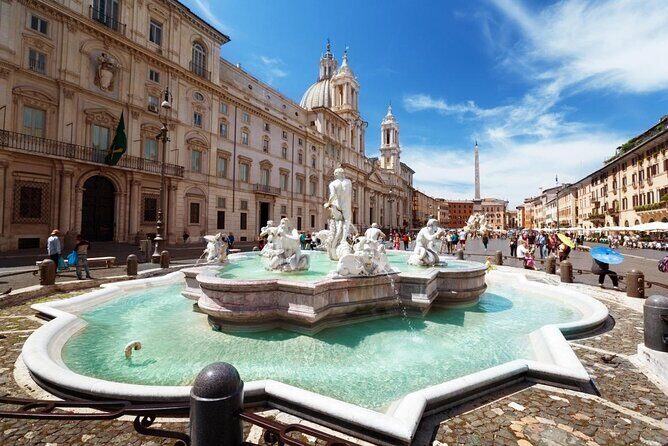
Your day starts at Fontana del Tritone, right in Piazza Barberini. This is a smart meeting place because it’s central, easy to spot, and well connected by public transport. You get one of the first “aha” moments quickly: you’re in the middle of Rome’s street-life, and the tour doesn’t feel like it begins in an empty lot.
You’ll also notice something practical right away. The tour is designed as short guided blocks that connect big, recognizable landmarks. Even if the total time varies (it’s listed as roughly 2 to 45 minutes), the experience is structured around getting you to the key sights in sequence, rather than keeping you stuck in long, slow explanations.
For me, the best part of starting here is the fountain energy. You’re immediately in the world the tour is going to keep returning to: Rome as a city where art is built into daily life. You’re not just looking at statues; you’re stepping into a visual language—stone, water, and drama.
You can also read our reviews of more tours and experiences in Rome.



Into Imperial Rome: Pantheon, Stadium Ruins, and the Castel Road
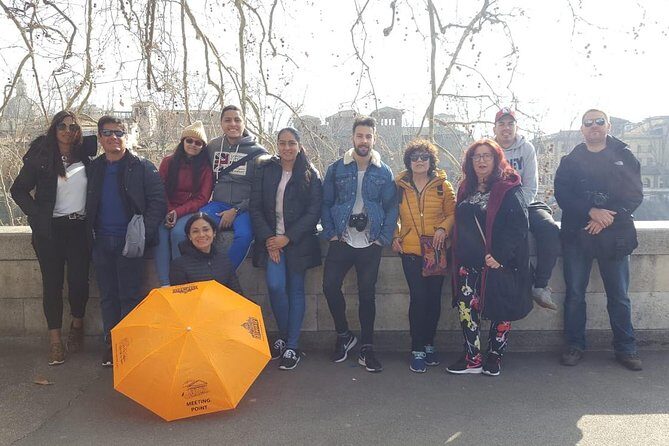
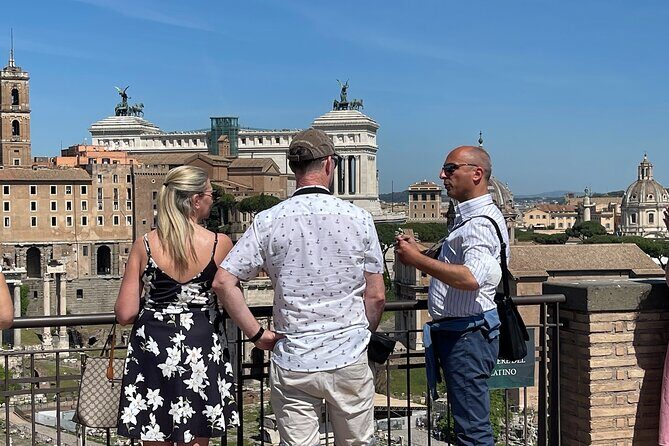
The tour moves through Imperial Rome, and it does it in a way that’s easy to follow even if you’re not a Roman-history specialist. You’ll visit major monuments tied to the Roman Pantheon area, and the big win is that it’s listed as an entry point: you’ll go into the Pantheon.
Why the Pantheon stop matters
The Pantheon is the kind of place where your brain wants to say, wow, and then your eyes need a guide to translate what you’re seeing. With a tour like this, you’re likely to get the practical orientation—where to look and how the building’s scale and design fit into the broader Roman story. If you usually find yourself lost in big-ticket monuments, a guided stop can help you walk away with a clearer mental picture.
Stadium ruins and Castel Sant’Angelo
From there, the route includes the ruins of the Domitian Flavio Stadium and the climb/transfer toward Castel Sant’Angelo (listed as Castillo San Angel). The stadium ruins add texture because they’re not as instantly iconic as a fountain. They’re a reminder that Rome wasn’t built as a museum—it was built as infrastructure. That context helps when you later see Baroque Rome, because you start to understand how later artists and planners worked on top of earlier layers.
Castel Sant’Angelo is a strong visual anchor. Even if you don’t linger for an extended deep dive, it functions like a “Roman chapter break.” You go from ancient civic structures to a fortress-shaped landmark that Rome uses to narrate power, protection, and change.
What can feel challenging here
Because the tour is built around multiple eras and multiple stops, you’ll want to keep your pace steady. If you’re hoping for a slow, long museum-style visit inside every place, this won’t be that kind of day. It’s more like a guided route with high-impact stops.



The Papal Golden Time: Michelangelo and Bernini in Plain Sight
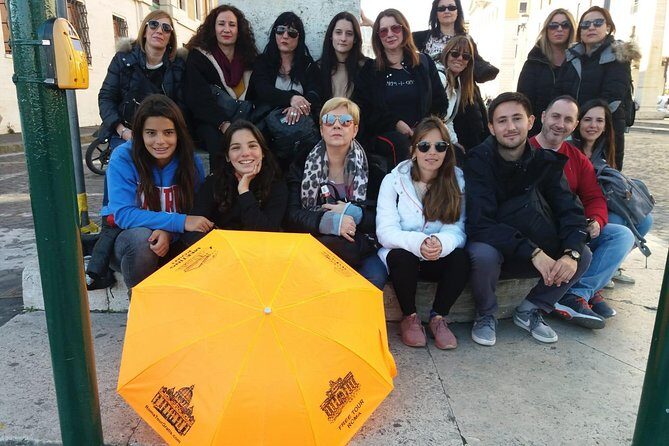
After Imperial Rome, the tour shifts into Renacentista-Barroca and what’s described as the papal golden time. This is where the walk becomes more art-focused—still outdoors and mostly by sight, but with strong names and references: Miguel Ángel Buonarroti (Michelangelo) and Gian Lorenzo Bernini.
Even if you’re not studying art history, this part helps you see the logic behind Baroque design. Baroque Rome isn’t random decoration. It’s built to guide your attention, create motion, and make people feel small in the presence of grand power. When a guide connects those themes to what you’re looking at—statues, fountains, and architectural theater—you’ll understand the city in a new way.
How this section pays off for you
You’ll likely start noticing patterns:
- the way drama is staged through sightlines,
- the way crowds and open space become part of the artwork,
- and how Rome’s “great masterpieces” keep echoing across different neighborhoods.
If you’ve ever felt that Rome’s Baroque landmarks blur together, this kind of structured sequence is a real help.
The Fountain Run: Trevi, Triton, Four Rivers, Neptune, and Piazza Navona’s Moor
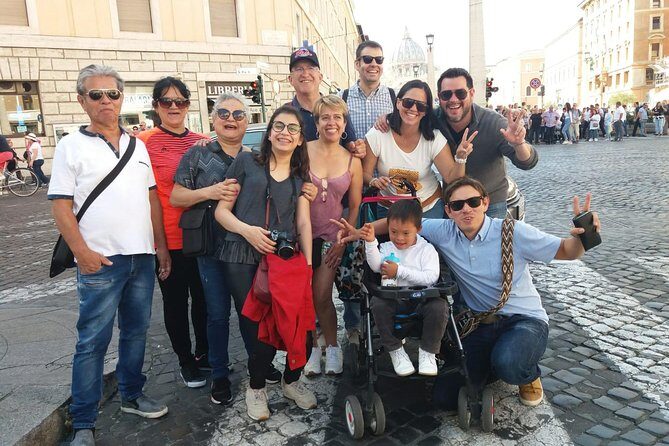
The tour’s centerpiece moment for many people is the fountain circuit. You’ll encounter stops tied to some of Rome’s most famous water sculptures, including:
- the Trevi Fountain
- the Source of the Triton
- the Source of the Four Rivers
- the Source of Neptune
- the Moro de Plaza Navona (Piazza Navona’s Moor)
This is where you’ll feel the tour’s value, because fountains are both simple and tricky at the same time. They look straightforward—water, stone, figures. But each one sits in a larger story about patronage, symbolism, and how Baroque Rome wanted you to react.
Why fountains are easier with a guide
A guide can point out what you’d normally miss in a quick glance. For example, you might learn what to look for in the figures, or how different fountains “speak” to each other across the city’s layout. Even if you only get short stops, those pointers turn a photo moment into something you remember.
Practical reality check
These are famous places, so expect crowds around major fountains. If you want unobstructed photos, you can’t control the crowd level—but a guide-led route still helps because you’re not guessing where to stand or when to move along.
Reaching St Peter’s Square: Vatican Finale and Sunday Angelus
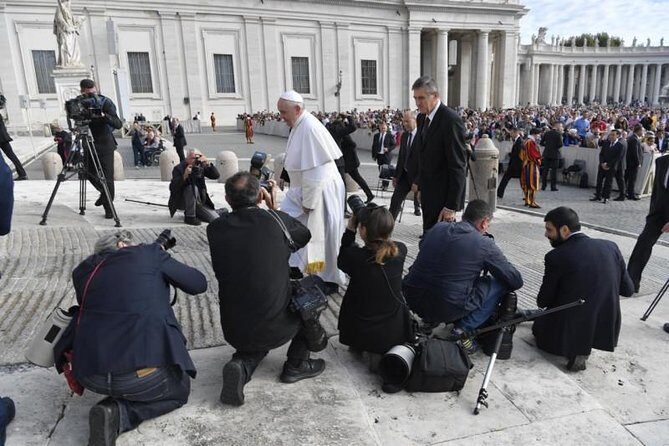
The tour’s ending is at St Peter’s Square in Vatican City. The route includes a finish near St Peter’s Catholicism (as it’s described) and notes that the experience ends by leaving the Vatican Museums area.
This matters because it frames your last stretch in a smart way. St Peter’s Square is not just a “cool view.” It’s a culmination point where Rome’s religious power becomes visible in architecture, space, and scale. When you reach it after the Rome-walk sequence—ancient stadium ruins, Baroque fountains, and the big art names—the setting hits harder.
Sunday bonus: Angelus blessing
On Sundays, the tour can end with the papal blessing in the Angelus. If you plan your trip around that, you’ll want to arrive ready for a more ceremonial atmosphere and thicker crowds near the end. It’s the kind of cultural moment that feels more like a lived event than a sightseeing stop.
Mobile Tickets, Small Group Size, and Why That’s Good Value
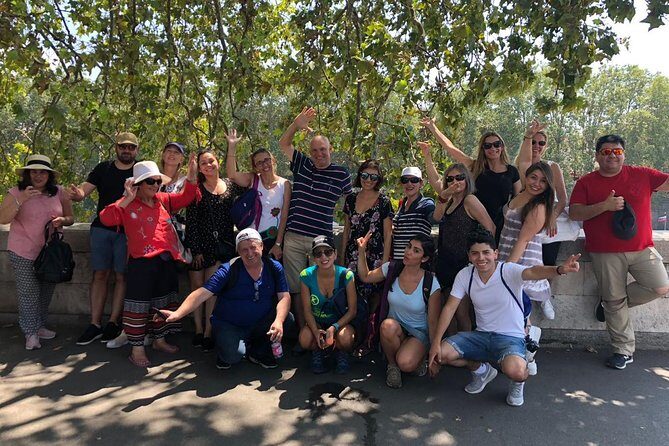
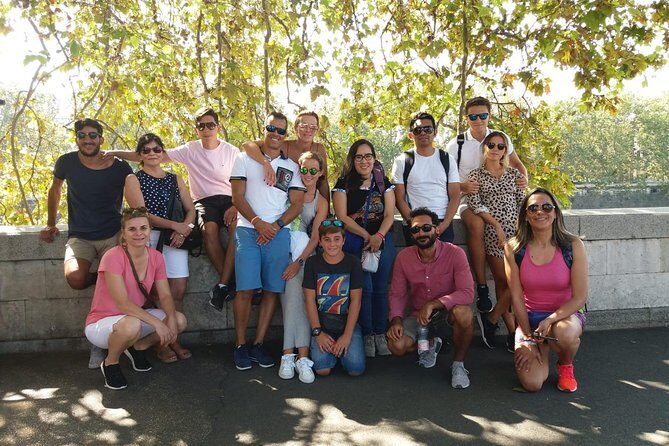
Two things in the tour details that directly affect how your day feels: mobile ticketing and a maximum group size of 30 travelers.
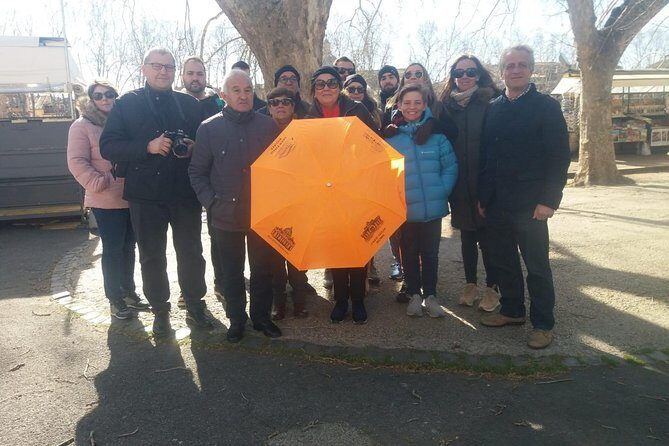
A mobile ticket usually means fewer last-minute headaches. You’re less likely to misplace paper, and you can keep everything on your phone. The small group size matters because it reduces the classic Rome problem: the guide stops, the group gets split, and you end up waiting half the time. With up to 30, you’re more likely to stay together and keep momentum.
About the price: $17.44 per person
At $17.44, the value is mostly about coverage. You’re getting a guided route that strings together Roman landmarks (including Pantheon entry) plus a finale at St Peter’s Square. That’s a lot of “big name” sightseeing for a price that’s relatively low compared to many Rome tours.
The trade-off is time depth. This is not a slow-paced, sit-down tour with long indoor segments at every stop. It’s a route that favors getting you to the key places and giving you interpretation so you don’t just stare at postcards.
What Could Go Wrong: Ticket Confusion and Pace
Let me flag two real considerations.
First, there can be confusion with third-party booking items. I’ve seen at least one case where a person paid for a ticket through a third-party site and expected the group to have paid too—only to find the rest thought it was free. You can avoid that headache by checking your voucher carefully before you meet the guide.
Second, the schedule is compact. The tour can run anywhere from about 2 to 45 minutes (depending on the way the experience is packaged or timed). That tells you this is not built for lingering. If you want to take your time at every sight, pair this with extra free time after the tour—especially around the fountains and St Peter’s Square.
Who This Tour Fits Best (and Who Should Skip It)
This tour is a great match if you:
- like an organized route with clear landmark stops,
- want to connect ancient Rome to Renaissance and Baroque art without doing a full-day museum marathon,
- enjoy seeing famous works like Trevi and the Piazza Navona Moor with explanation,
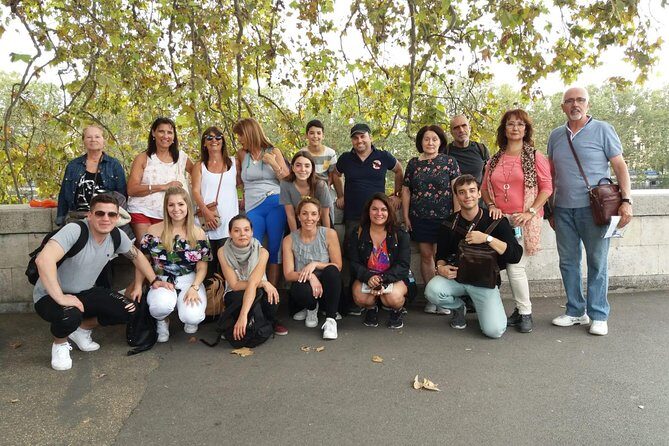
- prefer a small group over large coach chaos.
You might not love it if you:
- need long, quiet time inside major sites every time (this is more rapid and guided),
- hate crowds near famous fountains and St Peter’s Square,
- want a guarantee of a deeply detailed, hours-long museum experience.
Should You Book Squares of Rome and Vatican?
I’d book it if your goal is to get a guided thread through Rome’s biggest landmarks—ancient to papal—without wasting time figuring out where to go next. The Pantheon entry, the structured shift to Michelangelo and Bernini-era storytelling, and the fountain run are exactly the kind of things that make a short tour feel worthwhile.
Skip or rethink it if you’re the type who needs lots of indoor time, or if you’re very sensitive to crowds and tight pacing. And do yourself a favor: double-check what your voucher includes, especially regarding any ticket expectations.
If you want a smart, efficient “Rome in chapters” day that ends with St Peter’s Square energy, this one is a strong contender.
FAQ
How long is the tour?
The duration is listed as approximately 2 to 45 minutes.
Where does the tour start?
It starts at Fontana del Tritone, Piazza Barberini, 00187 Rome.
Where does the tour end?
It ends in St Peter’s Square (Piazza San Pietro), 00120 Vatican City.
Is there a mobile ticket?
Yes. The tour uses a mobile ticket.
How big is the group?
The tour has a maximum of 30 travelers.
Does it include Pantheon entry?
The description states you will enter the Roman Pantheon.
Is it available on Sundays for the Angelus?
On Sundays, the tour is described as ending with the papal blessing in the Angelus.
Is free cancellation available?
Yes. You can cancel for a full refund up to 24 hours in advance.
Are service animals allowed?
Yes, service animals are allowed.
Is it near public transportation?
Yes. It is listed as near public transportation.