REVIEW · EVENING EXPERIENCES
Sunset in Rome Sightseeing and Piazzas with appetizer
Book on Viator →Operated by Doooing Experience · Bookable on Viator
Rome looks different at sunset.
This 3-hour evening stroll ties together some of the city’s most famous sights, then slows you down for a small traditional Italian appetizer. I love the sunset pacing (you’re seeing Rome in soft light, not under harsh afternoon sun) and the traditional appetizer finish that feels like a real pause instead of a rushed photo sprint. One thing to consider: the itinerary relies on good weather, and during the Jubilee some monuments may be under restoration with route changes.
You start at the base of the Rome game plan: Piazza del Popolo, then work your way past Piazza di Spagna and the Spanish Steps, on to Trevi, the Pantheon area, and finally Piazza Navona. It’s built for getting your bearings fast, plus you’ll hear why these places look the way they do.
Groups are capped at 20, and you’ll get bottled water, snacks, and soda/pop along the way. If you’re hoping for a long, slow sit-down meal or lots of indoor time inside every monument, this is more “walk-and-learn” than “stay-and-loiter.”
In This Review
- Key things to know
- Starting in Piazza del Popolo at 5:30 pm
- Piazza del Popolo: Poplars, Santa Maria del Popolo, and a launchpad square
- The walk to Piazza di Spagna and the Spanish Steps’ design story
- Trevi Fountain after sunset: scale you can actually feel
- Pantheon stop: the temple-to-church transformation since 609 AD
- Piazza Navona: games in an old stadium, then your appetizer
- Price and value: what $79.87 buys you in real terms
- The guides: friendly, answer-questions energy
- How to dress and plan your evening walk
- Should you book this Sunset in Rome walk?
- FAQ
- What time does the tour start?
- How long is the experience?
- Where do I meet the guide?
- Where does the tour end?
- What’s included in the price?
- Is hotel pickup and drop-off included?
- Do I need cash for food and drinks?
- Is a mobile ticket used?
- How many people are in the group?
- What happens if it’s bad weather or monuments are under restoration?
Key things to know
- Golden-hour route: Piazza del Popolo to Piazza Navona in about 3 hours.
- Big-name landmarks, real context: Spanish Steps, Trevi Fountain, Pantheon, and Navona all get explanations.
- Small group size: up to 20 people means more manageable viewing time.
- Included drinks and snacks: bottled water plus soda/pop and snacks keep you comfortable.
- Appetizer at the end: a small traditional Italian appetizer closes out the tour.
- Weather- and Jubilee-aware: good weather is required, and access routes may change during restoration.
Starting in Piazza del Popolo at 5:30 pm
The tour begins at Fontana dei Leoni, in Piazza del Popolo, with a 5:30 pm start time. That timing matters in Rome. You’re hitting major sights after the day-trippers thin out, but before the city fully flips into night chaos.
You’ll be walking with a guide and moving at a pace that keeps the route logical. The goal isn’t just photos. It’s understanding what you’re looking at, so when you wander later on your own, Rome makes more sense.
Also, there’s no hotel pickup. You’ll meet at the public square and head out from there, so plan to arrive a bit early and get oriented in the daylight.
You can also read our reviews of more evening experiences in Rome
Piazza del Popolo: Poplars, Santa Maria del Popolo, and a launchpad square
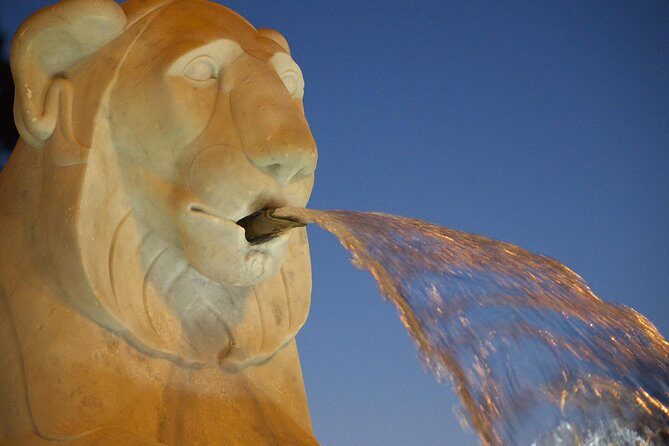
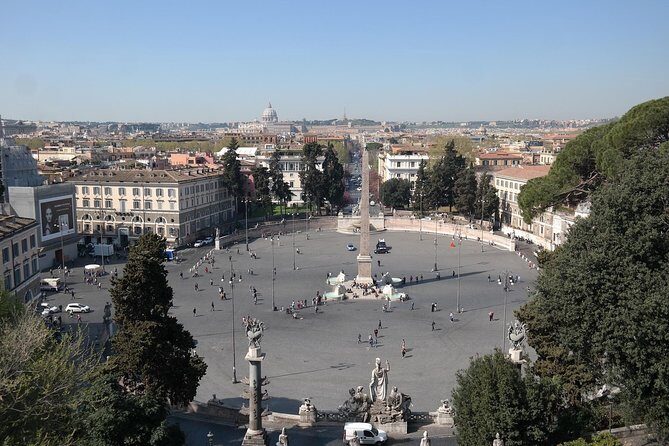
Your first stop is Piazza del Popolo, one of Rome’s large urban squares. The name traces back to poplars—populus in Latin and pioppo in Italian—and it also connects to Santa Maria del Popolo, whose name comes from its position in the northeast corner of the piazza.
I like this stop for two reasons. First, it gives you a clean starting point. Second, it sets expectations for how Rome places landmarks: squares and churches arranged so you can feel the city’s logic when you’re walking between them.
One practical note: Piazza del Popolo can feel busy even in the evening. If you’re sensitive to crowds, give yourself a second to find your guide and let the first surge of people move along.
The walk to Piazza di Spagna and the Spanish Steps’ design story
Next up is Piazza di Spagna, best known as the base of the Spanish Steps. The name links to the Palazzo di Spagna, the seat of the Spanish Embassy to the Holy See. There’s also the Column of the Immaculate Conception in the area, which adds a strong focal point as you take in the square.
From there, the tour shifts into the real star moment: the Spanish Steps. These are a 135-step climb between the Piazza di Spagna at the base and Piazza Trinità dei Monti at the top, dominated by the church of Trinità dei Monti.
A great fact to keep in mind while you’re looking up: the monumental staircase was built in 1723–1725 with French diplomat Étienne Gueffier tied to the project, and it was designed by architects Francesco de Sanctis and Alessandro Specchi. Those names won’t matter later as trivia—what matters is that you’re seeing an intentional design, not just a stairway that happens to be famous.
The one consideration here is simple: you are climbing. You don’t need to “train for Rome,” but you should expect some uphill walking in an area where crowds can bunch up near the steps.
Trevi Fountain after sunset: scale you can actually feel
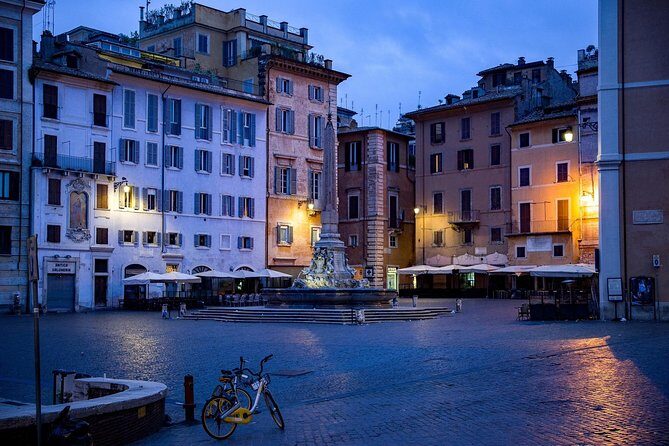
Then you reach Trevi Fountain (Fontana di Trevi). This is an 18th-century Baroque fountain, designed by Nicola Salvi and completed with work by Giuseppe Pannini and others. When you’re near it, the size sticks in your mind because the scale is huge: about 26.3 meters high and 49.15 meters wide.
I also love Trevi here because it’s more than “the place where you toss a coin.” It shows how Rome loves theatrical drama in stone. Even if you’ve seen photos, the setting in the evening light changes the feel. You get a calmer viewing rhythm than you might during peak daylight hours.
And yes, it’s pop-culture famous too. The fountain has appeared in films such as Roman Holiday (1953), Three Coins in the Fountain (1954), La Dolce Vita (1960), Sabrina Goes to Rome (1998), and The Lizzie McGuire Movie (2003). That kind of reference helps the guide explain why Trevi became a global symbol, not only a local landmark.
Pantheon stop: the temple-to-church transformation since 609 AD
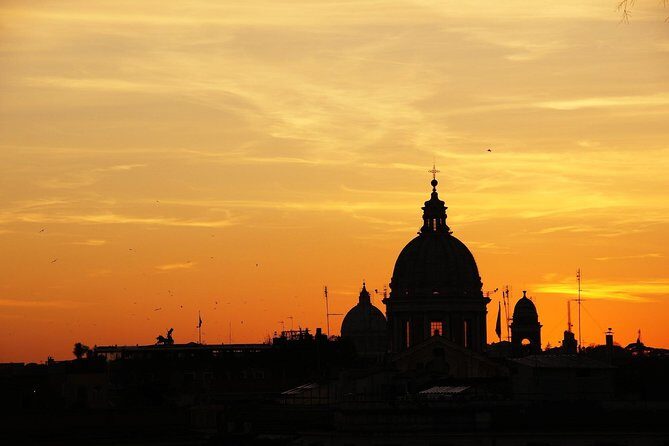
After Trevi, you’ll stop at the Pantheon. It’s described as a former Roman temple and, since 609 AD, a Catholic church known as the Basilica di Santa Maria ad Martyres (Basilica of St. Mary and the Martyrs). The site goes even further back: it was built on earlier temple foundations commissioned by Marcus Agrippa during Augustus’ reign.
This is the kind of stop that helps you connect two time periods without needing a textbook. You’re looking at a building that kept its central purpose across centuries, even as the religion and the use changed. That’s why the Pantheon feels so “complete” compared to ruins that only survive as fragments.
The practical tradeoff is time. You’ll have a stop here during a timed walk, so it’s best to treat this as “get close and learn the why” rather than expecting a long visit inside every space you pass.






Piazza Navona: games in an old stadium, then your appetizer
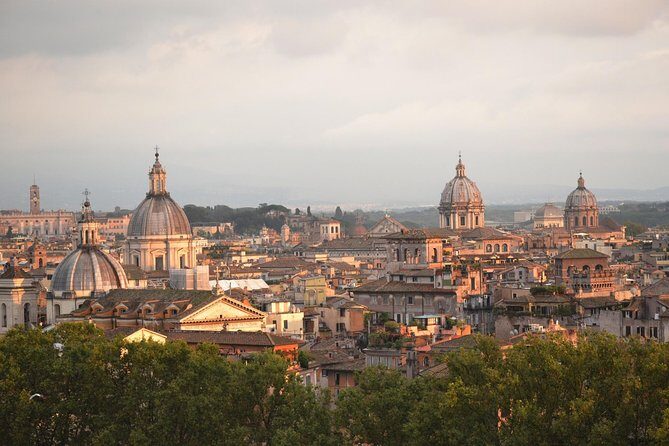
Your walking journey ends at Piazza Navona. This square sits on the footprint of the Stadium of Domitian from the 1st century AD, and the modern layout follows the stadium’s shape. That’s why Navona feels like a stage: the edges curve and the center opens, so it naturally draws your attention outward and back in.
The name story is also fun and useful. The ancient Romans held games there, called agones. Over time, the name shifted through forms—eventually to Navona. When you know that, you start seeing the square as a place built for public spectacle, not just a pretty plaza.
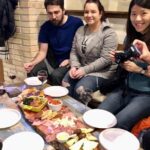
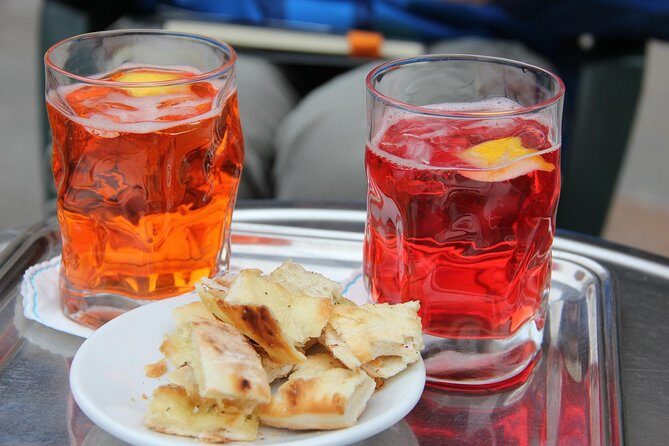
Then comes the payoff: you’ll finish with a small traditional Italian appetizer (included), along with what’s already in the package: bottled water, snacks, and soda/pop. I like this structure because it changes the tone of the evening. You go from landmark mode to “slow down and eat,” which is usually when Rome stops feeling like a list and starts feeling like a place.
Price and value: what $79.87 buys you in real terms
At $79.87 per person, this sunset tour isn’t trying to be the cheapest way to see Rome. What you are buying is time design plus guided context, with a few comfort add-ons baked in.
Here’s what makes it better value than a random self-guided route:
- You’re covering major stops in about 3 hours, from Piazza del Popolo to Piazza Navona, so you don’t spend half your evening guessing where to go next.
- You get explanations that connect names to meaning—like poplars behind Popolo, Spanish Embassy ties behind Piazza di Spagna, and the temple-to-church shift behind the Pantheon.
- Bottled water, snacks, and soda/pop reduce the annoying “stop and buy something every 20 minutes” rhythm.
Group size also affects value. With a maximum of 20 travelers, it’s easier to keep track of the guide and hear answers when questions pop up.
If your goal is to grab a quick highlight tour and move on, you might find it less exciting. If your goal is to understand the city while the light is good, it hits a sweet spot.
The guides: friendly, answer-questions energy
One of the clearest strengths of this experience is the guide style. Names like Tiziana Pischedda, Luca, and Anastasia show up as standouts for being friendly, answering questions, and steering people toward a good pace.
I also like the way these guides tend to plan the route so you aren’t only glued to the most obvious photo angles. You can end up with views that feel a bit more surprising—places where you feel like you’re looking at Rome from a slightly different angle than the straight-line, mass-tour route.
It doesn’t mean the big icons disappear. It means you experience them with more of the surrounding context, and that’s where the magic lives.
How to dress and plan your evening walk
This is a walking tour. Even if it’s “most travelers can participate,” you’ll still want comfortable shoes and an eye on the ground. Sidewalks and stone edges in central Rome can be uneven.
Bring a light layer if the temperature drops after sunset. Also, give your phone a quick check for battery life. You’ll have a mobile ticket, so you don’t want to hunt for Wi‑Fi at the start.
If the Jubilee is affecting the city, some monuments may be under restoration and access routes could change. The key thing is simple: check your messages before you go, so you know if the route has been adjusted.
Should you book this Sunset in Rome walk?
Yes—if you want a structured evening that moves through the city’s strongest piazzas and icons without turning into a stressful marathon. This tour is especially worth booking if you like learning why landmarks matter, not just where to stand for the photo.
Skip it, or at least lower expectations, if you want long indoor time at each stop or you’re uncomfortable with a steady walk. Also think twice if weather is questionable. This experience requires good weather, and if it’s canceled for poor conditions, you’ll be offered a different date or a full refund.
If you’re deciding between pure wandering and a guided route, I’d pick the guided option for your first big Rome evening. It helps you get your bearings fast—and then you’ll enjoy your next hours on your own even more.
FAQ
What time does the tour start?
The start time is 5:30 pm.
How long is the experience?
It runs for about 3 hours.
Where do I meet the guide?
You meet at Fontana dei Leoni, Piazza del Popolo, 00187 Roma RM, Italy.
Where does the tour end?
The tour ends in Piazza Navona, 00186 Roma RM, Italy.
What’s included in the price?
It includes bottled water, snacks, soda/pop, and a small traditional Italian appetizer.
Is hotel pickup and drop-off included?
No. Hotel pickup and drop-off is not included.
Do I need cash for food and drinks?
Food and drinks included are covered by the tour. Gratuities are optional.
Is a mobile ticket used?
Yes, the tour uses a mobile ticket.
How many people are in the group?
The maximum group size is 20 travelers.
What happens if it’s bad weather or monuments are under restoration?
The experience requires good weather. If canceled due to poor weather, you’ll be offered a different date or a full refund. During the Jubilee, some monuments may be under restoration and access routes could change, so you should check your messages for updates.